Zurück zu den Vorlagen
Kaktus Steinmalerei
Benötigte Materialien
- Hoher, ovaler Stein
- Grüne Acrylfarbe
- Braune Acrylfarbe
- Rosa Acrylfarbe
- Weiße Acrylfarbe
- Flacher Pinsel (mittelgroß)
- Feiner Detailpinsel
- Klarlackspray
Schritt-für-Schritt-Anleitung
1
Schritt 1: Paint the terracotta pot
Wash and dry your rock. Paint the lower quarter of the rock with terracotta or brown paint to create the pot. Add a slightly lighter band near the top of the pot for the rim. Let dry completely.
2
Schritt 2: Paint the cactus body
Paint the upper three quarters of the rock with medium green paint for the main cactus column. Add a darker green shade on the sides to give the cylindrical body a rounded, three-dimensional appearance. Include two smaller arm branches curving outward from mid-height.
3
Schritt 3: Add the spines
Using white or light yellow paint and your fine brush, paint short radiating lines all over the cactus body and arms to represent spines. Work in rows from bottom to top. Each spine cluster should have three to five short lines radiating from a central point. This is the most distinctive cactus feature.
4
Schritt 4: Add cactus flowers
Paint small pink or yellow flowers blooming at the tops of the cactus arms and main column. Each flower is a star shape with rounded petals. Add a tiny yellow center dot to each flower. Cactus flowers are a burst of color and add great visual contrast.
5
Schritt 5: Detail the pot and seal
Add small curved lines on the pot to suggest the texture of clay. Add a shadow below the pot rim with a darker terracotta line. Once everything is fully dry, apply clear sealant to protect your desert cactus rock.
Schritt 6: RoxGeo-Code hinzufügen
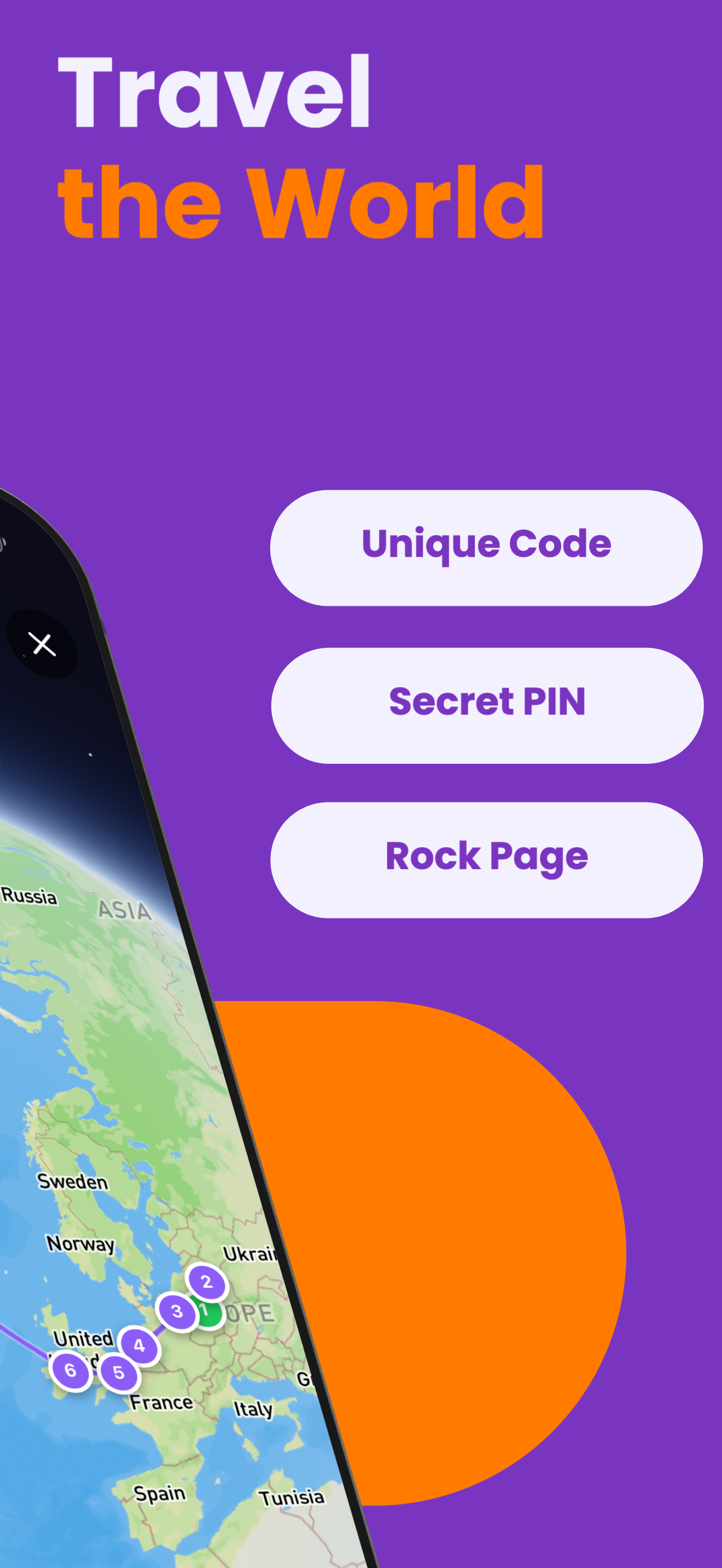
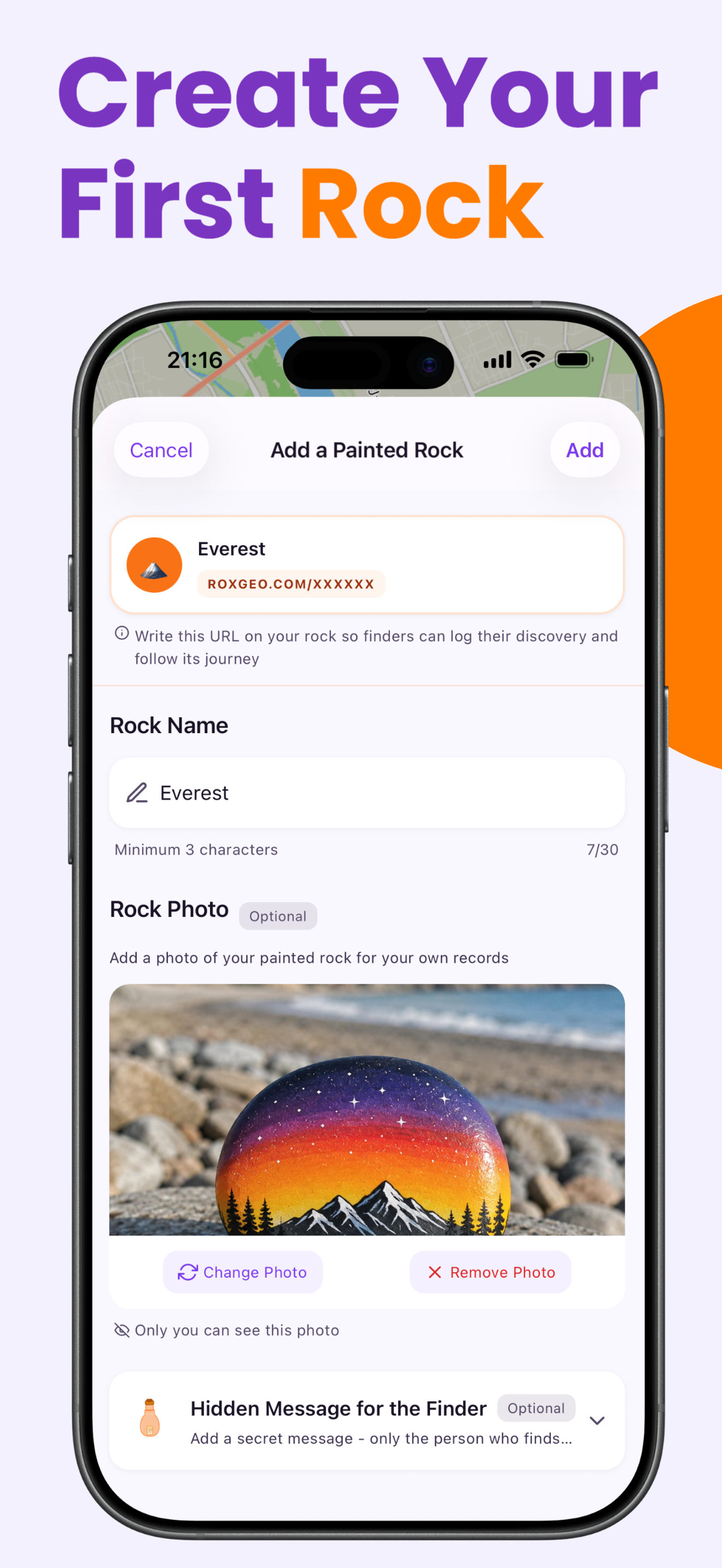
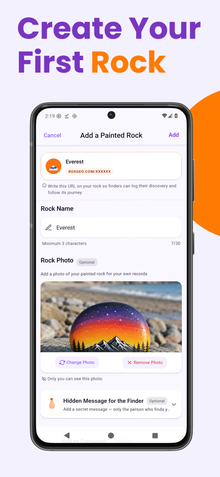
Schreibe auf die Unterseite oder Rückseite deines Steins ROXGEO.COM gefolgt von einem Schrägstrich und dem einzigartigen Code deines Steins (z.B. ROXGEO.COM/ABC123). So kann der Finder direkt zur Profilseite deines Steins gelangen und seinen Fund protokollieren. Wenn der Stein zu klein für die vollständige Adresse ist, schreibe #ROX gefolgt vom Code ohne Leerzeichen (z.B. #ROXABC123) – das ist kurz, leicht bei Google zu suchen und führt direkt zur Reiseseite deines Steins. Verwende einen feinen wasserfesten Stift oder Acryl-Farbstift und versiegle ihn mit Klarlack, damit der Code durch Regen, Sonne und Abenteuer lesbar bleibt.
Hilfreiche Tipps
- Wähle eine Steinform, die zu deinem Motiv passt.
- Ein weißer Grundanstrich lässt alle Farben leuchtender wirken.
- Lass jede Schicht vollständig trocknen, bevor du die nächste aufträgst.
- Versiegle mit Klarlackspray, damit dein Stein auch draußen schön bleibt.
- Für den RoxGeo-Code auf der Unterseite verwende einen wasserfesten Permanentmarker (wie Sharpie) oder einen Acryl-Farbstift. Trage 2–3 Schichten klare Versiegelung über dem Code auf – das hält ihn monatelang durch Regen, Sonne und Anfassen lesbar.
- #ROXCODE (z.B. #ROXABC123) auf deinen Stein zu schreiben macht es einfach, ihn über Google zu finden. Wir optimieren aktiv für diesen Hashtag, sodass jeder, der danach sucht, die Profilseite deines Steins schnell findet.
- Die vollständige Adresse ROXGEO.COM/CODE bringt den Finder direkt zur Karte deines Steins, wo er die vollständige Reisehistorie, vorherige Finder und Fotos von jeder Station seiner Reise sehen kann.
Male diesen Stein und verfolge seine Reise mit RoxGeo!
RoxGeo kostenlos herunterladen