Zurück zu den Vorlagen
Geometrischer Diamant Steinmalerei
Benötigte Materialien
- Glatter, flacher Stein (handgroß)
- Verschiedene leuchtende Acrylfarben
- Schwarze Acrylfarbe
- Weiße Acrylfarbe
- Flacher Pinsel (mittelgroß)
- Feiner Detailpinsel
- Klarlackspray
- Bleistift
Schritt-für-Schritt-Anleitung
1
Schritt 1: Paint the base and sketch the diamond
Wash and dry your rock. Paint the surface white or pale. Let dry. Using a pencil and ruler, sketch a large diamond shape (square rotated 45 degrees) centered on the rock. Inside, draw lines from the corners to the center to divide the diamond into four triangular sections. Add additional parallel lines inside each section for a faceted gem effect.
2
Schritt 2: Paint each triangular facet
Paint each triangular facet of the diamond a different shade of blue or teal. The top facet gets the lightest shade (sky blue), the side facets get medium blue, and the bottom facet the darkest navy. This graduation of tone mimics how light reflects off a real cut gemstone.
3
Schritt 3: Add gold outlines
Using gold paint and a fine brush, carefully outline all the facet division lines and the outer edge of the diamond shape. These gold lines are like the metal setting of a gem - they define the geometric precision and add a luxurious touch. Work slowly and steadily for sharp, clean lines.
4
Schritt 4: Add geometric corner decorations
In the corners around the diamond, add small geometric decorations using navy blue paint: tiny triangles, dots arranged in diamond patterns, or small cross shapes. These corner fillers extend the geometric theme across the whole rock surface.
5
Schritt 5: Add white highlights and seal
Add a small bright white dot or triangle highlight near the top left of the diamond to suggest reflected light. This single highlight brings the gem to life and makes it look three-dimensional. Apply clear sealant when dry.
Schritt 6: RoxGeo-Code hinzufügen
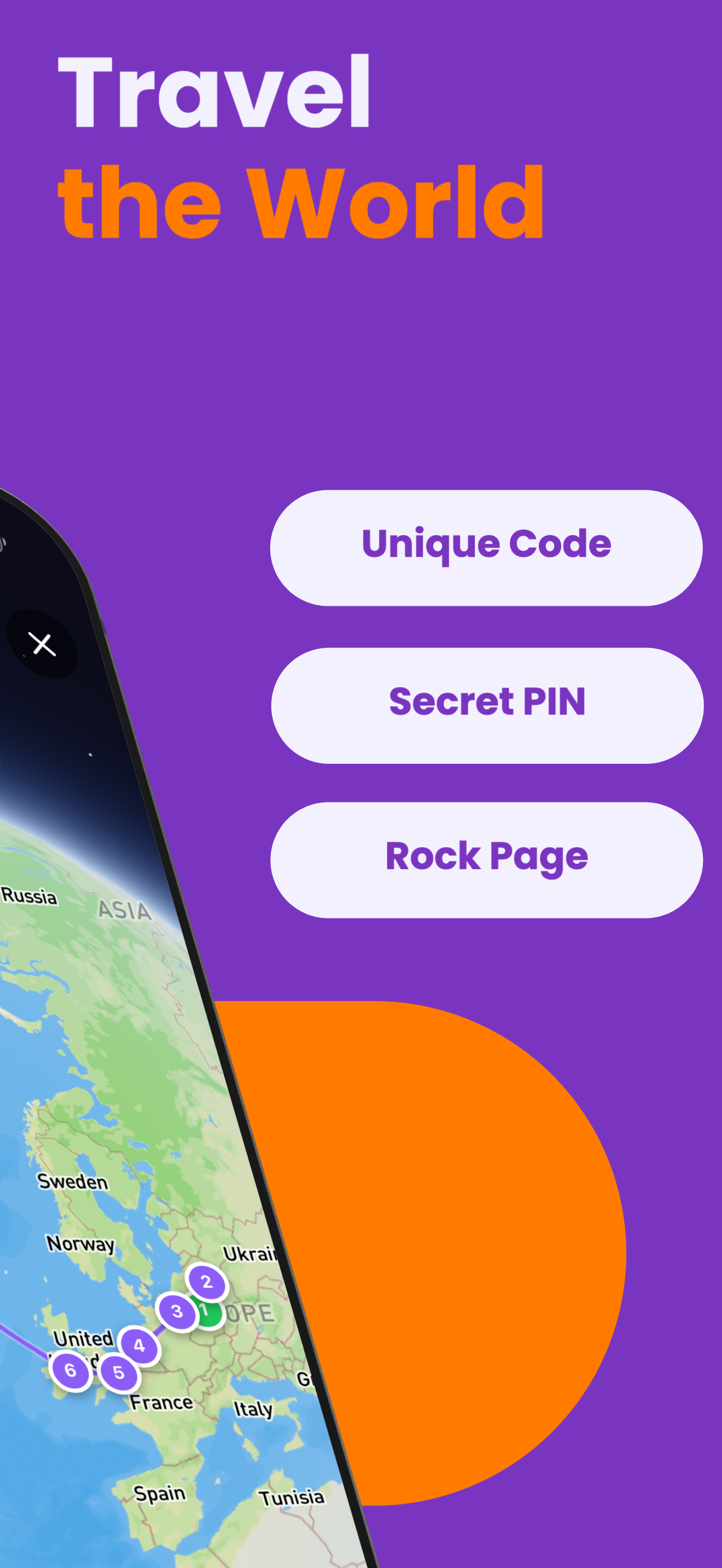
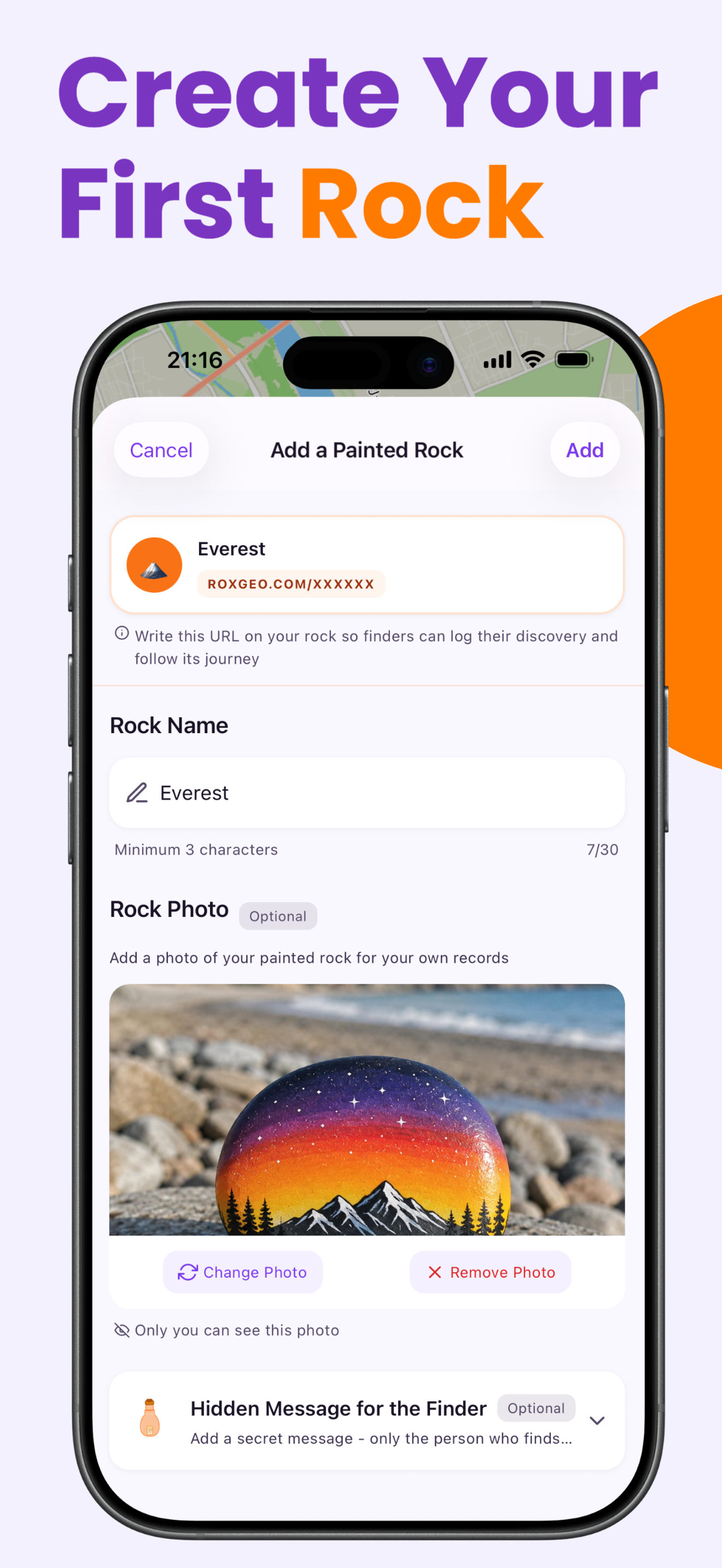
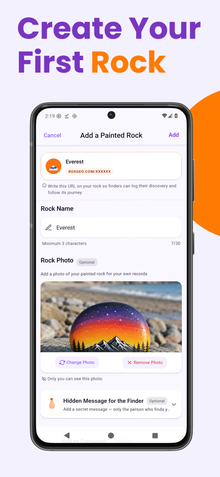
Schreibe auf die Unterseite oder Rückseite deines Steins ROXGEO.COM gefolgt von einem Schrägstrich und dem einzigartigen Code deines Steins (z.B. ROXGEO.COM/ABC123). So kann der Finder direkt zur Profilseite deines Steins gelangen und seinen Fund protokollieren. Wenn der Stein zu klein für die vollständige Adresse ist, schreibe #ROX gefolgt vom Code ohne Leerzeichen (z.B. #ROXABC123) – das ist kurz, leicht bei Google zu suchen und führt direkt zur Reiseseite deines Steins. Verwende einen feinen wasserfesten Stift oder Acryl-Farbstift und versiegle ihn mit Klarlack, damit der Code durch Regen, Sonne und Abenteuer lesbar bleibt.
Hilfreiche Tipps
- Zeichne das Motiv mit Bleistift vor, bevor du anfängst zu malen.
- Lass jede Schicht vollständig trocknen, bevor du die nächste aufträgst.
- Wähle eine Steinform, die zu deinem Motiv passt.
- Versiegle mit Klarlackspray, damit dein Stein auch draußen schön bleibt.
- Für den RoxGeo-Code auf der Unterseite verwende einen wasserfesten Permanentmarker (wie Sharpie) oder einen Acryl-Farbstift. Trage 2–3 Schichten klare Versiegelung über dem Code auf – das hält ihn monatelang durch Regen, Sonne und Anfassen lesbar.
- #ROXCODE (z.B. #ROXABC123) auf deinen Stein zu schreiben macht es einfach, ihn über Google zu finden. Wir optimieren aktiv für diesen Hashtag, sodass jeder, der danach sucht, die Profilseite deines Steins schnell findet.
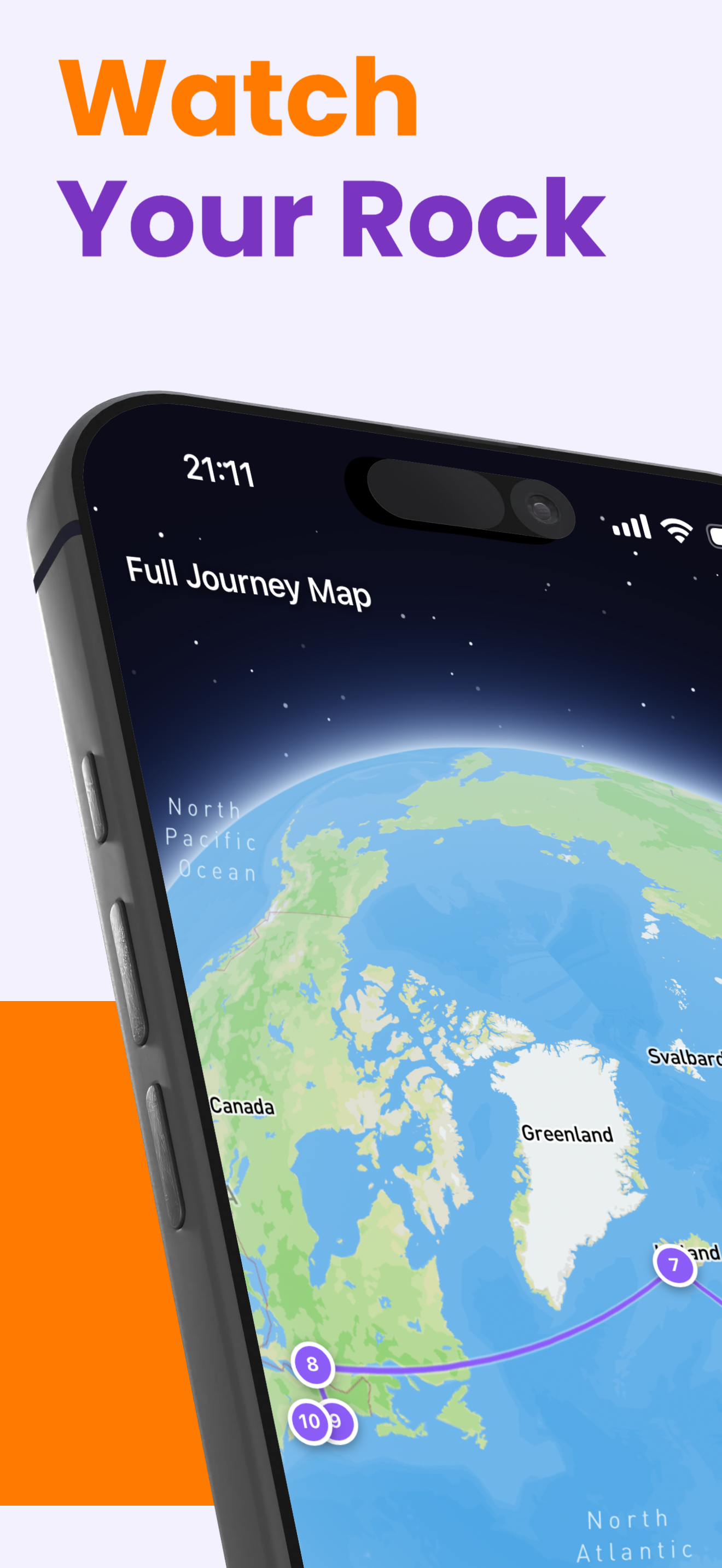
- Die vollständige Adresse ROXGEO.COM/CODE bringt den Finder direkt zur Karte deines Steins, wo er die vollständige Reisehistorie, vorherige Finder und Fotos von jeder Station seiner Reise sehen kann.
Male diesen Stein und verfolge seine Reise mit RoxGeo!
RoxGeo kostenlos herunterladen