Atpakaļ uz veidnēm
Akvareļu Tehnika Akmens Gleznošana
Nepieciešamie materiāli
- Gluda, plakana akmens (plauksta lieluma)
- Dažādas spilgtas akrila krāsas
- Balta akrila krāsa
- Mazs sūklis (tekstūrām)
- Plakans ota (vidēja)
- Tase ūdens (otas mazgāšanai)
- Caurspīdīgs laka aerosols
Soli pa solim instrukcijas
1
Solis 1: Prepare the white base
Wash and dry your rock. If the rock is not naturally pale, paint the entire surface white and let it dry completely. The white base is crucial - it reflects light back through the translucent paint layers exactly as watercolor paper does, creating the characteristic luminous glow of watercolor painting.
2
Solis 2: Mix watered-down paints
Dilute each acrylic paint color with water to create very thin, transparent washes. The paint should be so thin you can almost see through it. Test on paper first - the color should leave a translucent tint, not a solid opaque layer. This dilution is the key to the watercolor effect.
3
Solis 3: Apply wet-on-wet washes
Wet the entire rock surface with clean water using your large brush. While still wet, drop or brush on large areas of color - teal in one area, pink in another, purple in another. The colors will bleed and blend into each other naturally at the wet edges, creating soft transitions like real watercolors.
4
Solis 4: Add detail layers when dry
Let the first wash dry completely. Then apply a second, slightly more concentrated wash of color in the center of each color area to deepen it. You can add small painted details: simple flowers, stars, leaves, or abstract shapes using a fine brush and more concentrated paint over the watercolor wash.
5
Solis 5: Add white details and seal
Using concentrated white paint and a fine brush, add small botanical details: tiny dots, simple leaf shapes, or a few small flowers over the colorful background. These white elements stand out beautifully against the soft washed colors. Apply clear sealant when dry.
Solis 6: Pievienojiet RoxGeo kodu
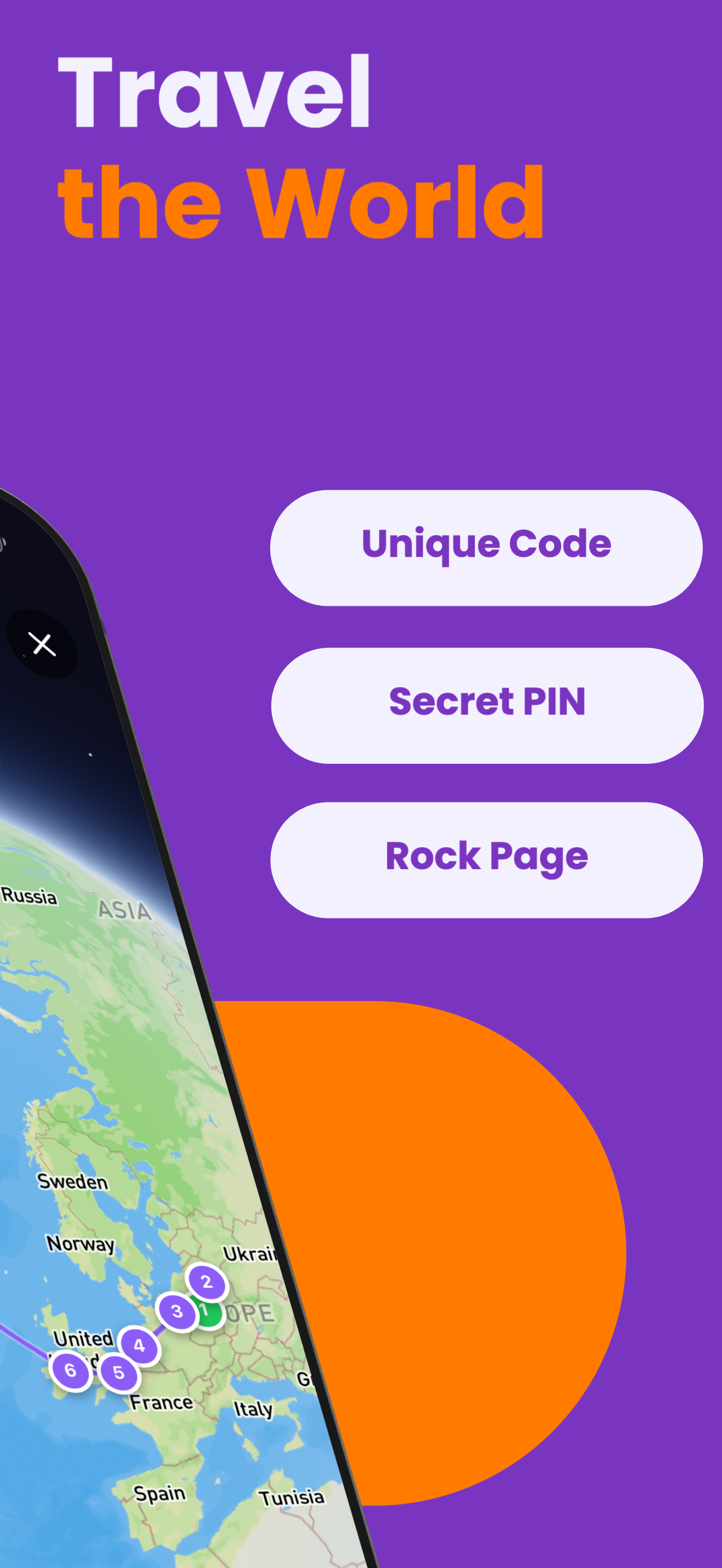
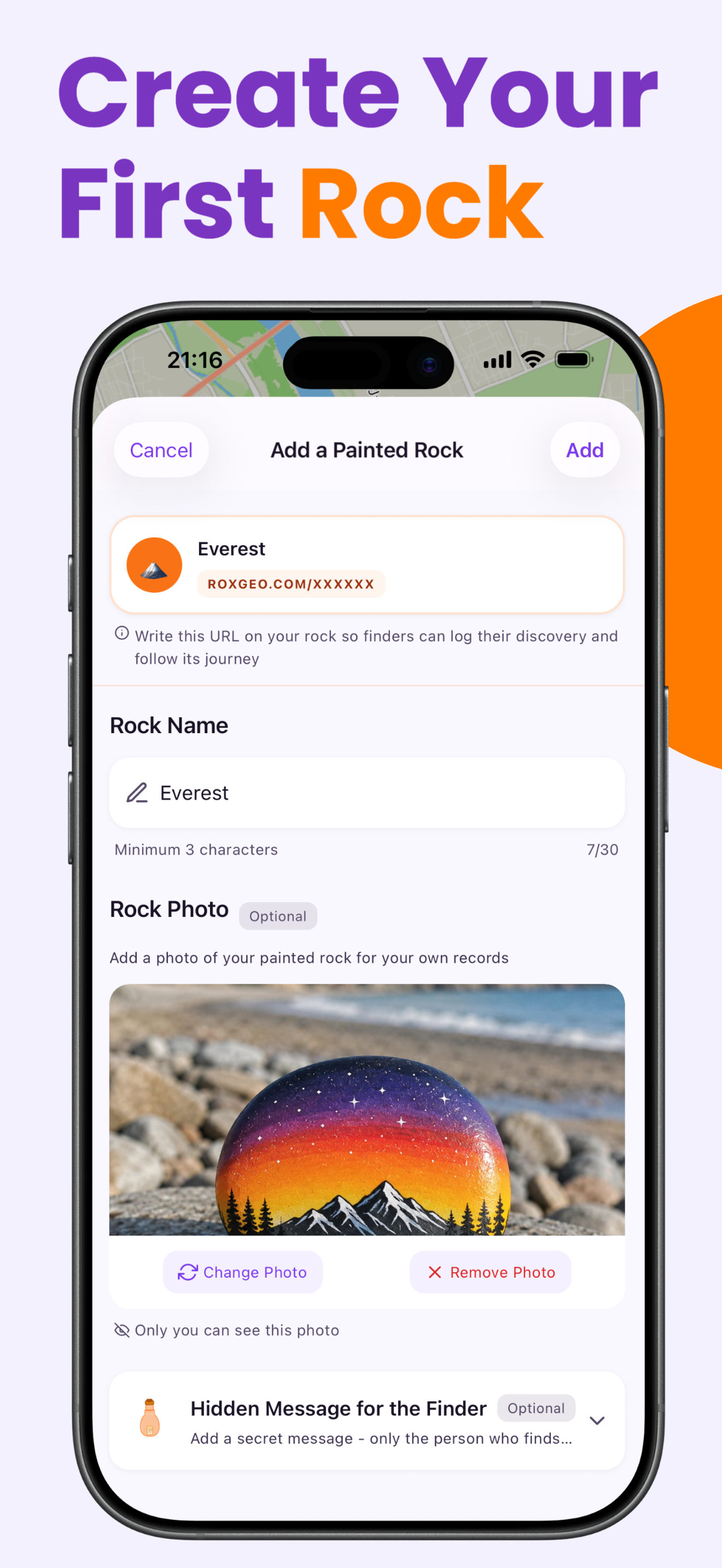
Akmens apakšā vai aizmugurē ierakstiet ROXGEO.COM, kam seko slīpsvītra un akmens unikālais kods (piemēram, ROXGEO.COM/ABC123). Tas ļauj meklētājam doties tieši uz jūsu klints profila lapu un reģistrēt savu atklājumu. Ja klints ir pārāk maza pilnai adresei, ierakstiet #ROX, kam seko kodu bez atstarpēm (piem., #ROXABC123) - tas ir īss, viegli meklējams Google tīklā un novirza tieši uz jūsu klints ceļojuma lapu. Izmantojiet marķieri ar smalku galu vai akrila krāsas pildspalvu un nolīmējiet to ar caurspīdīgu laku, lai kods paliktu salasāms lietū, saulē un piedzīvojumos.
Noderīgi padomi
- Balts pamata slānis padara visas krāsas spilgtākas.
- Ļaujiet katram slānim pilnībā nožūt pirms nākamā uzklāšanas.
- Izvēlies akmens formu, kas atbilst tavam motīvam.
- Aizveriet ar caurspīdīgu laku, lai akmens saglabātu izskatu arī ārā.
- RoxGeo kodam apakšā izmantojiet ūdensizturīgu pastāvīgo marķieri (piemēram, Sharpie) vai akrila krāsas pildspalvu. Uzklājiet 2–3 caurspīdīga hermētiķa kārtas virs koda - tas saglabās to salasāmu lietū, saulē un vairākus mēnešus.
- Uzrakstot uz klints #ROXCODE (piem., #ROXABC123), to ir viegli atrast, izmantojot Google meklēšanu. Mēs aktīvi optimizējam šo tēmturi, tāpēc ikviens, kas to meklē, ātri atradīs jūsu roka profila lapu.
- Pilna adrese ROXGEO.COM/CODE meklētāju novirza tieši uz jūsu klints karti, kur var skatīt visu tās ceļojumu vēsturi, iepriekšējos atradējus un fotoattēlus no katras pieturas savā ceļojumā.
Krāsojiet šo akmeni un izsekojiet tā ceļojumam ar RoxGeo!
Lejupielādējiet RoxGeo bez maksas