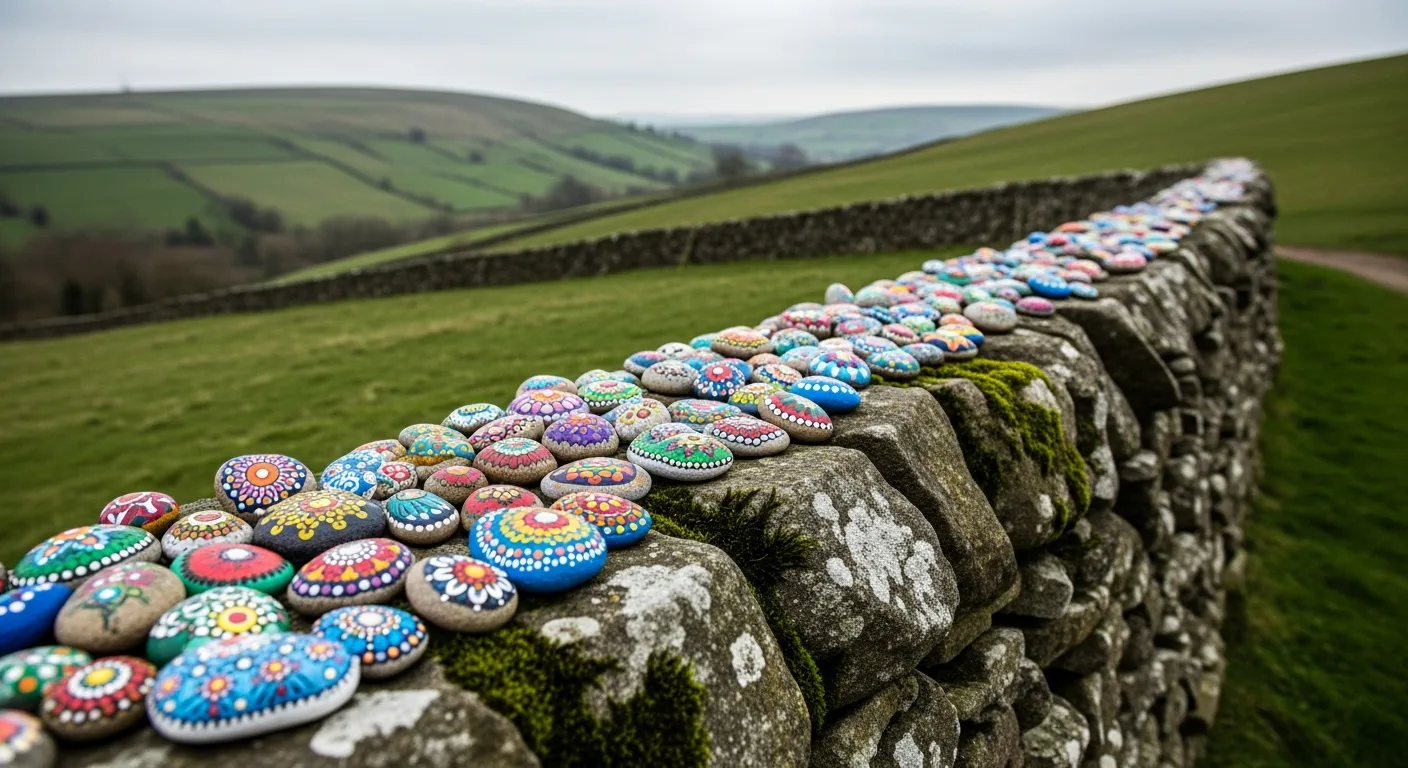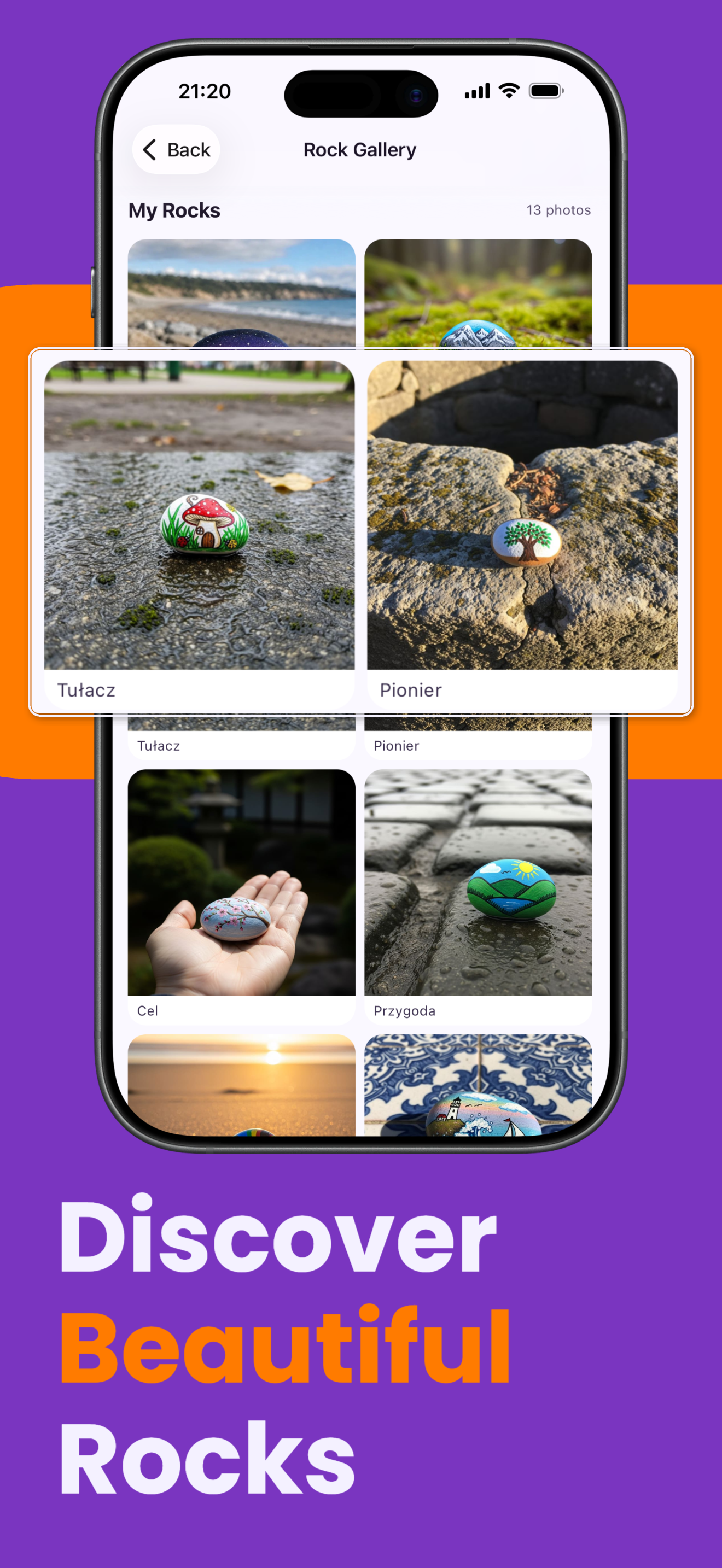
Spain's painted rocks community - known as piedras pintadas - has blossomed into one of the most creative and culturally rich rock painting scenes in Europe. From the Ramblas of Barcelona to the parks of Madrid and the plazas of Seville, Spanish rock painters have developed a distinctive style drawing from the country's extraordinary artistic heritage.
La Comunidad de Piedras Pintadas
Spain's rock painting community operates primarily through Facebook groups and Instagram, with thousands of enthusiastic participants across every autonomous community. The movement embraced rock painting around 2017–2018 and has since seen dedicated groups in Madrid, Barcelona, Valencia, Seville, Bilbao, and many smaller cities and towns.
Community members typically paint at home, then leave rocks in parks, on hiking trails (senderos), in historic city centres, and at cultural sites. The Mediterranean climate makes outdoor hiding particularly rewarding - rocks placed in the shade of an olive tree or beside a fountain remain visible and beautiful for extended periods.
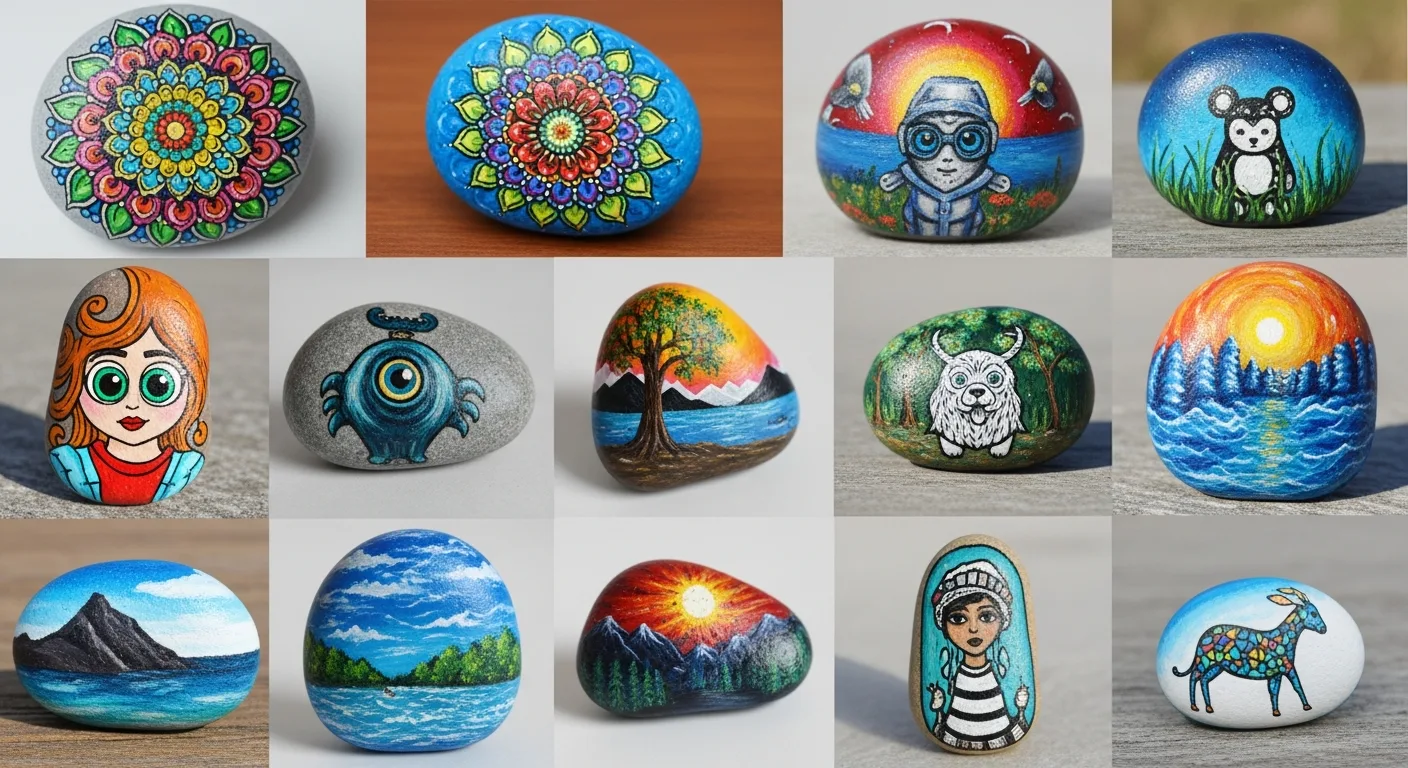
Mejores Lugares para Esconder Piedras
Spain offers extraordinary hiding spots:
- Madrid - El Retiro park, the grounds of the Prado Museum, Templo de Debod garden.
- Barcelona - Park Guell (outside ticketed areas), the Barceloneta promenade, Ciutadella park.
- Seville - Maria Luisa park, the banks of the Guadalquivir river.
- Granada - Alhambra gardens approach paths, Generalife terraced gardens surroundings.
- Camino de Santiago - The famous pilgrimage route has an established tradition of placing and finding meaningful stones.
Motivos Espanoles: Flamenco, Gaudi, Flor de Lis
Spanish rock painters draw from a uniquely rich artistic heritage:
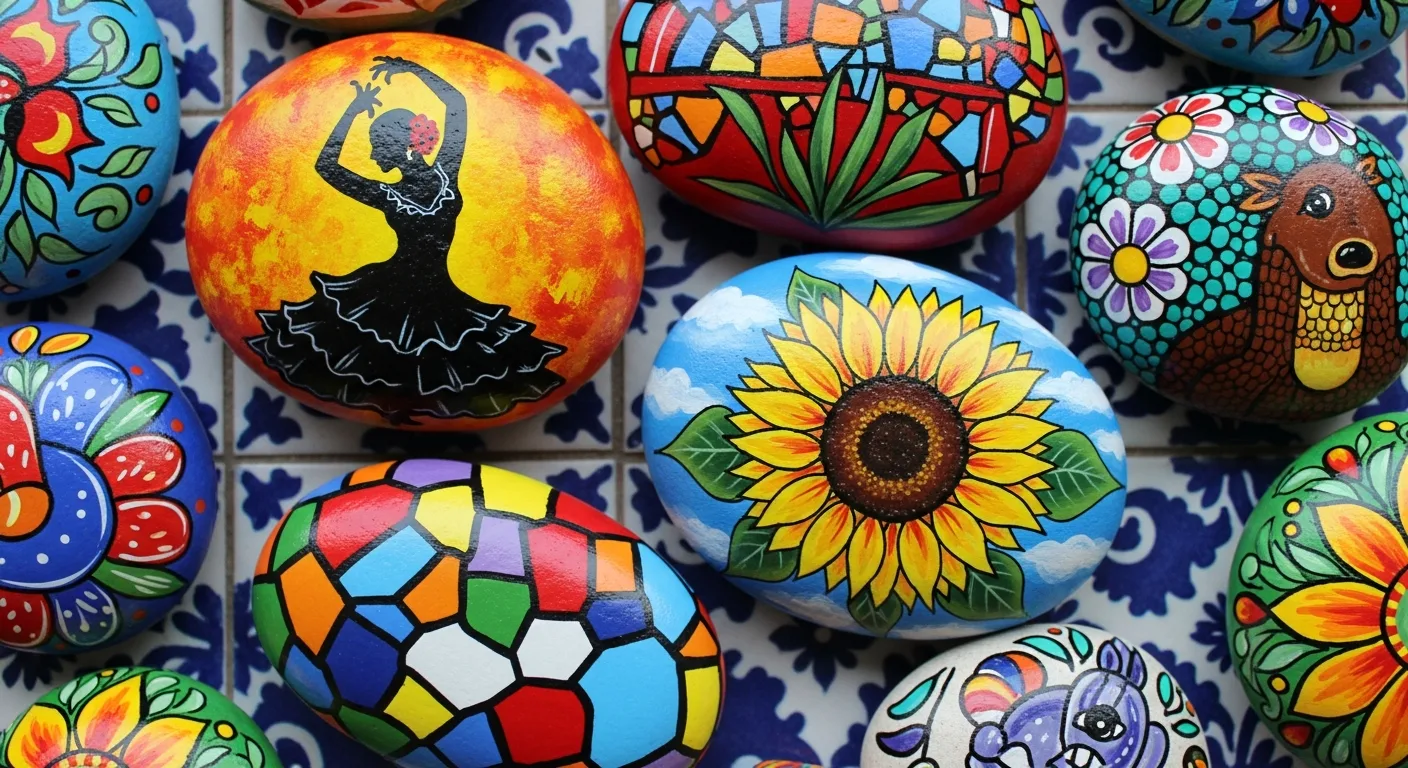
- Gaudi-inspired trencadis - the mosaic tile patterns of Barcelona's Sagrada Familia and Park Guell, rendered in tiny painted tiles on stone.
- Flamenco dancer silhouette - the instantly recognisable figure of a dancer with a swirling dress, achievable in black and red.
- Sunflower (girasol) - a symbol of the Spanish countryside, bold yellow petals with dark brown centre.
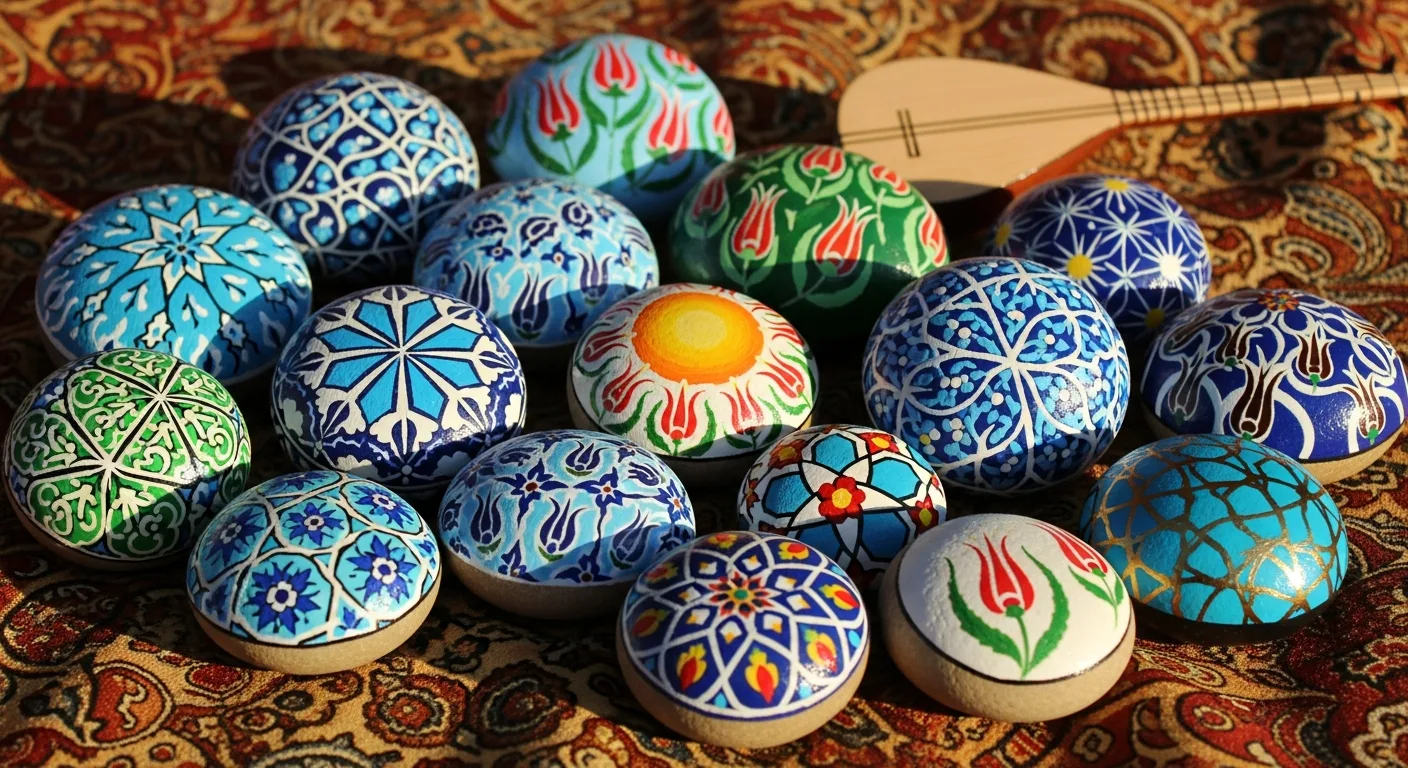
- Azulejo tile patterns - the blue-and-white geometric tile patterns found across Andalusia, Portugal and Latin America.

Rastrea tus Piedras con RoxGeo
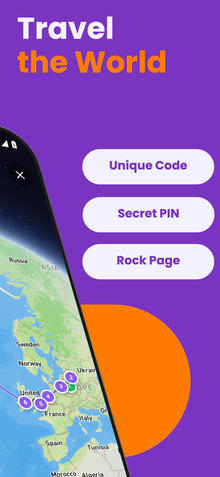
Register your painted rocks at RoxGeo before hiding them. Write the unique code on the back. When a finder logs the discovery anywhere in Spain - or abroad if a tourist carries it home - you see the journey on the world map. Spanish rocks have been found as far as South America and the Philippines by Spanish-speaking communities.
Connect with the global community via RoxGeo's community campaigns where Spanish painters participate alongside rock painters from 47 countries.
Frequently Asked Questions
Are there rock painting events in Spain?
Yes - Spanish Facebook groups organise community painting days (talleres de piedras pintadas) and collaborative hide events throughout the year, especially around festive seasons like Semana Santa and summer.
Can I paint rocks inspired by regional art - Catalan, Basque, Galician?
Absolutely. Regional artistic identities are celebrated in Spain's rock painting community. Catalan sardana dancers, Basque geometric patterns, and Galician Celtic knotwork all make beautiful stone art subjects.
Where do I find smooth stones for painting in Spain?
Spanish riverbeds (ramblas, rios) and Mediterranean and Atlantic beaches provide excellent smooth stones. Garden centres and craft stores also sell smooth river pebbles. Always verify that collecting stones from the specific location is permitted.