Painted Rocks in Spain
Track & find painted stones across Spain – from Madrid to Barcelona and beyond.
Spain’s warm climate, outdoor culture, and creative spirit make it an ideal home for the painted rocks movement. Known locally as “piedras pintadas” or “pintar piedras,” the hobby has spread across the country from the beaches of Andalusia to the mountains of the Basque Country, connecting families and communities through art and nature.
With RoxGeo, you can tag your piedras pintadas with a unique tracking code and follow their journey across Spain and beyond. Whether you’re painting pebbles on a Costa Brava beach or searching for hidden treasures in Madrid’s Retiro Park, RoxGeo makes every paseo an adventure.
Where to Find Painted Rocks in Spain
Piedras pintadas can be found in parks, along coastal paths, on hiking trails, and in public gardens throughout Spain. Popular spots include urban parks, playas, senderos, and jardines botánicos. Community groups organise rock-hiding events, especially during spring, summer, and local fiestas.
5
Featured cities with active piedras pintadas communities across Spain
Madrid – Parque del Retiro, Casa de Campo, Madrid Río, and Parque del Oeste are popular rock-hunting spots in the capital.
Barcelona – Parc de la Ciutadella, Montjuïc, Parc Güell surroundings, and Tibidabo trails host an active piedras pintadas community.
Valencia – Jardín del Turia, Parque de Cabecera, La Albufera natural park, and Malvarrosa beach are hotspots for painted stone finders.
Seville – Parque de María Luisa, Jardines del Alcázar, Alamillo Park, and the Guadalquivir riverbanks attract rock painters from across Andalusia.
Bilbao – Parque de Doña Casilda, Artxanda hill, Parque de Europa, and the Nervión riverside are favourite locations for piedras pintadas in the Basque Country.

How to Tag & Track Rocks in Spain
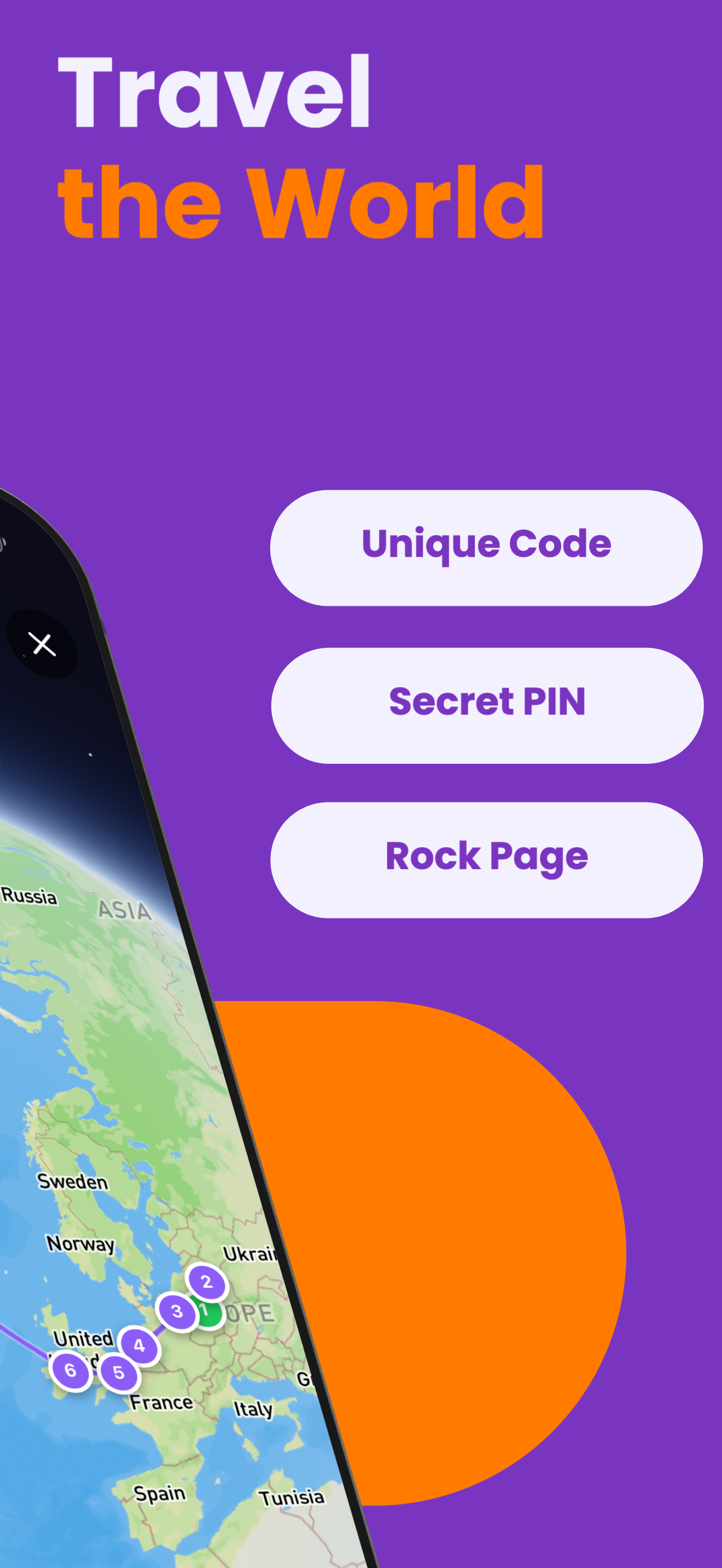
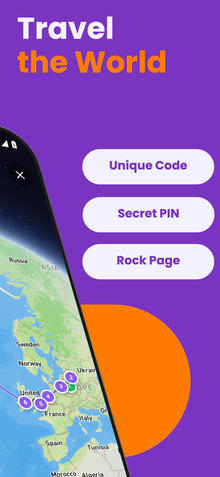
Using RoxGeo to tag your piedras pintadas in Spain is simple. Each rock gets a unique 6-character code that connects it to a digital profile, allowing you to track its journey from ciudad to ciudad, comunidad autónoma to comunidad autónoma, or across borders.
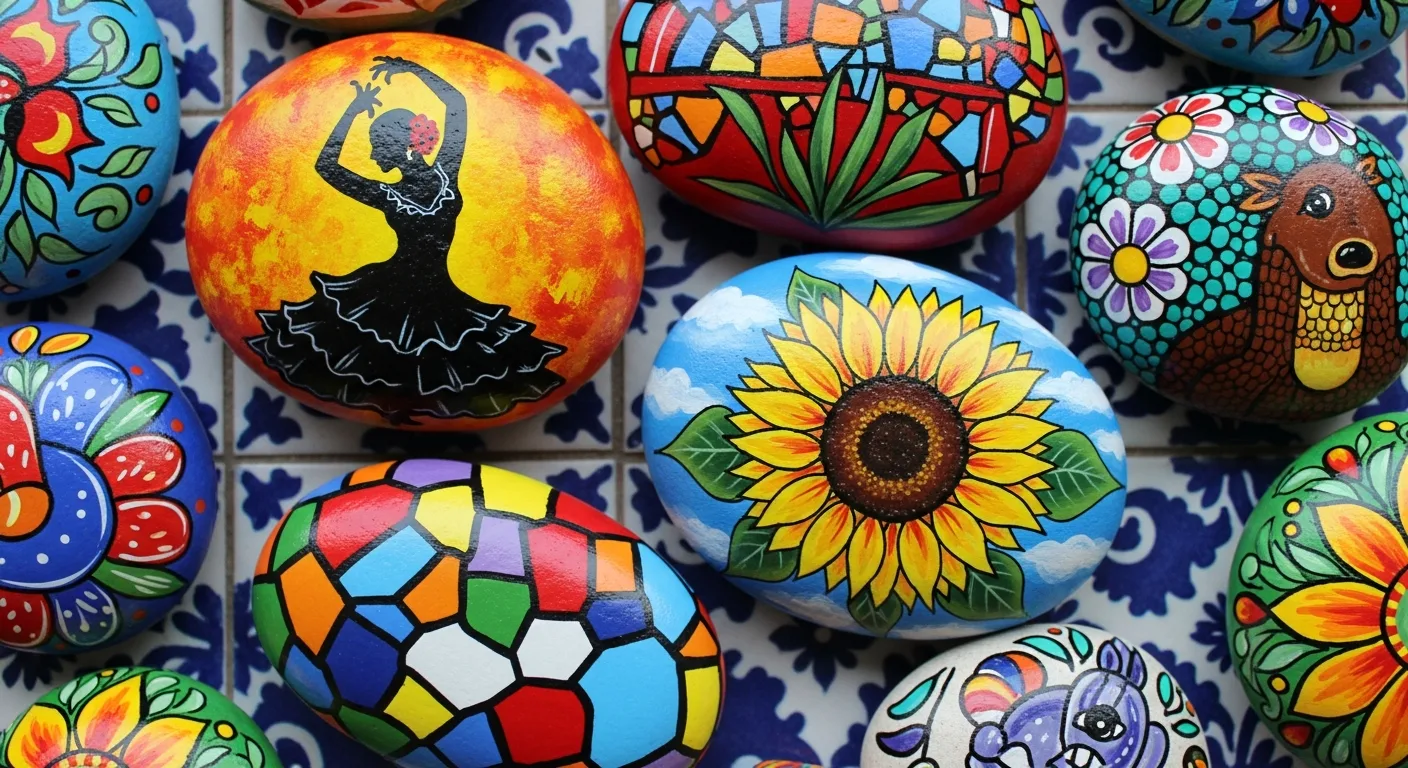
Paint your piedra with weatherproof acrylic paint or rotuladores acrílicos. Add a unique design – Spanish motifs, flamenco themes, local landmarks, or colourful mosaic patterns inspired by Gaudí.
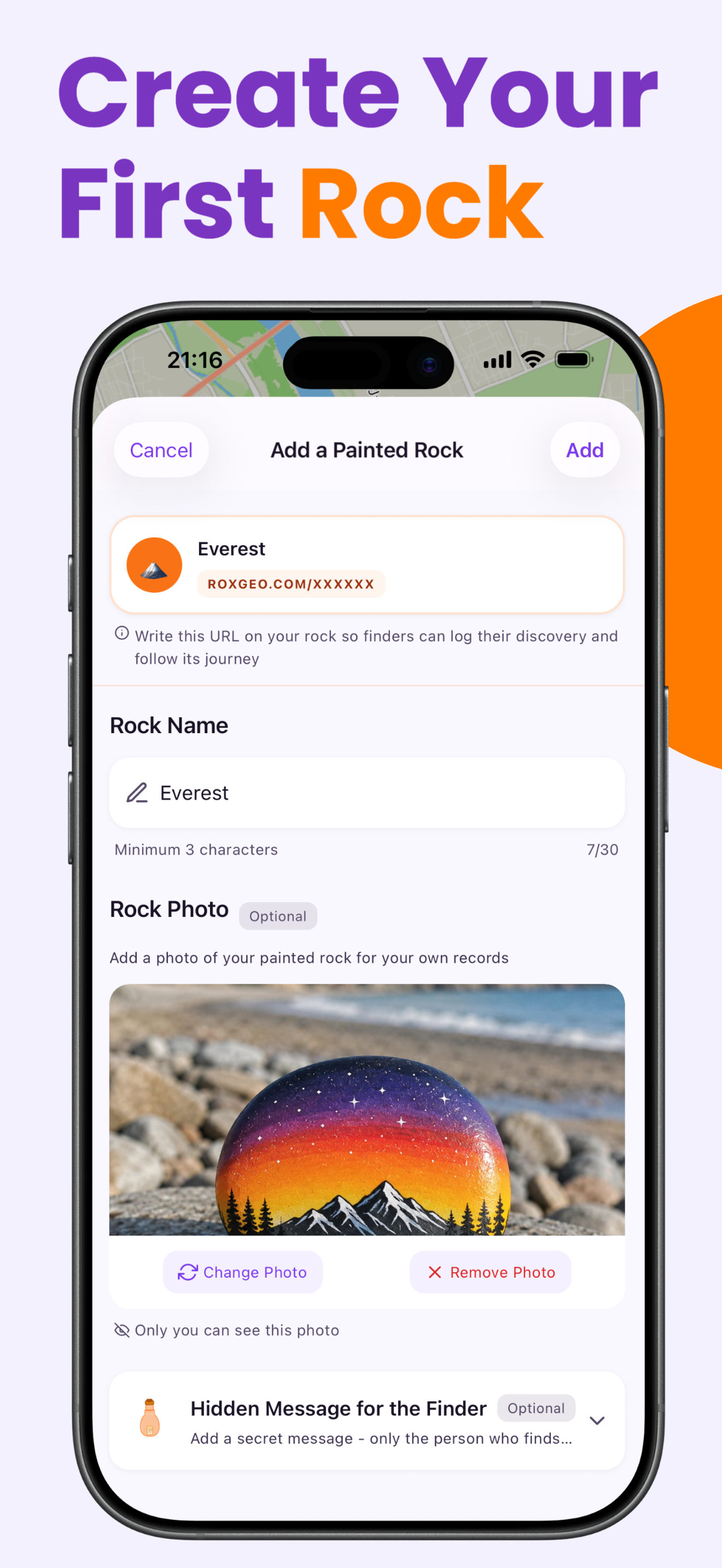
Create a tag in RoxGeo and write the unique code and 4-digit secret PIN on the back of your piedra. Apply a clear barniz for weather protection.
Hide your piedra in a public place – parques, senderos, benches, or playgrounds. Make sure it’s visible but not obstructing pathways.
Track your rock’s journey! When someone finds it, they enter the code and PIN on RoxGeo to confirm the find. You’ll see where it traveled and who found it.

Safety & Legality in Spain
Rock painting and hiding is a family-friendly activity that’s legal in public spaces across Spain. Following a few simple guidelines ensures everyone can enjoy the hobby safely and responsibly.
Use only non-toxic, water-based acrylic paints (pintura acrílica al agua). Avoid solvent-based paints that may harm the environment.
Never place rocks in parques nacionales or reservas naturales without permission. Stick to urban parks (parques públicos) and public trails.
Avoid hiding rocks near roads, railway tracks (vías del tren), or bodies of water where children might venture into dangerous areas.
Do not paint or attach anything to existing rock formations, historical monuments, or protected sites (Bienes de Interés Cultural). Only use collected loose stones.
The Spanish Painted Rocks Community
Spain’s piedras pintadas community is vibrant and growing. Facebook groups like “Piedras Pintadas España” and regional groups across all comunidades autónomas connect thousands of rock painters. Schools incorporate pintar piedras into clases de arte and outdoor education. Community events at fiestas and markets bring families together. Coastal communities from the Costa del Sol to Galicia are especially active, with beach pebbles providing perfect canvases. With RoxGeo, join the movement and see your piedras travel across Spain – and the world.
6
Frequently asked questions answered in our Spain rock painting guide
FAQ
Is it legal to hide painted rocks in Spain?
Yes, hiding painted rocks in public parks and trails is legal in Spain. Avoid parques nacionales and reservas naturales. Always use non-toxic materials and don’t obstruct pathways or damage property.
Where are the best places to find piedras pintadas in Spain?
The most popular spots include city parks in Madrid (Retiro), Barcelona (Ciutadella), coastal areas along the Costa del Sol and Costa Brava, and beach promenades. Check local Facebook groups for hiding events.
What paint should I use for rocks in Spain?
Use pintura acrílica or rotuladores acrílicos (acrylic markers), available at Tiger, Leroy Merlin, AliExpress, or tiendas de manualidades. Apply clear barniz for UV and weather protection – essential in the Spanish sun.
Can children participate in painting piedras?
¡Por supuesto! Pintar piedras is a wonderful family activity in Spain. Use non-toxic paints, supervise younger children, and make it a fun outdoor activity. Many Spanish colegios incorporate rock painting into their curriculum.
How does RoxGeo work for tracking rocks in Spain?
Download the free RoxGeo app, create a tag with a unique 6-character code, paint it on your piedra, and hide it. When someone finds your rock and enters the code, you’ll be notified and can track its journey on the map.
Are there painted rock groups in Spain?
Yes! There are active Facebook groups like “Piedras Pintadas España” and regional groups. Schools, bibliotecas, and centros cívicos also organise group painting events.
Helpful Resources
Getting Started with Rock Painting
Painted Rock Rules
Rock Map
Rock Painting Templates & Ideas
RoxGeo Blog
Crowdfunding with Painted Rocks
Painted Rock Tracking
Mandala Rock Painting Guide
Country Guides
Painted Rocks in Poland
Painted Rocks in the USA
Painted Rocks in the UK
Painted Rocks in Canada
Painted Rocks in Australia
Painted Rocks in Germany
Painted Rocks in France
Painted Rocks in Italy
Painted Rocks in Portugal
Painted Rocks in Netherlands
Painted Rocks in Sweden
Painted Rocks in Czechia
Painted Rocks in Hungary
Painted Rocks in Romania
Painted Rocks in Greece
Painted Rocks in Ukraine
Painted Rocks in Türkiye
Painted Rocks in Brazil
Painted Rocks in Mexico
Painted Rocks in Japan
Painted Rocks in China
Painted Rocks in Denmark
Painted Rocks in Norway
Painted Rocks in Finland
Painted Rocks in Slovakia
Painted Rocks in Bulgaria
Painted Rocks in Croatia
Painted Rocks in Slovenia
Painted Rocks in Estonia
Painted Rocks in Latvia
Painted Rocks in Lithuania
Painted Rocks in Ireland
Painted Rocks in Malta
Painted Rocks in Serbia
Painted Rocks in Bosnia and Herzegovina
Painted Rocks in North Macedonia
Painted Rocks in Albania
Painted Rocks in Iceland
Painted Rocks in Georgia
Painted Rocks in Armenia
Painted Rocks in Azerbaijan
Painted Rocks in Taiwan
Painted Rocks in South Korea
Painted Rocks in the UAE
Painted Rocks in Israel
Painted Rocks in India
Painted Rocks in Indonesia
Painted Rocks in Vietnam
Painted Rocks in Thailand
Painted Rocks in Argentina
Start Your Rock Painting Adventure in Spain
Track & find painted stones across Spain – from Madrid to Barcelona and beyond.


Start Your Rock Painting Adventure in Spain
Get RoxGeo FreeActive campaigns in Painted Rocks in Spain
Recently registered rocks in Painted Rocks in Spain
#ROXJKANMM
Zwinger, Dresden
#ROX997MMM
Rynek Główny, Kraków
#ROXEX7MMM
Algarve, Lagos
#ROX3K4MMM
哲学の道, 京都
#ROXPA3MMM
The Ramble, Central Park NY
#ROXWXYMMM
Hampstead Heath, London
#ROXKMXMMM
Douro Valley, Peso da Régua
#ROXACWMMM
Lungarno, Firenze
#ROXXXRMMM
El Prado, Madrid
#ROX4MRMMM
Château de Chambord
#ROXRCPMMM
Zwinger, Dresden
#ROXHYMMMM
Rynek Główny, Kraków