Painted Rocks in Greece
Track & find painted stones across Greece – from Athens to Thessaloniki and beyond.
From the alleys of Plaka to the harbours of Crete, Greece gives "ζωγραφισμένες πέτρες" a stunning cobalt-blue and sun-yellow backdrop. Known locally as "ζωγραφισμένες πέτρες", colourful pebbles brighten Aegean harbour steps, ancient olive groves, mountaintop monastery paths and whitewashed island lanes from Athens to Larissa.
With RoxGeo, you can tag each painted stone with a unique 6-character code and follow its journey across Greece and beyond. Whether you are painting pebbles in Thessaloniki or hiding a stone on a trail near Heraklion, RoxGeo turns every walk into a small adventure for families, schools and friends.
Where to Find Painted Rocks in Greece
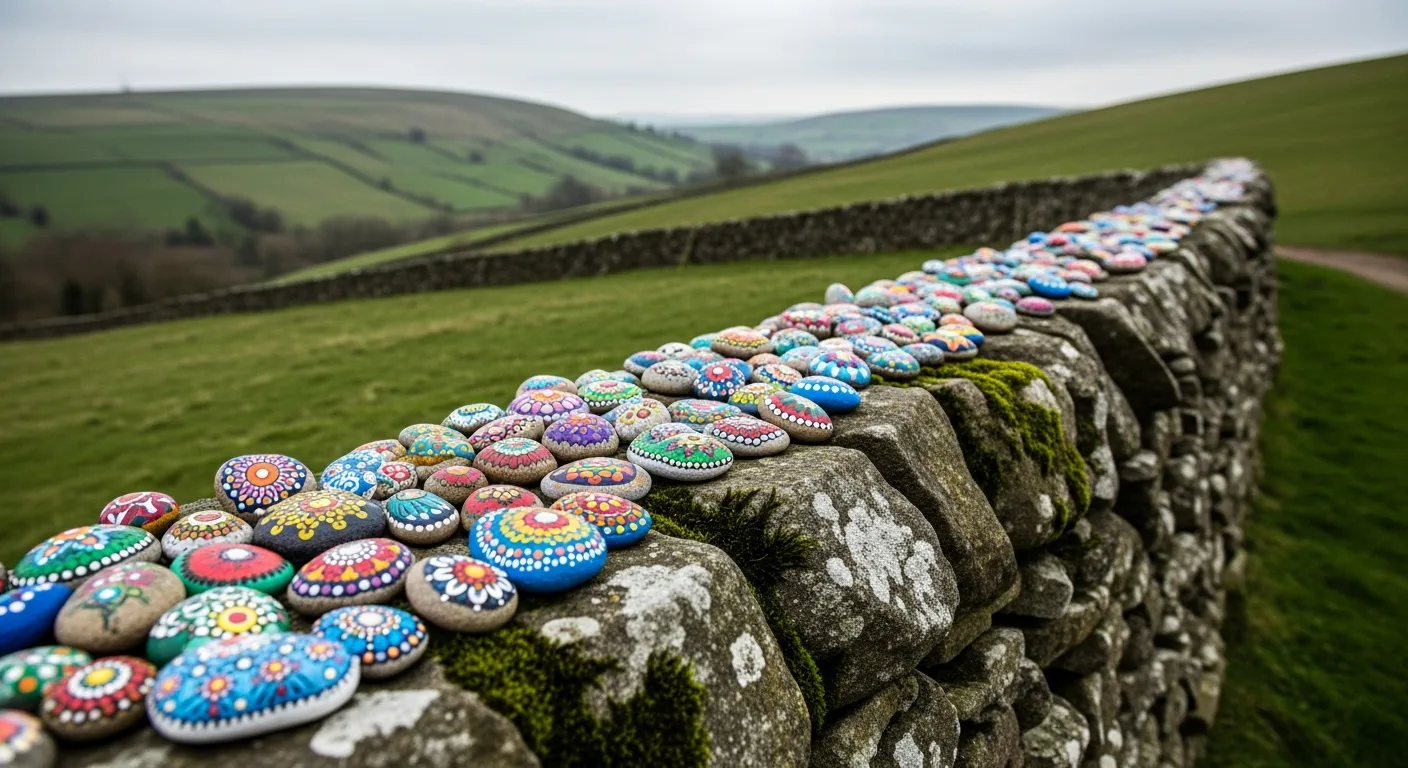
Painted rocks (ζωγραφισμένες πέτρες) appear across Aegean harbour steps, ancient olive groves, mountaintop monastery paths and whitewashed island lanes throughout Greece. Popular hide-and-find spots include Anafiotika alleys, Hydra waterfront and Mount Lycabettus, plus playgrounds, botanical gardens and nature reserves. Local communities organise rock-hiding events especially in spring and summer.
5
Featured cities with active ζωγραφισμένες πέτρες communities across Greece
Athens – central parks, riverside walks and main public squares are popular hunting grounds in the capital area.
Thessaloniki – urban green spaces, cultural-quarter paths and waterfront walks host an active ζωγραφισμένες πέτρες community.
Patras – botanical gardens, riverside trails and family playgrounds are reliable hotspots for painted-stone finds.
Heraklion – tree-lined avenues, university campuses and historic-quarter paths attract rock painters from across the region.
Larissa – community parks, neighbourhood benches and old-town squares are favourite locations for both hiding and finding stones.

How to Tag & Track Rocks in Greece
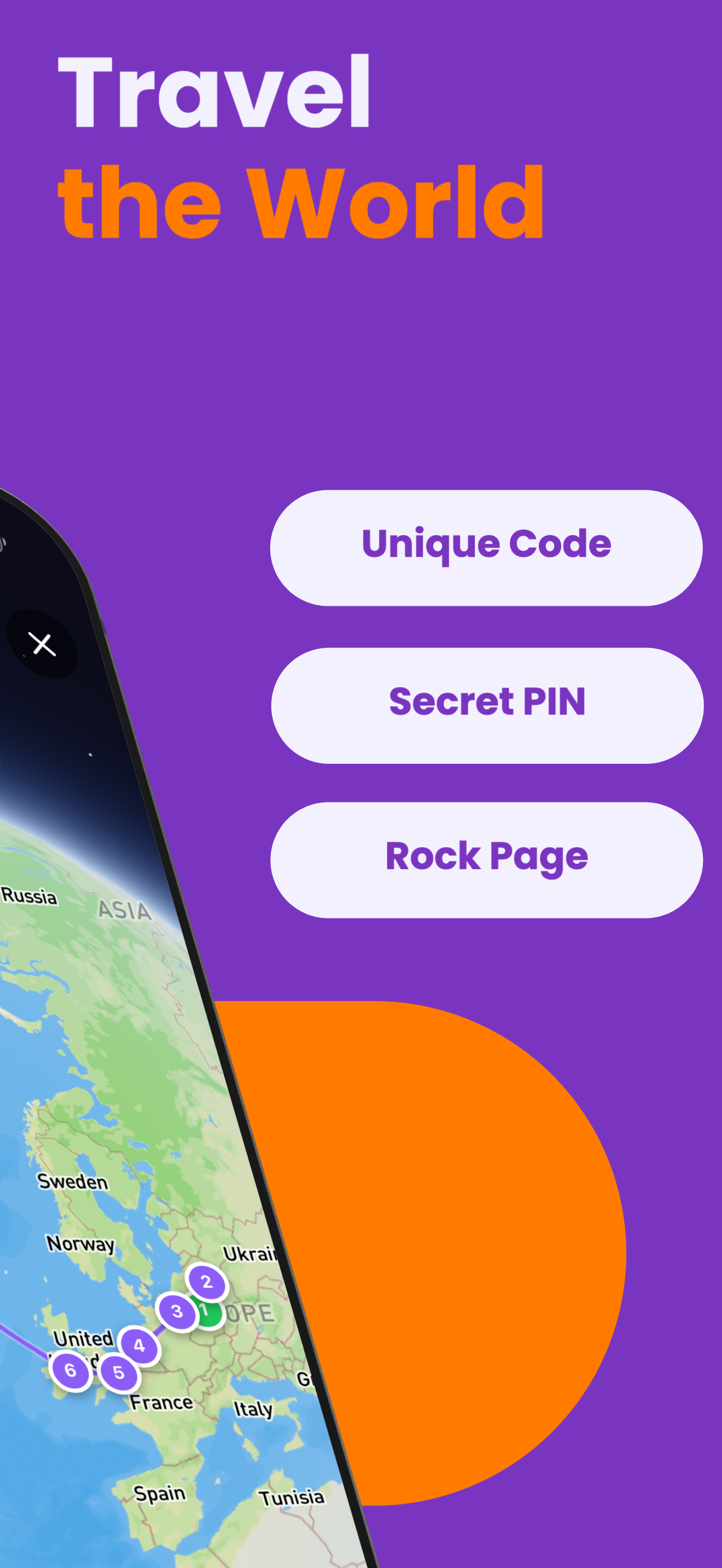
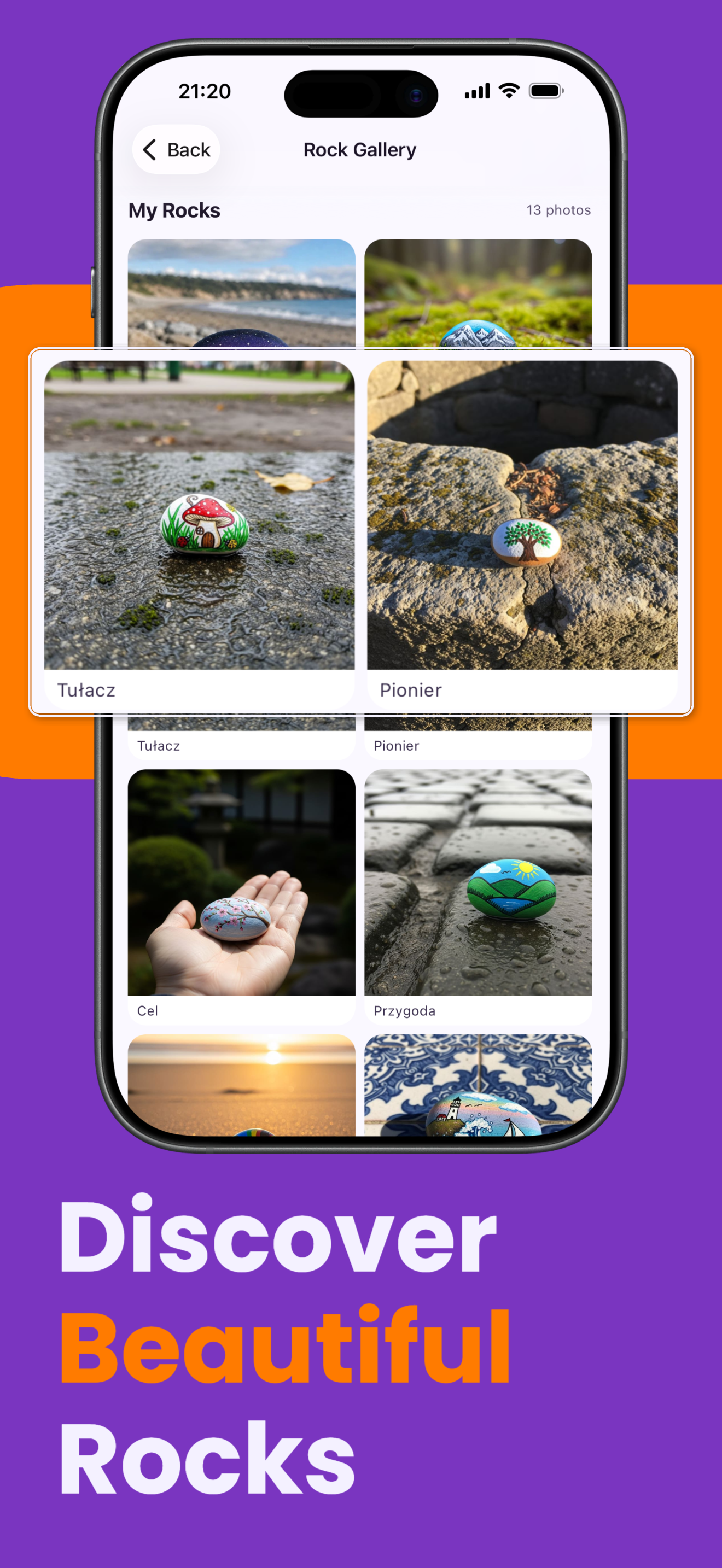
Using RoxGeo to tag your ζωγραφισμένες πέτρες in Greece is simple. Each rock receives a unique 6-character code that connects it to a digital profile, letting you follow its journey from city to city, region to region, and even across borders.
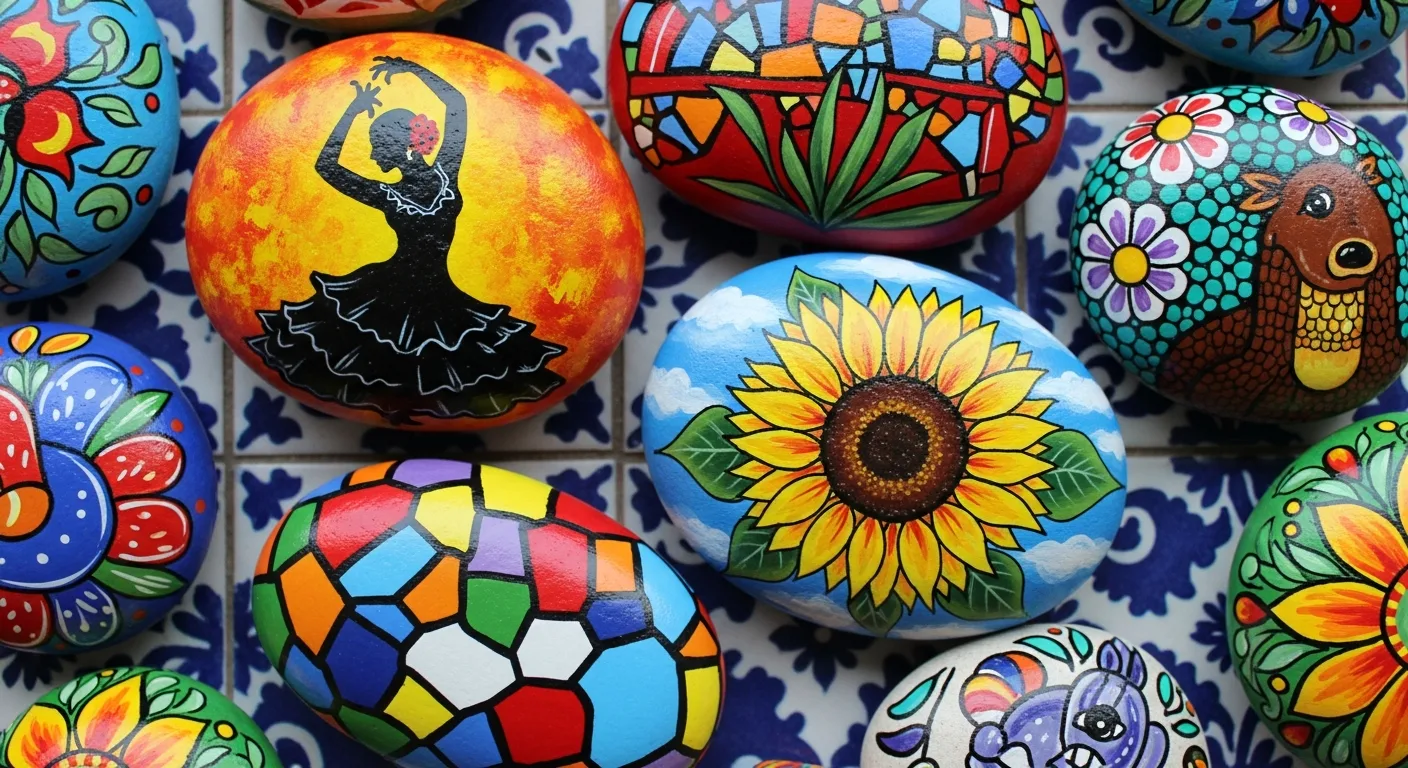
Paint your stone with weatherproof, non-toxic acrylic paint or acrylic markers. Add a unique design that reflects Greek culture – meander key patterns, blue-domed church silhouettes, olive-branch motifs or amphora shapes.
Create a tag in RoxGeo and write the unique code and 4-digit secret PIN on the back of the stone. Apply a clear sealer for weather protection.
Hide the rock in a public place – parks, trails, benches or playgrounds. Make sure it is visible but does not block paths or damage property.
Follow the journey! When someone finds the stone, they enter the code and PIN in RoxGeo to confirm the find. You will see where it travelled and who found it.

Safety & Legality in Greece
Painting and hiding rocks is a family-friendly activity that is broadly legal in public spaces across Greece. Following a few simple guidelines keeps the hobby safe, kind and welcoming.
Use only non-toxic, water-based acrylic paints. Avoid solvent-based paints that can release chemicals into the environment.
Do not place rocks inside protected nature reserves, national parks or archaeological sites without permission. Stick to urban parks and public trails.
Avoid hiding rocks near roads, railway lines or open water where children might be drawn into dangerous areas.
Do not paint or attach anything to existing rock formations, monuments or heritage sites. Use only loose pebbles you have collected lawfully.
The Greek Painted Rocks Community
Greek painters, families and teachers form a growing ζωγραφισμένες πέτρες community across Greece. Athens, Thessaloniki and Cycladic island towns lead the "ζωγραφισμένες πέτρες" movement, with summer-festival hide-and-seeks on Mykonos and Santorini. With RoxGeo you can join the movement and watch your painted stones travel across Greece – and the world.
6
Frequently asked questions answered in our Greece rock painting guide
FAQ
Is it legal to hide painted rocks in Greece?
Hiding painted rocks in public parks and on community trails is generally legal in Greece. Avoid protected areas such as nature reserves, national parks and historical sites. Always use non-toxic materials and never block paths or damage property.
Where are the best places to find ζωγραφισμένες πέτρες in Greece?
The most popular spots are Anafiotika alleys, Hydra waterfront and Mount Lycabettus plus urban parks in Athens and Thessaloniki, and family playgrounds in larger cities. Local Facebook groups and school clubs often announce specific hiding locations and events.
What paint should I use for rocks in Greece?
Use weather-resistant acrylic paint or acrylic paint markers, available in art and DIY shops. Apply a clear acrylic sealer or varnish to protect the design from rain, sun and frost.
Can children take part in painting rocks in Greece?
Absolutely – rock painting is one of the friendliest outdoor family activities in Greece. Use non-toxic paints, supervise younger children and treat it as a creative outing. Many Greek schools include rock painting in art lessons.
How does RoxGeo work for tracking rocks in Greece?
Download the free RoxGeo app, create a tag with a unique 6-character code, paint it on your stone and hide it. When someone finds the rock and enters the code and PIN, you will be notified and can follow its journey on a map.
Are there painted-rock groups in Greece?
Yes – there are active Facebook groups dedicated to ζωγραφισμένες πέτρες in Greece, plus regional groups in larger cities. Schools, libraries and community centres also organise group painting events.
Helpful Resources
Getting Started with Rock Painting
Painted Rock Rules
Rock Map
Rock Painting Templates & Ideas
RoxGeo Blog
Crowdfunding with Painted Rocks
Painted Rock Tracking
Country Guides
Painted Rocks in Poland
Painted Rocks in the USA
Painted Rocks in the UK
Painted Rocks in Canada
Painted Rocks in Australia
Painted Rocks in Germany
Painted Rocks in France
Painted Rocks in Spain
Painted Rocks in Italy
Painted Rocks in Portugal
Painted Rocks in Netherlands
Painted Rocks in Sweden
Painted Rocks in Czechia
Painted Rocks in Hungary
Painted Rocks in Romania
Painted Rocks in Ukraine
Painted Rocks in Türkiye
Painted Rocks in Brazil
Painted Rocks in Mexico
Painted Rocks in Japan
Painted Rocks in China
Painted Rocks in Denmark
Painted Rocks in Norway
Painted Rocks in Finland
Painted Rocks in Slovakia
Painted Rocks in Bulgaria
Painted Rocks in Croatia
Painted Rocks in Slovenia
Painted Rocks in Estonia
Painted Rocks in Latvia
Painted Rocks in Lithuania
Painted Rocks in Ireland
Painted Rocks in Malta
Painted Rocks in Serbia
Painted Rocks in Bosnia and Herzegovina
Painted Rocks in North Macedonia
Painted Rocks in Albania
Painted Rocks in Iceland
Painted Rocks in Georgia
Painted Rocks in Armenia
Painted Rocks in Azerbaijan
Painted Rocks in Taiwan
Painted Rocks in South Korea
Painted Rocks in the UAE
Painted Rocks in Israel
Painted Rocks in India
Painted Rocks in Indonesia
Painted Rocks in Vietnam
Painted Rocks in Thailand
Painted Rocks in Argentina
Start Your Rock Painting Adventure in Greece
Track & find painted stones across Greece – from Athens to Thessaloniki and beyond.