Painted Rocks in Portugal
Track & find painted stones across Portugal – from Lisbon to Porto and beyond.
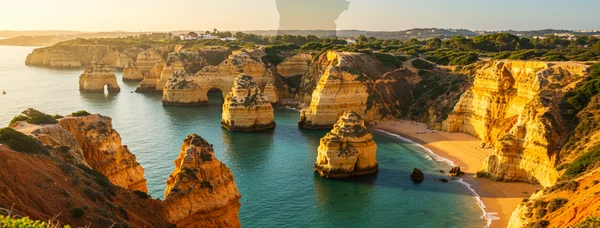
Portugal’s artistic spirit, stunning coastline, and love for outdoor life make it a wonderful setting for the painted rocks movement. Known locally as “pedras pintadas” or “pintar pedras,” the hobby connects families and communities from the Algarve’s golden beaches to the green valleys of the Minho region.
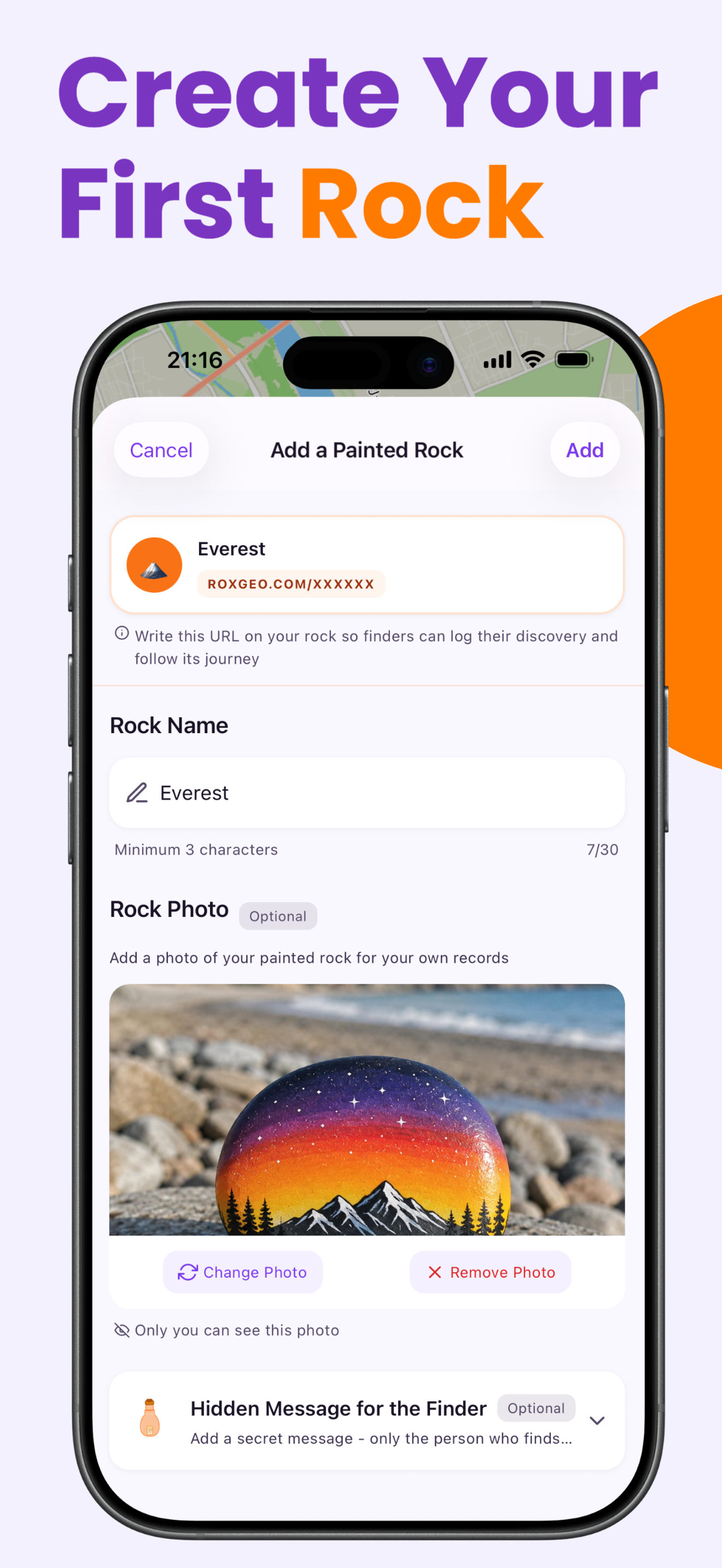
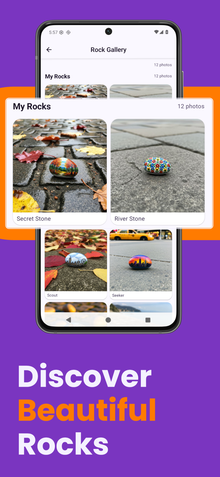
With RoxGeo, you can tag your pedras pintadas with a unique tracking code and follow their journey across Portugal and beyond. Whether you’re painting pebbles on a beach in the Algarve or searching for hidden treasures in Lisbon’s Monsanto Forest Park, RoxGeo makes every passeio an adventure.
Where to Find Painted Rocks in Portugal
Pedras pintadas can be found in parks, along coastal paths, on hiking trails, and in public gardens throughout Portugal. Popular spots include urban parks, praias, trilhos pedestres, and jardins públicos. Community groups organise rock-hiding events, especially during spring and summer months.
5
Featured cities with active pedras pintadas communities across Portugal
Lisbon – Parque das Nações, Monsanto Forest Park, Jardim da Estrela, and the Tagus riverfront are popular rock-hunting spots in the capital.
Porto – Parque da Cidade, Jardim do Palacio de Cristal, Parque de Serralves, and the Douro riverbanks host an active pedras pintadas community.
Faro – Ria Formosa natural park surroundings, Jardim Manuel Bívar, and Algarve coastal trails are hotspots for painted stone finders.
Coimbra – Jardim Botânico, Parque Verde do Mondego, Penedo da Saudade, and the Mondego riverside attract rock painters from central Portugal.
Braga – Parque da Ponte, Jardim de Santa Bárbara, Bom Jesus do Monte gardens, and the Cávado riverbanks are favourite locations for pedras pintadas in the Minho.

How to Tag & Track Rocks in Portugal
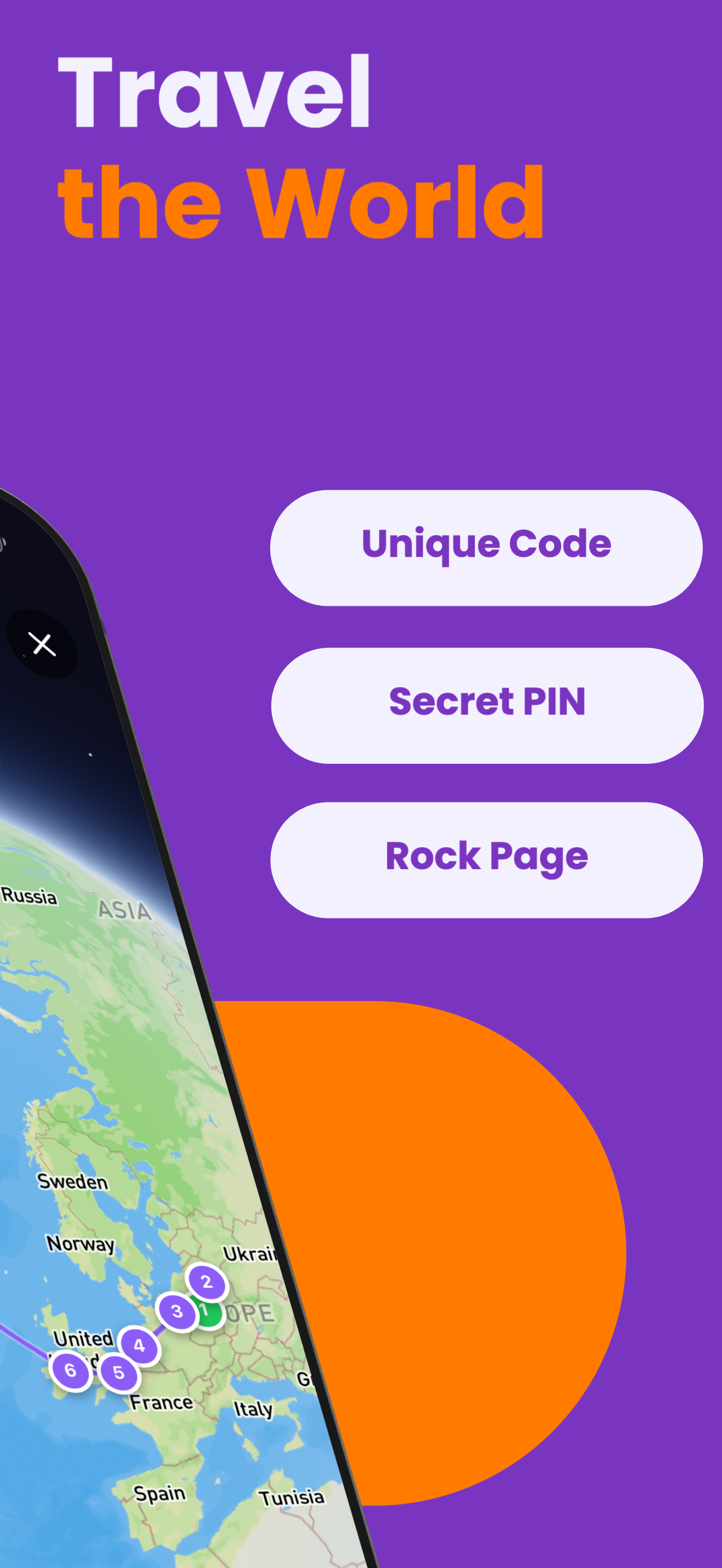
Using RoxGeo to tag your pedras pintadas in Portugal is simple. Each rock gets a unique 6-character code that connects it to a digital profile, allowing you to track its journey from cidade to cidade, distrito to distrito, or across borders into Spain.
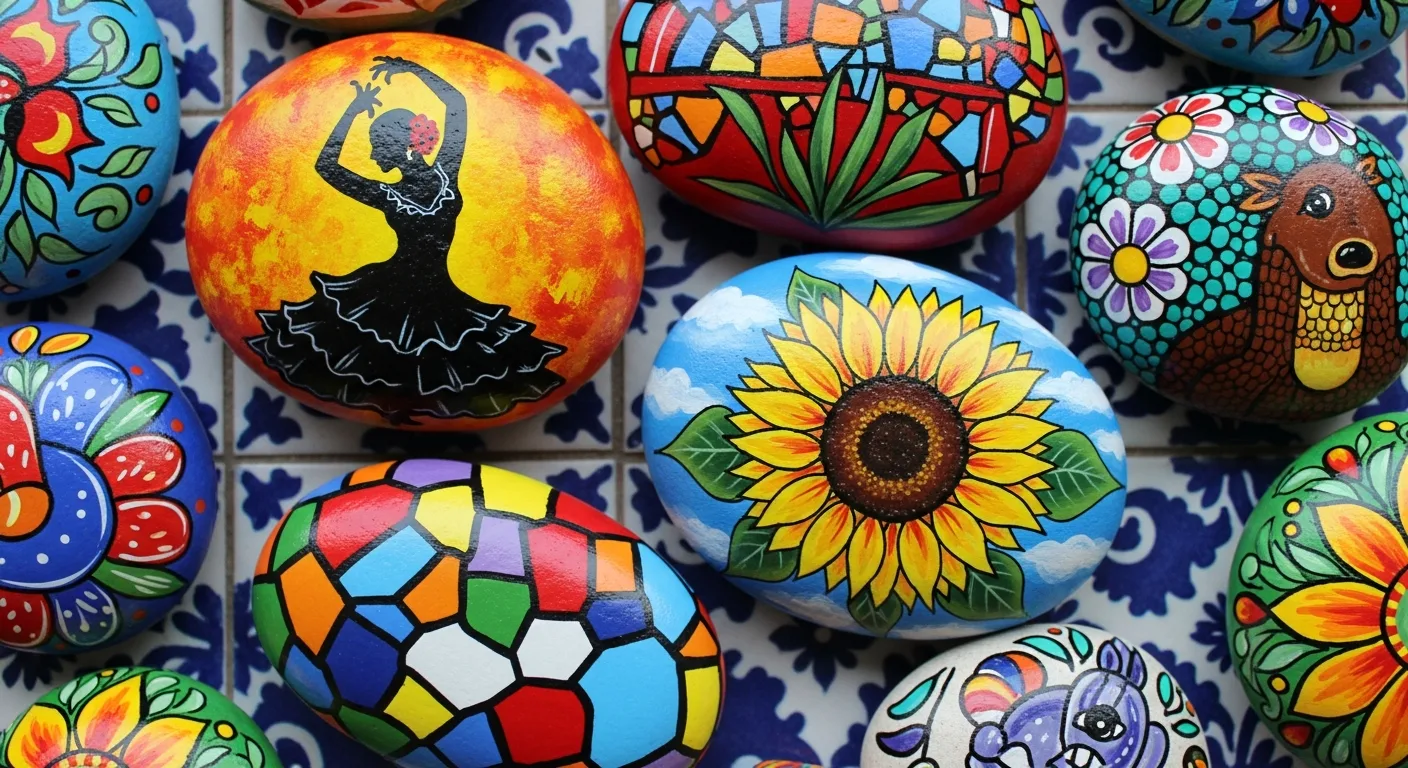
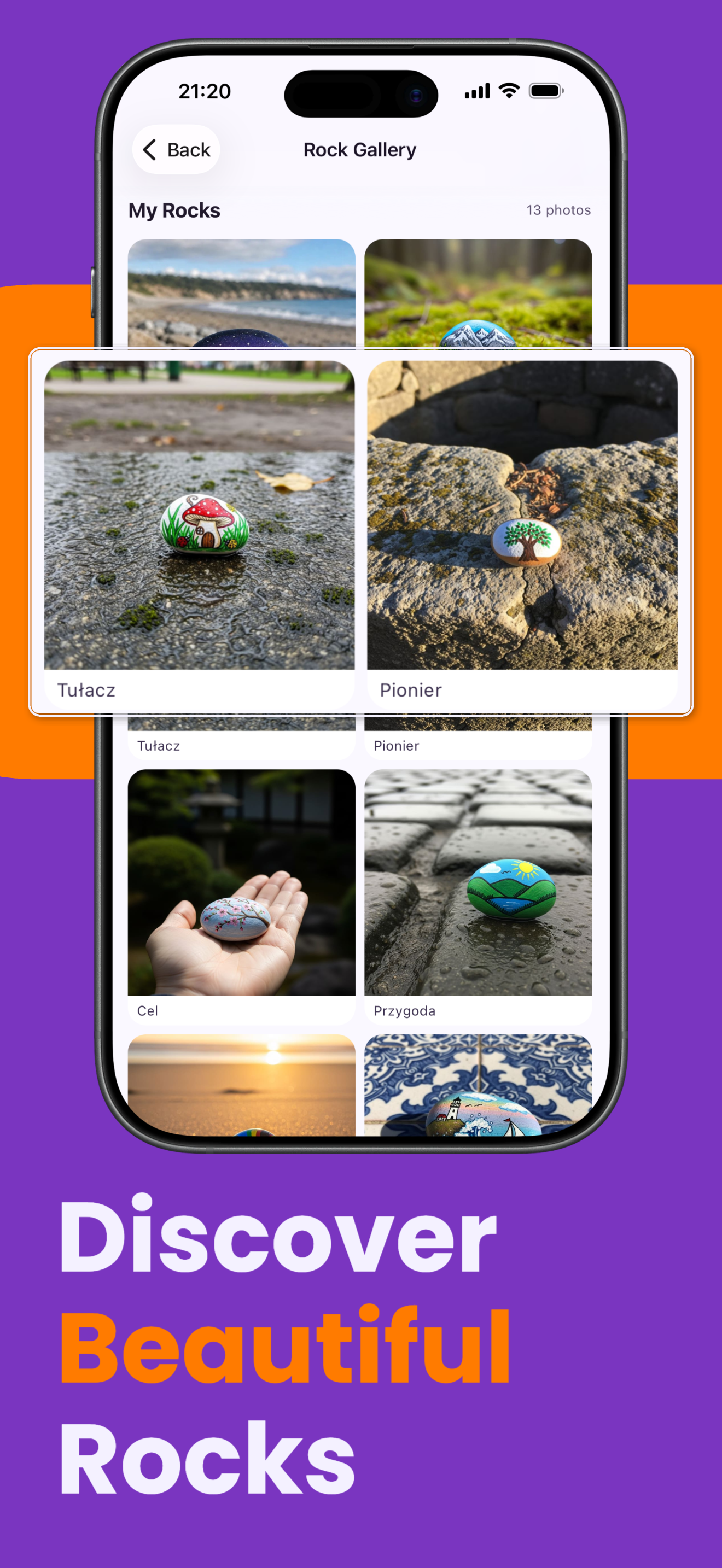
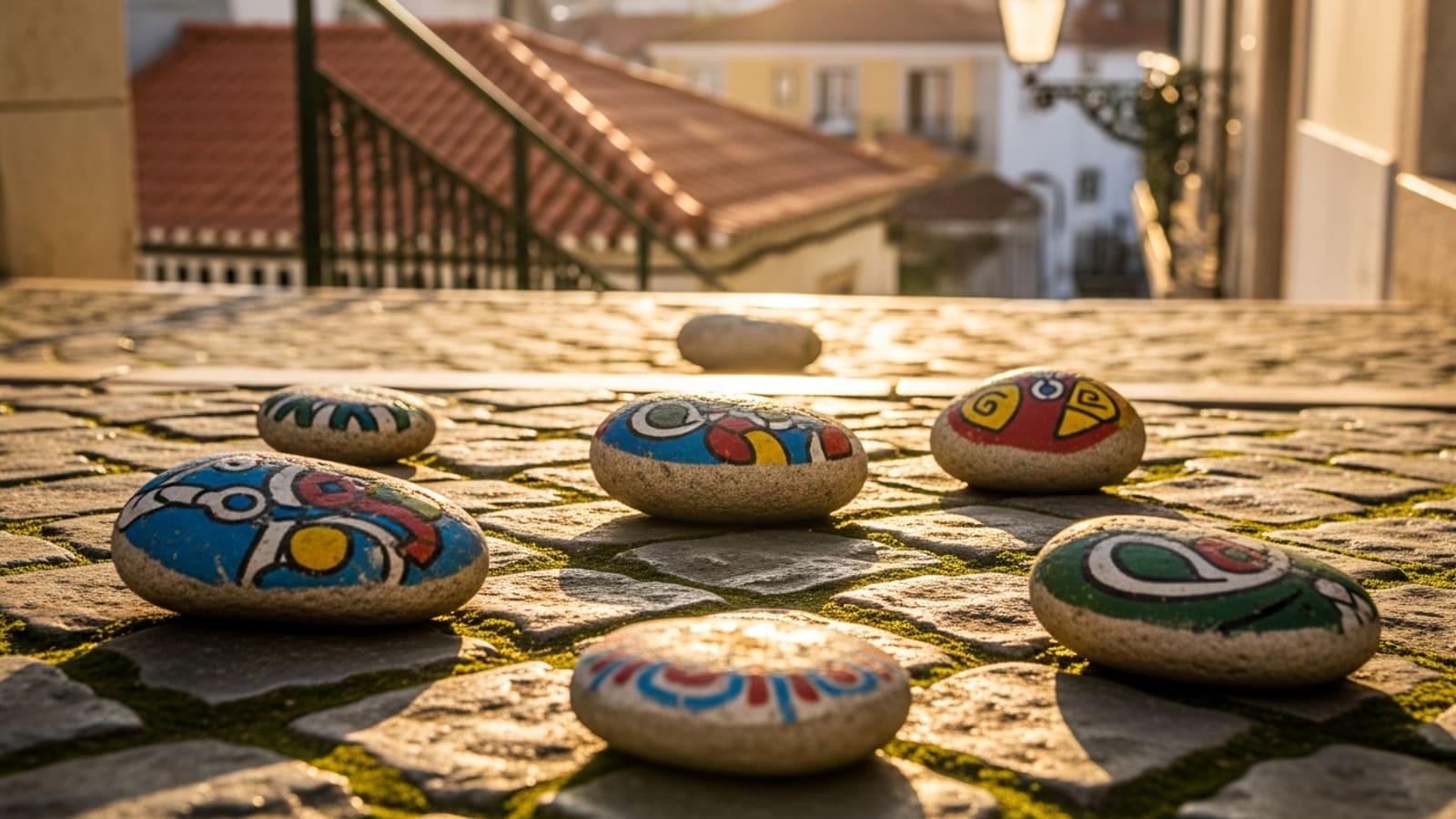
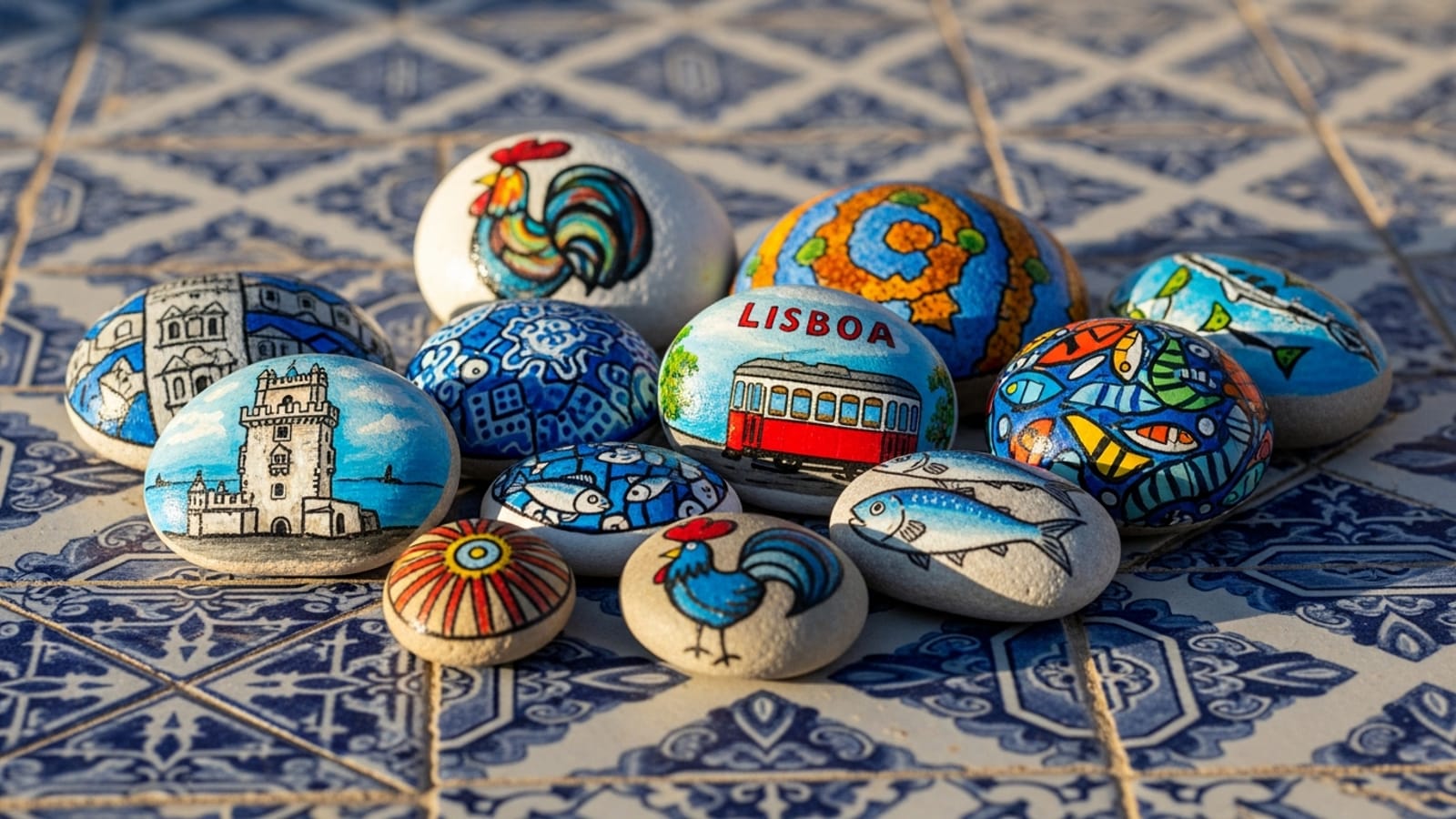
Paint your pedra with weatherproof acrylic paint or marcadores acrílicos. Add a unique design – azulejo-inspired patterns, maritime motifs, local landmarks, or colourful Portuguese folk art.
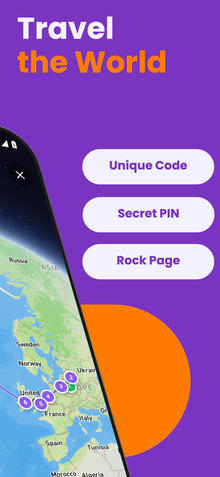
Create a tag in RoxGeo and write the unique code and 4-digit secret PIN on the back of your pedra. Apply a clear verniz for weather protection.
Hide your pedra in a public place – parques, trilhos, benches, or playgrounds. Make sure it’s visible but not obstructing pathways.
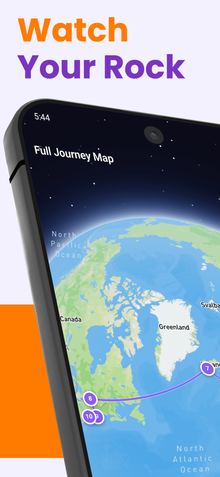
Track your rock’s journey! When someone finds it, they enter the code and PIN on RoxGeo to confirm the find. You’ll see where it traveled and who found it.

Safety & Legality in Portugal
Rock painting and hiding is a family-friendly activity that’s legal in public spaces across Portugal. Following a few simple guidelines ensures everyone can enjoy the hobby safely and responsibly.
Use only non-toxic, water-based acrylic paints (tintas acrílicas à base de água). Avoid solvent-based paints that may harm the environment.
Never place rocks in parques nacionais or reservas naturais without permission. Stick to urban parks (parques públicos) and public trails.
Avoid hiding rocks near roads, railway tracks (linhas férreas), or bodies of water where children might venture into dangerous areas.
Do not paint or attach anything to existing rock formations, historical monuments, or protected heritage sites. Only use collected loose stones.
The Portuguese Painted Rocks Community
Portugal’s pedras pintadas community is growing steadily. Facebook groups like “Pedras Pintadas Portugal” connect rock painters and finders across the country. Schools incorporate pintar pedras into aulas de arte and outdoor education. Community events at festas populares and mercädos bring families together. Coastal communities from the Algarve to the Costa Vicentina are especially active, with smooth Atlantic pebbles providing perfect canvases. With RoxGeo, join the movement and see your pedras travel across Portugal – and the world.
6
Frequently asked questions answered in our Portugal rock painting guide
FAQ
Is it legal to hide painted rocks in Portugal?
Yes, hiding painted rocks in public parks and trails is legal in Portugal. Avoid parques nacionais and reservas naturais. Always use non-toxic materials and don’t obstruct pathways or damage property.
Where are the best places to find pedras pintadas in Portugal?
The most popular spots include city parks in Lisbon (Monsanto), Porto (Parque da Cidade), and Algarve coastal trails. Beach areas from the Costa Vicentina to the Algarve are especially popular. Check local Facebook groups for hiding events.
What paint should I use for rocks in Portugal?
Use tintas acrílicas or marcadores acrílicos (acrylic markers), available at AKI, Leroy Merlin, Tiger, or lojas de arte. Apply clear verniz for weather and UV protection – essential in the Portuguese sun.
Can children participate in painting pedras?
Claro que sim! Pintar pedras is a wonderful family activity in Portugal. Use non-toxic paints, supervise younger children, and make it a fun outdoor activity. Many Portuguese escolas incorporate rock painting into their curriculum.
How does RoxGeo work for tracking rocks in Portugal?
Download the free RoxGeo app, create a tag with a unique 6-character code, paint it on your pedra, and hide it. When someone finds your rock and enters the code, you’ll be notified and can track its journey on the map.
Are there painted rock groups in Portugal?
Yes! There are active Facebook groups like “Pedras Pintadas Portugal” and regional groups. Schools, bibliotecas, and centros comunitários also organise group painting events.
Helpful Resources
Getting Started with Rock Painting
Painted Rock Rules
Rock Map
Rock Painting Templates & Ideas
RoxGeo Blog
Crowdfunding with Painted Rocks
Painted Rock Tracking
Family Rock Painting Activities
Country Guides
Painted Rocks in Poland
Painted Rocks in the USA
Painted Rocks in the UK
Painted Rocks in Canada
Painted Rocks in Australia
Painted Rocks in Germany
Painted Rocks in France
Painted Rocks in Spain
Painted Rocks in Italy
Painted Rocks in Netherlands
Painted Rocks in Sweden
Painted Rocks in Czechia
Painted Rocks in Hungary
Painted Rocks in Romania
Painted Rocks in Greece
Painted Rocks in Ukraine
Painted Rocks in Türkiye
Painted Rocks in Brazil
Painted Rocks in Mexico
Painted Rocks in Japan
Painted Rocks in China
Painted Rocks in Denmark
Painted Rocks in Norway
Painted Rocks in Finland
Painted Rocks in Slovakia
Painted Rocks in Bulgaria
Painted Rocks in Croatia
Painted Rocks in Slovenia
Painted Rocks in Estonia
Painted Rocks in Latvia
Painted Rocks in Lithuania
Painted Rocks in Ireland
Painted Rocks in Malta
Painted Rocks in Serbia
Painted Rocks in Bosnia and Herzegovina
Painted Rocks in North Macedonia
Painted Rocks in Albania
Painted Rocks in Iceland
Painted Rocks in Georgia
Painted Rocks in Armenia
Painted Rocks in Azerbaijan
Painted Rocks in Taiwan
Painted Rocks in South Korea
Painted Rocks in the UAE
Painted Rocks in Israel
Painted Rocks in India
Painted Rocks in Indonesia
Painted Rocks in Vietnam
Painted Rocks in Thailand
Painted Rocks in Argentina
Start Your Rock Painting Adventure in Portugal
Track & find painted stones across Portugal – from Lisbon to Porto and beyond.


Start Your Rock Painting Adventure in Portugal
Get RoxGeo FreeActive campaigns in Painted Rocks in Portugal
Recently registered rocks in Painted Rocks in Portugal
#ROXFRANMM
Tiergarten, Berlin
#ROXCYANMM
Viktualienmarkt, München
#ROXYM9MMM
Zamek Królewski, Kraków
#ROX4F9MMM
Długi Targ, Gdańsk
#ROXXR4MMM
通天閣, 大阪
#ROXVY4MMM
東京スカイツリー周辺
#ROXR44MMM
Alfama, Lisboa
#ROXNC7MMM
Obidos, Centro Histórico
#ROXMH3MMM
Fort Tryon Park, New York
#ROXJN3MMM
The Cloisters, New York
#ROXC7XMMM
Arthur's Seat, Edinburgh
#ROX9CYMMM
Victoria Embankment, London
#ROXHVXMMM
Algarve, Lagos
#ROX7HWMMM
Colle Capitolino, Roma
#ROXWYWMMM
Alfama, Lisboa
#ROX3NWMMM
Castello Sforzesco, Milano
#ROXPEVMMM
Rambla del Mar, Barcelona
#ROXYVRMMM
Montmartre, Paris
#ROXV7RMMM
Palacio Real, Madrid
#ROXF3PMMM
Musée d'Orsay, Paris