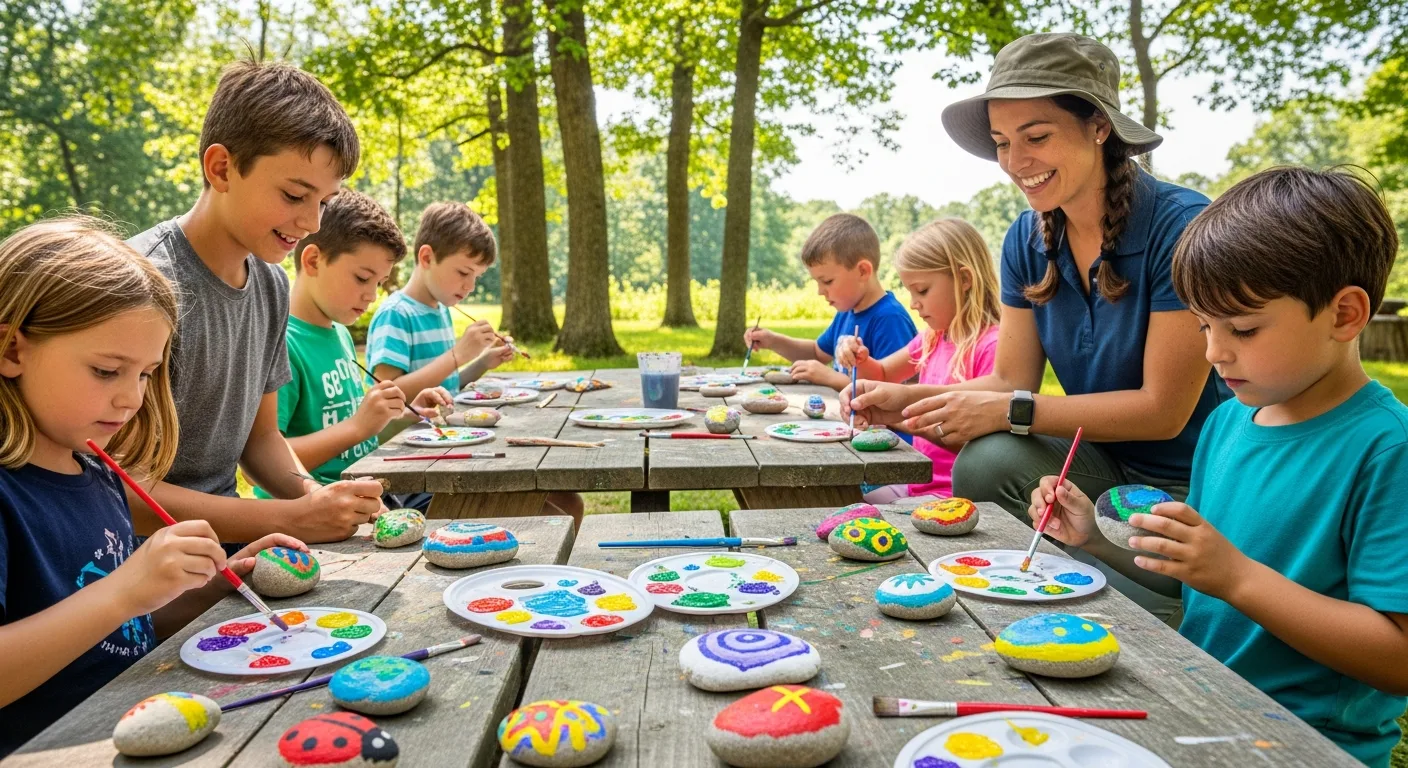
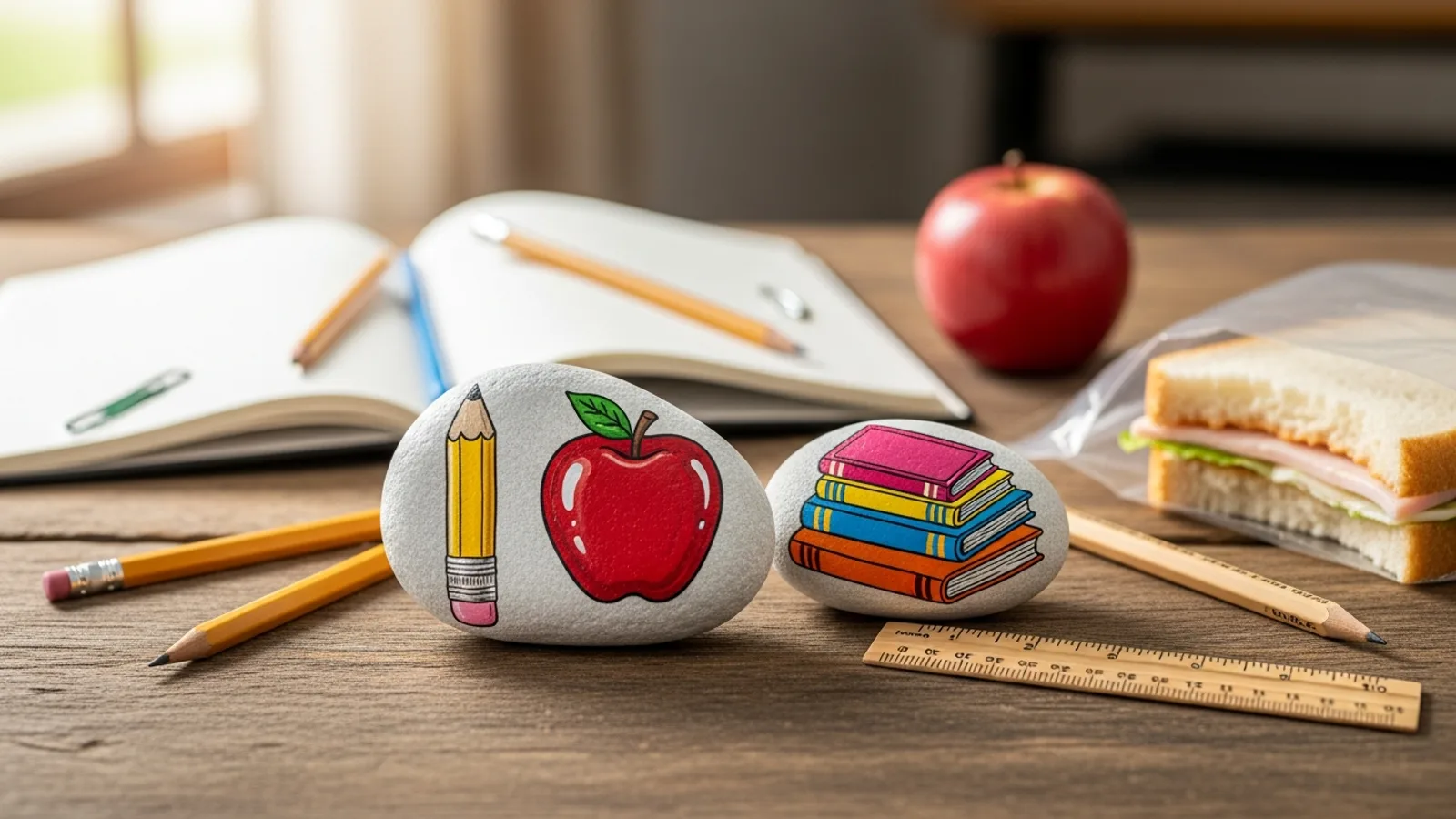
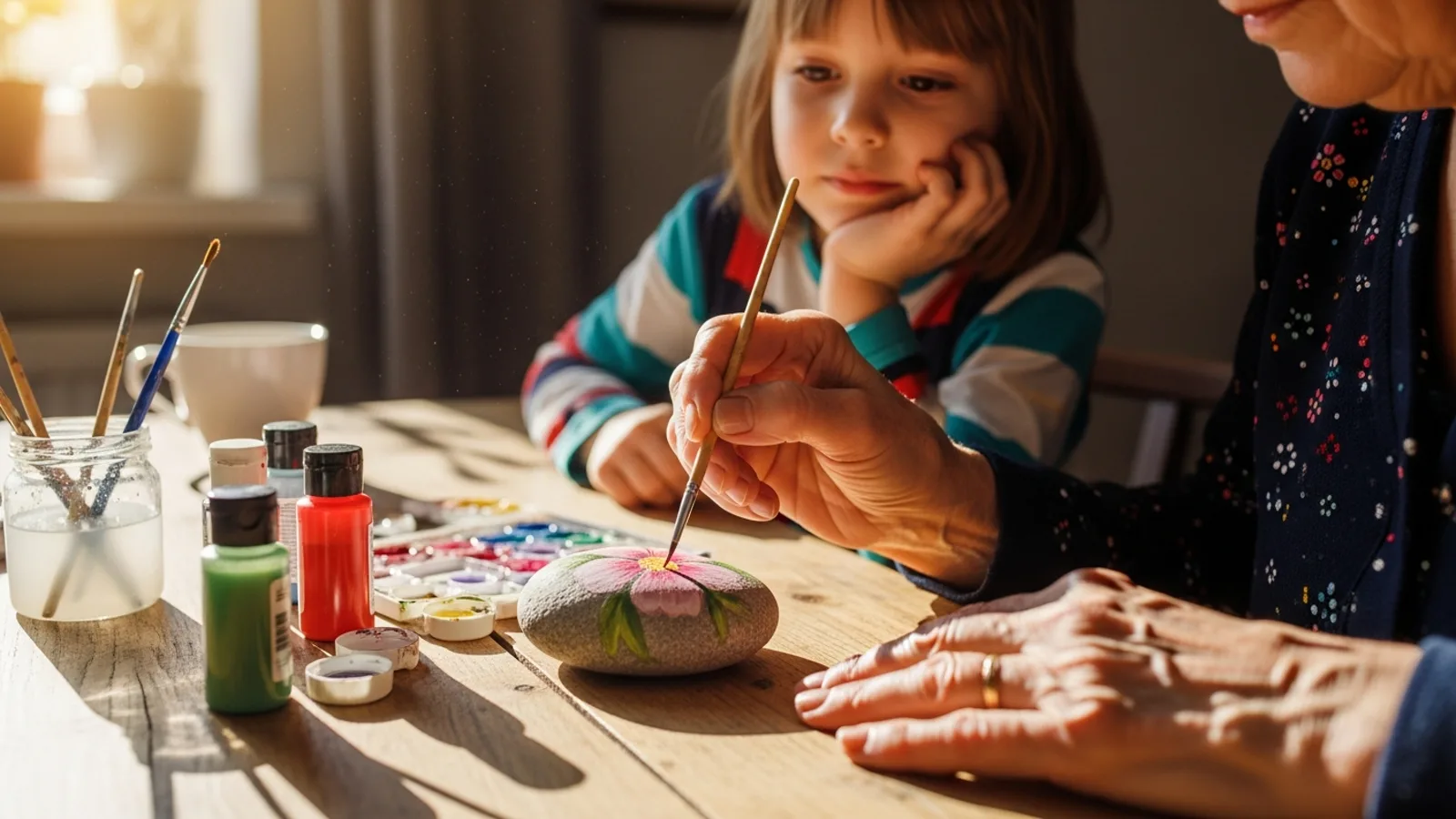
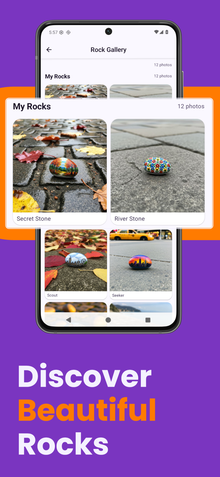
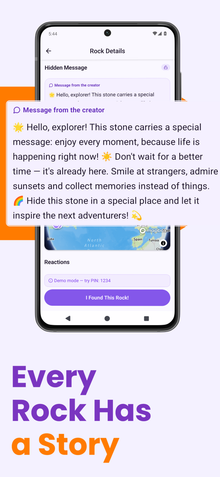
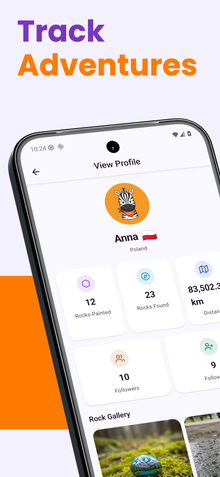
Rock painting in the classroom is a powerful educational tool that engages students across multiple subjects simultaneously. From developing fine motor skills and artistic expression to learning geography, science, and creative writing, a single rock painting project can address numerous curriculum objectives. This teacher's guide provides everything you need to bring rock painting into your classroom successfully.
Why Rock Painting Works in Education
Rock painting is uniquely effective in educational settings because it combines tactile, creative, and intellectual engagement. Students are working with a natural object, transforming it through art, and then participating in a global tracking community. This combination creates deep, multi-sensory learning experiences that students remember long after the lesson ends.
Planning Your Rock Painting Session
Age Considerations
- Ages 5–7: Simple designs - dots, stripes, basic shapes, and solid colours. Focus on motor skill development and colour recognition.
- Ages 8–10: Animal designs, patterns, and themed rocks. Introduce design planning and colour mixing.
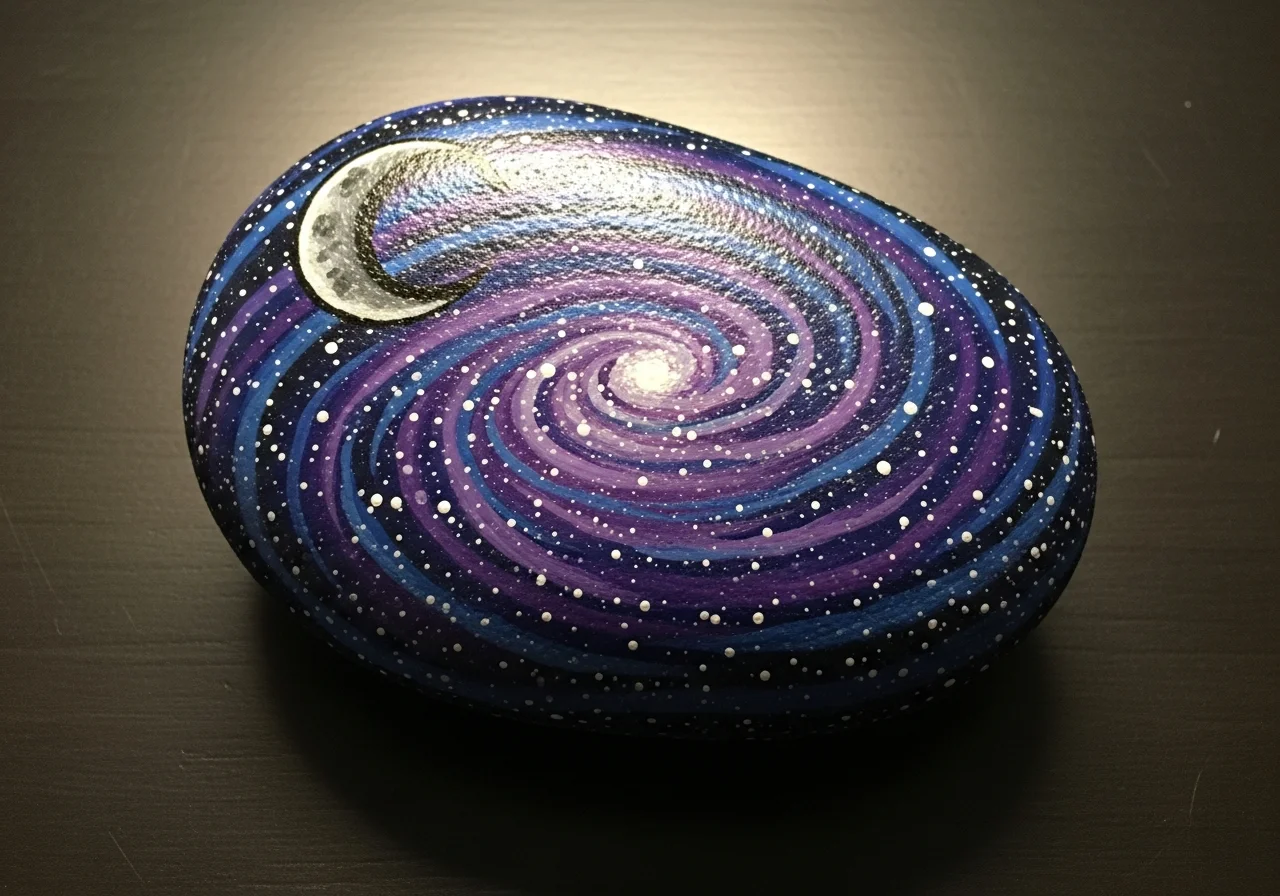
- Ages 11–13: Complex designs, mandala patterns, and multi-step projects. Connect to geography and science curricula.
- Ages 14+: Advanced art techniques, environmental awareness projects, and community engagement through tracking.
Supply List per Student
- 1–3 smooth stones (pre-washed and dried).
- Small set of acrylic paints (primary colours + white + black).
- 2–3 brushes (one fine, one medium).
- Paper plate or palette for mixing.
- Pencil for sketching designs.
- Newspaper or plastic sheet for desk protection.
- Paper towels and water cup for brush cleaning.
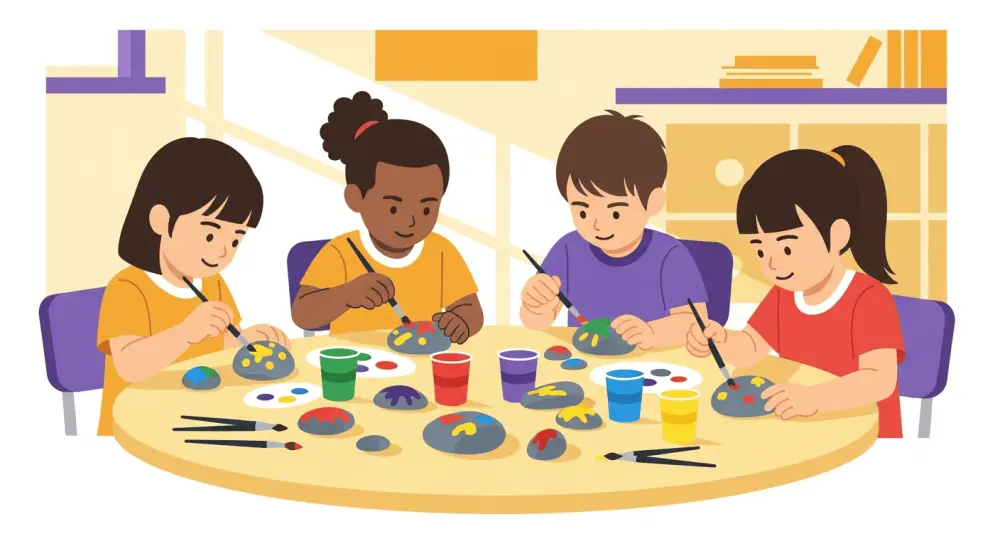
Sample Lesson Plan: 3-Session Project
Session 1: Planning and Base Coats (45 minutes)
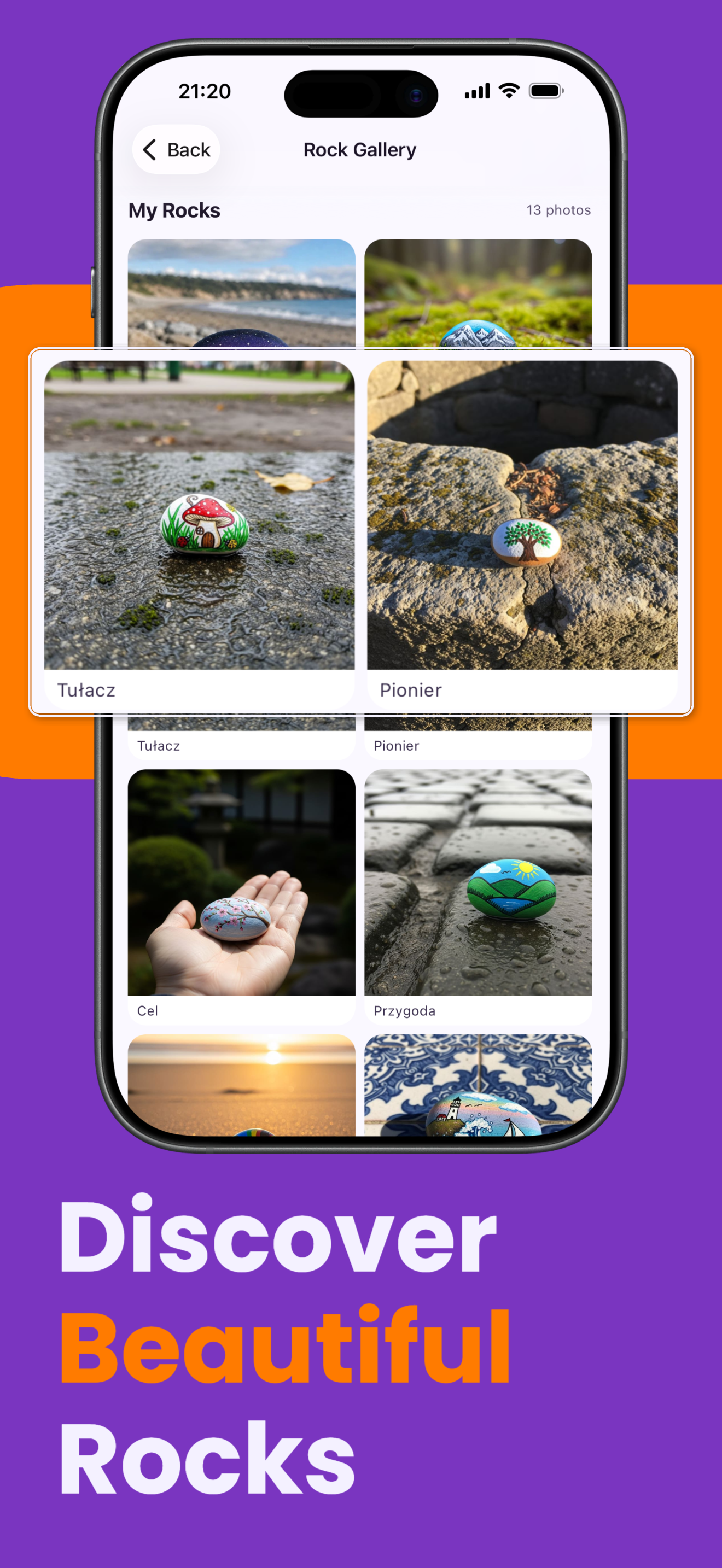
- Introduce rock painting and show examples of painted rocks from around the world.
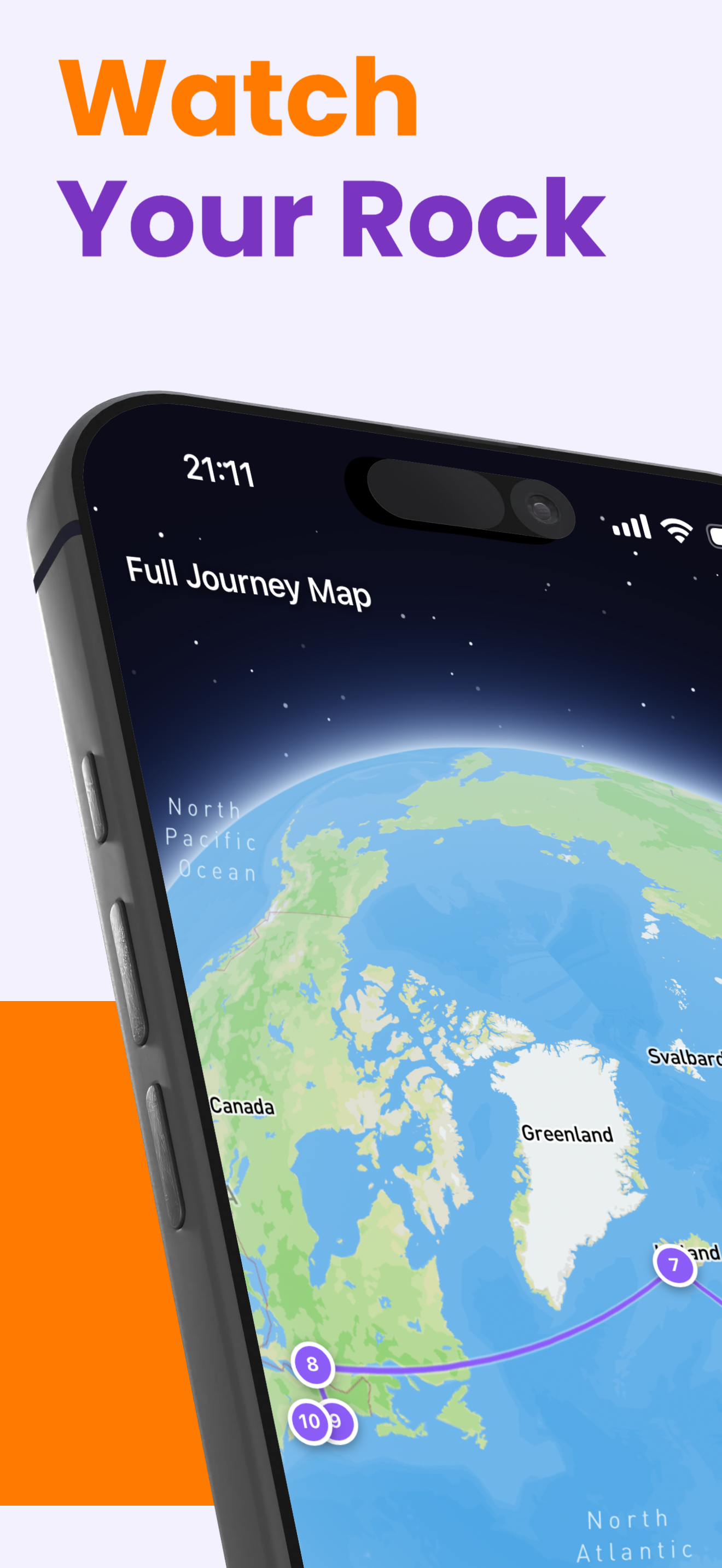
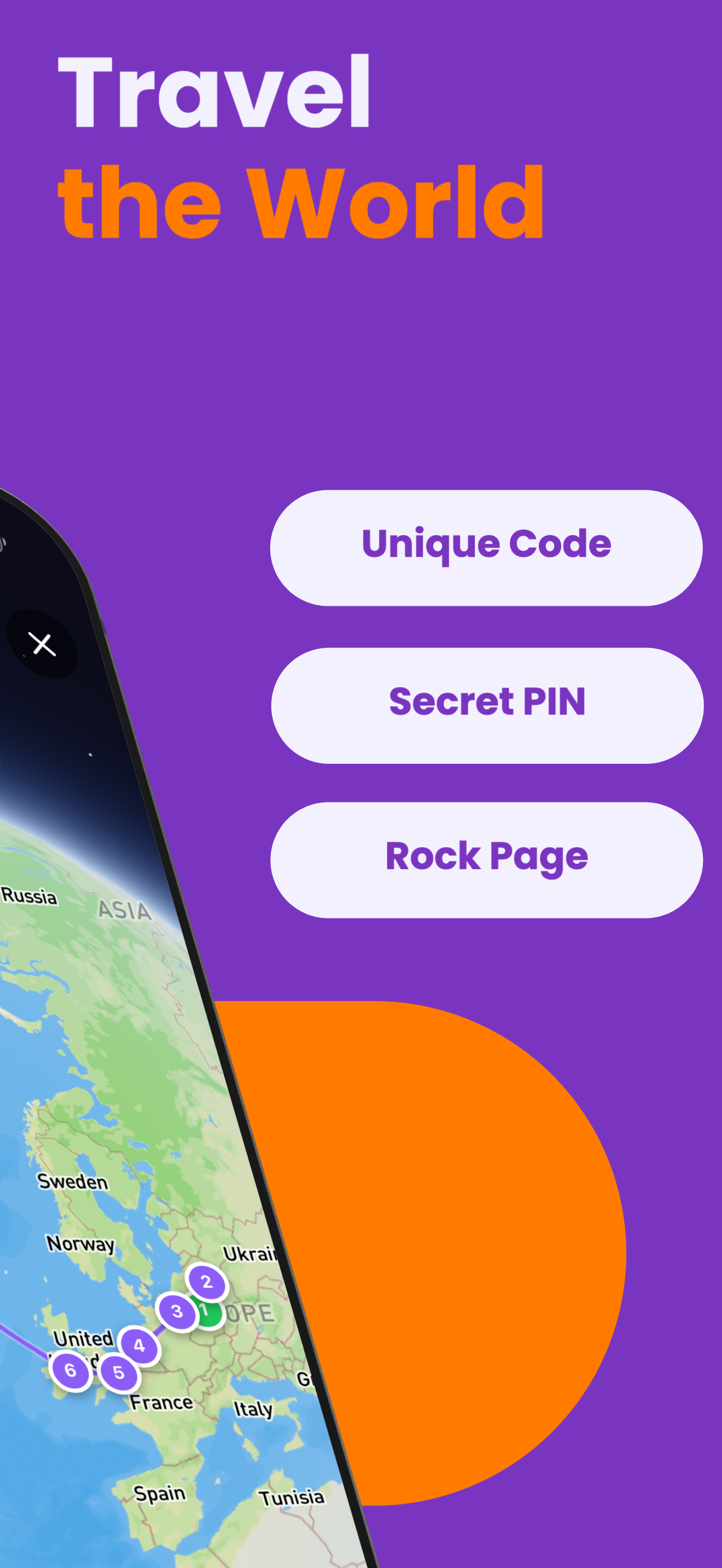
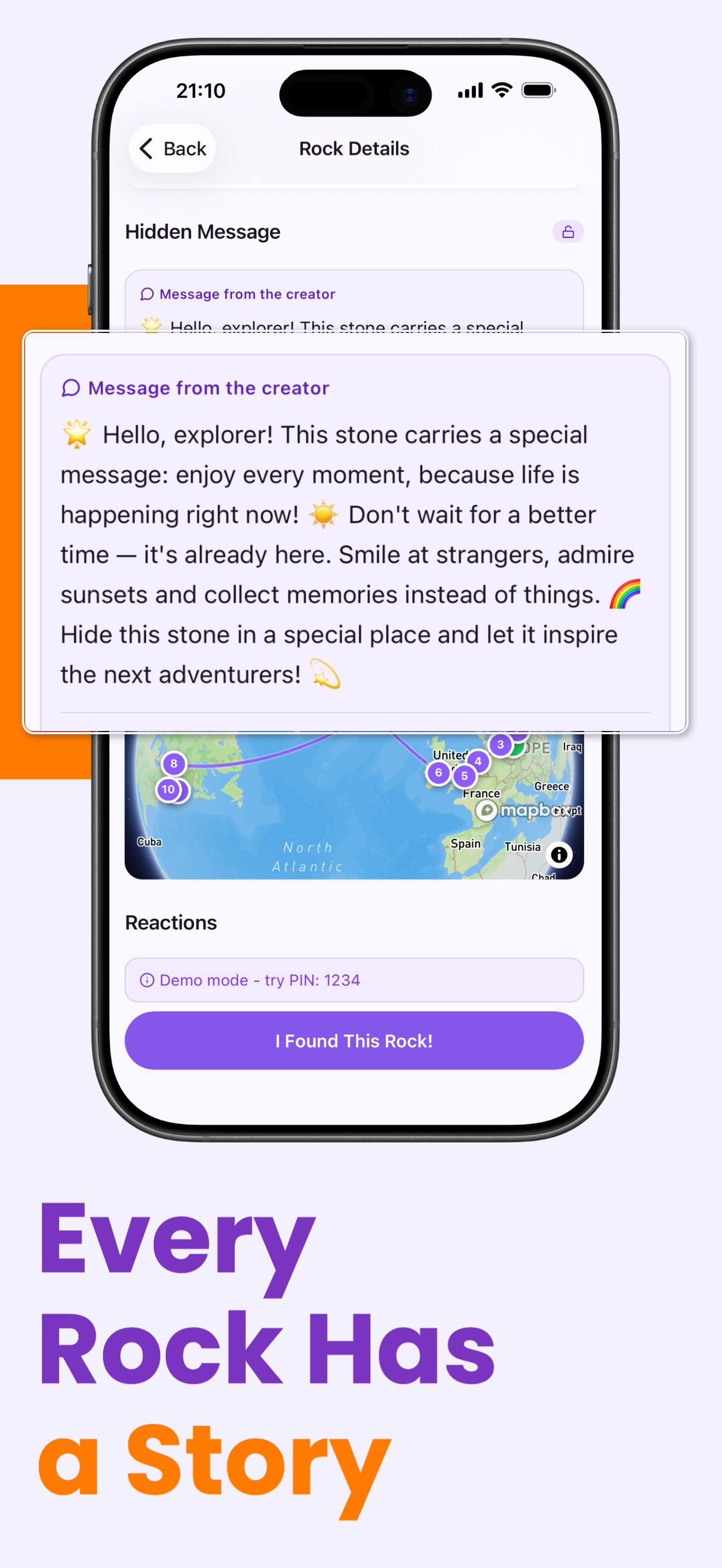
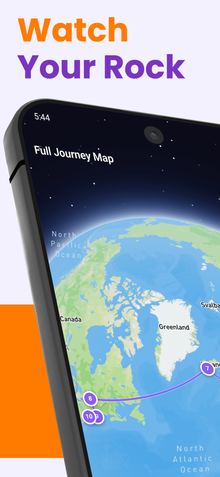
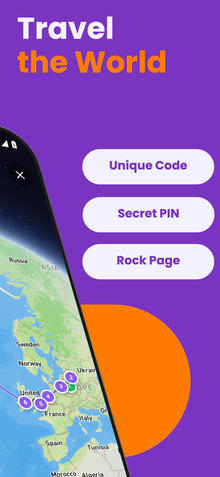
- Discuss the RoxGeo tracking concept - where might your rock travel?
- Students sketch their design ideas on paper.
- Wash and dry stones, then apply white base coats.
- While base coats dry, discuss the geography of rock journeys.
Session 2: Painting (45–60 minutes)
- Students paint their designs on the prepared stones.
- Encourage planning and patience - work from background to foreground.
- Allow time for drying between layers if needed.
- Discuss colour theory, symmetry, and design principles as they work.
Session 3: Sealing, Coding, and Discussion (30 minutes)
- Apply sealant to dried rocks (teacher should handle spray sealant outdoors).
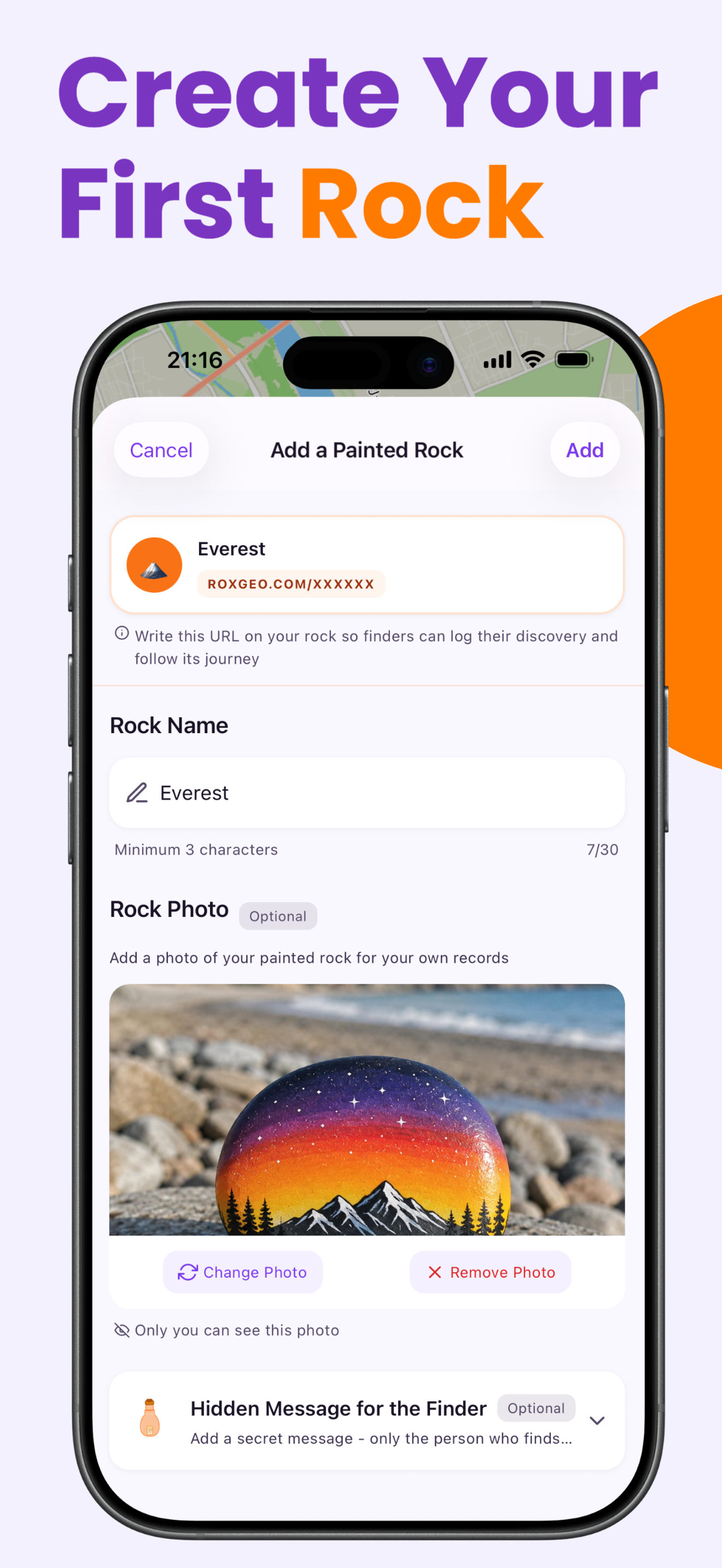
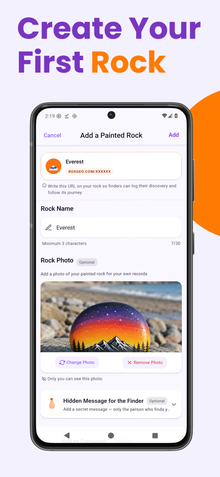
- Register rocks on RoxGeo and write codes on the backs.
- Plan where to hide the rocks as a class field activity.
- Discuss what students hope happens when someone finds their rock.
Curriculum Connections
- Art: Colour theory, design principles, fine motor skills, creative expression.
- Geography: Map reading, tracking journeys, understanding distance and direction.
- Science: Rock types, properties of materials, environmental awareness.
- Mathematics: Measuring distances, calculating travel statistics, symmetry in mandala designs.
- Language Arts: Creative writing about rock journeys, descriptive vocabulary, storytelling.
Safety Considerations
- Use only non-toxic, water-based acrylic paints.
- Provide protective aprons or old shirts for younger students.
- Apply spray sealant outdoors only, away from students.
- Supervise small children with small stones to prevent choking hazards.
- Ensure all materials carry appropriate safety certifications.
Bring the excitement of rock painting and global tracking to your classroom with RoxGeo for Schools. It is free, safe, and designed to inspire the next generation of creative explorers.