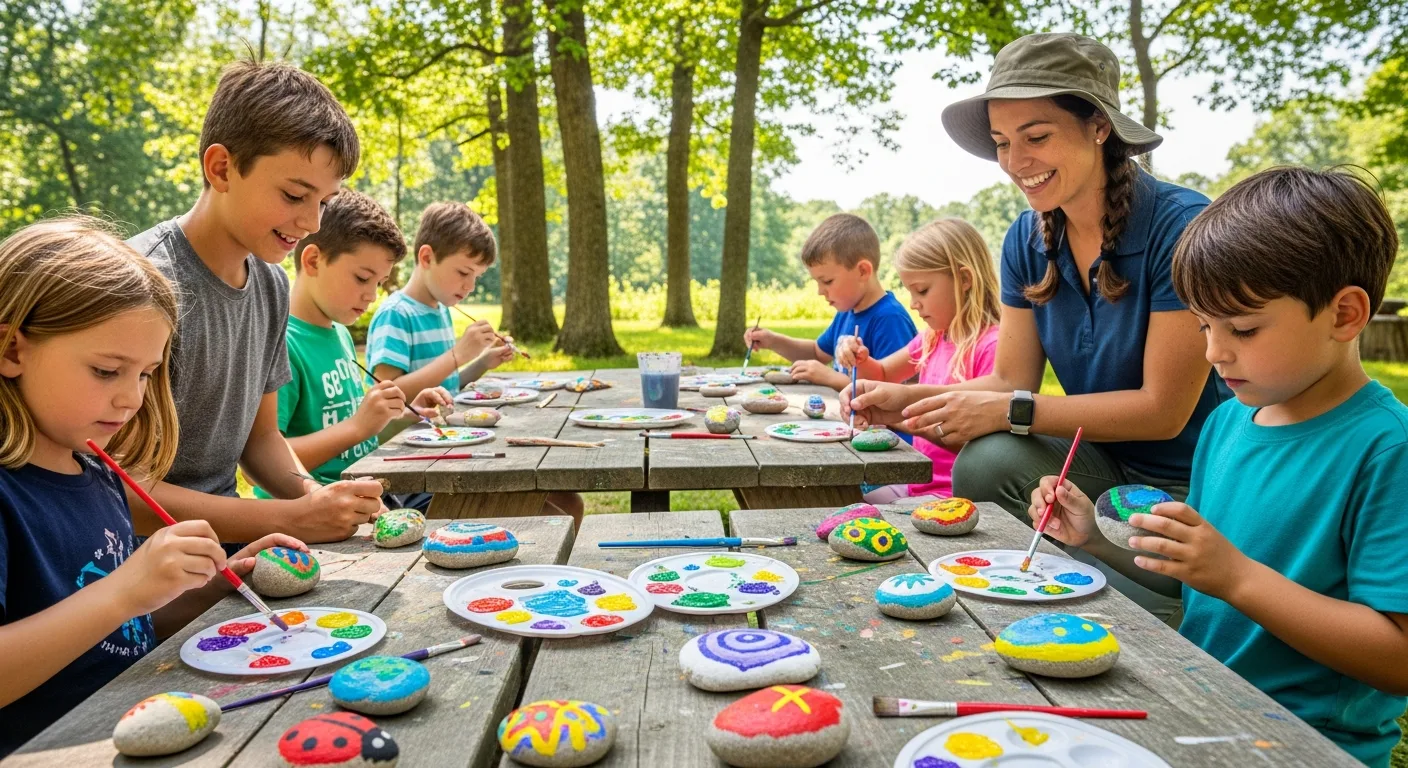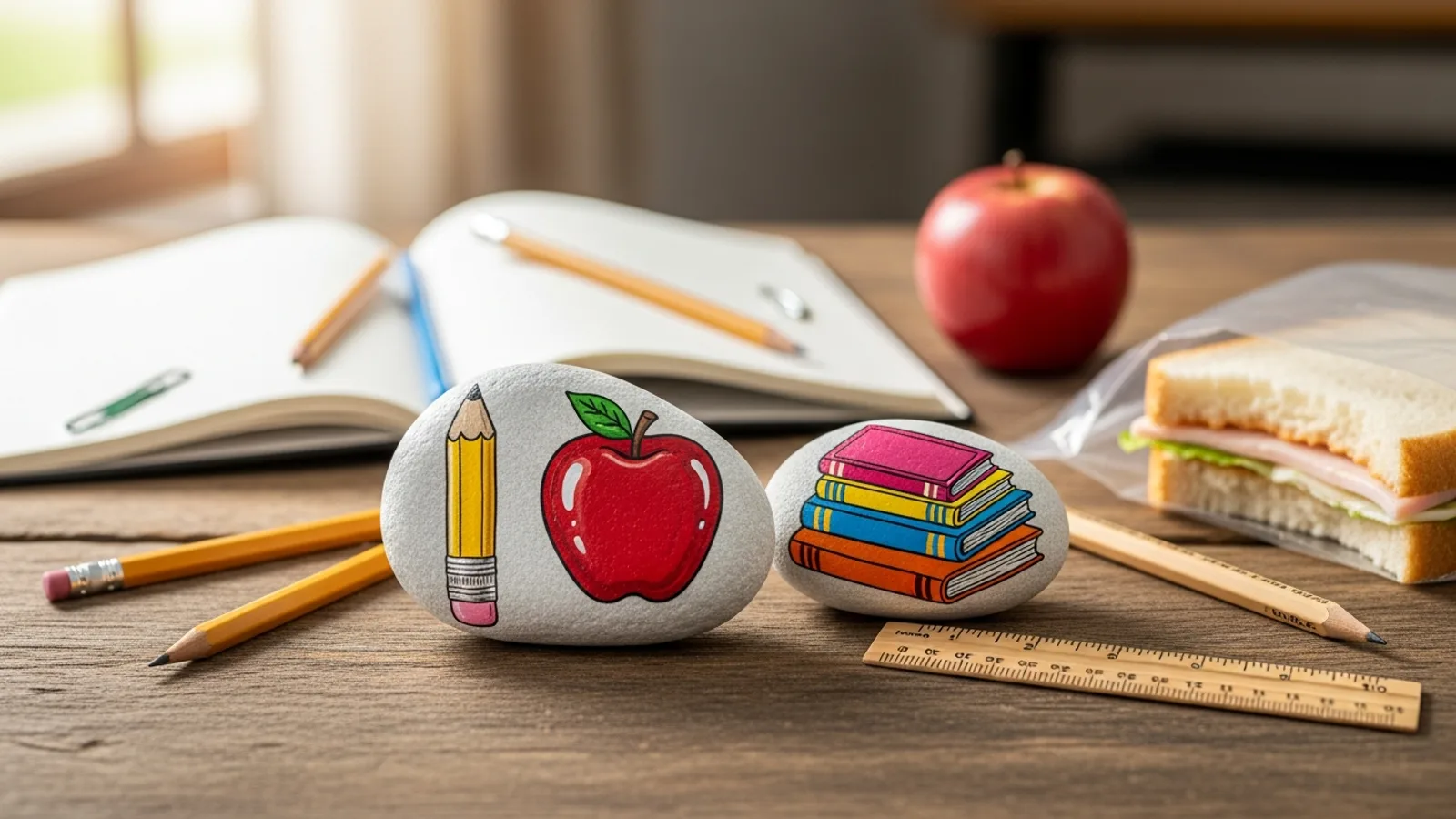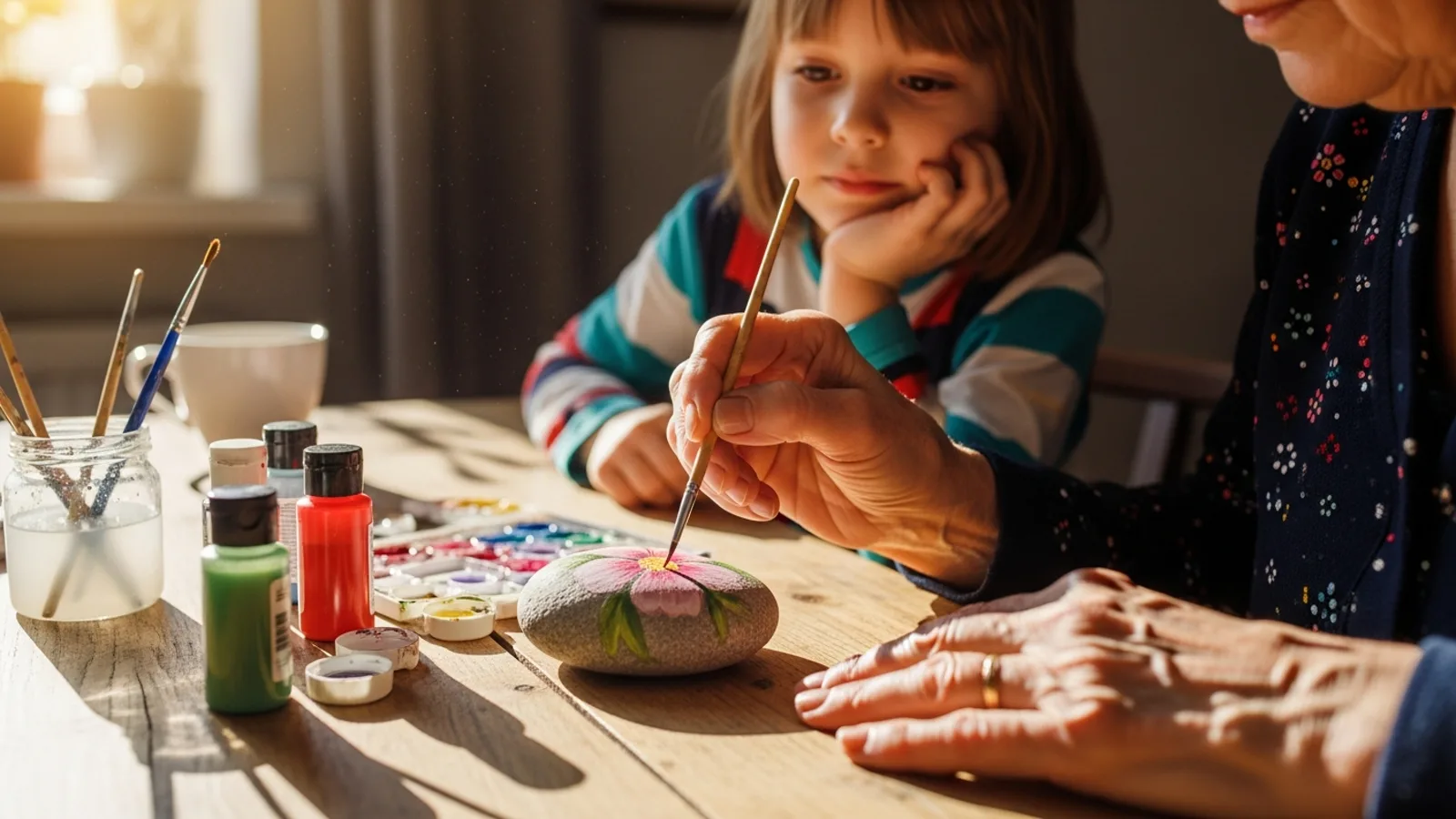
Rock painting is not just art - it is a gateway to hands-on science education. By combining creative painting with scientific inquiry, you can design STEM activities that teach children about geology, chemistry, physics, and data science - all through the humble painted rock. These 8 rock painting science experiments turn craft time into discovery time.
1. Rock Type Identification
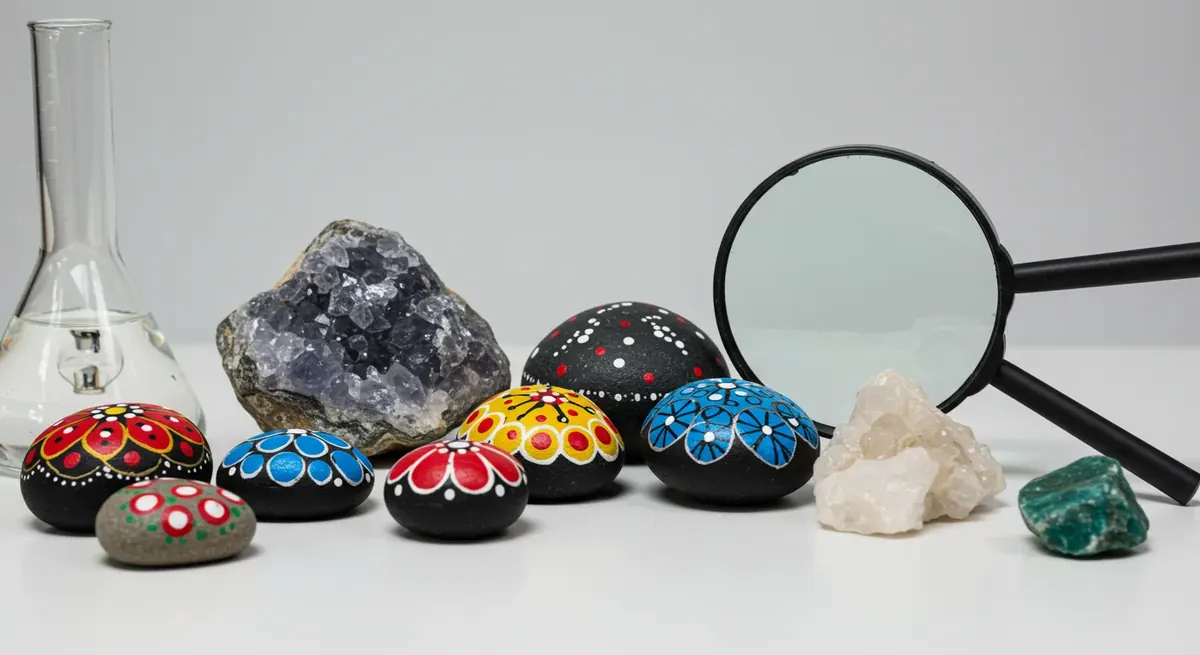
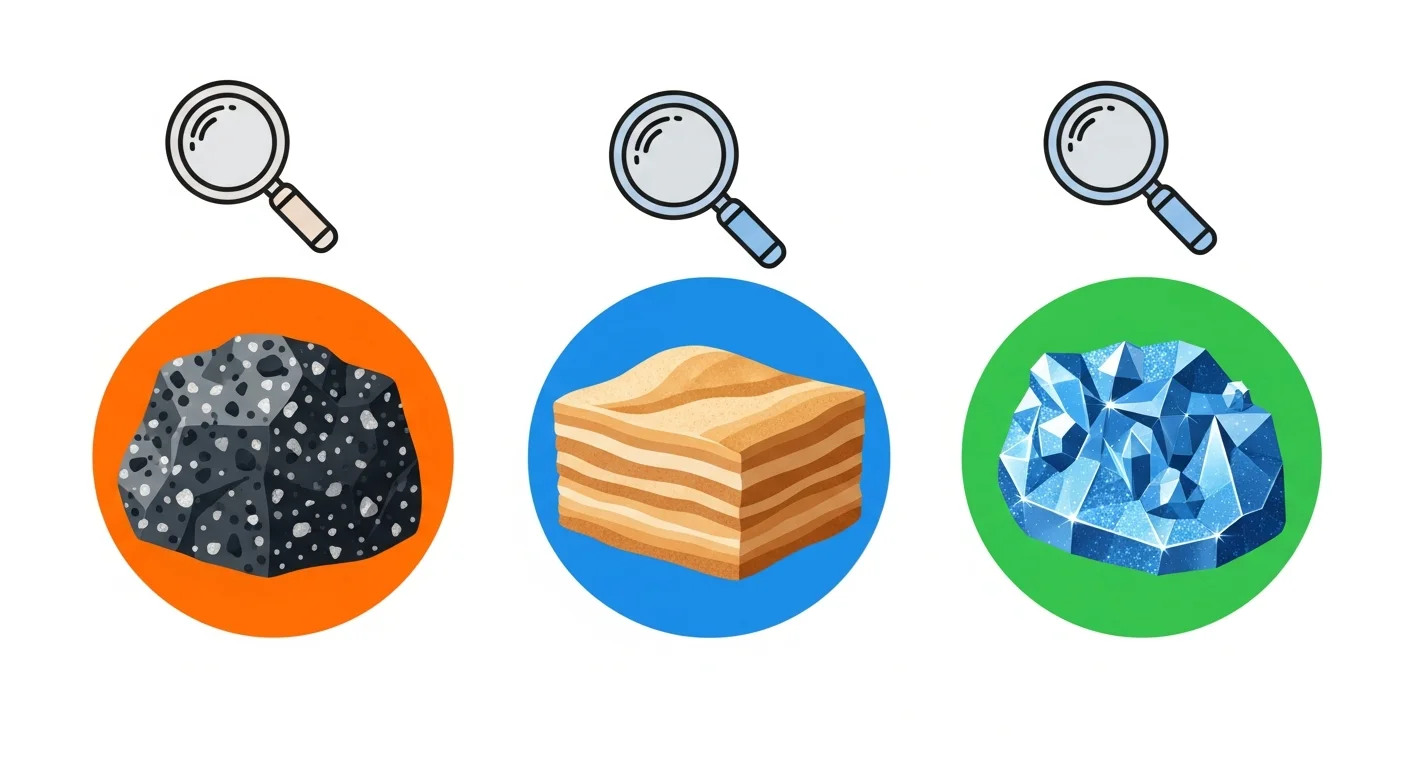
Before painting, examine different rocks with a magnifying glass. Have children sort rocks into three categories: igneous (formed from cooled lava - often dark and speckled), sedimentary (formed from compressed layers - often sandy or layered), and metamorphic (transformed by heat and pressure - often sparkly or banded). Paint each type a different base colour and label them. This teaches basic geology classification.
2. Paint Durability Weather Test
Paint identical designs on three rocks using different paints: washable tempera, standard acrylic, and sealed acrylic. Place all three outdoors in the same spot. Check weekly and photograph changes. Record rainfall and temperature data. After 4 weeks, compare which paint survived best. This teaches the scientific method: hypothesis, controlled variables, observation, and conclusion.
3. Colour Mixing Predictions
Give children only primary colours (red, yellow, blue) plus white and black. Before mixing, ask them to predict what colour combinations will produce. Write predictions on paper, then mix on stones to test. Were predictions correct? What happens when you add white or black to a secondary colour? This explores colour theory through experimentation.
4. Absorption Rate Experiment
Collect five different types of stones. Drop water on each and time how long it takes to absorb or bead up. Porous stones (like sandstone) absorb quickly; dense stones (like basalt) repel water. Discuss how this affects paint application - porous rocks need a base coat sealant first. This teaches material science and properties of matter.
5. Rock Journey Data Tracking
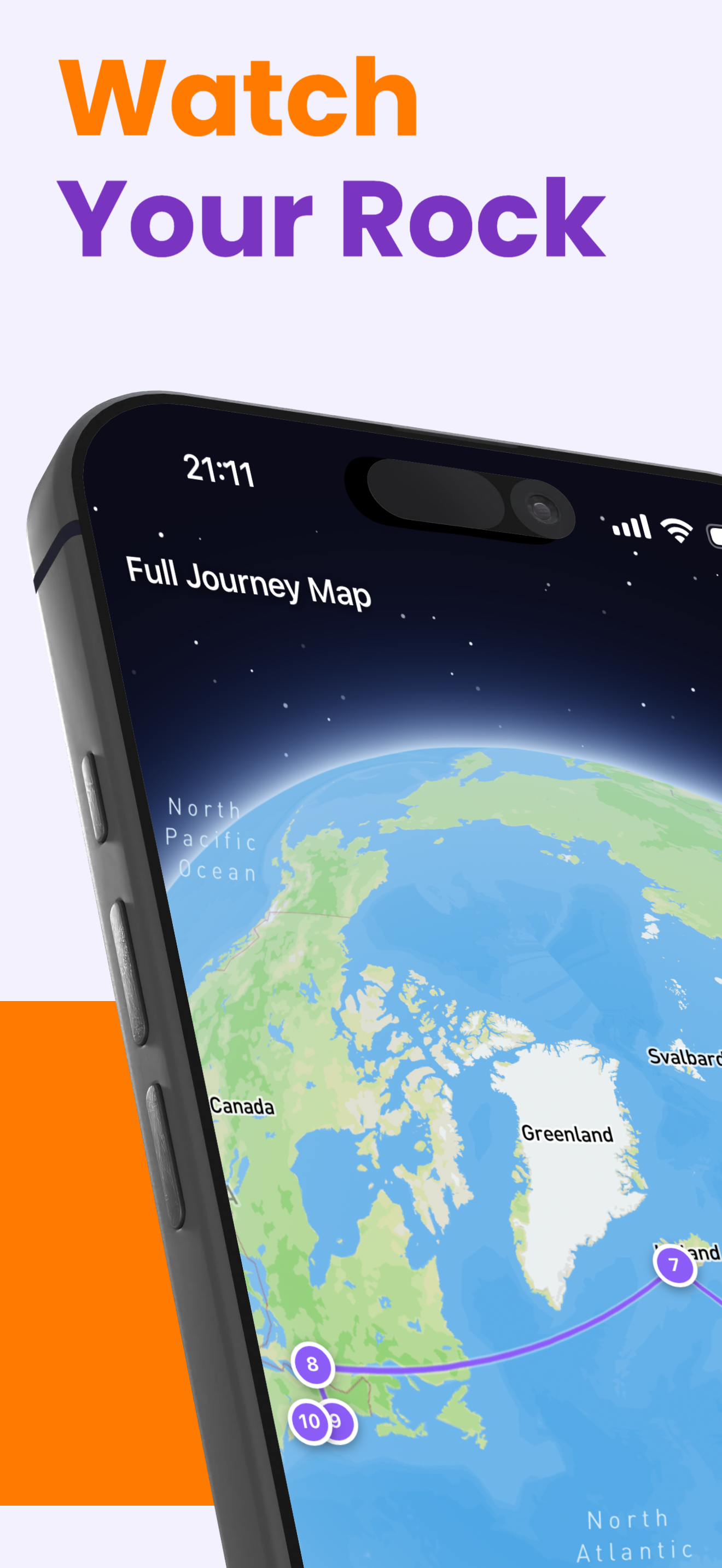
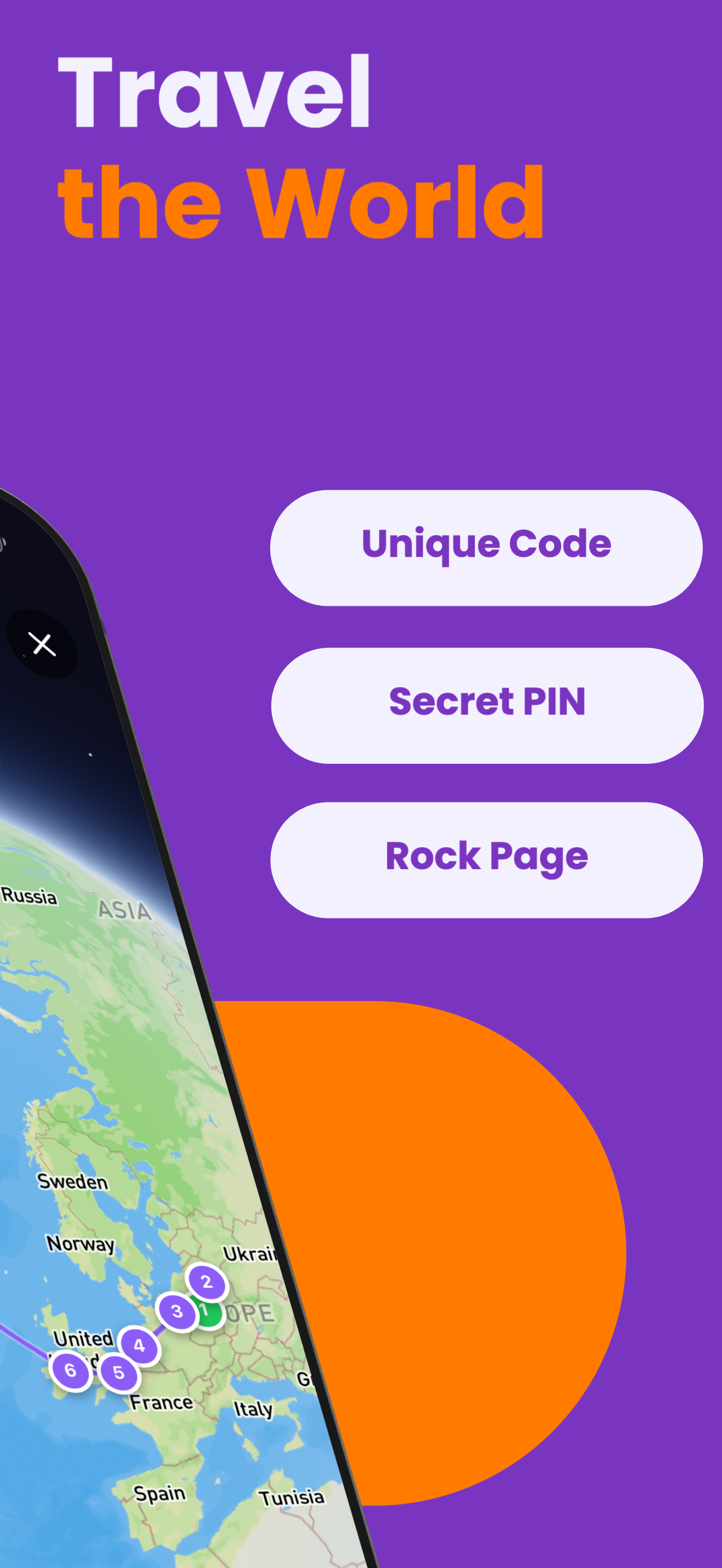
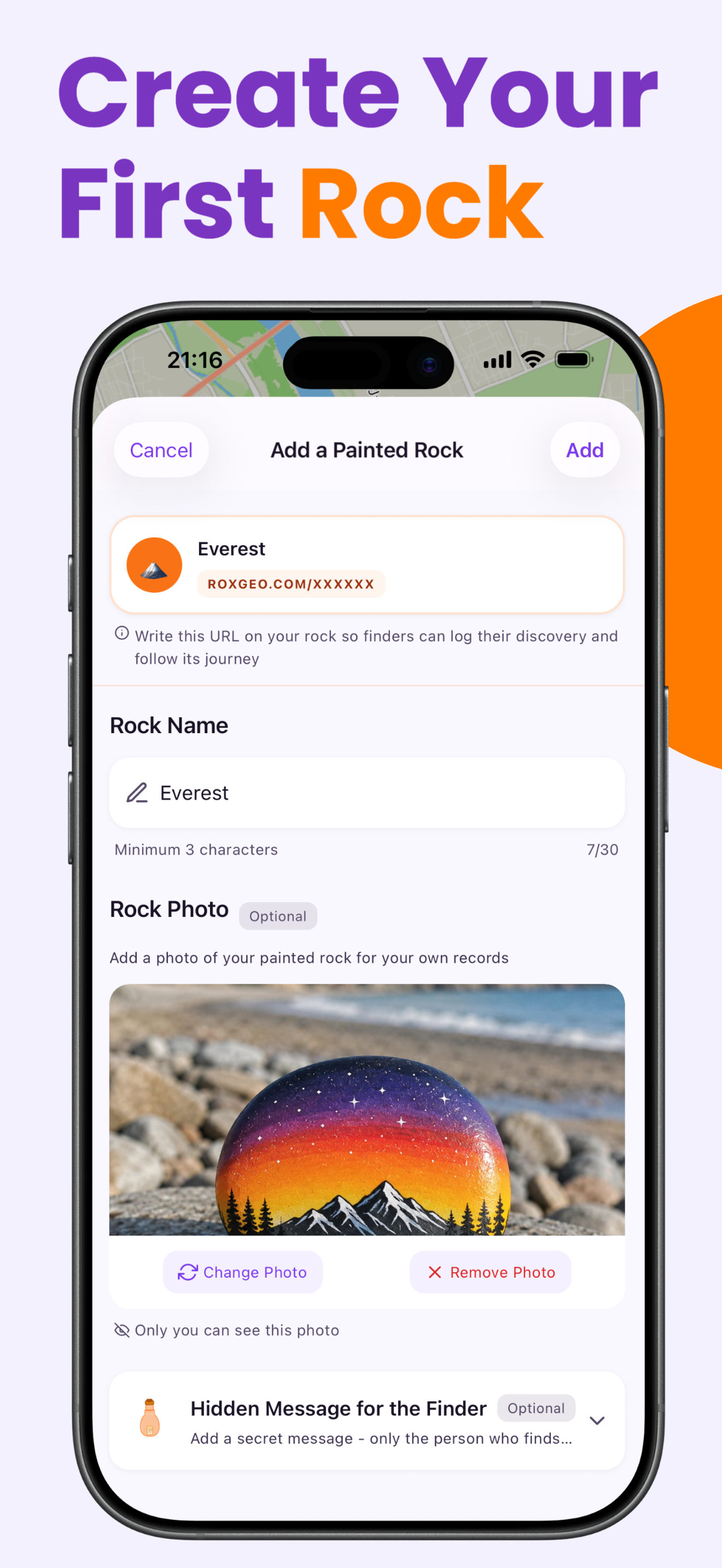
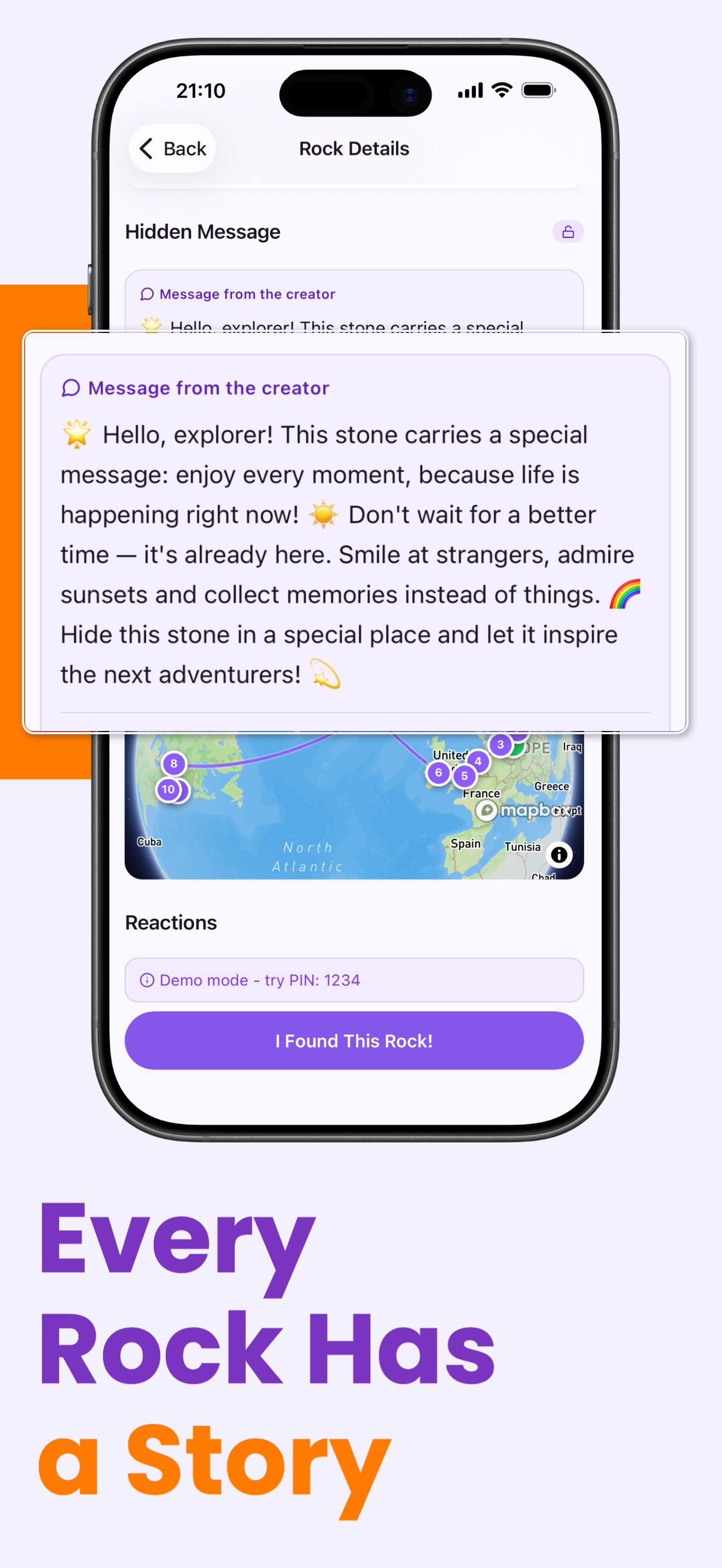
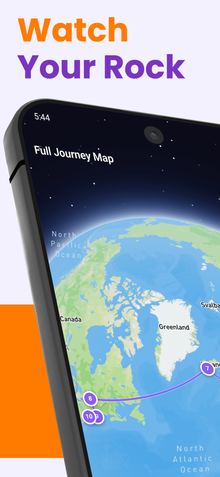
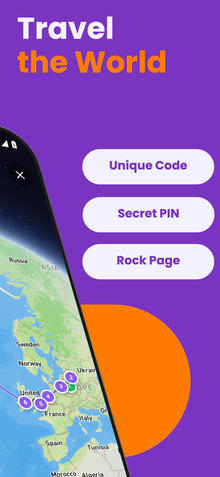
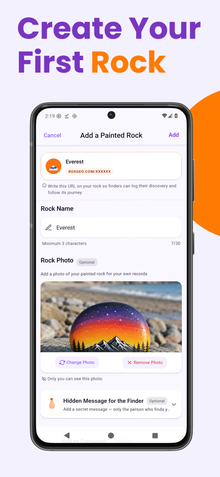
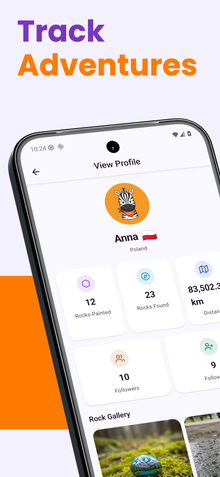
Register painted rocks on RoxGeo and track their journeys over time. Create a data table recording: distance travelled, number of finders, time between finds, and geographic direction of movement. Plot the data on graphs. Which rock travelled furthest? Is there a pattern to the direction of travel? This introduces data collection, graphing, and basic statistical analysis. Use the rock map for visual tracking.
6. Fossil Imprint Art
Press leaves, ferns, or small shells into soft clay on a rock surface to create imprint fossils. Paint around the imprints to highlight them. Discuss how real fossils form through compression over millions of years. Compare the imprints to photographs of actual fossils. This connects art to palaeontology.
7. Sun Bleaching Experiment
Paint half a rock with bright colours and cover the other half with tape. Leave in direct sunlight for 2 weeks. Remove the tape and compare the covered vs. exposed sections. How much did the colour fade? Which colours faded most? This teaches about UV radiation and photodegradation.
8. Magnetic Rock Hunt
Before painting, test rocks with a magnet. Some natural rocks contain iron and are slightly magnetic. Sort rocks into magnetic and non-magnetic piles. Paint magnetic rocks with a lightning bolt symbol and non-magnetic rocks with a different mark. Discuss why some rocks contain iron (volcanic origin, mineral composition). This teaches earth science and mineral properties.
Frequently Asked Questions
What age group are these experiments suited for?
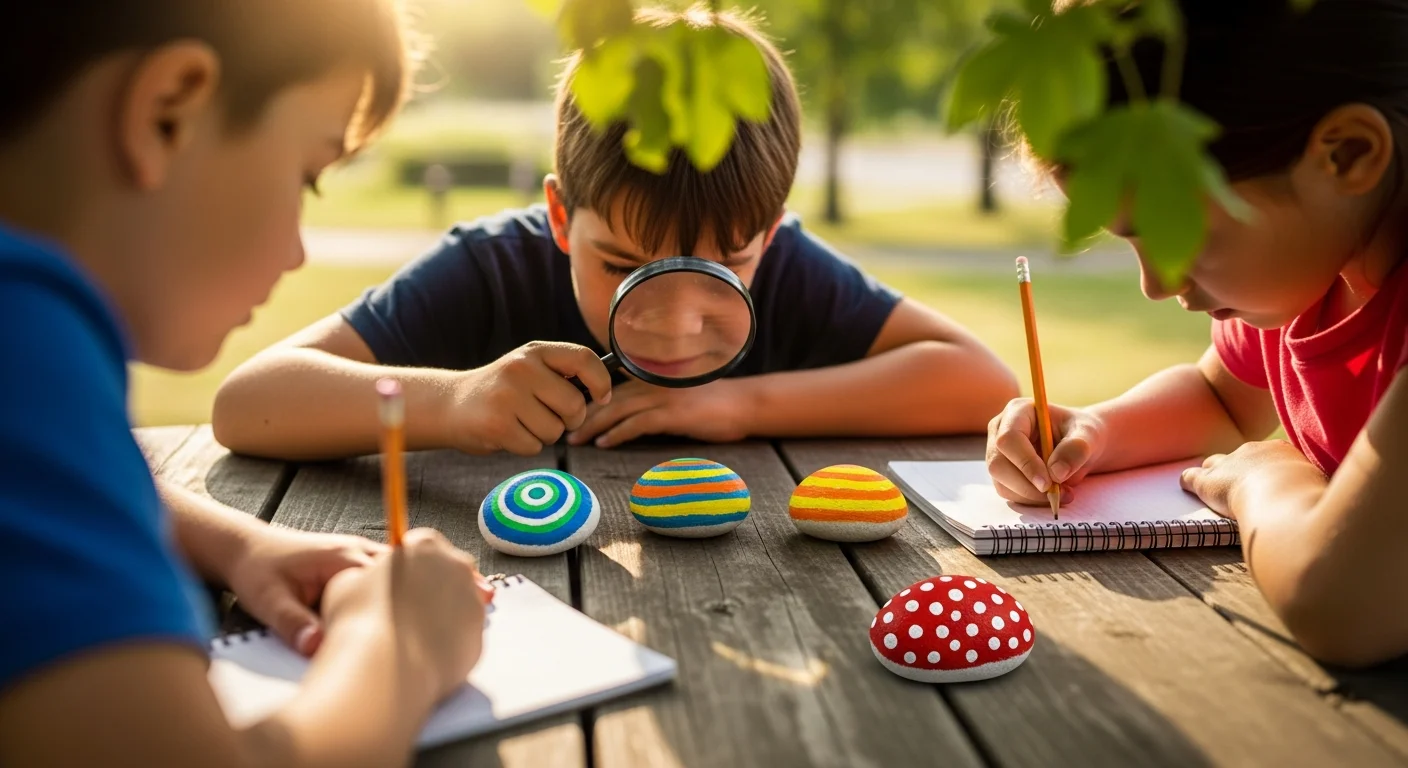
Most experiments work for ages 5–12. Younger children (5–7) benefit from the hands-on sorting and observation activities. Older children (8–12) can handle the data tracking, hypothesis testing, and graphing exercises. Adapt complexity to your audience.
Can these be used in a classroom setting?
Absolutely. Each experiment maps to science curriculum standards (Next Generation Science Standards in the US, or equivalent frameworks). They work well as station activities where groups rotate through experiments. Check our schools programme for classroom resources.