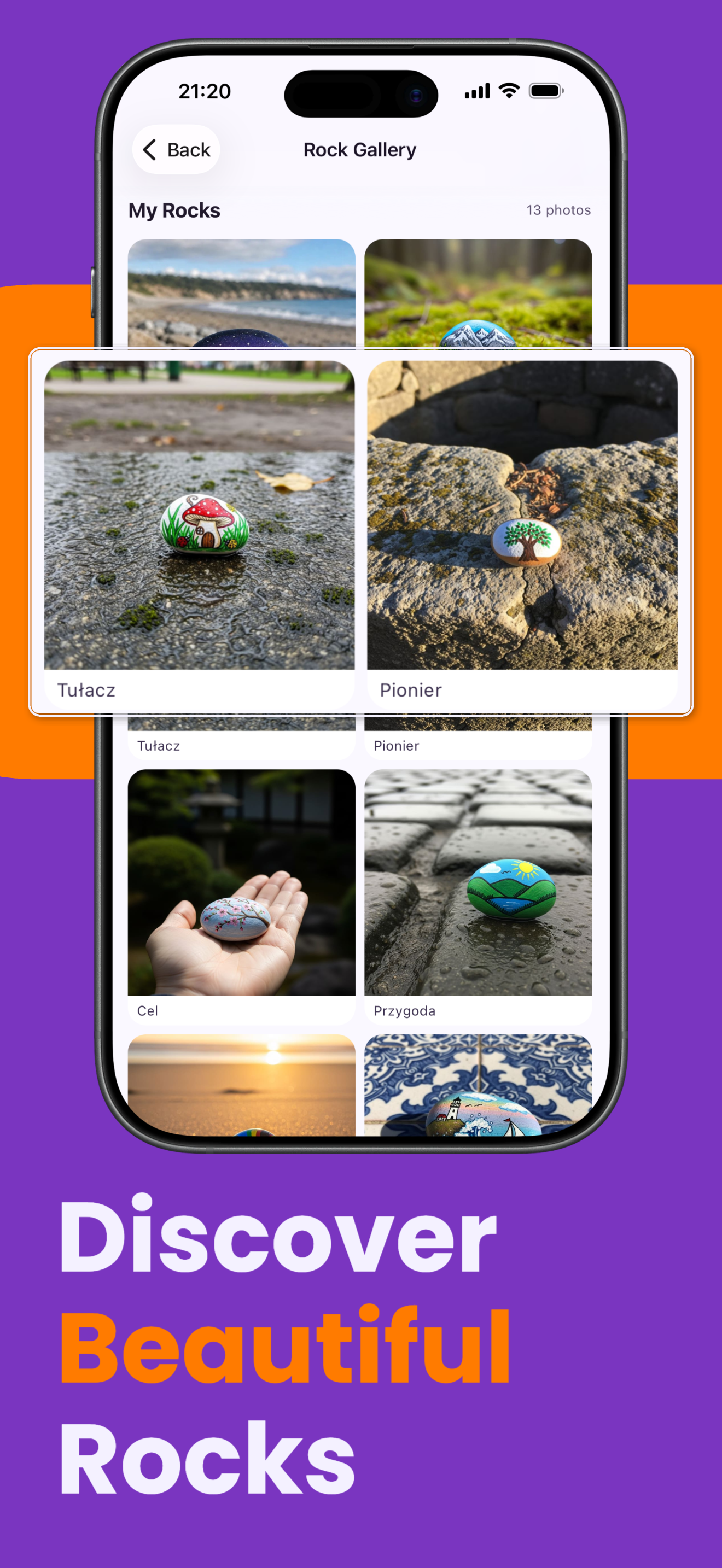
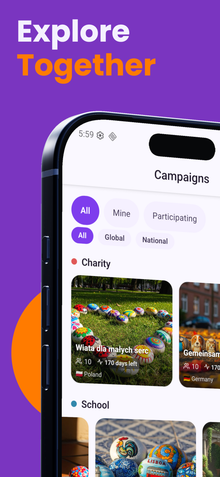
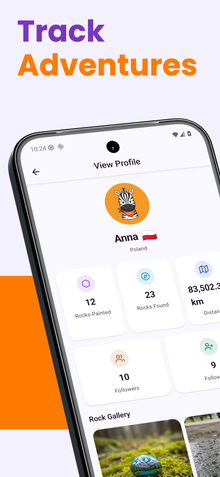
RoxGeo in preschool is more than just an art activity - it is a complete sensory, creative, and social learning experience designed for children aged 3 to 6. Rock painting combines tactile exploration, colour theory, storytelling, and outdoor adventure in a single project that captivates young minds and keeps them engaged far longer than traditional classroom exercises.
Preschool educators around the world are discovering that painted rock adventures naturally support developmental milestones. Fine motor skills, emotional expression, cooperation, and early literacy all come alive when children pick up a smooth stone, dip a brush in paint, and imagine where their creation might travel.
Why Rock Painting Works in Preschool
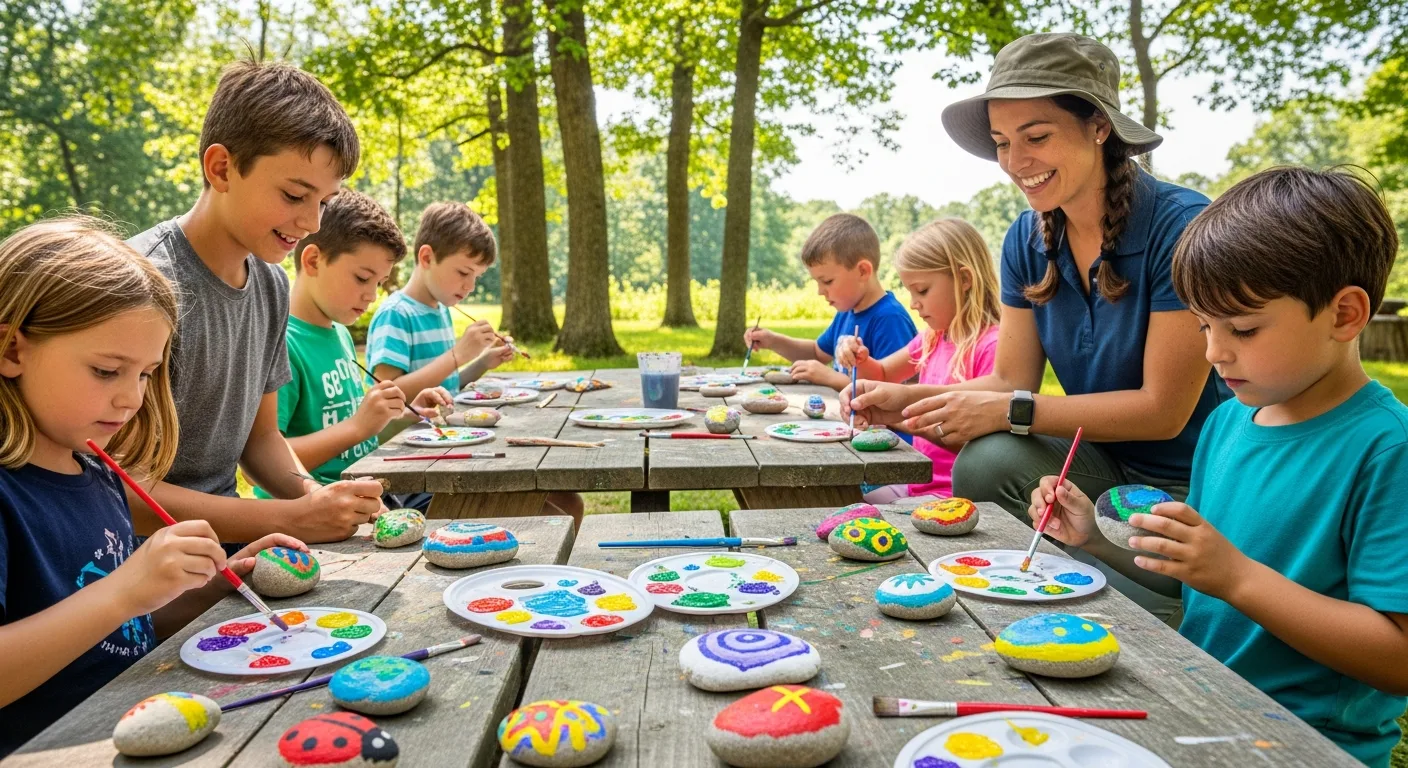
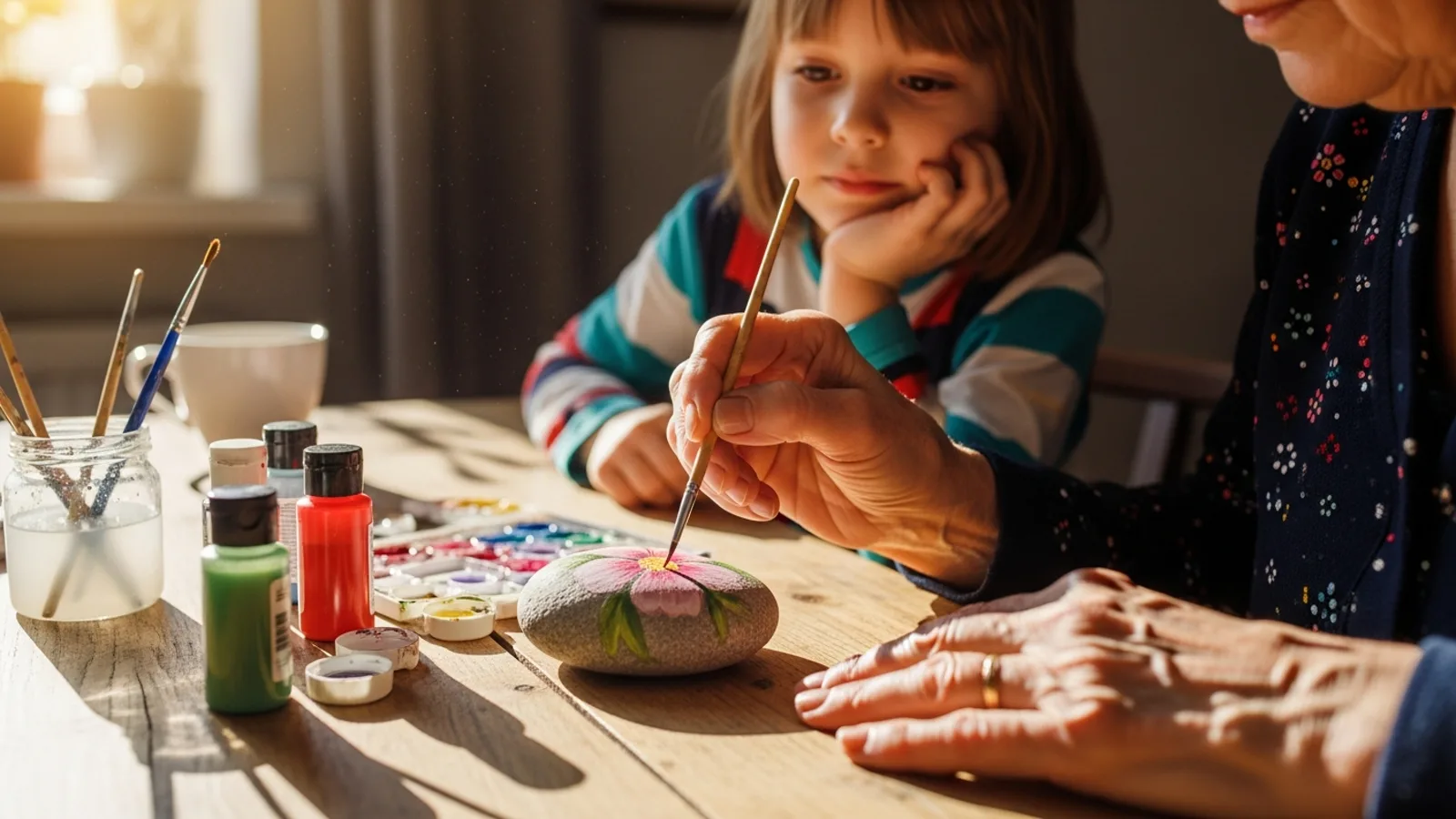
Young children learn best through hands-on, multi-sensory experiences. Rock painting offers exactly that. The weight and texture of a real stone engage the tactile senses in ways that paper and crayons cannot. Choosing colours encourages decision-making. Painting a simple design - a heart, a sun, a ladybug - builds hand-eye coordination and concentration.
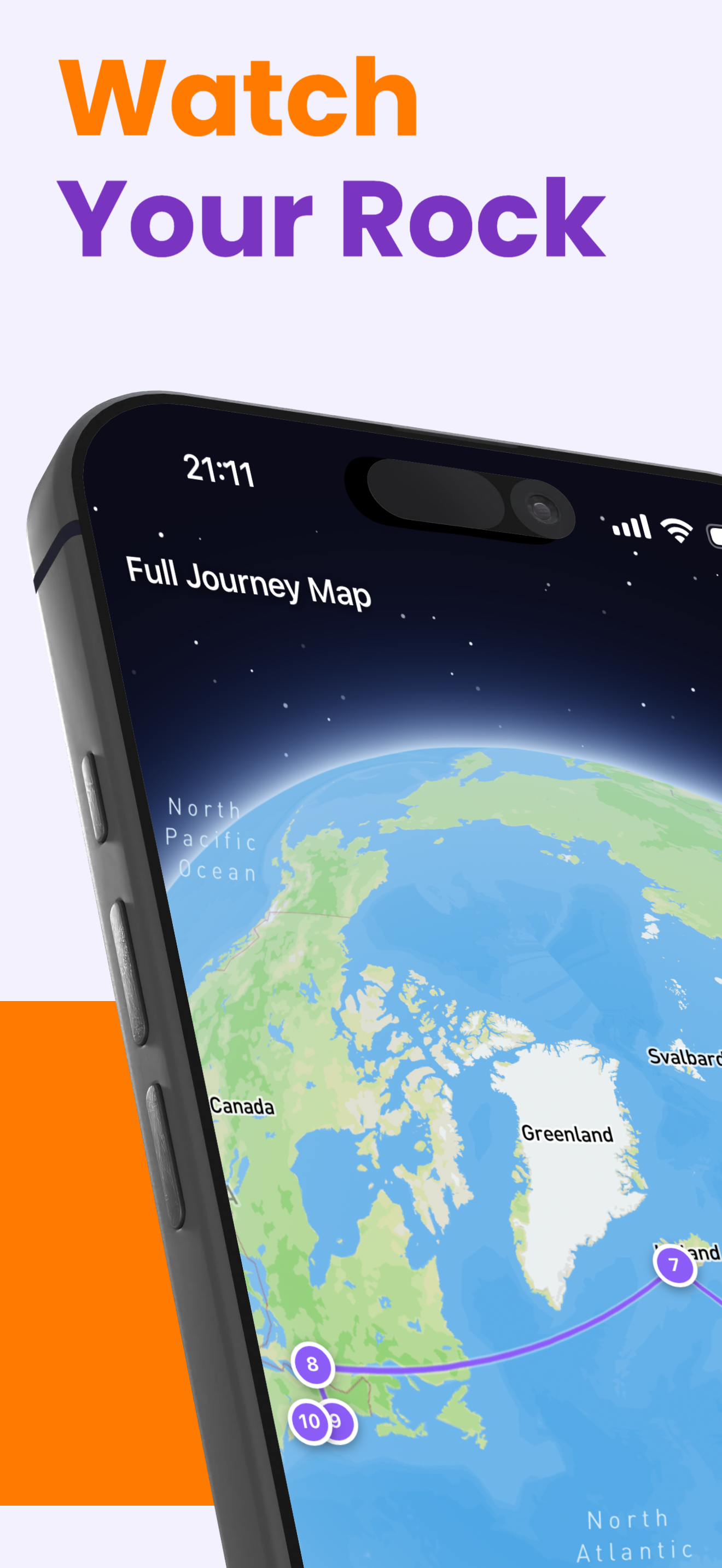
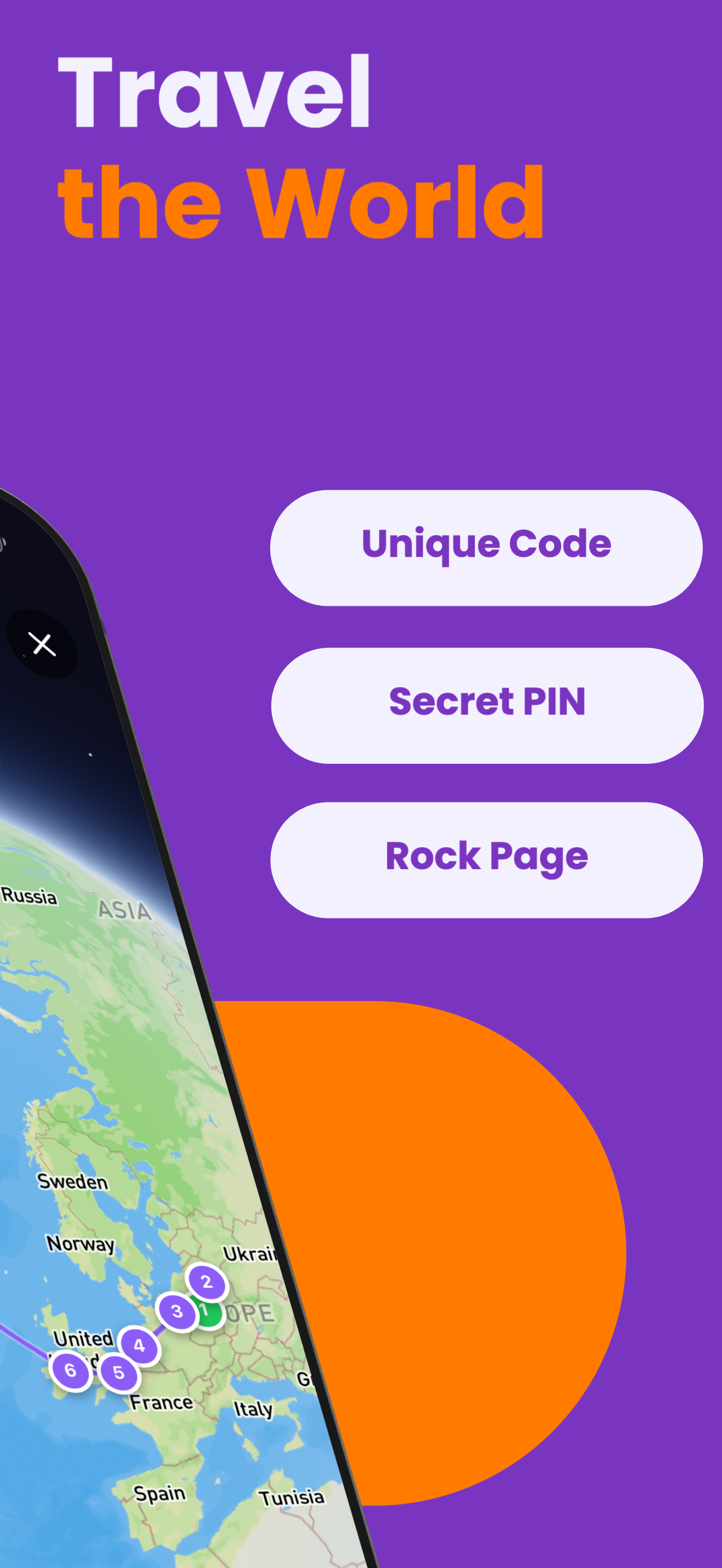
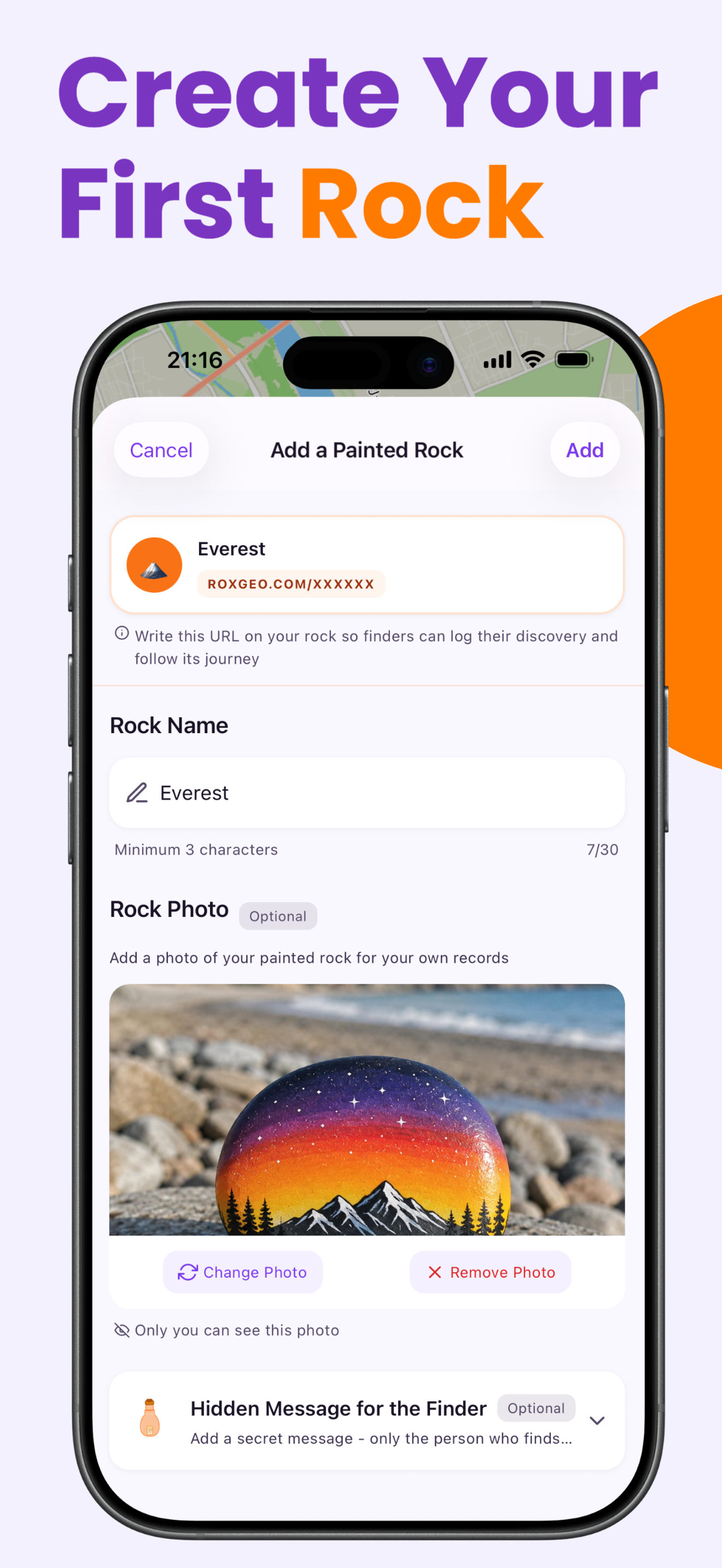
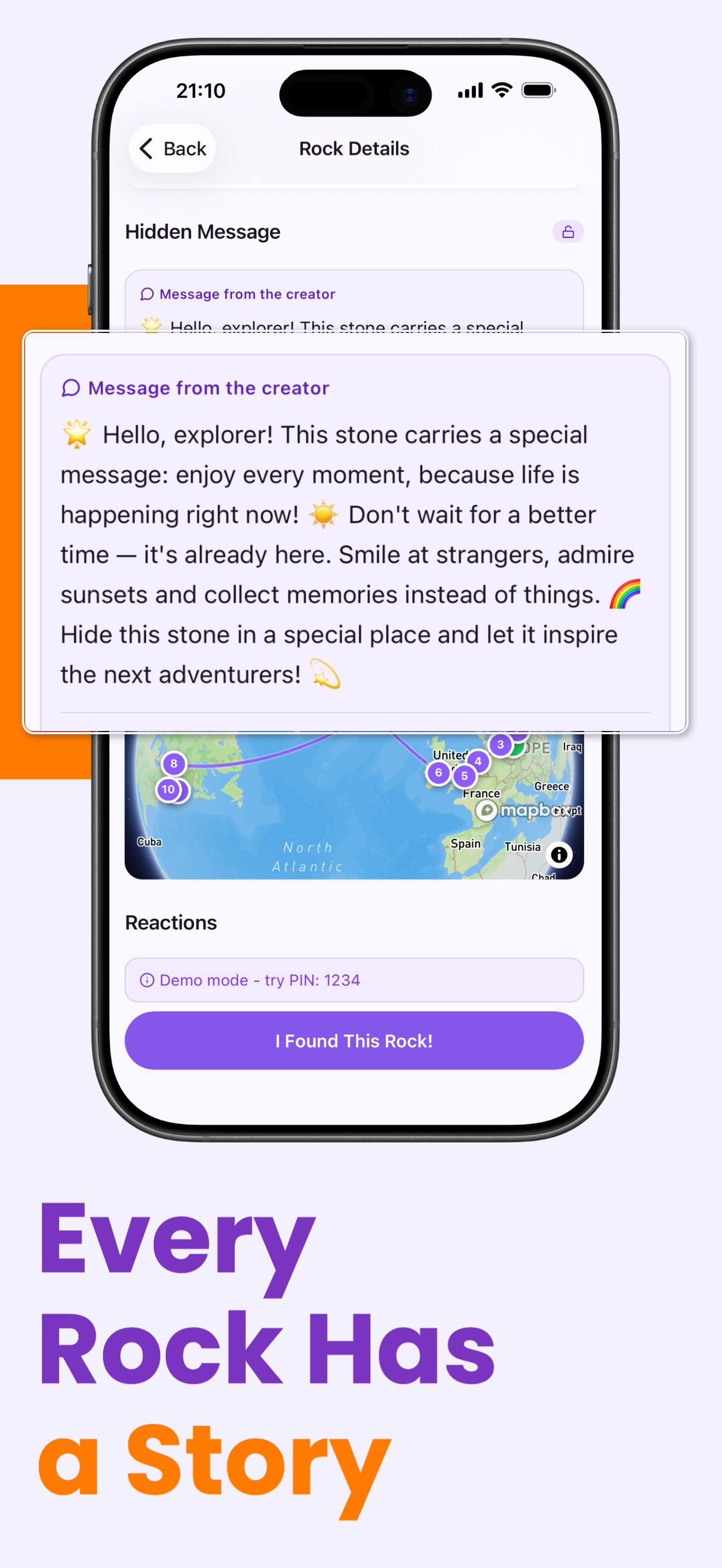
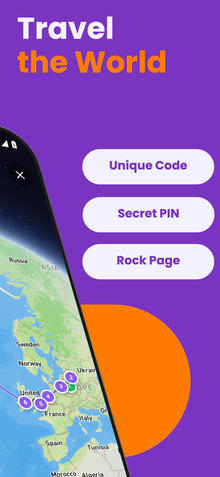
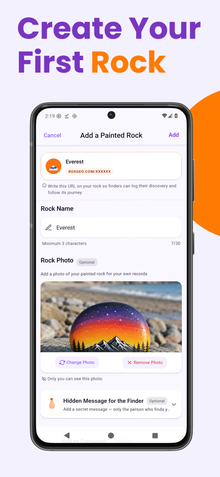
But the magic does not stop at the craft table. With RoxGeo, every painted rock becomes part of a real-world adventure. Children register their rock in the app, hide it in a park or garden, and then follow its journey as other people find it and log the discovery. This cycle of creating, sharing, and tracking transforms a simple art project into an ongoing narrative that teaches patience, empathy, and the joy of giving.
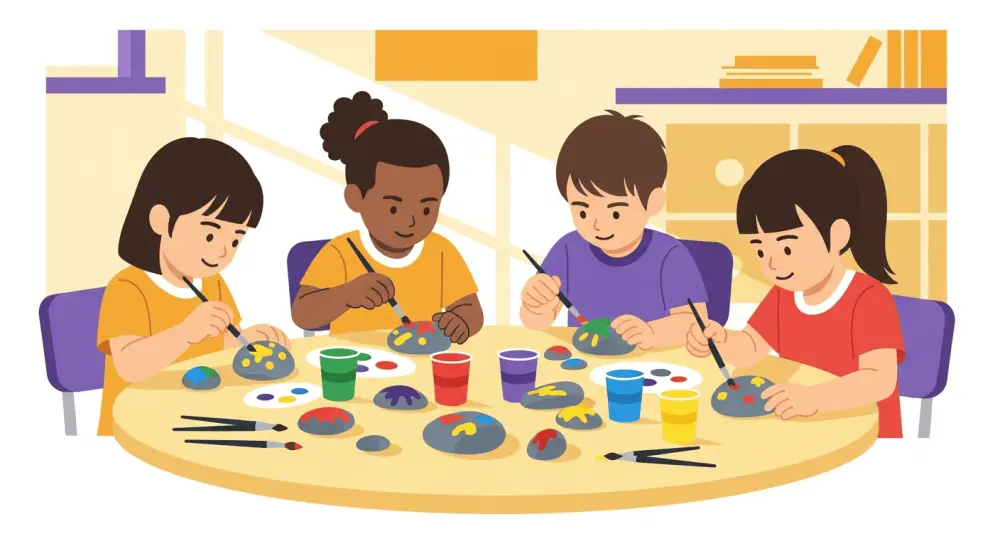
5 Activity Ideas for Preschool Groups
1. Rainbow Rocks - Colour Recognition (20 minutes)
Each child receives a smooth, light-coloured stone and paints it a single bright colour. Once dry, the group arranges their rocks in rainbow order on a display shelf. This simple activity reinforces colour names, sequencing, and collaborative work. Children love seeing their individual rock become part of a larger rainbow. Once the display period ends, the rocks can be registered on RoxGeo and hidden around the preschool garden.
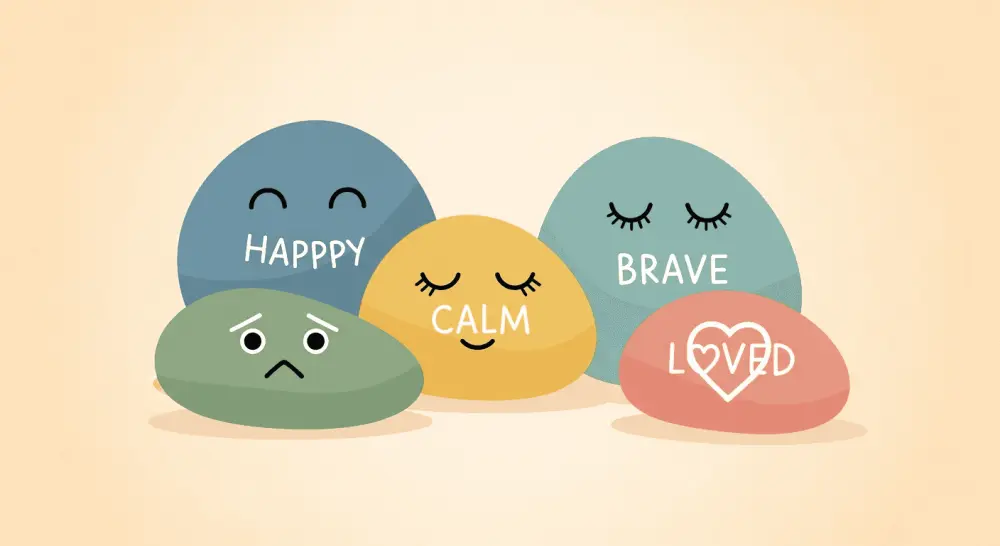
2. Emotion Stones - Social-Emotional Learning (30 minutes)
Children paint simple facial expressions on their rocks - happy, sad, surprised, sleepy. The teacher then uses the emotion stones during circle time: "Show me the rock that matches how you feel today." This activity builds emotional vocabulary, self-awareness, and peer empathy. The stones can stay in a classroom "feelings corner" for daily check-ins throughout the term.
3. Nature Walk and Paint - Outdoor Exploration (45 minutes)
Take the children on a nature walk to collect their own stones. Talk about shapes, sizes, and textures along the way. Back in the classroom, each child paints something they saw on the walk - a leaf, a flower, a bug. This activity connects art to nature observation and encourages children to pay attention to the world around them. Extend the lesson by hiding the finished rocks along the same walking route for other groups to find.
4. Story Stones - Early Literacy (30 minutes)
Children paint characters, objects, or scenes on their rocks - a house, a tree, a dog, a star. The teacher collects all the stones in a bag, and children take turns drawing one and adding a sentence to a group story. "Once upon a time, there was a house. Next to the house, there was a big tree..." This activity develops narrative skills, vocabulary, and public speaking confidence in a playful, low-pressure way.
5. Friendship Rocks - Kindness and Sharing (25 minutes)
Each child paints a rock as a gift for a friend - perhaps a classmate, a sibling, or a parent. The focus is on thinking about what the other person likes. "Does your friend like stars? Butterflies? The colour blue?" Children then exchange rocks in a small ceremony. Some rocks can be registered on RoxGeo and given to families to hide in their neighbourhood, extending the kindness chain beyond the preschool walls.
Looking for more preschool activities and resources?
Visit our dedicated preschools page for a complete overview of how RoxGeo supports early childhood education.
Explore the Preschools PageEngaging Parents and Families
One of the most powerful aspects of RoxGeo in preschool is how easily it extends learning into the home. When a child brings home a painted rock and excitedly explains that it needs to be hidden "so someone can find it and check the app," parents become part of the adventure without any extra effort from the educator.
Here are practical ways to involve families:
- Weekend rock hunts: Send home a simple instruction sheet encouraging families to hide their child's rock in a local park on the weekend. Parents can help the child log the location in the RoxGeo app.
- Discovery celebrations: When a rock is found by someone new, share the news during Monday morning circle time. Children beam with pride when they learn their rock has been discovered - sometimes hundreds of kilometres away.
- Family painting evenings: Organise a quarterly family painting event at the preschool. Provide stones, paints, and brushes, and let families create rocks together. This strengthens the home-school connection and builds community.
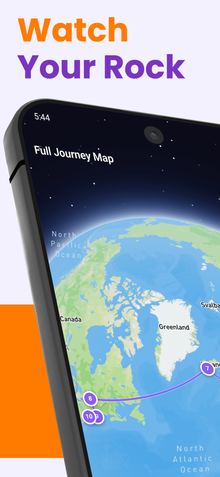
- Progress tracking: Show parents the RoxGeo journey map during parent-teacher meetings. Seeing their child's rock travel across cities or even countries creates a memorable talking point.
Safety and Organisation Tips
Working with preschool-aged children requires extra attention to safety and setup. Here are essential guidelines:
Materials
- Use only non-toxic, washable paints - water-based acrylics labelled safe for children aged 3 and above.
- Choose smooth, rounded stones without sharp edges. River stones between 5 and 8 cm in diameter are ideal for small hands.
- Provide thick-handled brushes and sponge daubers that are easy for little fingers to grip.
- Cover tables with disposable tablecloths and provide smocks or old shirts to protect clothing.
Supervision
- Maintain a ratio of at most 5 children per adult during painting sessions.
- Ensure children do not put stones or paint-covered fingers in their mouths - redirect gently and keep wet wipes within reach.
- Allow adequate drying time (at least 30 minutes) before children handle finished rocks. Drying racks or designated trays help prevent smudging.
Sealing and Hiding
- Sealing should be done by an adult. Use a water-based, non-toxic sealant spray in a well-ventilated area, away from children.
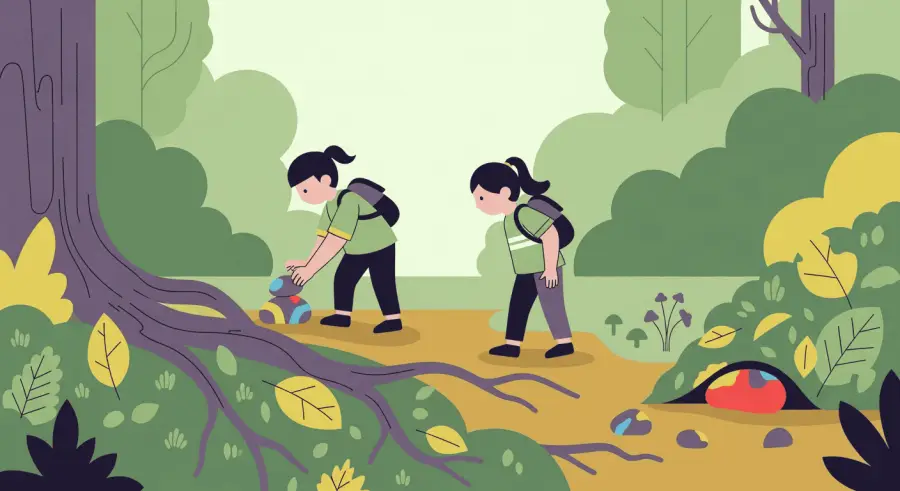
- When hiding rocks outdoors, choose safe, visible locations - along a garden path, near a bench, at the base of a tree. Avoid areas near roads, water features, or anywhere a young child might need to reach unsafely.
- Always supervise rock-hiding walks and use them as an opportunity to discuss road safety and respecting nature.
How RoxGeo Supports Developmental Goals
Preschool curricula across the world emphasise a set of core developmental areas. RoxGeo rock painting activities naturally address several of them:
- Fine motor skills: Gripping brushes, applying paint to curved surfaces, and placing dots or lines strengthens hand muscles essential for future writing.
- Creativity and self-expression: Choosing colours, inventing designs, and personalising rocks nurtures individual creative confidence.
- Language and communication: Describing their rock, telling the story of where it might travel, and participating in group discussions builds vocabulary and narrative ability.
- Mathematical thinking: Counting spots on a ladybug, sorting rocks by size, and sequencing rainbow colours introduce early maths concepts.
- Understanding the world: Tracking a rock's journey on a map introduces geography, distance, and cultural awareness in an age-appropriate way.
- Personal, social, and emotional development: Creating a gift rock for a friend, sharing supplies, and celebrating discoveries together builds empathy, cooperation, and self-esteem.
Getting Started: The RoxGeo Preschool Program
RoxGeo offers a dedicated program for preschools and kindergartens. Participating institutions receive a free starter kit containing smooth stones, non-toxic paints, brushes, sealant, and a printed guide with activity ideas adapted for ages 3 to 6. The kit is designed to get your group painting and exploring within a single session.
Joining the program is straightforward: visit the preschools page, fill in the short application form, and our team will review your submission and arrange delivery. There is no cost to the institution - the program is fully supported by the RoxGeo community.
Have questions before applying? Check our frequently asked questions for answers about materials, safety, data privacy, and how tracking works in practice.
Ready to bring RoxGeo to your preschool?
Apply for the free starter kit and join hundreds of preschools already exploring with painted rocks.
Apply for the Program