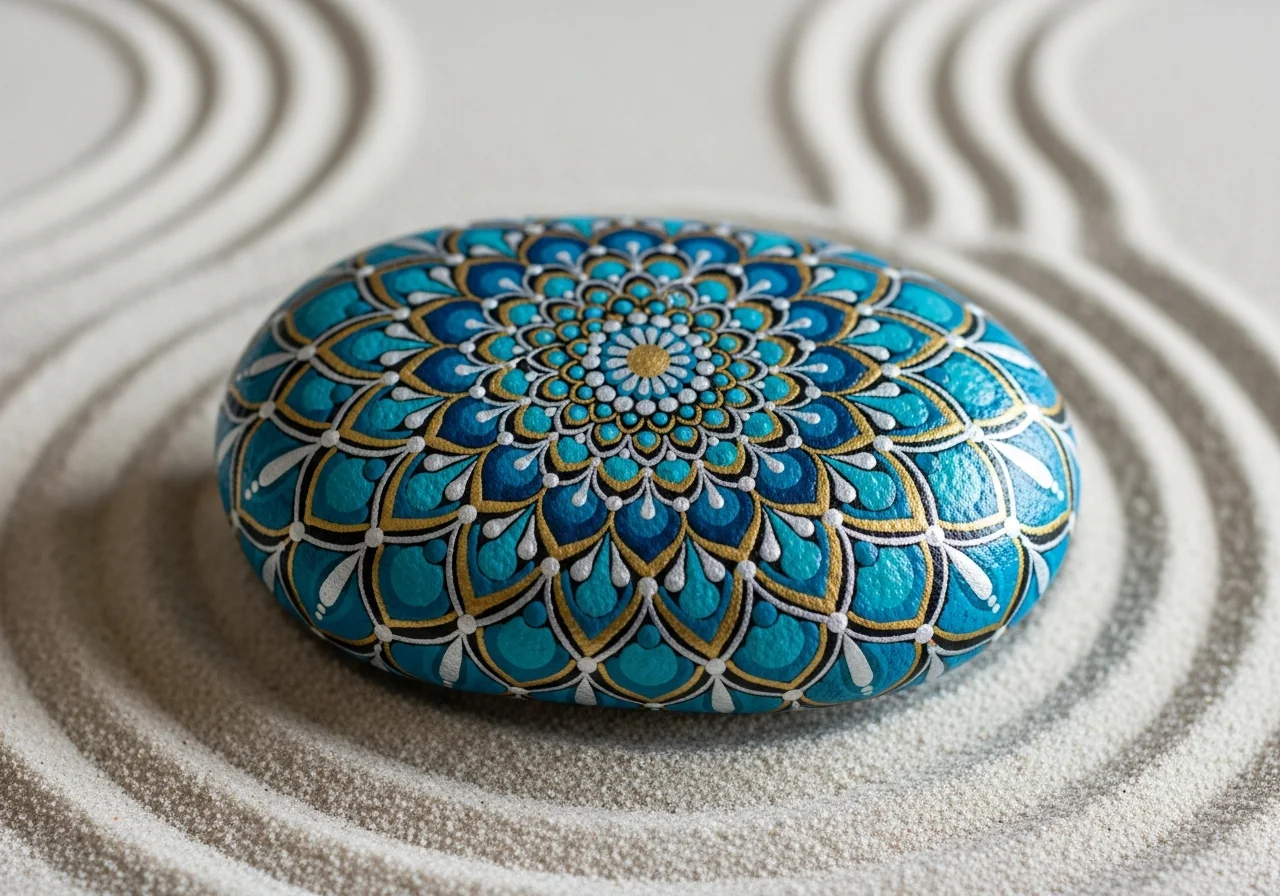
The difference between a rock that looks amateur and one that looks professional often comes down to brush technique. Knowing which brush to use and how unlocks effects - from velvety texture to crisp detail - that transforms your rock painting from a rough sketch into a polished piece of art.
Choosing the Right Brush
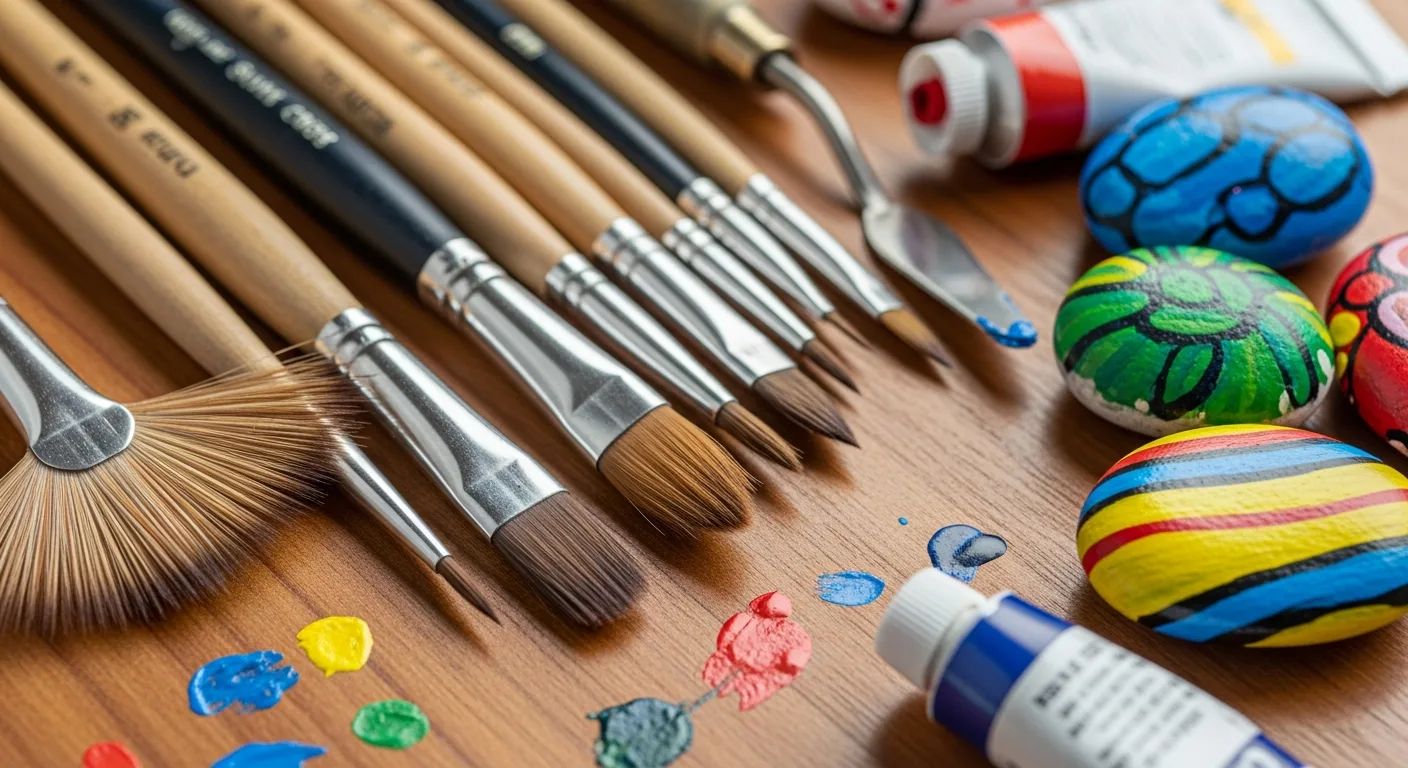
Four essential brush types cover most rock painting needs:
- Flat brush - Wide, straight-edged. Best for base coats and large smooth areas.
- Round brush - Comes to a point. Workhorse for shapes, curves, and general design work.
- Liner/detail brush - Very thin, long tip. Essential for fine lines, lettering, and tiny details.
- Fan brush - Spread bristles. Creates natural texture for grass, fur, feathers, and foliage.
Invest in quality synthetic brushes - cheap ones shed bristles and make clean lines nearly impossible. For more design ideas, see our abstract techniques guide and our mandala tutorial.
Dry Brushing for Texture
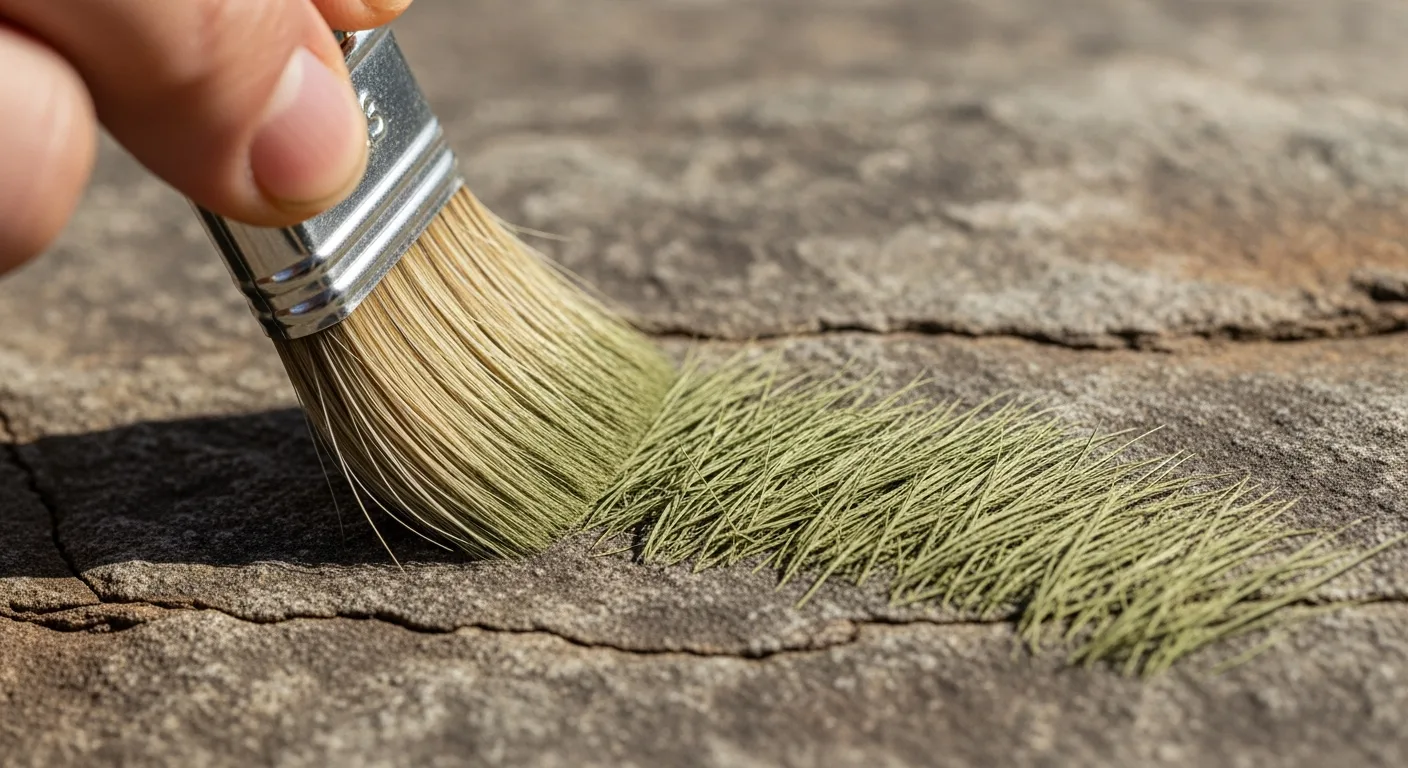
Dry brushing is one of the most satisfying techniques in rock painting. Load a stiff brush with a small amount of paint, wipe most off on a paper towel until only a faint trace remains, then drag this nearly-dry brush across the surface in rapid, light strokes. The result is a natural, aged texture - perfect for fur, grass, stone surfaces, rust, and woodland backgrounds.
Stippling and Sponging
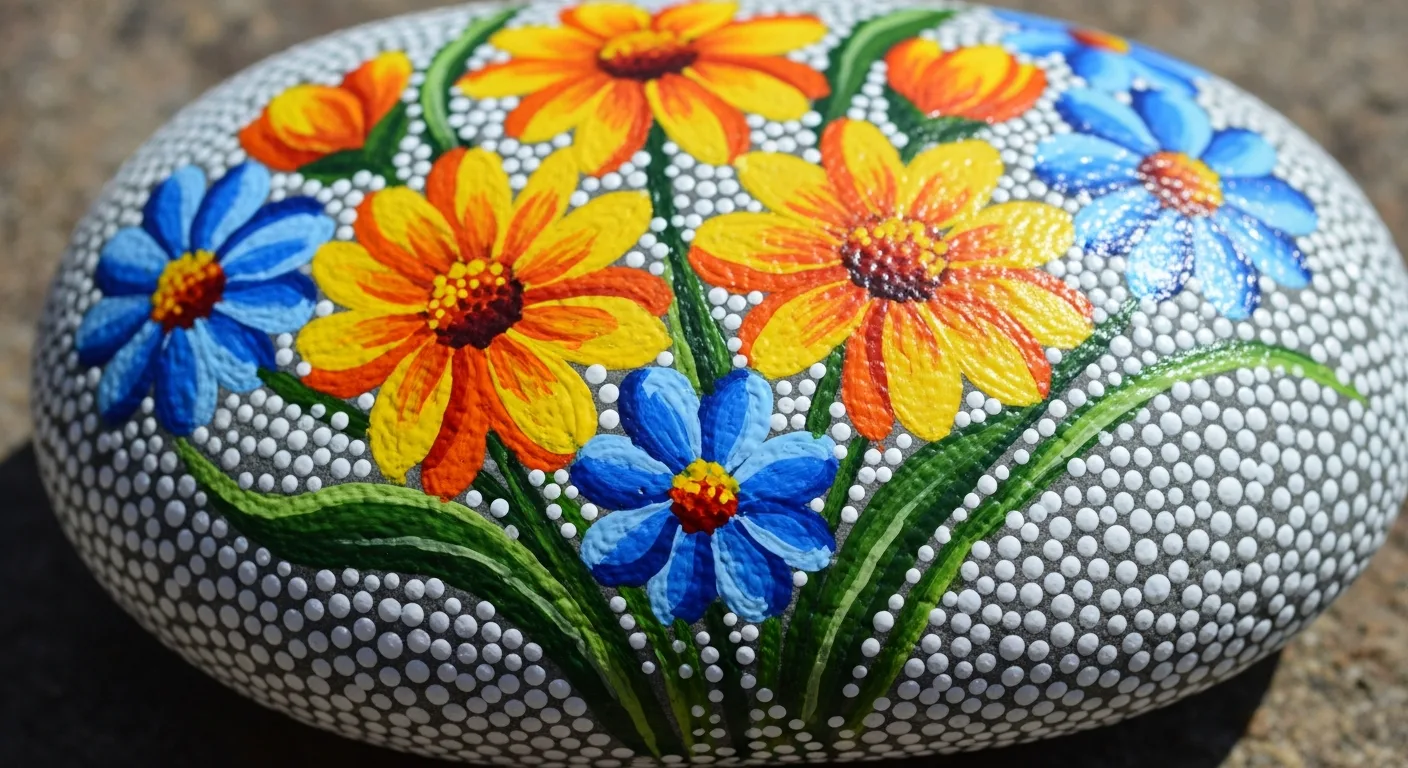
Stippling involves applying paint with the tip of a brush in a series of small dots or dabbing motions. This creates soft, organic texture ideal for flower centres, leaf surfaces, bark, and background gradients. For broader areas, a torn sea sponge dipped in paint creates beautiful random texture for backgrounds and foliage.
Fine Detail Work with Liner Brushes
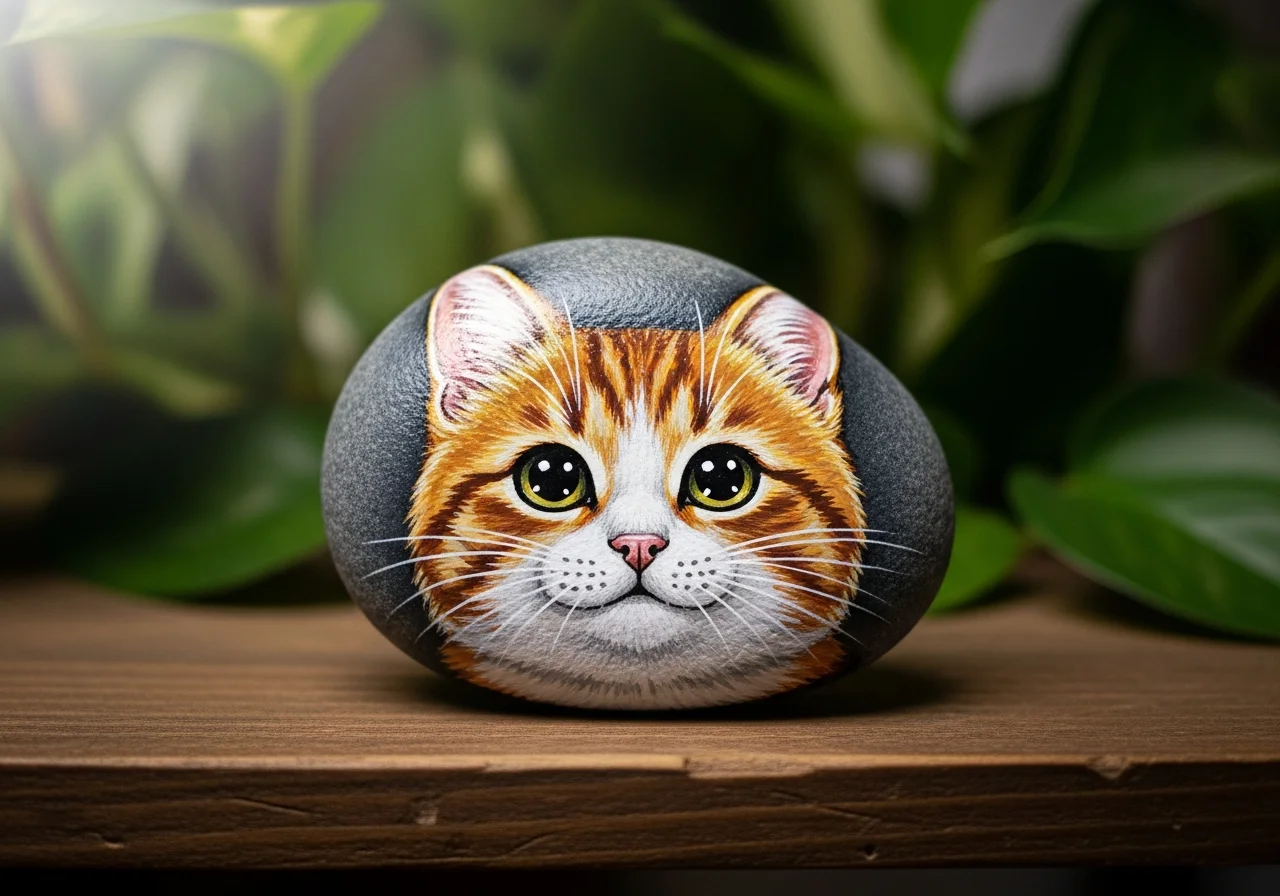
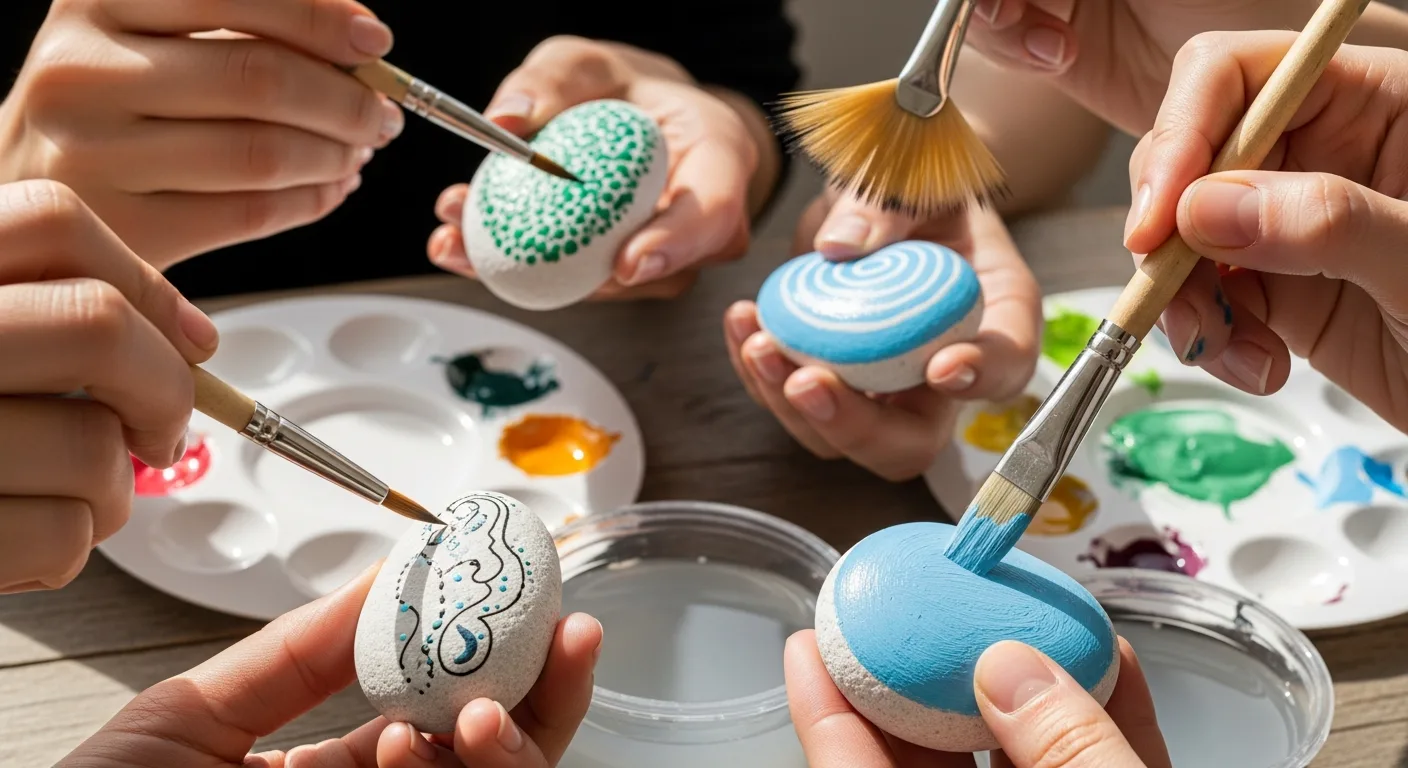
The liner brush is the key to professional-looking details. Thin your paint slightly with water so it flows from the brush without being watery. Hold the brush near the end of the handle for control and pull the brush toward you rather than pushing. This works for whiskers, calligraphy, flower stems, and mandala lines.
Brush Care
Rinse brushes thoroughly in water immediately after use. Acrylic paint dries hard and ruins bristles permanently. Reshape the tip while still damp. Store upright in a jar - never tip-down in water, which bends and ruins the shape.
Frequently Asked Questions
What is the best brush size for beginners?
A size 6 or 8 round for general design work, a size 12 flat for base coats, and a size 0 or 1 liner for details covers most beginner needs.
Why do my painted lines look wobbly?
Wobbly lines are caused by tense muscles. Rest your painting hand on a table, breathe out slowly as you draw the line, and practice on paper first to build muscle memory.
How do I fix a mistake in rock painting?
Wait until completely dry, then paint over with a fresh layer of the base colour. Acrylic paint is forgiving - almost any mistake can be covered with patience.