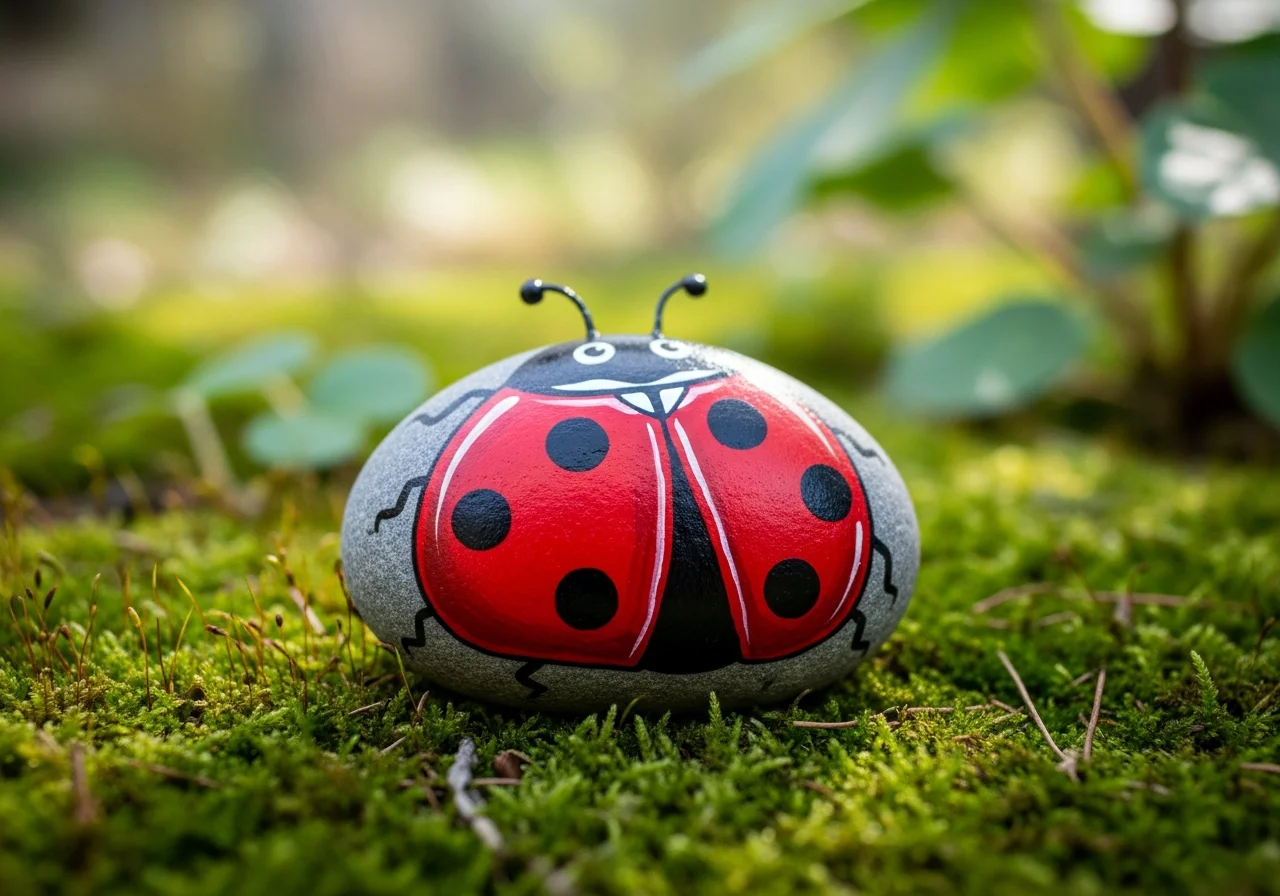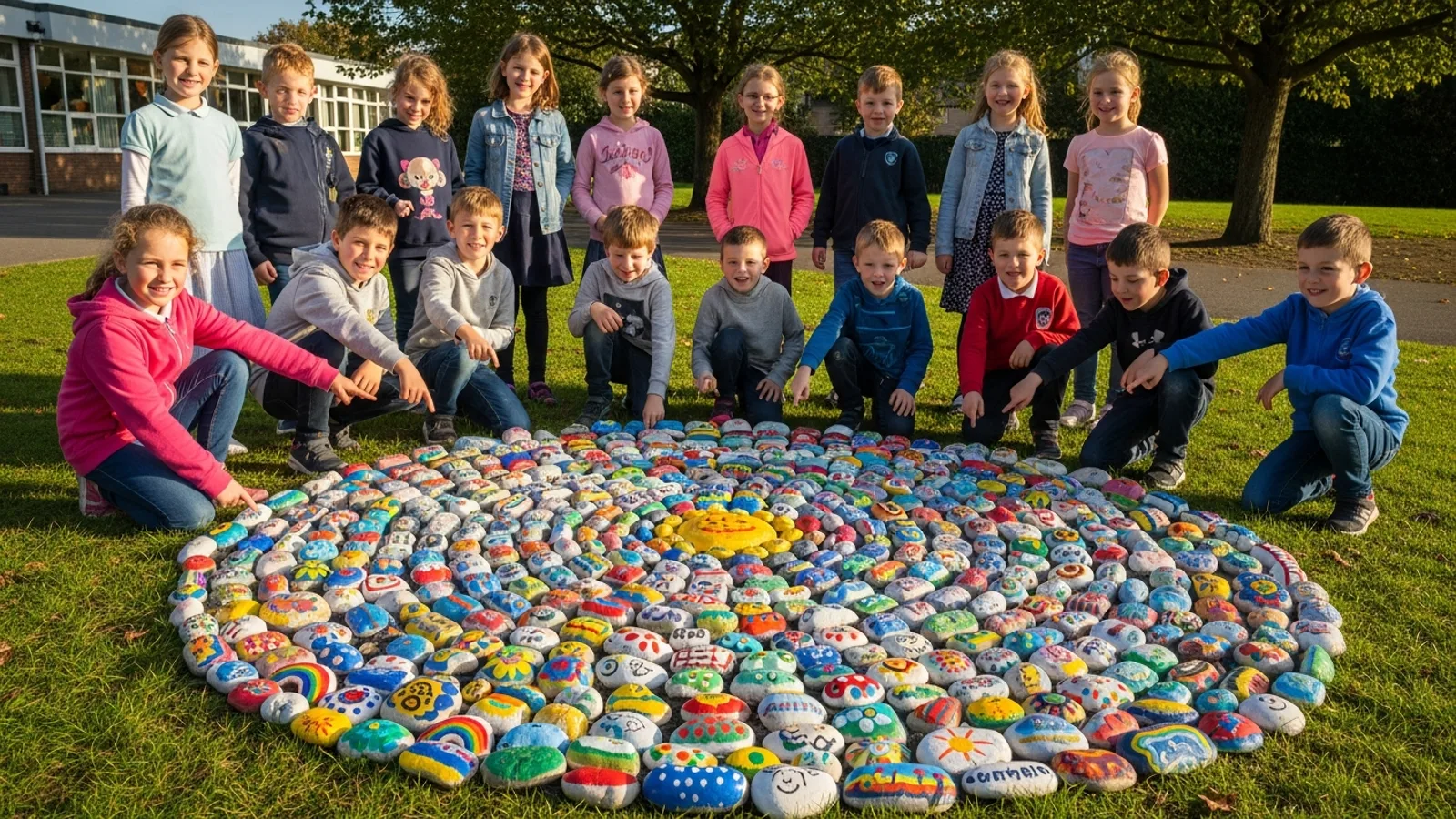
International Children's Day on June 1 is the perfect occasion to launch a painted rock kindness project in your school, community group, or neighbourhood. Rock painting combines creativity, community connection, and the simple joy of making someone's day brighter - values that lie at the heart of what this global celebration represents. This guide walks you through how to organise a rock painting kindness project that children, parents, and communities will remember.
What Is International Children's Day?
International Children's Day (June 1) is one of the world's most widely observed children's celebrations, particularly in Europe, Asia, and Latin America. It is distinct from Universal Children's Day (November 20) observed in some countries. The occasion marks the importance of children's rights, wellbeing, and joy. A painted rock kindness project is a perfect expression of these values - empowering children to create something with their own hands that brings happiness to others.
Planning a Rock Painting Kindness Project
A successful project starts with clear goals and simple logistics:
- Define your scale - Is this for one classroom, a whole school, or an entire neighbourhood? Scale your material order accordingly.
- Source rocks in advance - Order bags of smooth pebbles from a garden centre or online supplier at least 2 weeks before the event. See our guide on finding rocks for painting.
- Prepare paints and materials - Acrylic craft paints, flat brushes, dotting tools, and white gesso primer. Non-toxic paints are essential for children.
- Plan the sealing step - Adults should seal the finished rocks with spray varnish (away from children). Plan this as a separate step after the painting session.
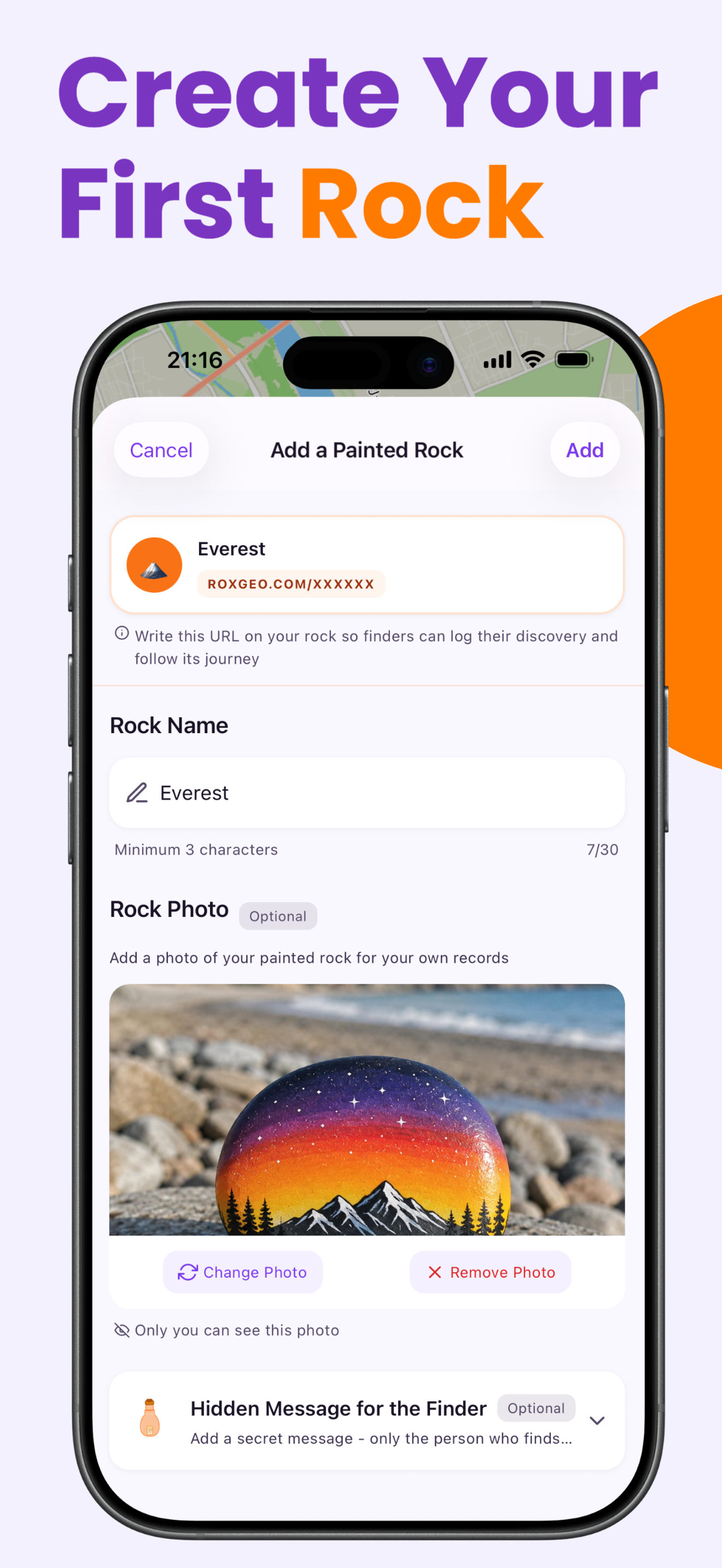
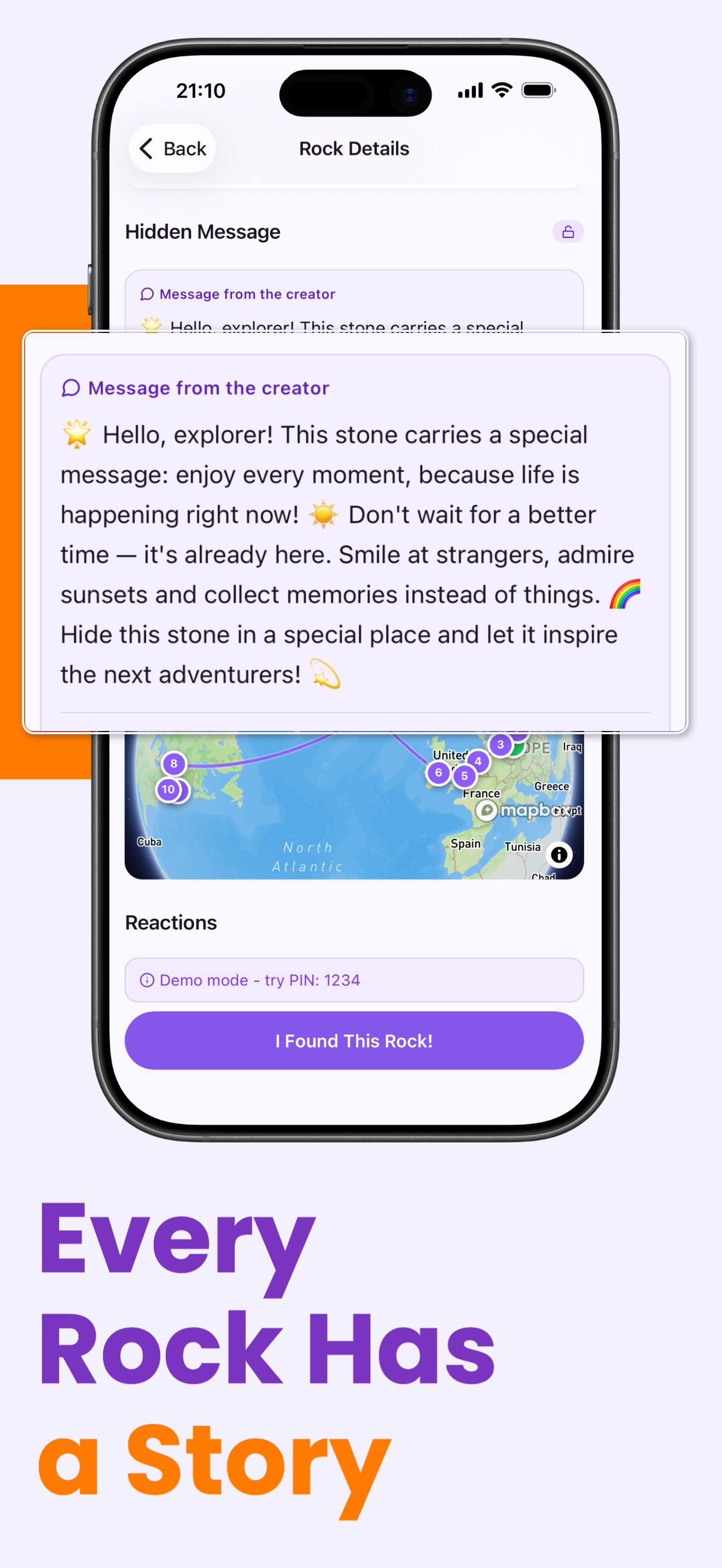
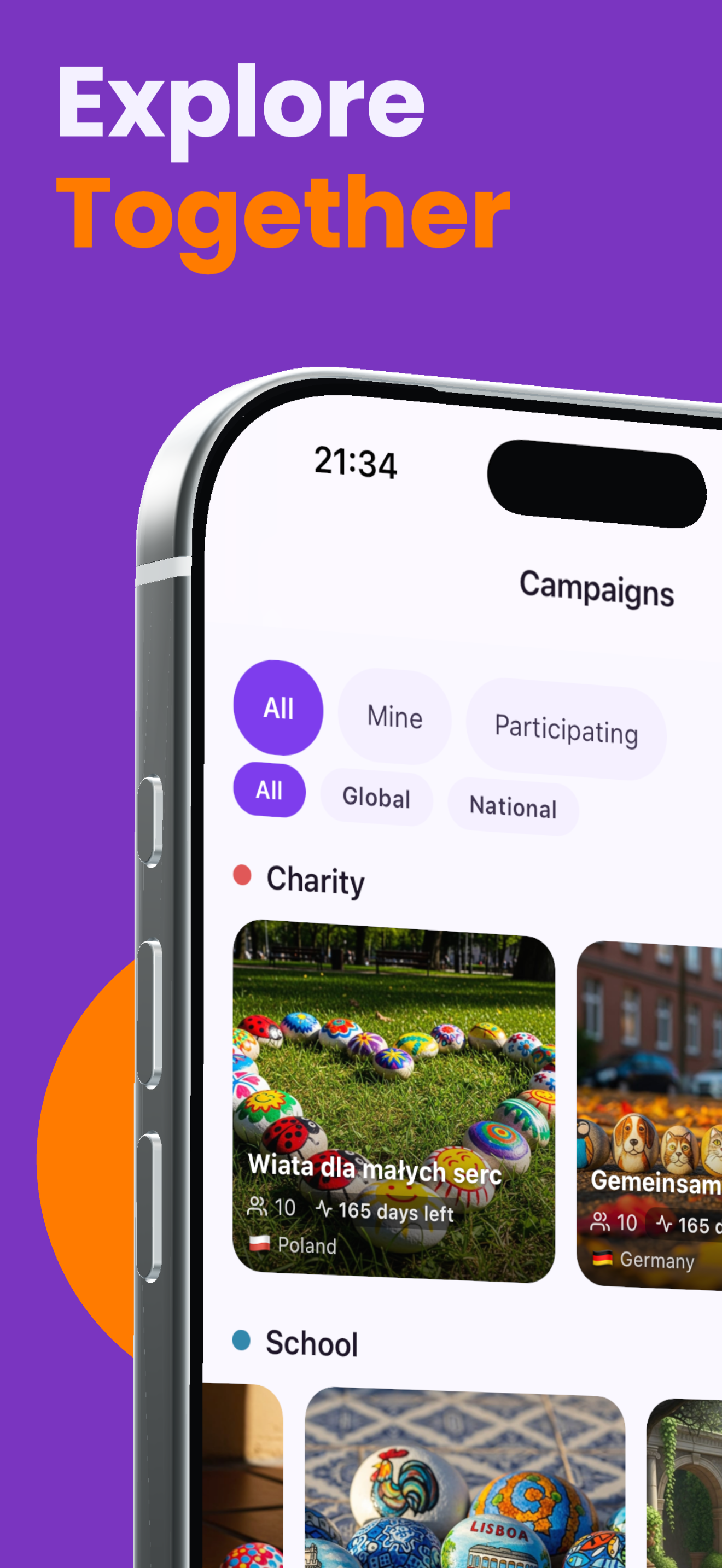
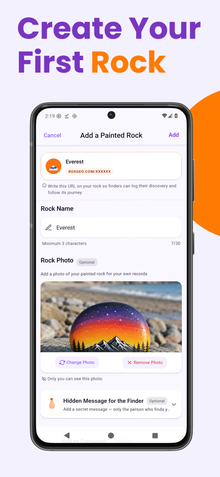
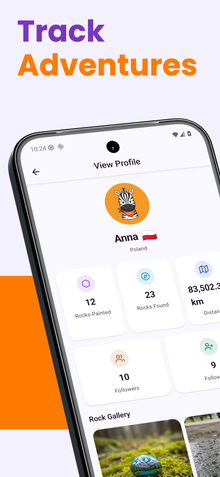
- Decide on RoxGeo registration - For older children (8+), registering rocks with RoxGeo adds an exciting tracking element to the project.
Easy Designs Children Can Do Themselves
For a group project, simple designs work best because they can be completed quickly and every child achieves a satisfying result:
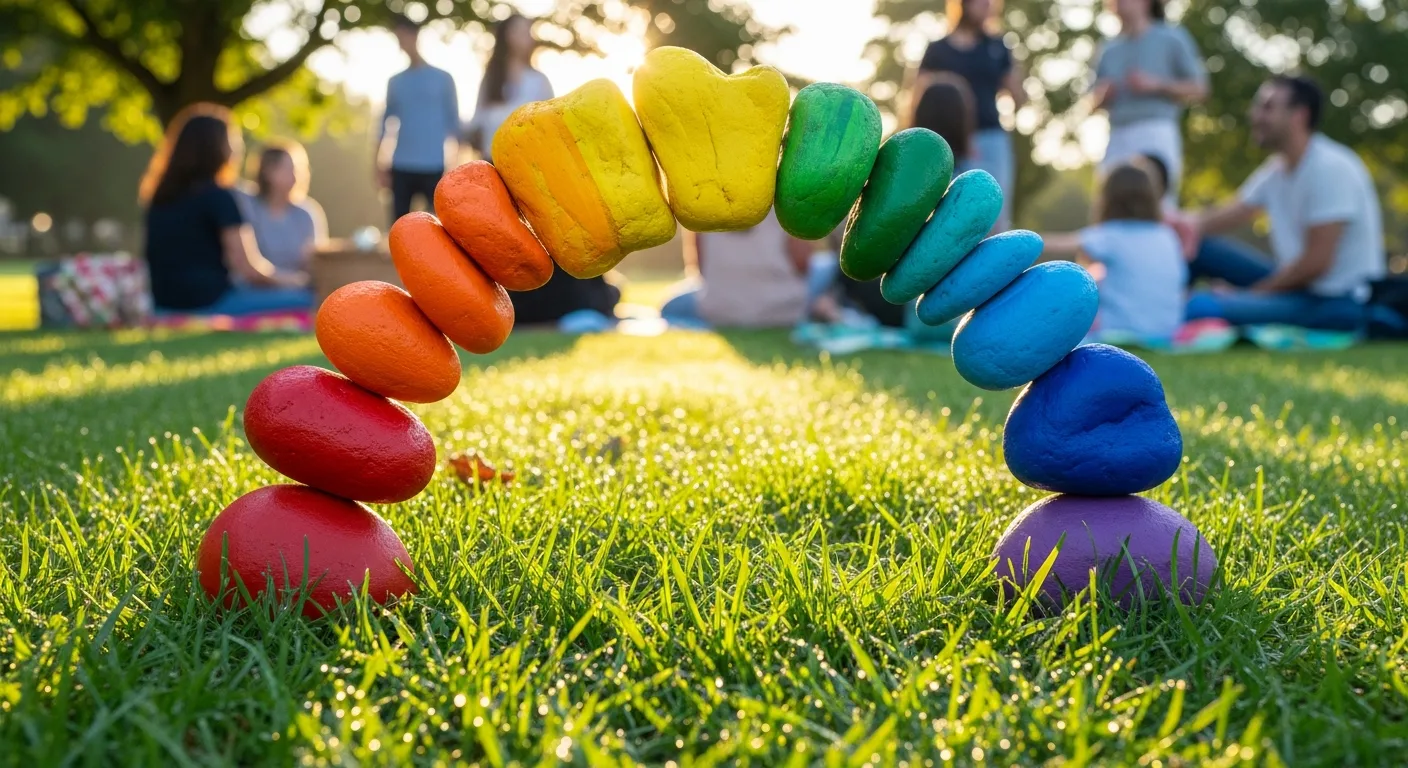
- Rainbow - A universal symbol of hope and joy. Even very young children can paint a rainbow arch.
- Smiley face - Yellow base with a simple smile. Universally understood and always received with a smile in return.
- Heart - Simple, powerful, and instantly communicates kindness.
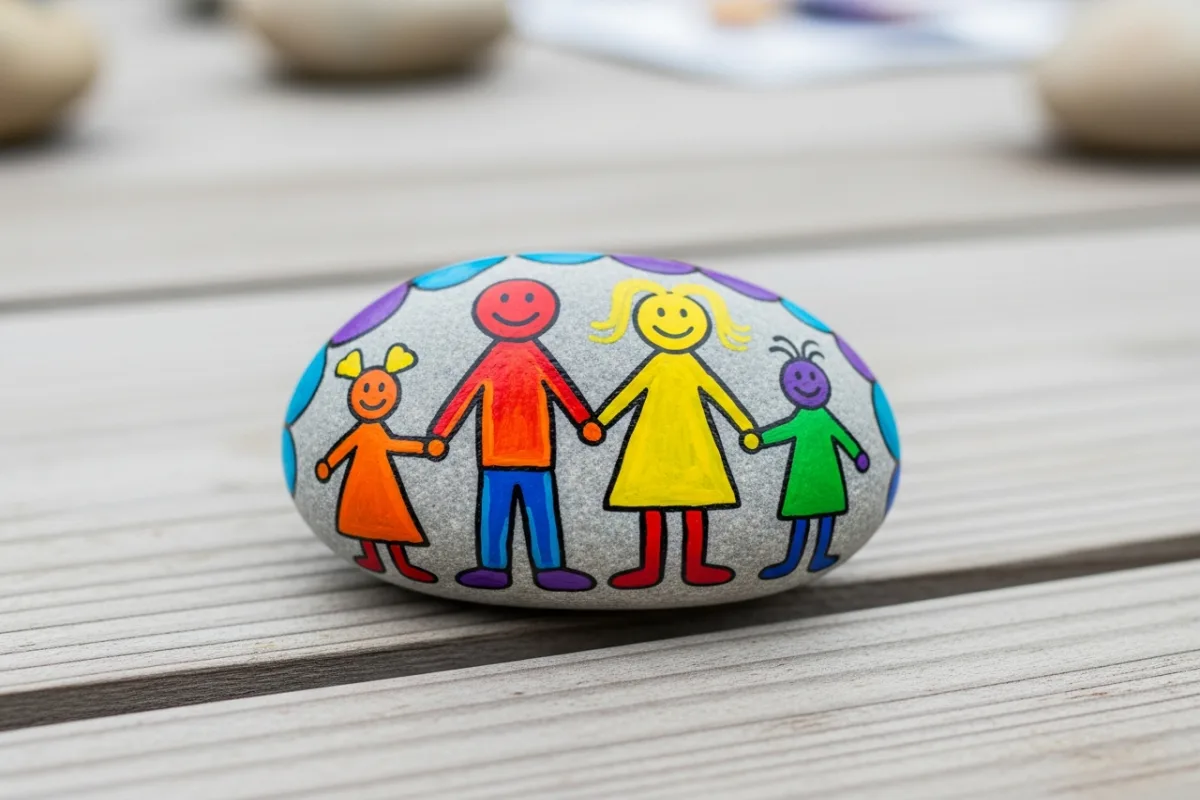
- Stick figure family - Children love painting their family. Even the simplest stick figures make finders smile.
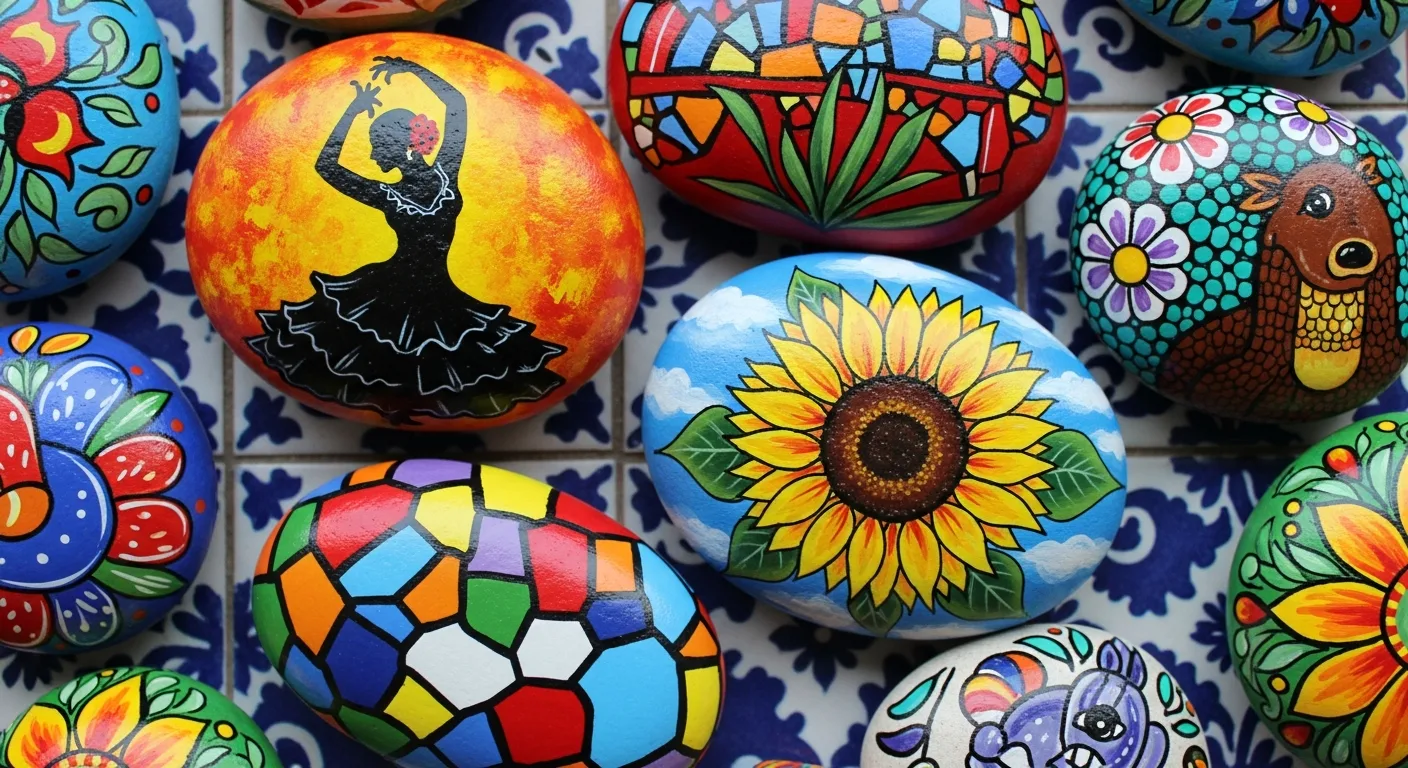
- Butterfly - Symmetrical wings in any bright colours. Children can stamp a folded piece of paper with paint and transfer the mirror pattern to the rock.
- Hand print - Press a paint-covered hand onto the stone. Especially meaningful for young children as it captures a moment in time.
For more age-appropriate ideas, see our kids rock painting guide.
How to Involve Schools and Local Groups
The most impactful kindness projects involve the wider community:
- Partner with a local school - Offer to run a rock painting session as a class activity for Children's Day. Most teachers welcome creative cross-curricular projects.
- Collaborate with parent groups - A school parent committee can organise a family painting afternoon on or near June 1.
- Connect with local businesses - A garden centre, café, or community space may donate venue space or materials in exchange for positive community visibility.
- Document and share - Take photos of the project (with parental consent for children's images) and share on community social media pages.
Hiding and Tracking Your Kindness Rocks
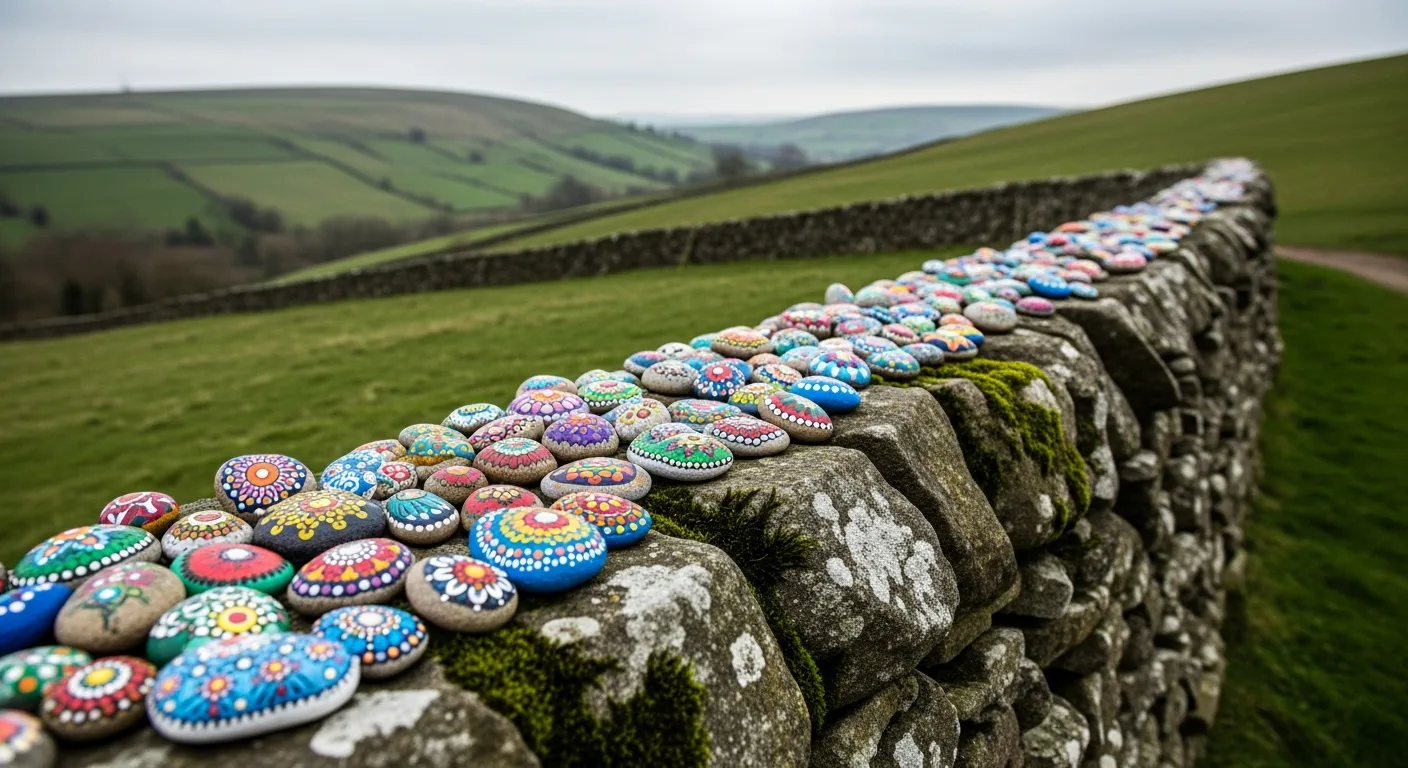
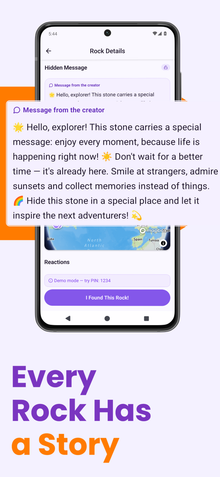
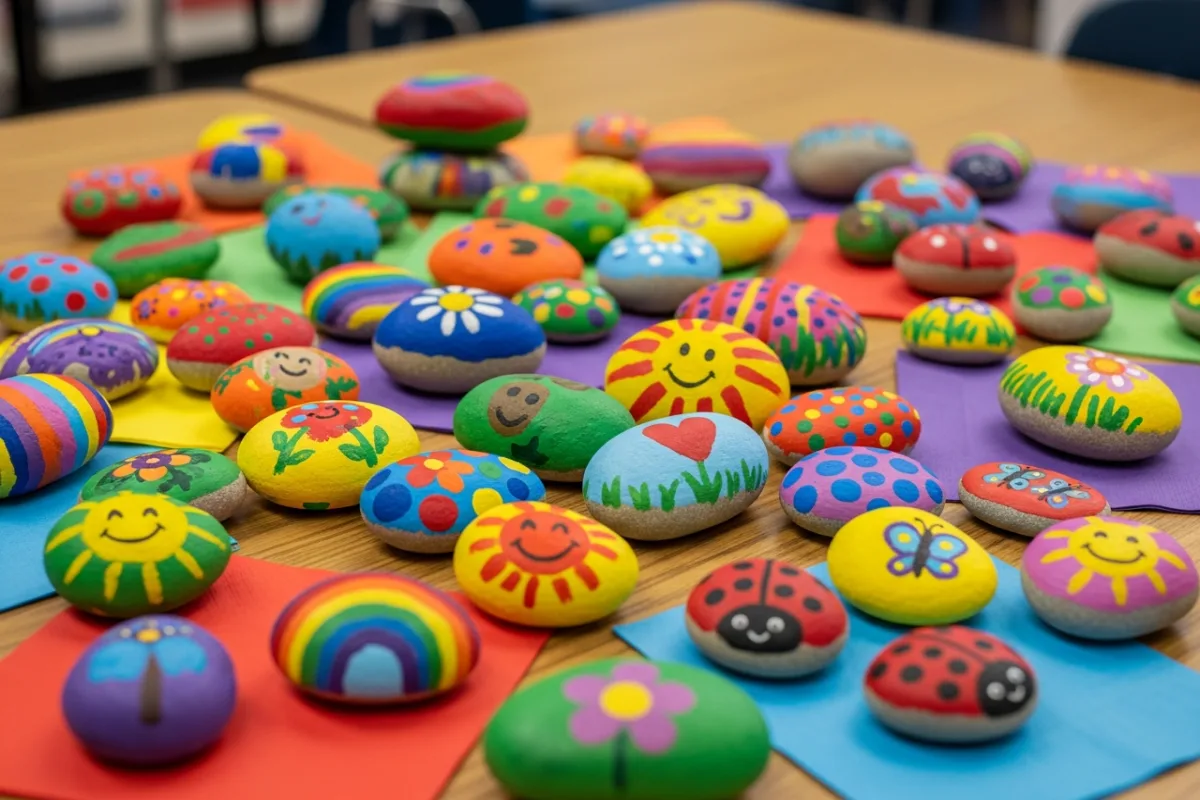
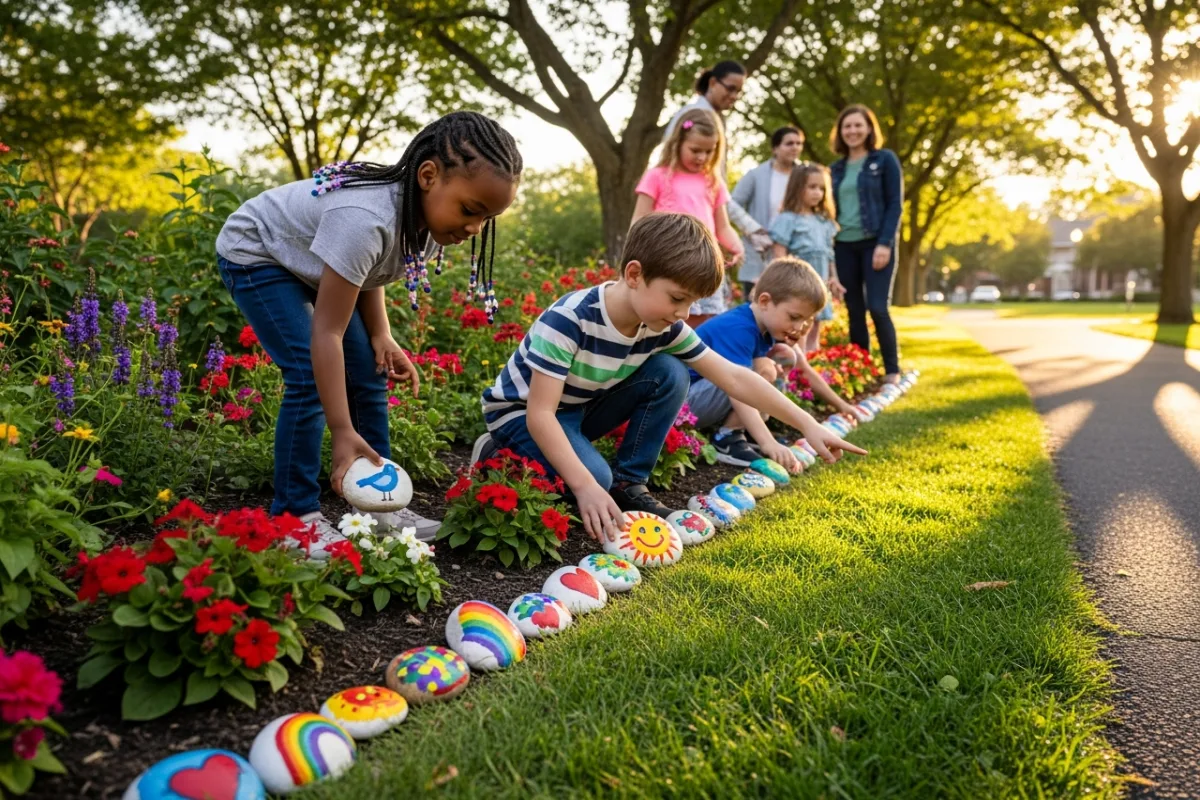
After the painting session, organise a group hiding event. Choose public spaces where rocks will be easily discovered - park paths, near playgrounds, outside libraries, or along a town centre walking route. Always follow the responsible guidelines in our rock hiding guide. If rocks are registered with RoxGeo, children can track their rocks on the live map - seeing exactly when and where their kindness was received. This real-time feedback is powerfully motivating for young participants.
Sharing the Project on Social Media
A well-documented kindness project inspires others to create their own. Use a hashtag specific to your group and location alongside wider community tags. Share the journey - the messy painting session, the finished rocks, the hiding event, and (with permission) any finds that are reported back. Connect with other kindness rock groups via our worldwide community guide.
Frequently Asked Questions
How many rocks should each child paint for a class project?
For a single class session of 45–60 minutes, each child realistically completes 1–2 rocks to a good standard. For a larger project, consider having children paint 1 rock per session across multiple sessions leading up to June 1.
What do we do with the finished rocks if we can't hide them immediately?
Store unsealed rocks flat and avoid stacking. Once sealed (which requires adult supervision for spray sealants), they can be stored safely in boxes. The hiding event can happen the next day or even the following weekend - it does not need to happen the same day as the painting.
How do we make the project inclusive for children with different abilities?
Rock painting is remarkably inclusive. Children with physical limitations can use large stones, thick brushes, and sponges instead of fine brushes. Finger painting removes the need for fine motor control entirely. Focus the design brief on colour and expression rather than precise representation - this gives every child the freedom to create something genuinely theirs.