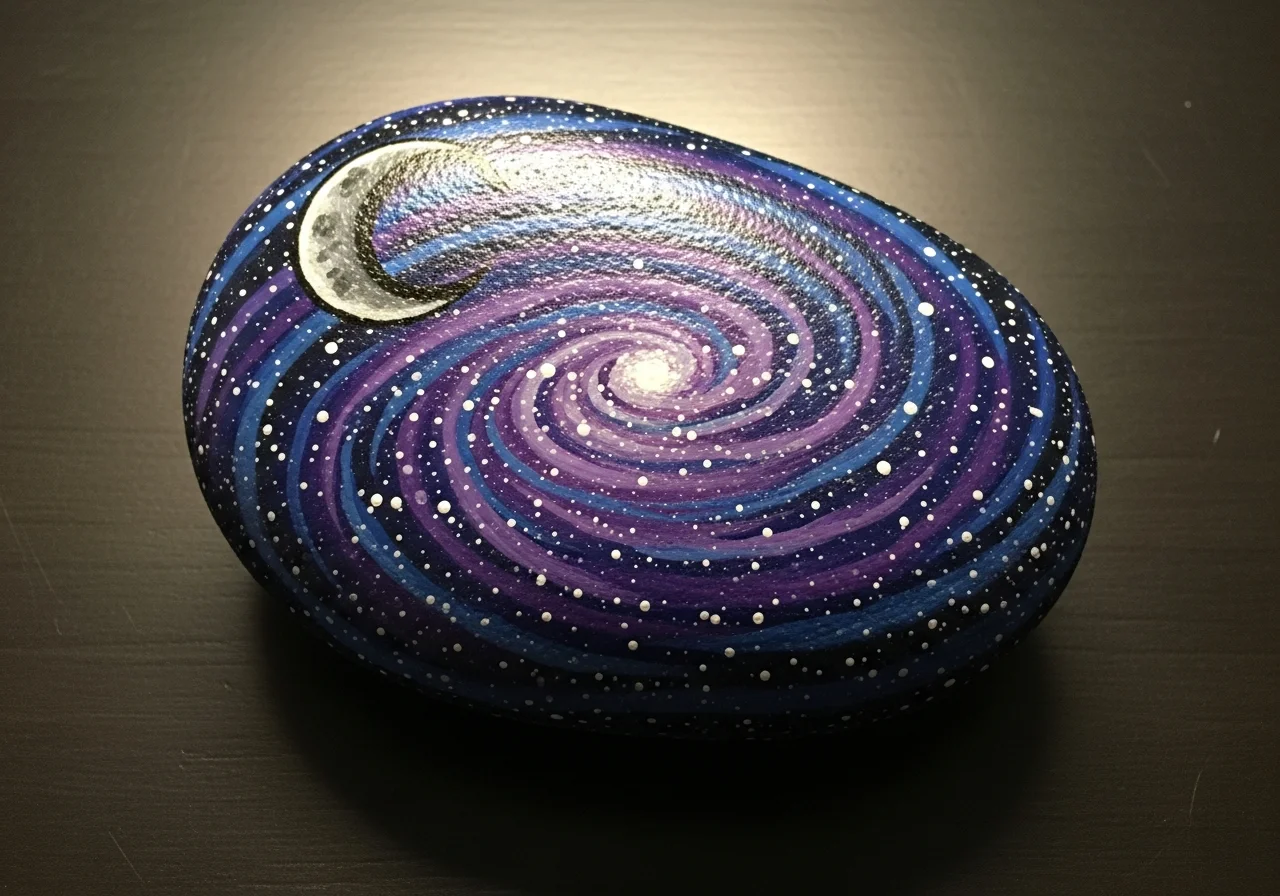
The art therapy benefits of rock painting go far beyond creating pretty stones. For children, the simple act of painting a rock provides a tactile, grounding experience that supports emotional regulation, builds self-esteem, and offers a safe channel for self-expression. Therapists, educators, and parents alike are discovering that rock painting is a powerful therapeutic tool for children of all ages.
Emotional Regulation
The repetitive, focused nature of rock painting - choosing colours, applying careful brushstrokes, dotting patterns - naturally slows the mind and body. For children experiencing anxiety, stress, or sensory overload, this calming activity provides a mindful focus that helps regulate emotions. The child concentrates on the immediate task, leaving worries behind.
Research in art therapy supports this effect. Engaging in creative activities triggers the release of dopamine, the brain's feel-good neurotransmitter, while the focused concentration activates the parasympathetic nervous system, reducing stress hormones.
Self-Expression and Communication
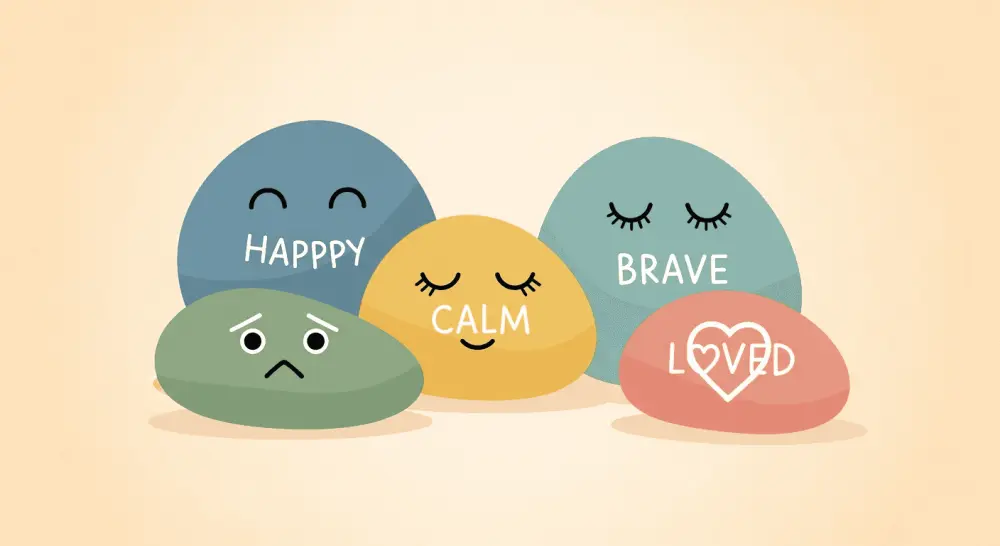
Some children find it difficult to express their feelings in words. Rock painting provides an alternative language - colours, images, and patterns that communicate emotions without requiring verbal articulation. A child who paints a stormy sky may be expressing anxiety; a bright sunflower may represent hope. Therapists can use these creations as conversation starters, gently exploring what the child's choices mean to them.
Building Self-Esteem
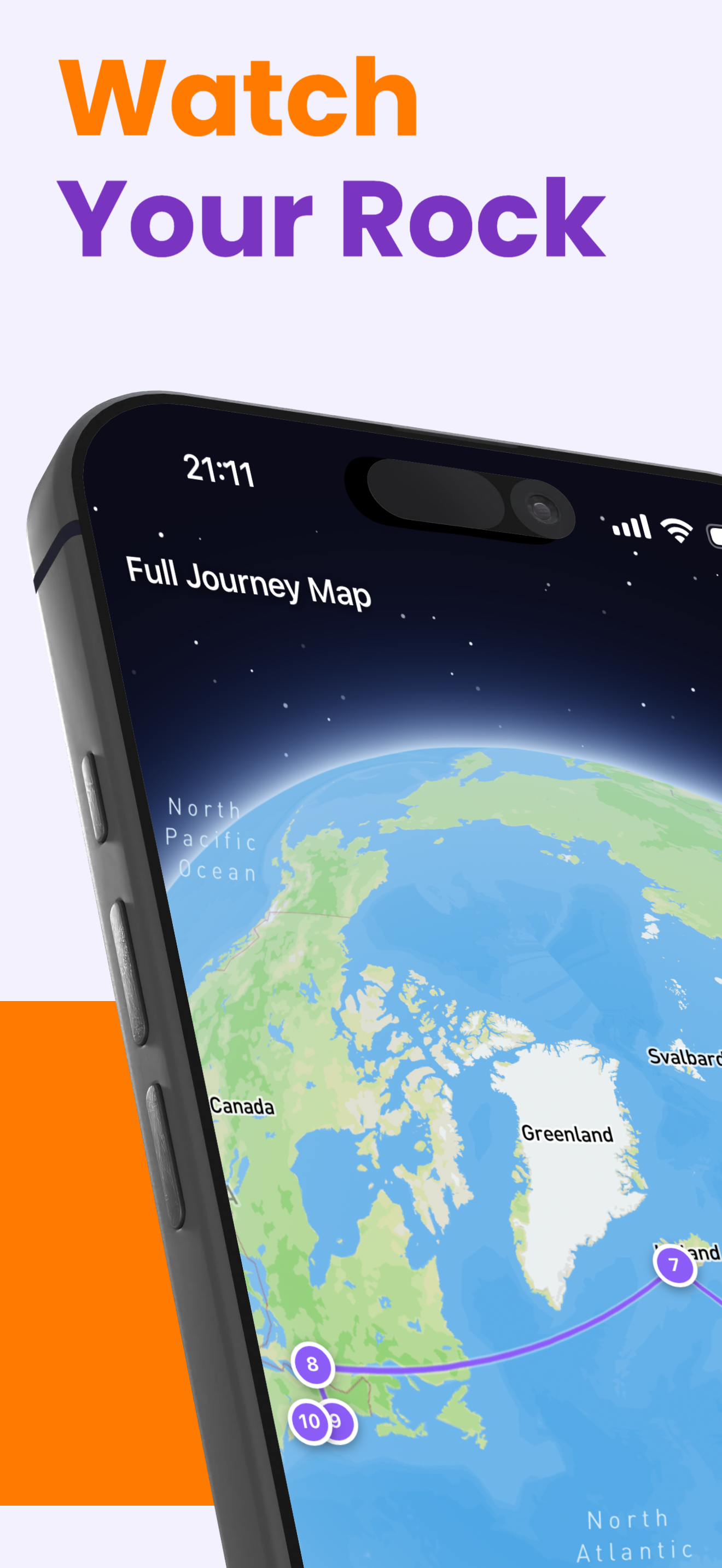
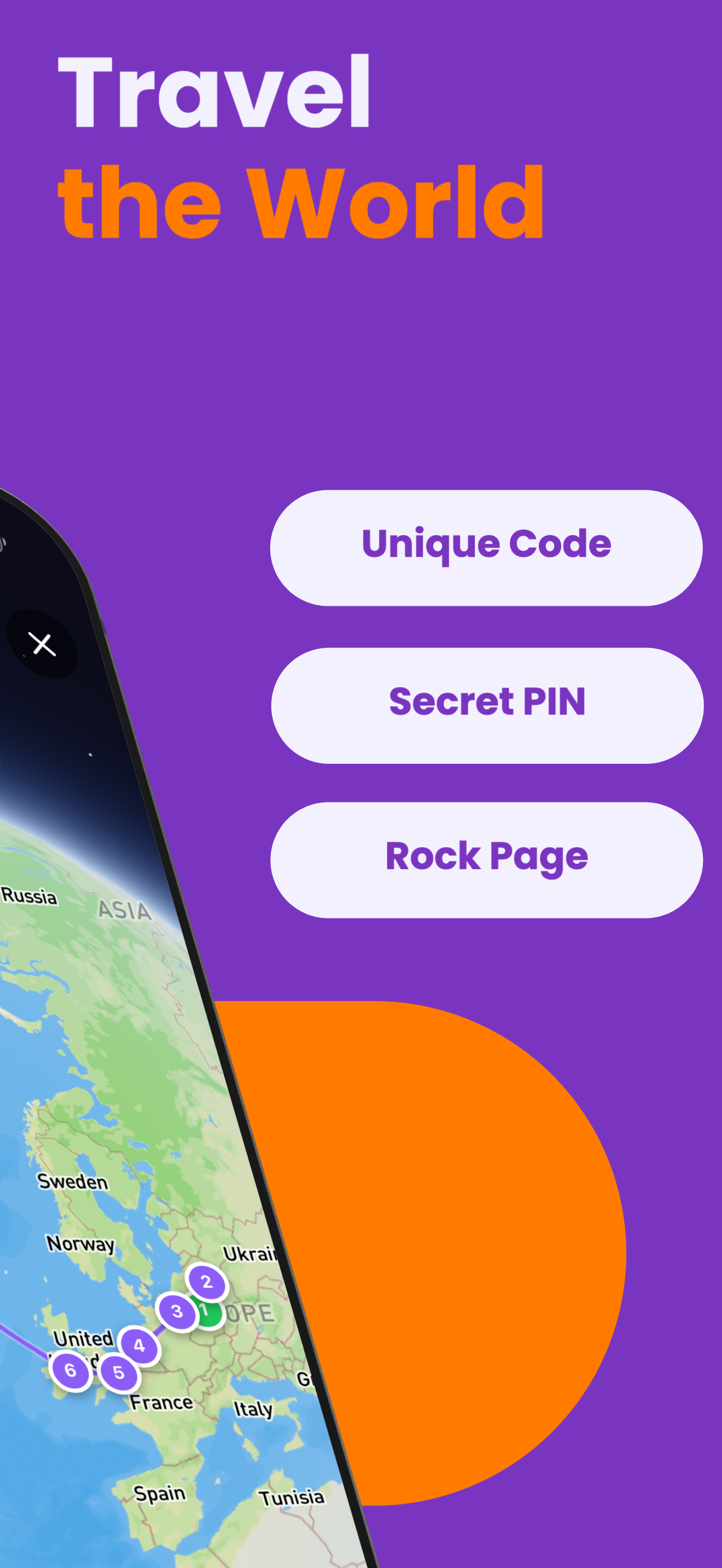
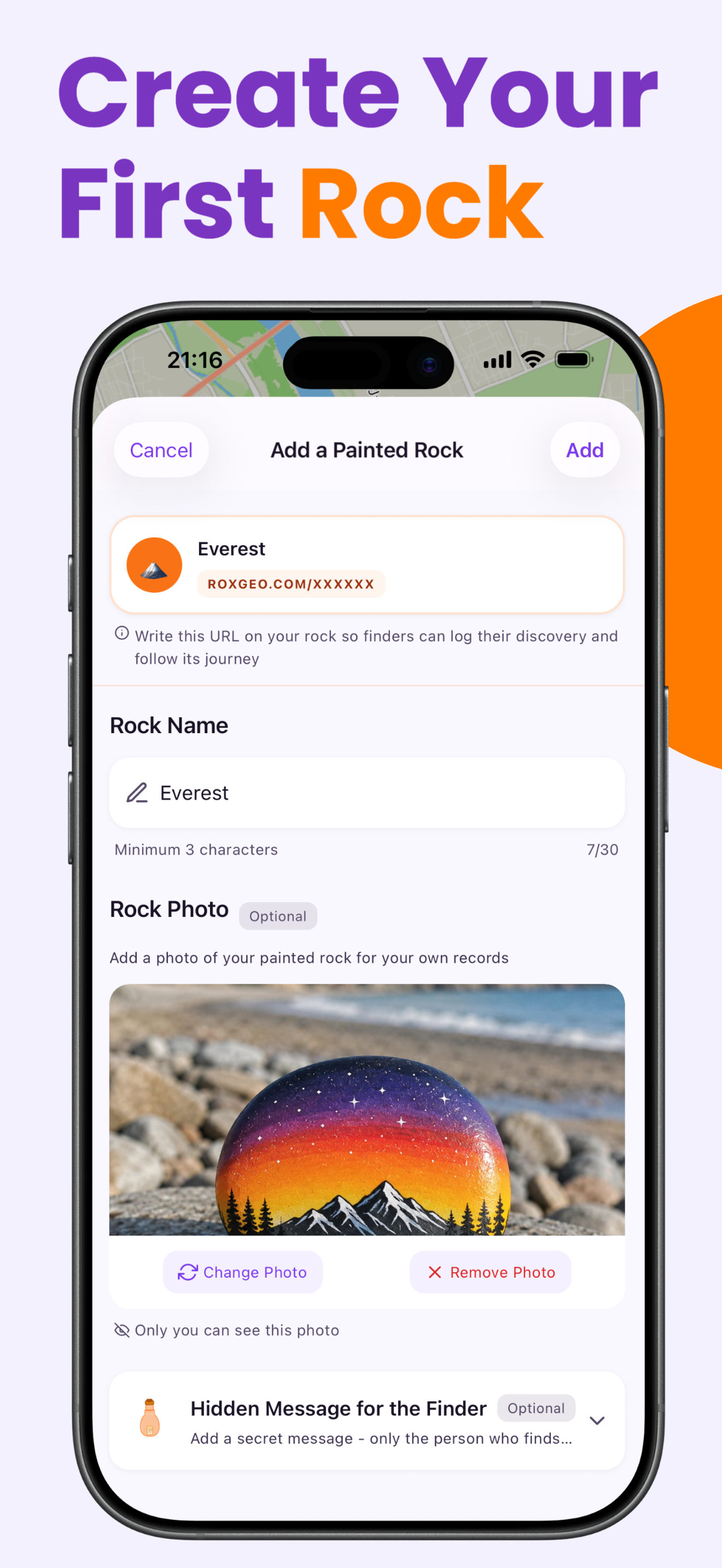
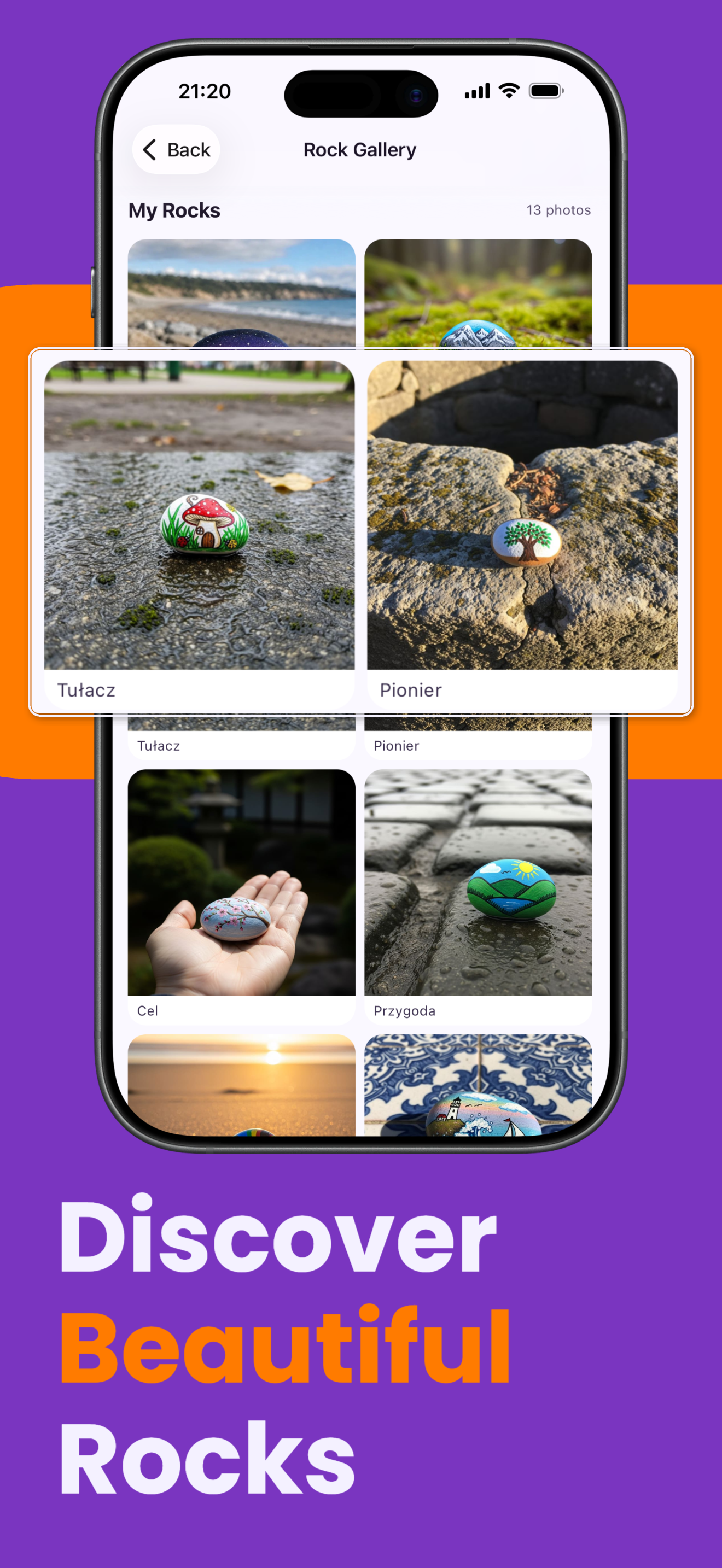
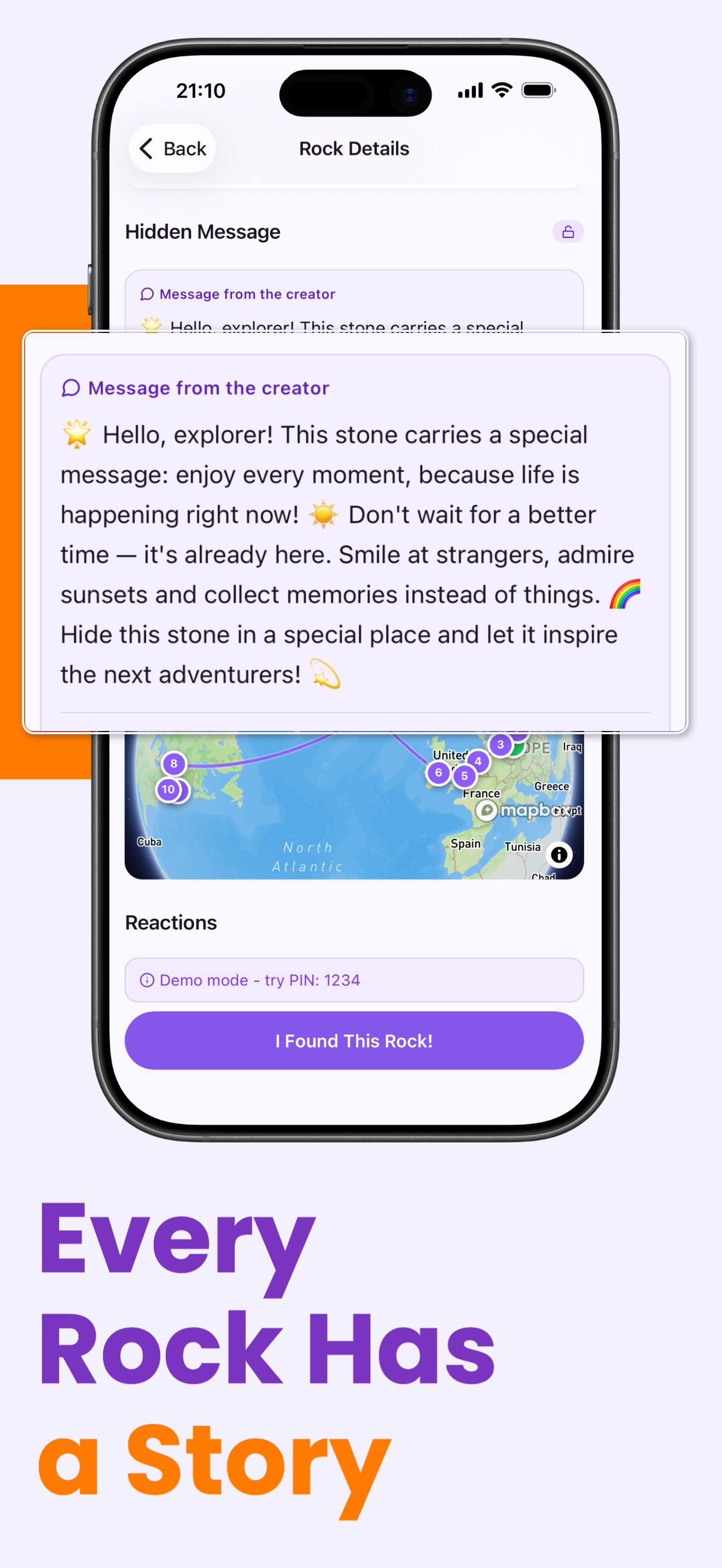
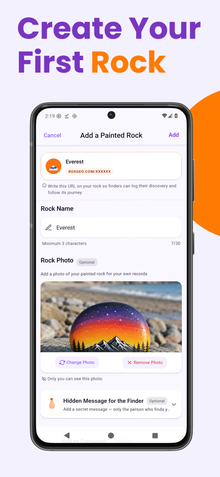
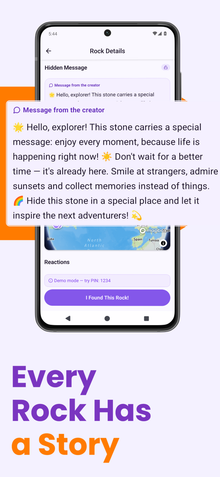
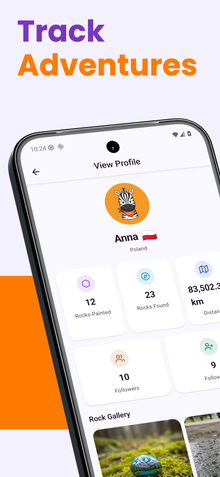
Completing a painted rock gives children a tangible sense of accomplishment. They can hold their creation, show it to others, and feel proud of something they made with their own hands. When that rock is hidden and found by someone else - and the finder registers it on RoxGeo - the child receives external validation that their creation brought joy to a stranger. This powerful feedback loop builds confidence and self-worth.
Mindfulness and Presence
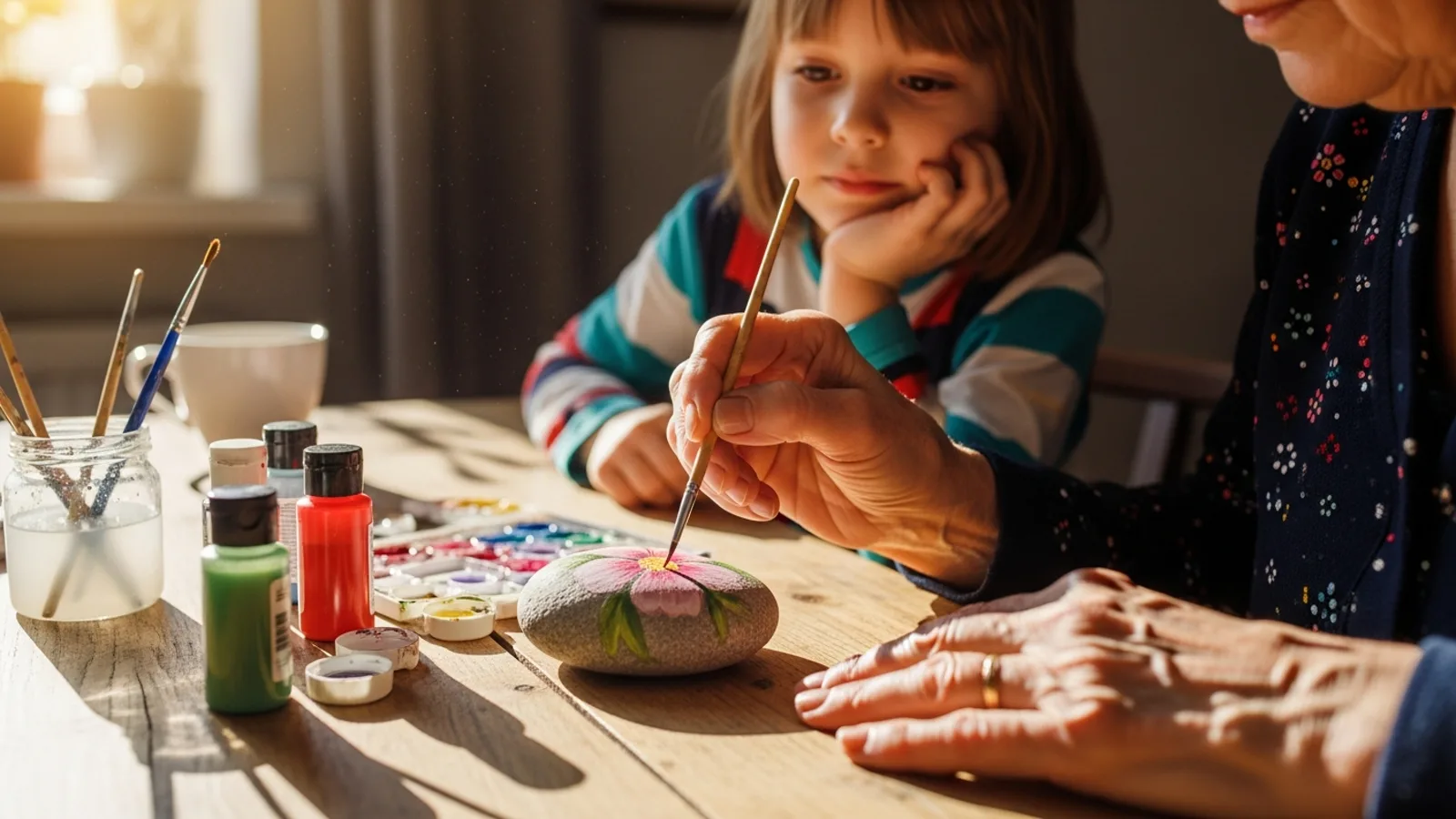
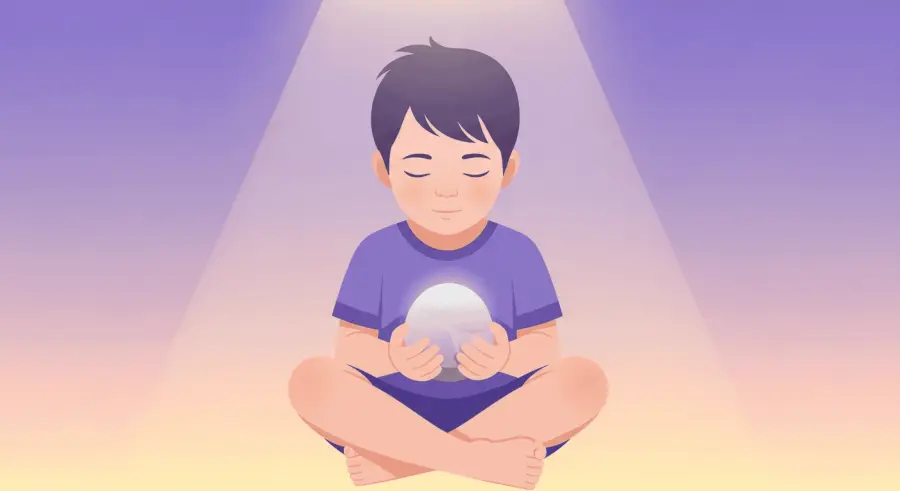
Rock painting is inherently a mindful activity. The child must be present - feeling the stone's texture, observing the paint's consistency, controlling the brush's movement. This sensory engagement anchors them in the present moment, a core principle of mindfulness practice. For children who struggle with attention or hyperactivity, the tactile and visual engagement of rock painting can be surprisingly centering.
Social Connection
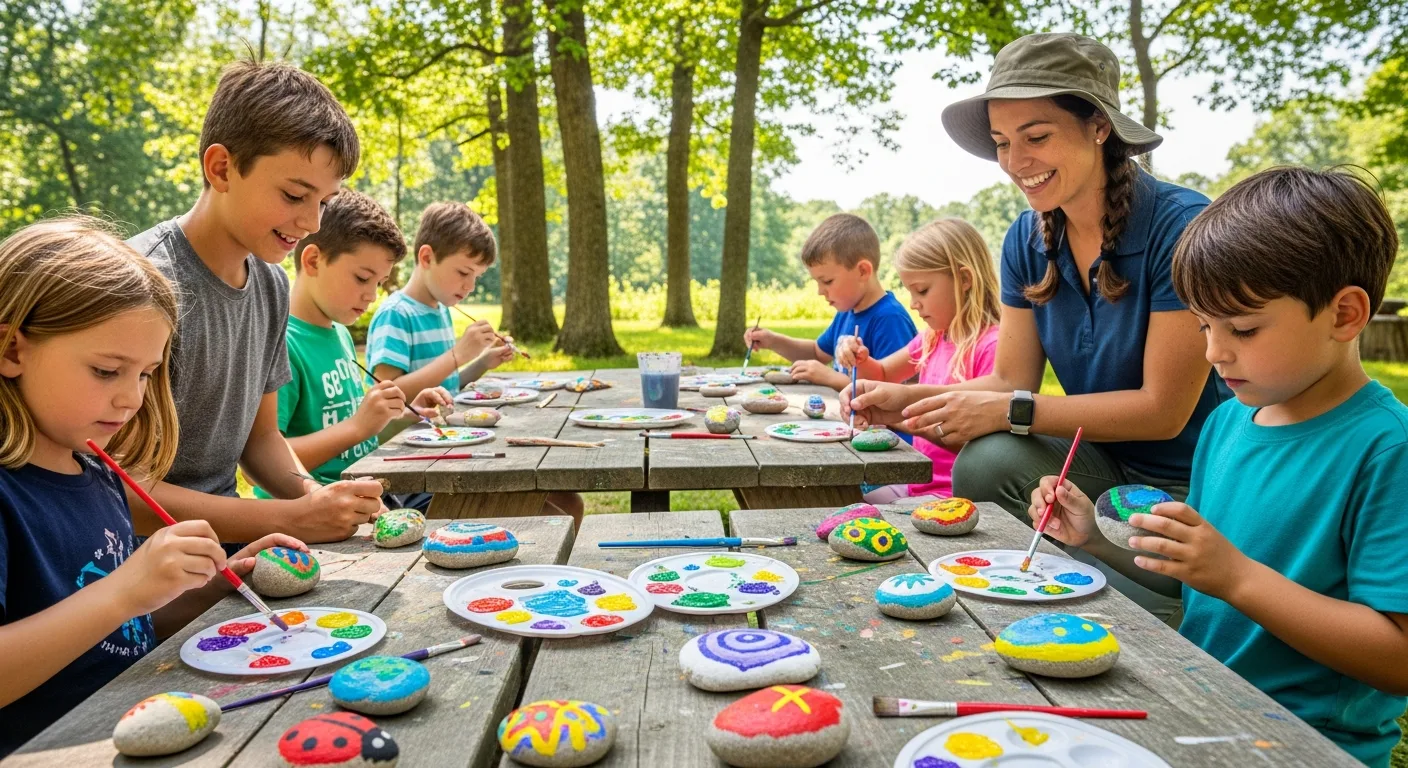
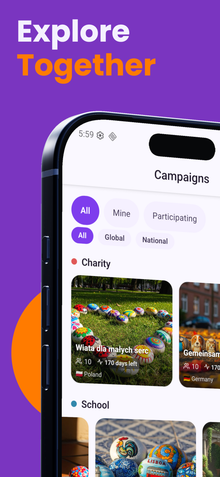
Rock painting can be both solitary and social. In group settings, children paint alongside peers, sharing materials, ideas, and encouragement. The painted rock community extends this social connection - hiding a rock and having it found by a stranger creates a sense of belonging to a larger, kind-hearted community.
Practical Tips for Therapeutic Rock Painting
- Create a calm environment - soft music, natural light, and unhurried time enhance the therapeutic effect.
- Avoid perfection pressure - emphasise the process over the product. There are no mistakes in art therapy.
- Let the child lead - offer suggestions but allow them to choose their own colours, designs, and pace.
- Talk gently about their work - ask open questions like "Tell me about your rock" rather than judging or interpreting.
- Use natural stones - the connection to nature adds another grounding element to the experience.
- Include the hide-and-find element - the anticipation and excitement of someone finding their rock adds a dimension of hope and positive expectation.
Rock Painting for Specific Needs
Rock painting has shown benefits for children with various needs:
- Anxiety disorders: The calming, repetitive nature of painting reduces anxious thoughts.
- Autism spectrum: The tactile experience and structured activity provide comfortable sensory engagement.
- Grief and loss: Creating a memorial rock can help process feelings of loss in a tangible way.
- ADHD: The multi-sensory engagement can improve focus and provide a satisfying outlet for energy.
- Low self-esteem: Completing and sharing a creation builds confidence and a sense of contribution.
Rock painting as art therapy combines creativity, nature, and community in a simple, accessible activity. Explore more about how RoxGeo supports families and educators through our schools page.