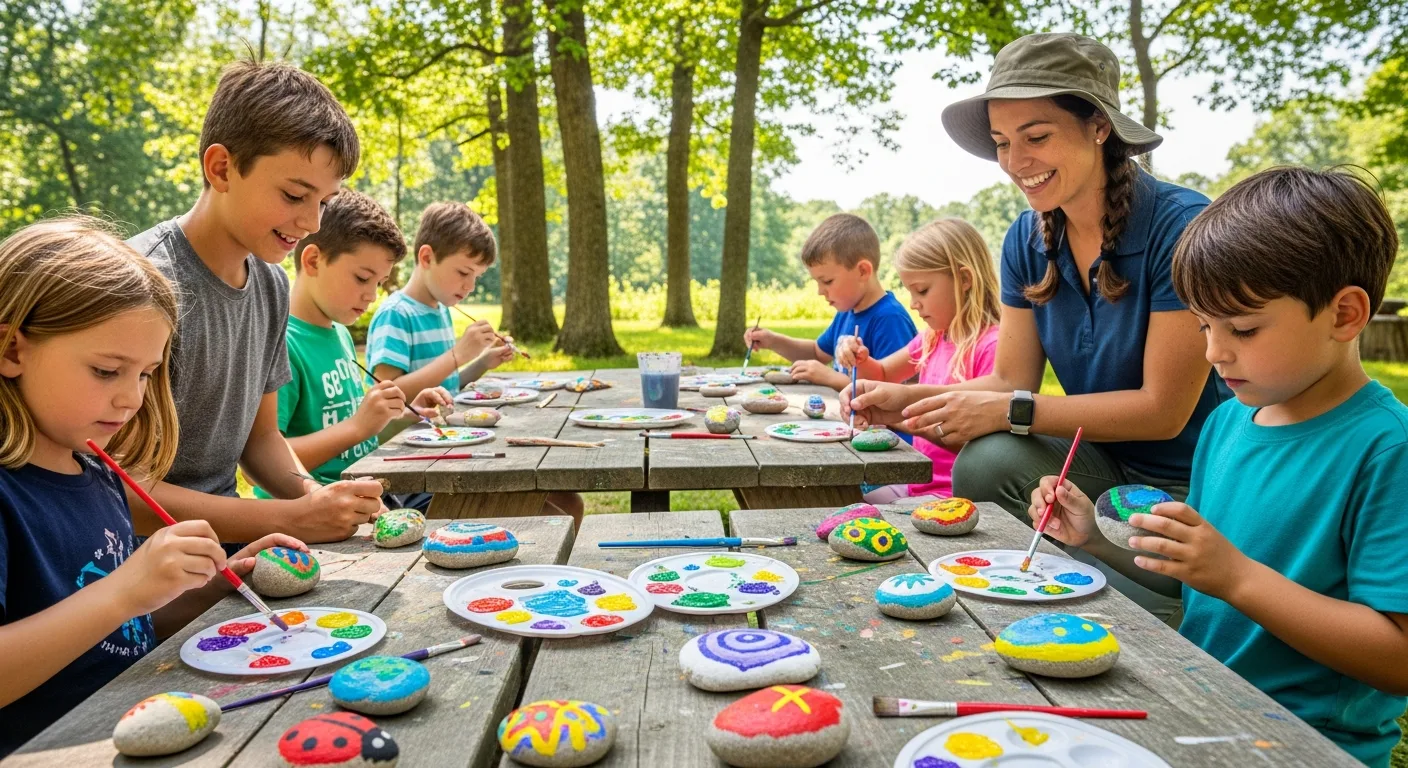
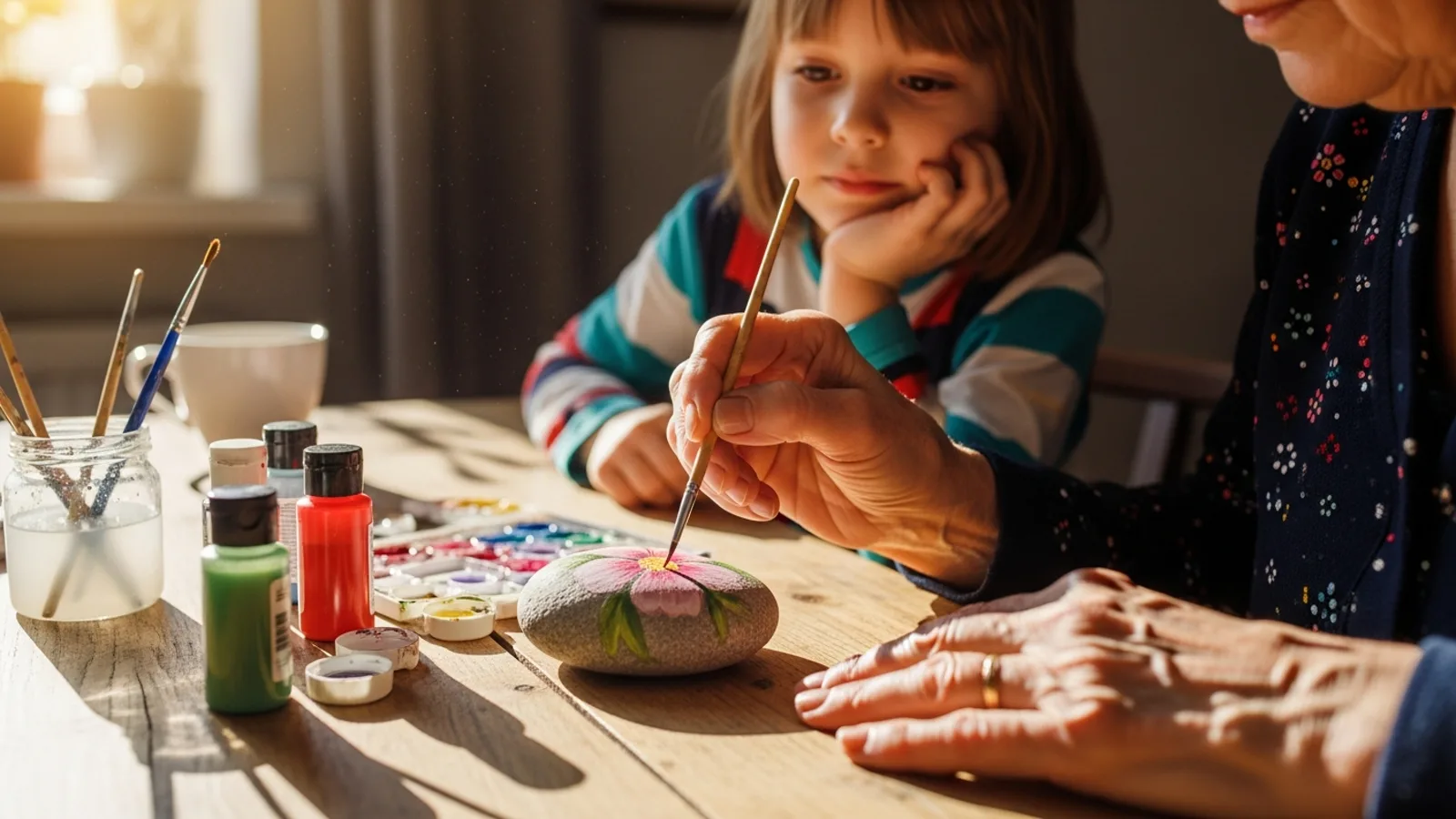
The painted rock movement naturally intersects with environmental education in meaningful ways. Participants spend time outdoors, interact with natural materials, and make conscious choices about the products they use. For educators, rock painting offers a gateway to teaching environmental awareness, ecological responsibility, and nature appreciation - all through an activity children genuinely enjoy.
Learning About Natural Materials
Rock painting begins with a rock - a piece of the Earth. This starting point opens conversations about geology, the rock cycle, and the Earth's history. Students learn where rocks come from, how they form over millions of years, and why certain stones are smoother or harder than others. Holding a river stone that has been shaped by water over centuries creates a tangible connection to geological time.
Responsible Sourcing
One of the first environmental lessons in rock painting is where to get your stones. The community teaches that you should never take rocks from environmentally sensitive areas, protected habitats, riverbeds where they serve ecological functions, or natural formations. Instead, use loose stones from beaches where they are abundant, purchase craft rocks from garden centres, or collect them from construction sites with permission.
This lesson extends beyond rocks - it teaches the broader principle of interacting with nature responsibly, taking only what is freely available without disrupting ecosystems. Check our rules page for detailed sourcing guidelines.
Eco-Friendly Materials
Environmental education through rock painting includes choosing safe, eco-friendly materials:
- Non-toxic paints - water-based acrylic paints that will not leach harmful chemicals into soil or water.
- Safe sealants - choosing sealants that are food-safe and environmentally neutral.
- Avoiding glitter and plastics - decorative elements like glitter are microplastics that pollute waterways. The community advocates for paint-only decoration.
- Proper disposal - cleaning brushes in contained water and disposing of paint waste responsibly.
Outdoor Exploration and Nature Appreciation
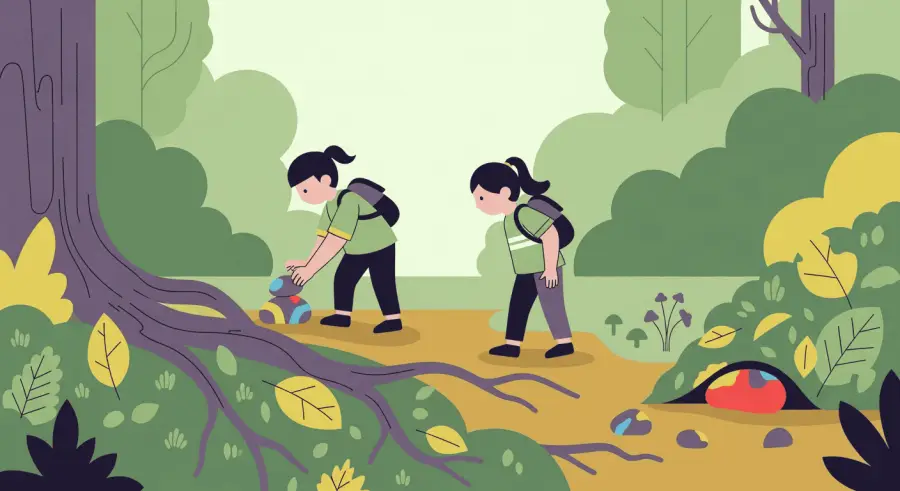
Hiding and finding painted rocks gets people outdoors. Children who participate in rock hunting develop a natural appreciation for their local environment - parks, trails, gardens, and green spaces become exciting treasure hunting grounds. This increased outdoor time contributes to:
- Better understanding of local ecosystems and wildlife.
- Physical activity and improved wellbeing.
- Emotional connection to nature that fosters long-term environmental stewardship.
- Awareness of litter, habitat damage, and environmental issues encountered during outdoor activities.
The "Leave It Better" Principle
Many rock painting communities embrace a "leave it better than you found it" philosophy. When hiding or seeking rocks, participants are encouraged to pick up any litter they see along the way. Some groups organise combined rock painting and park clean-up events, turning a creative hobby into active environmental care.
Teaching Through the Tracking Data
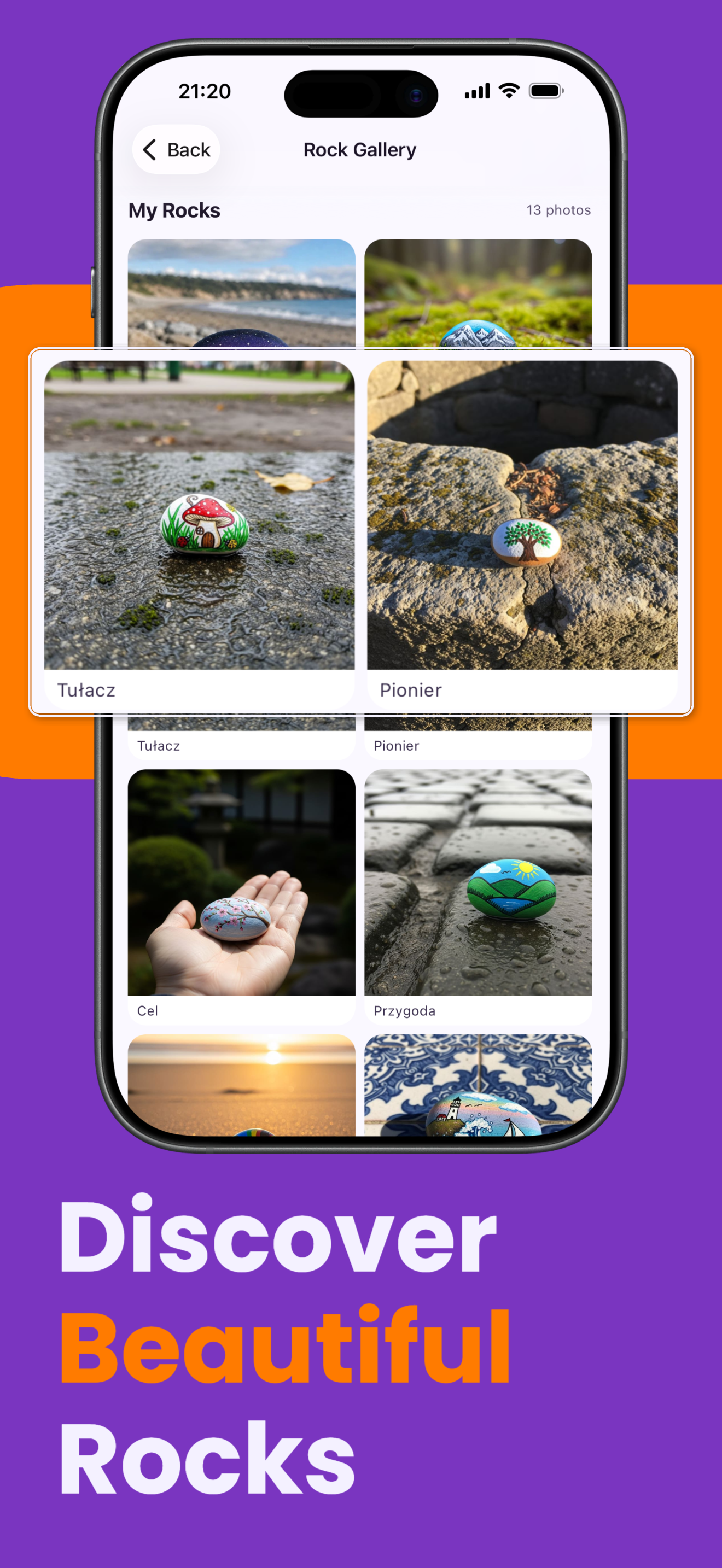
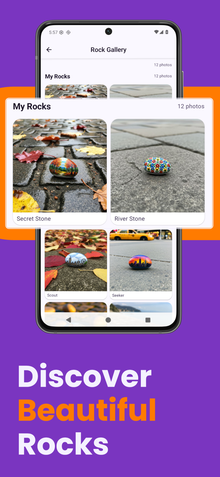
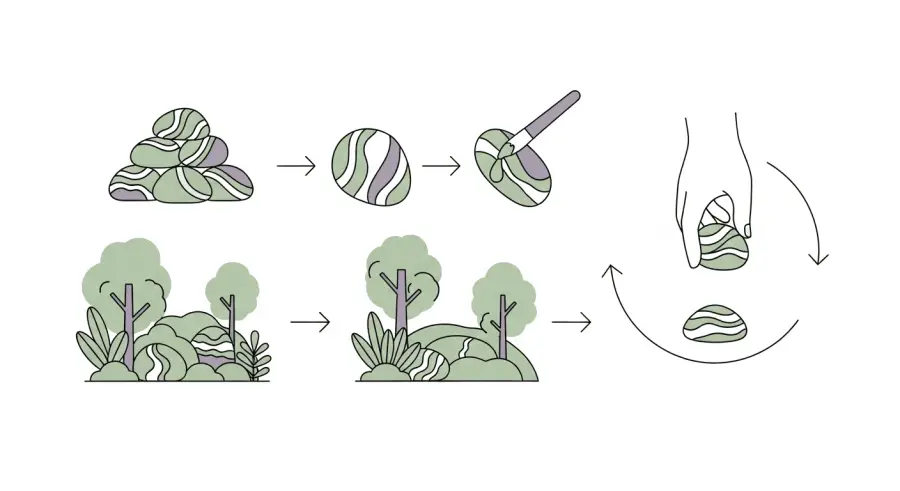
Rock journey data on RoxGeo can also support environmental discussions. When students see their rocks traveling through different landscapes - forests, mountains, coastal areas, urban parks - they can research the environmental characteristics and challenges of each location. This data-driven approach makes environmental education personal and relevant.
Explore more ways to combine education and environmental awareness with RoxGeo for Schools. Our platform supports responsible, eco-conscious rock painting and tracking for classrooms worldwide.