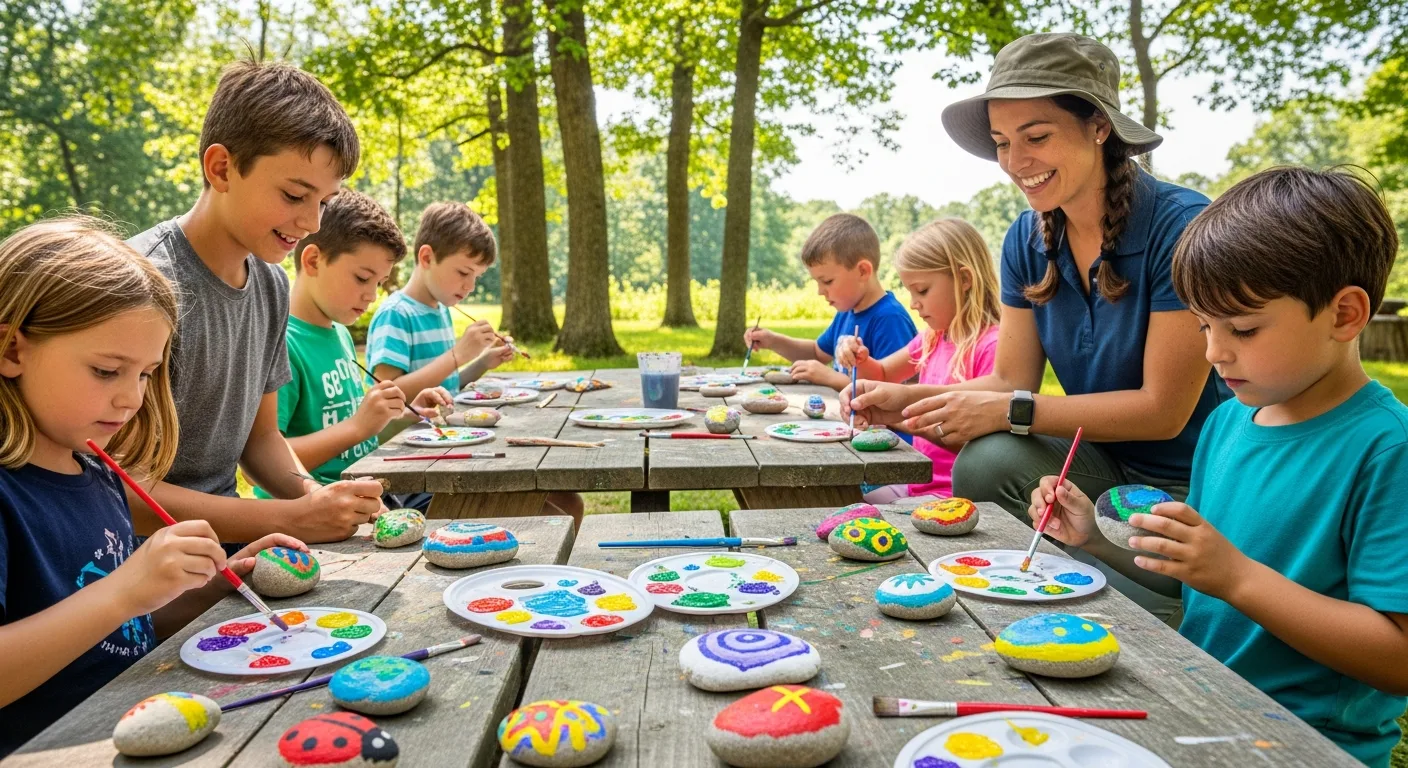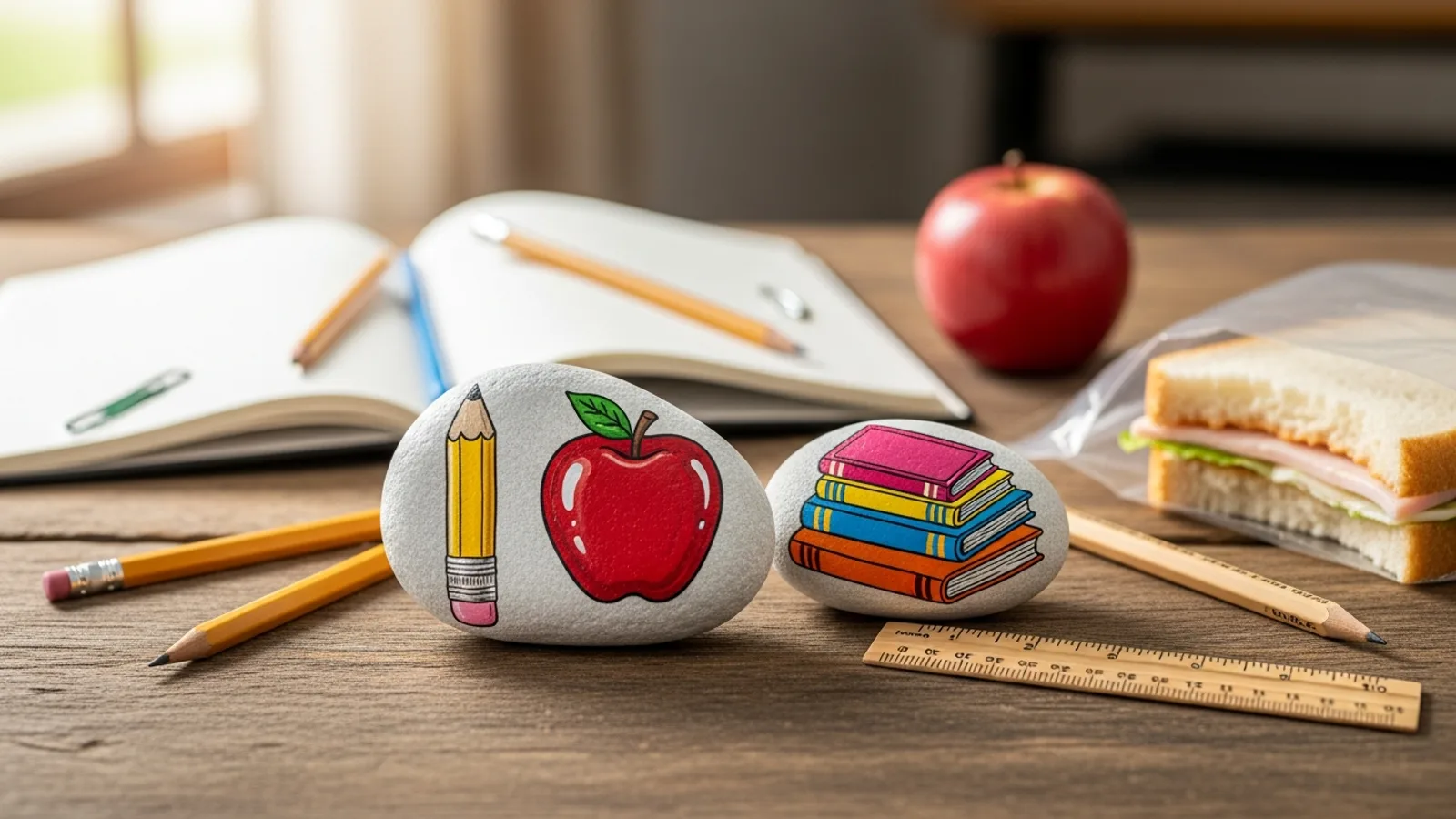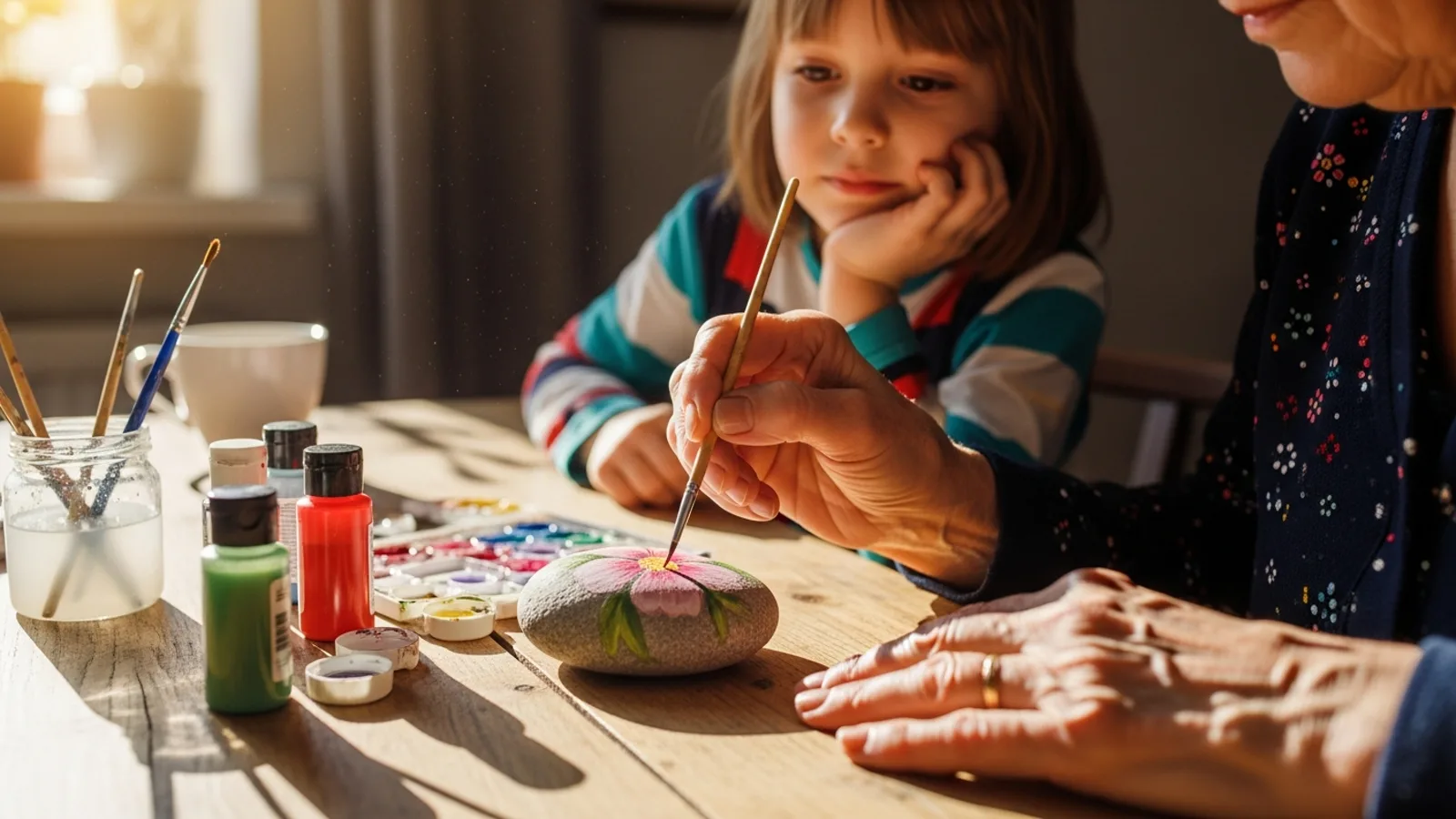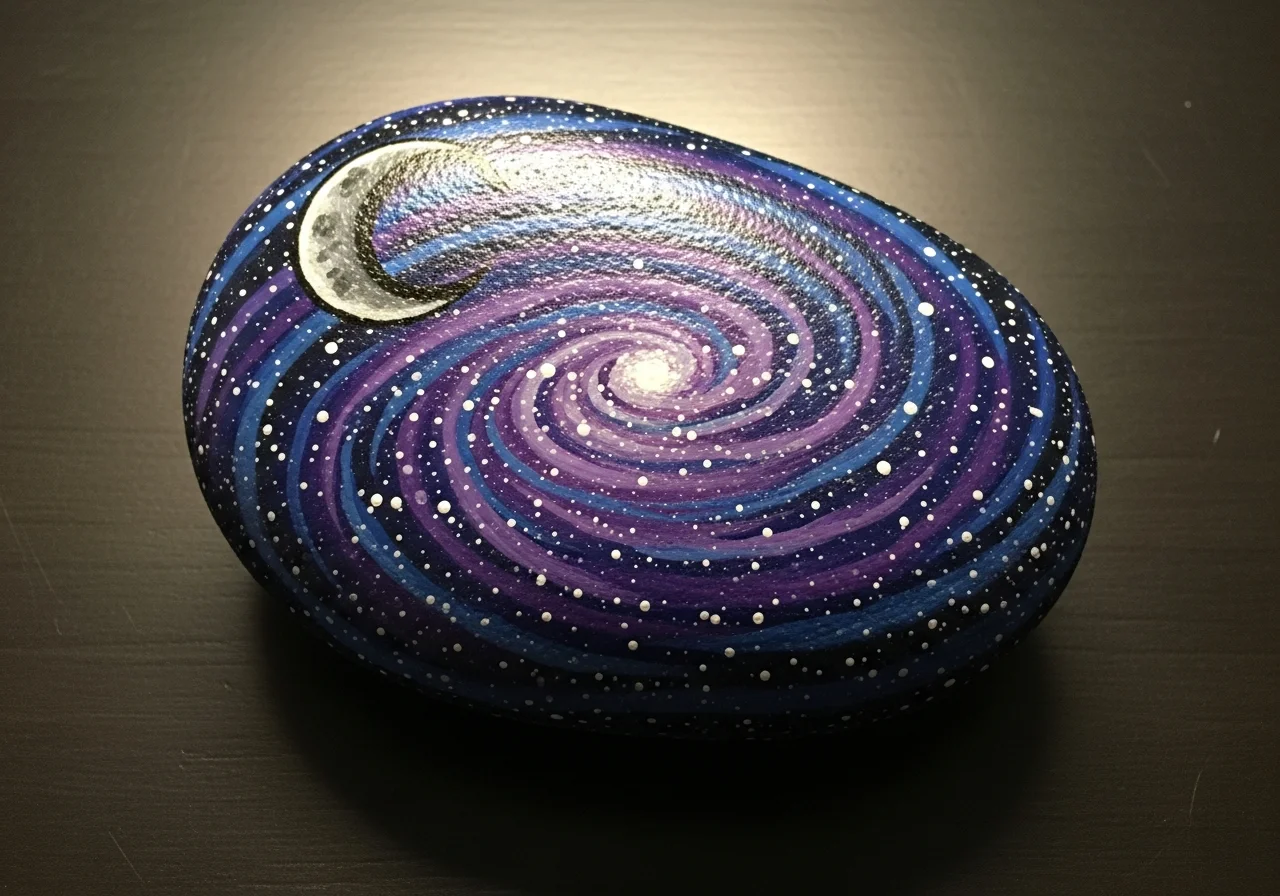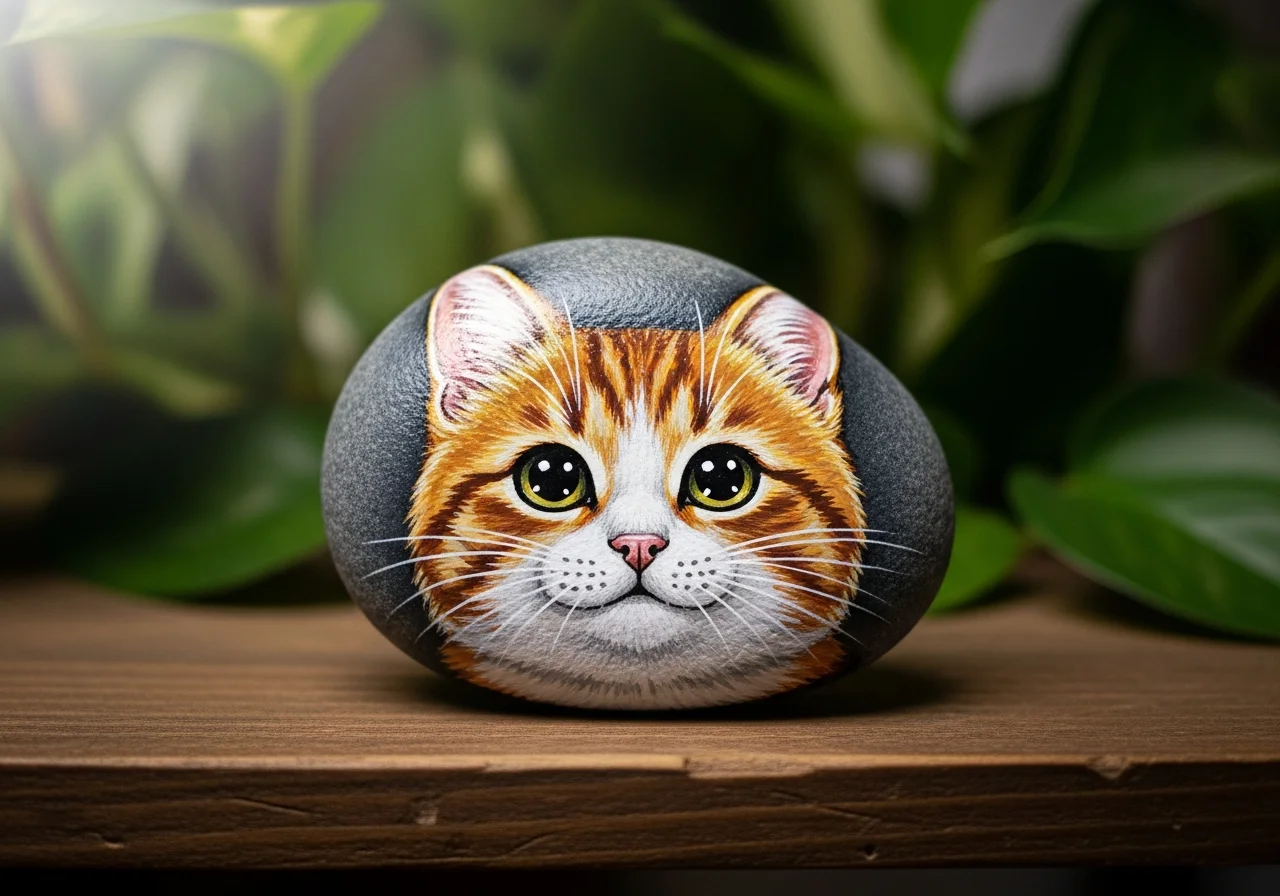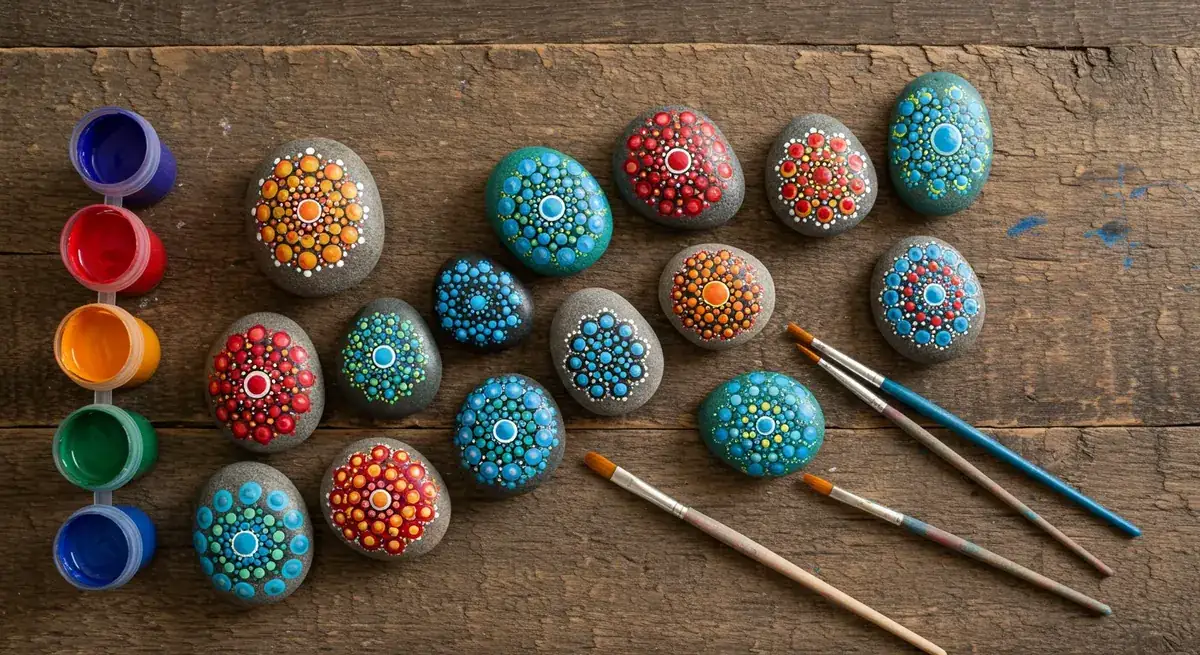
Rock painting with toddlers is a wonderful sensory activity that combines creativity, outdoor exploration, and fine motor skill development. Children as young as 18 months can participate with the right materials and supervision. This guide covers everything parents need to know to make rock painting safe, fun, and age-appropriate for little ones.
The best part? Once painted, these rocks become outdoor treasures ready to hide and track using RoxGeo, turning a simple craft into an ongoing adventure.
Choosing Safe Materials
Safety comes first when painting with toddlers. Use only non-toxic, washable paints labelled AP (Approved Product) or bearing the ASTM D-4236 safety certification. Tempera paints are ideal for very young children - they wash off skin and clothes easily and have no harmful chemicals.
- Washable tempera paint - safest option for under-3s
- Non-toxic acrylic paint - better durability for ages 3+
- Finger paint - perfect for sensory exploration
- Dot markers - no-mess option that toddlers love
Avoid spray paints, oil-based paints, and any paint containing heavy metal pigments. For a detailed guide to paint safety, read our non-toxic paints and sealants article.
Preparing Your Workspace
Set up a dedicated painting area with a plastic tablecloth or old newspaper. Dress your toddler in an old shirt or art smock. Have wet wipes and a bowl of water nearby for quick clean-ups. Choose smooth, flat river stones that are large enough to grip comfortably - at least 6-8 centimetres across.
Simple Techniques for Tiny Hands
Dot painting
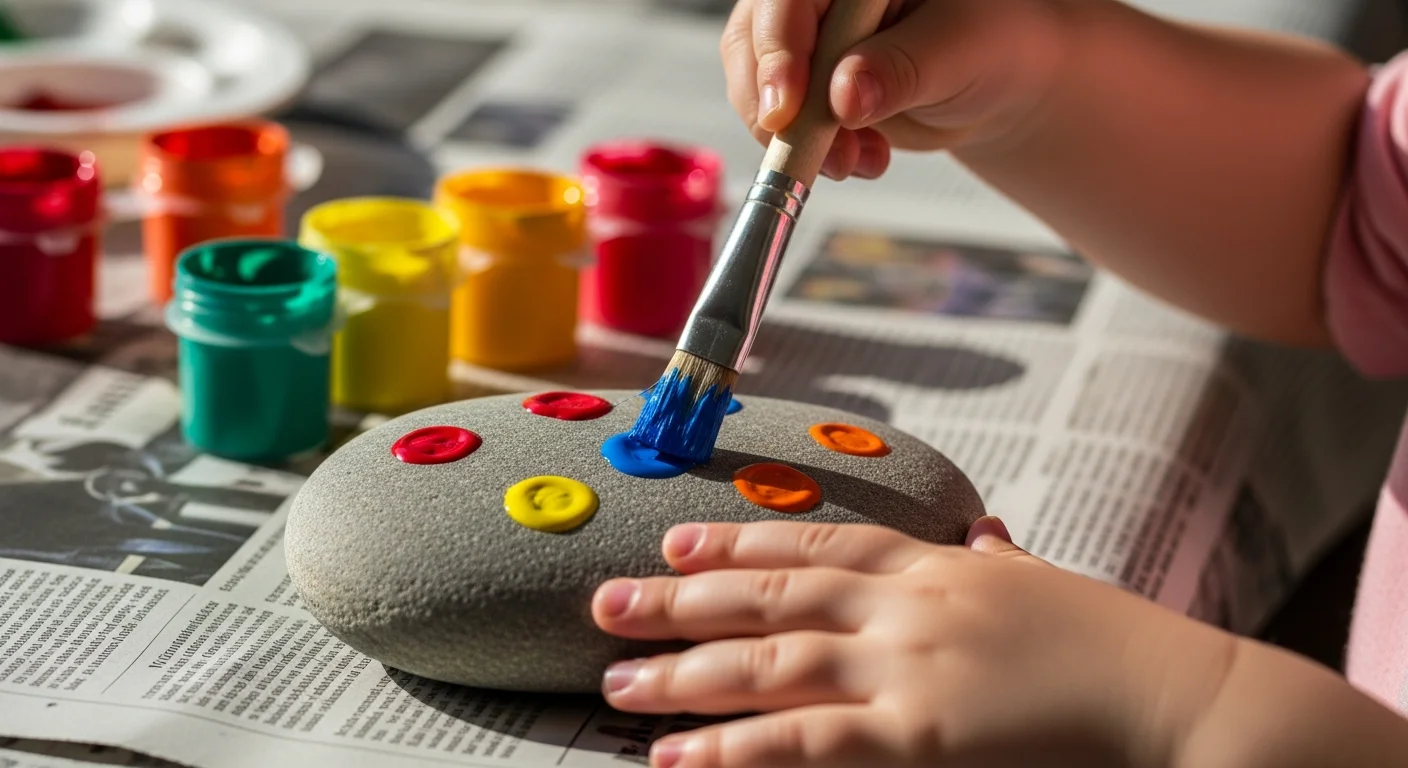
Give your toddler a thick-handled brush or cotton swab and let them make dots all over the stone. The result is a colourful polka-dot rock that looks charming regardless of precision.
Finger painting
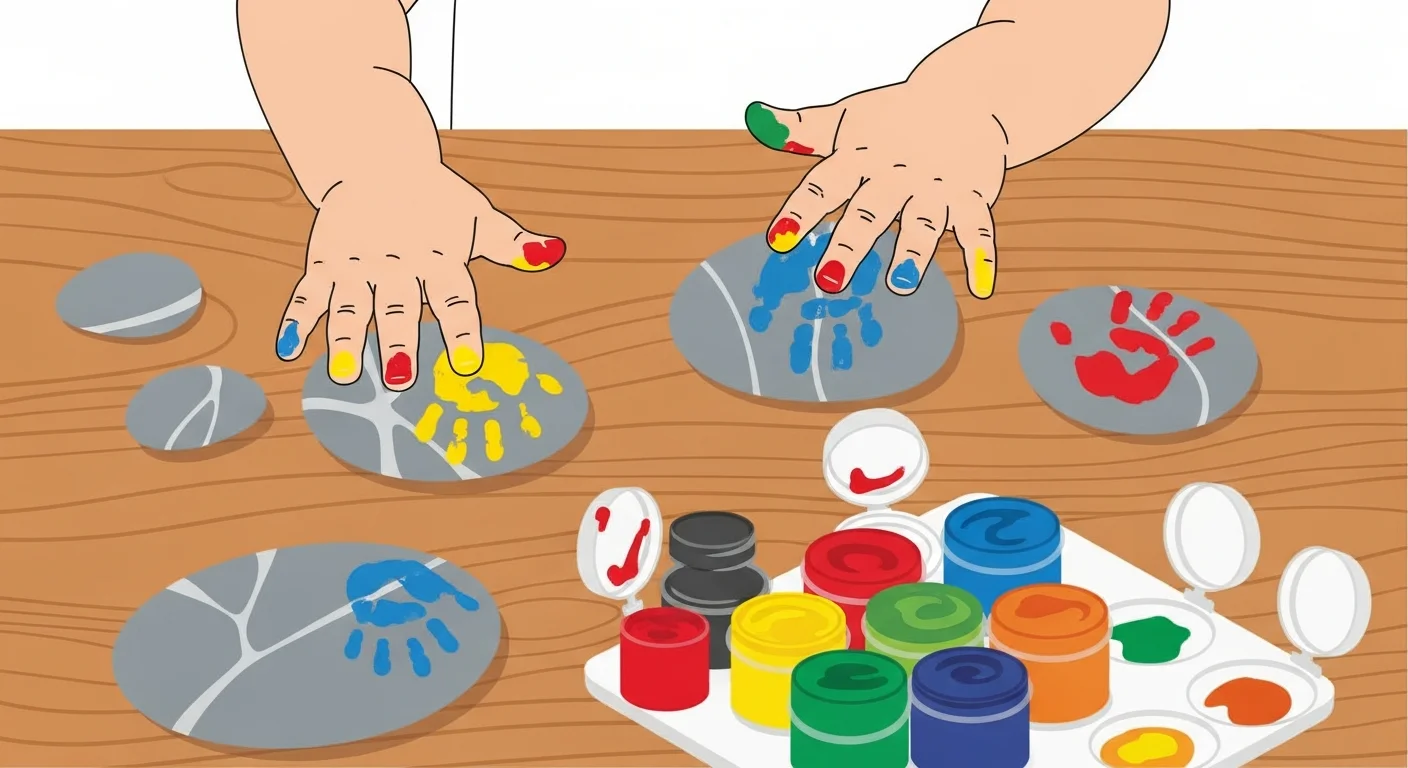
Let your child use their fingers directly on the stone surface. Fingerprint flowers, handprint butterflies, and thumb-stamped caterpillars are all achievable and meaningful keepsakes.
Sticker and stamp method
Paint the stone a solid base colour, then let your toddler apply stickers or press stamps onto the surface. Remove stickers once dry for a reverse-pattern effect.
Age-Appropriate Designs
- Rainbow dots - random colourful dots across the stone
- Smiley face - two dots for eyes and a curved line for a smile
- Striped stone - horizontal or vertical lines in different colours
- Handprint art - press a painted palm onto a large flat rock
- Colour mixing - apply two colours and let your toddler swirl them together
Turning Crafts into Adventures
Once the paint dries and a sealant is applied, take your toddler on a "rock hiding" walk. Let them choose where to place their creation - behind a bench, near a tree, by a playground slide. Register the rock on RoxGeo and check together when someone finds it. This adds a meaningful purpose to the craft and encourages outdoor activity.
Frequently Asked Questions
At what age can children start rock painting?
Children can begin basic rock painting from around 18 months with close supervision and washable paints. By age 3, they can use non-toxic acrylics and attempt simple designs like faces and dots.
Is rock painting messy with toddlers?
It can be, but preparation helps. Use a covered workspace, washable paints, and dress in old clothes. The mess is part of the fun and the sensory learning experience.
How do I seal a toddler's painted rock for outdoor use?
Apply a water-based polyurethane spray outdoors (an adult-only step). Let it cure fully - usually 24 hours - before hiding the rock. This protects the artwork from rain and handling.