Choosing non-toxic paints and sealants for rock painting is not just good practice - it is essential for the safety of children, pets, wildlife, and the environment. Since painted rocks are designed to be handled and left outdoors, the materials must be safe for human contact and environmental exposure. This safety guide helps you select the best products.
Understanding Non-Toxic Labels
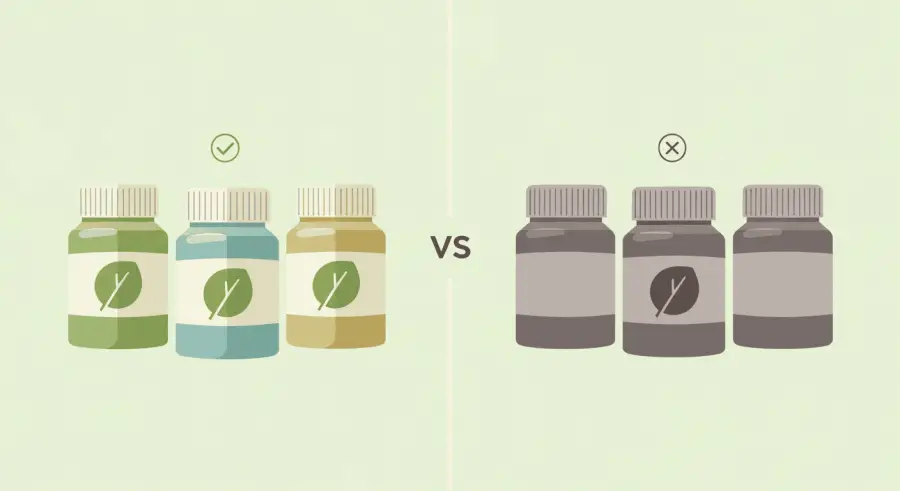
Not all paints labelled "non-toxic" are created equal. Understanding the certification system helps you make informed choices:
- AP (Approved Product) - the gold standard in art material safety. Certified by the Art & Creative Materials Institute after toxicological evaluation. AP-labelled products are safe for children and adults.
- CE marking - indicates compliance with European safety standards. Required for art materials sold in the EU.
- ASTM D-4236 - US standard requiring art materials to be evaluated for chronic health hazards. Products meeting this standard must carry appropriate labelling.
Always look for these certifications on paint labels before purchasing.
Best Paint Types for Rock Painting
Water-Based Acrylic Paint
Water-based acrylics are the recommended choice for rock painting. They offer excellent adhesion to stone, vibrant colours, quick drying times, and easy water cleanup. Most major craft paint brands (Apple Barrel, DecoArt, FolkArt) offer non-toxic formulations suitable for all ages.
Acrylic Paint Pens
Paint pens combine the permanence of acrylic paint with the precision of a marker. They are excellent for details, text, and outlines. Choose pens labelled non-toxic and look for water-based formulations rather than solvent-based alternatives.
Tempera Paint (for Young Children)
For very young children (ages 2–4), washable tempera paint is the safest option. It washes off skin and clothing easily. However, tempera is less durable than acrylic and may wash off rocks in rain, so it is best for indoor display rocks rather than outdoor hiding.
Paints to Avoid
- Oil-based paints - contain solvents, strong odours, and chemicals harmful to health and environment.
- Spray paint - releases volatile organic compounds (VOCs) and is difficult to control on small surfaces.
- Industrial coatings - formulated for commercial use with chemical compositions unsafe for skin contact or environmental release.
- Nail polish - contains formaldehyde, toluene, and other chemicals unsuitable for outdoor craft use.
- Paints with heavy metal pigments - some artist-grade pigments contain cadmium, lead, or cobalt. Check ingredient lists and choose modern synthetic pigment alternatives.
Safe Sealant Options
Sealants protect painted rocks from weather damage. Safe options include:
- Water-based polyurethane - the most recommended sealant. Low odour, clear finish, and environmentally neutral when cured. Available in spray and brush-on formulations.
- Mod Podge Outdoor - a popular choice among rock painters. Water-based, non-toxic when dry, and provides decent weather protection.
- Clear acrylic spray (water-based) - ensure you choose a water-based formulation. Apply outdoors and allow full curing before handling.
Sealants to Avoid
- Solvent-based polyurethane - strong fumes, not suitable for children.
- Epoxy resins - chemical mixing required, not child-safe during application.
- Shellac - alcohol-based, produces strong fumes, and yellows over time.

Best Practices for Safe Rock Painting
- Always read product labels and check for safety certifications before purchasing.
- Work in well-ventilated areas, especially when applying sealants.
- Wash hands thoroughly after painting sessions.
- Store paints and sealants out of reach of young children and pets.
- Dispose of paint water and waste responsibly - do not pour paint water down storm drains.
Using safe, non-toxic materials ensures that your painted rocks bring joy without harm. For more guidance on safe and eco-friendly rock painting practices, visit our community rules page and FAQ section.