The painted rock movement brings joy to millions of people worldwide, but it also carries a responsibility to protect the natural environments where rocks are found, painted, and hidden. This guide covers the ethical principles every rock painter should follow to ensure our hobby coexists harmoniously with nature conservation.
The Leave No Trace Principle
The outdoor recreation community follows Leave No Trace principles, and rock painters should too. The core idea is simple: leave natural spaces as you found them - or better. For rock painters, this means:
- Never paint rocks in place - always take stones home to paint and return later
- Do not leave paint, brushes, or supplies in natural areas
- Choose rocks already loose on the ground, not embedded in soil or habitats
- Use eco-friendly, non-toxic paints that will not leach harmful chemicals into the environment
- If a painted rock becomes damaged or abandoned, pick it up rather than leaving litter
Protected Areas: Where Not to Hide Rocks
Some locations are off-limits for rock hiding:
National parks and nature reserves
Most national parks prohibit leaving any foreign objects, including painted rocks. These areas prioritise ecosystem preservation. Admire the natural landscape and leave it undisturbed. In the United States, National Park Service regulations explicitly prohibit placing painted rocks.
Wildlife habitats
Avoid hiding rocks in active wildlife habitats - near bird nesting sites, in streams where fish spawn, or in areas where amphibians shelter under rocks. Painted rocks in these locations can disrupt animal behaviour and expose wildlife to paint chemicals.
Archaeological sites
Never place painted rocks at archaeological or historical sites. This can be considered vandalism and may interfere with scientific research. It also shows disrespect for cultural heritage.

Where to Hide Rocks Responsibly
Good hiding locations balance discoverability with environmental responsibility:
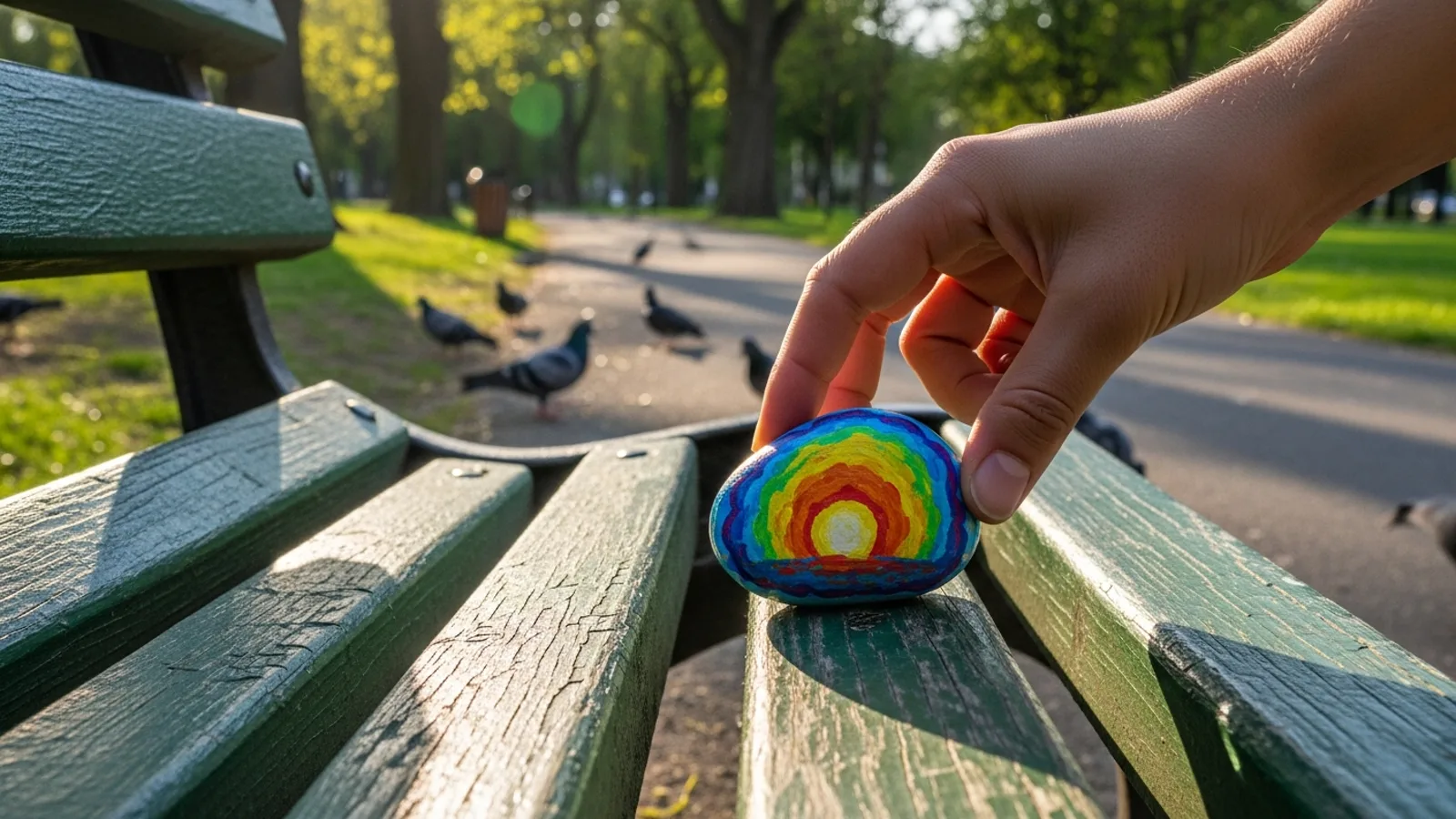
- Urban parks - benches, pathways, playground edges (not in flower beds)
- Community gardens - with permission from organisers
- Trailheads - at the entrance, not deep in wilderness areas
- Libraries and community centres - on window ledges, near entrances
- Free Little Libraries - a painted rock makes a nice companion to a book
For more hiding spot suggestions, read our complete guide to hiding painted rocks.

Eco-Friendly Paint Choices
Your paint selection directly impacts the environment. When a painted rock eventually degrades outdoors, whatever is on it enters the soil:
- Best: Non-toxic acrylic - water-based, low-VOC, and inert once cured
- Good: Natural earth pigments - mineral-based colours that are inherently non-toxic
- Avoid: Spray paints - contain aerosol propellants and volatile organic compounds
- Avoid: Glitter and microplastics - never use glitter on outdoor rocks; it becomes microplastic pollution
For a complete guide to safe materials, read our eco-friendly rock painting article.
Collecting Rocks Responsibly
Where you source your painting stones matters:
- Garden centres and craft stores - the most responsible source; stones are quarried specifically for decorative use
- Construction sites - with permission, leftover stones are often available
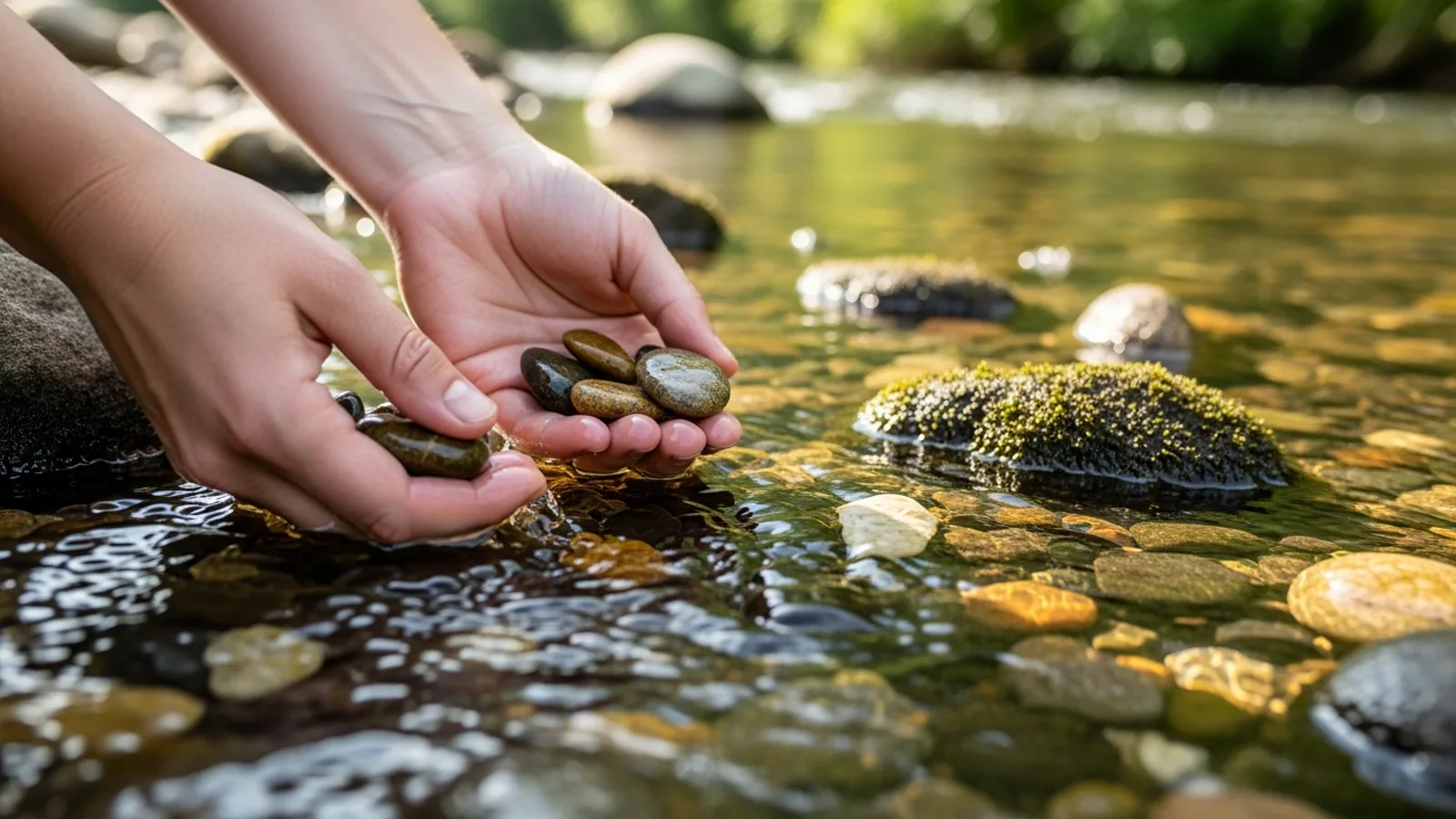
- River banks and beaches - small quantities for personal use are generally acceptable, but check local regulations
- Never collect from protected waterways, geological sites, or ecologically sensitive areas
Teaching Environmental Responsibility
Rock painting is an opportunity to teach children about nature conservation. Use the activity to discuss ecosystems, responsible outdoor behaviour, and the importance of protecting natural spaces for future generations. Organisations like school programmes can integrate these lessons into rock painting activities.
Frequently Asked Questions
Are painted rocks bad for the environment?
Not inherently. When painted with non-toxic materials, properly sealed, and placed responsibly, painted rocks have minimal environmental impact. The problems arise from toxic paints, glitter, placement in sensitive habitats, and abandonment of damaged rocks.
Should I retrieve old painted rocks that are deteriorating?
Yes. If you find a painted rock that is chipped, peeling, or damaged beyond enjoyment, pick it up. It is better to remove it than leave it as litter. If the rock has a RoxGeo code, log it as "retired" so the creator knows its journey has ended.