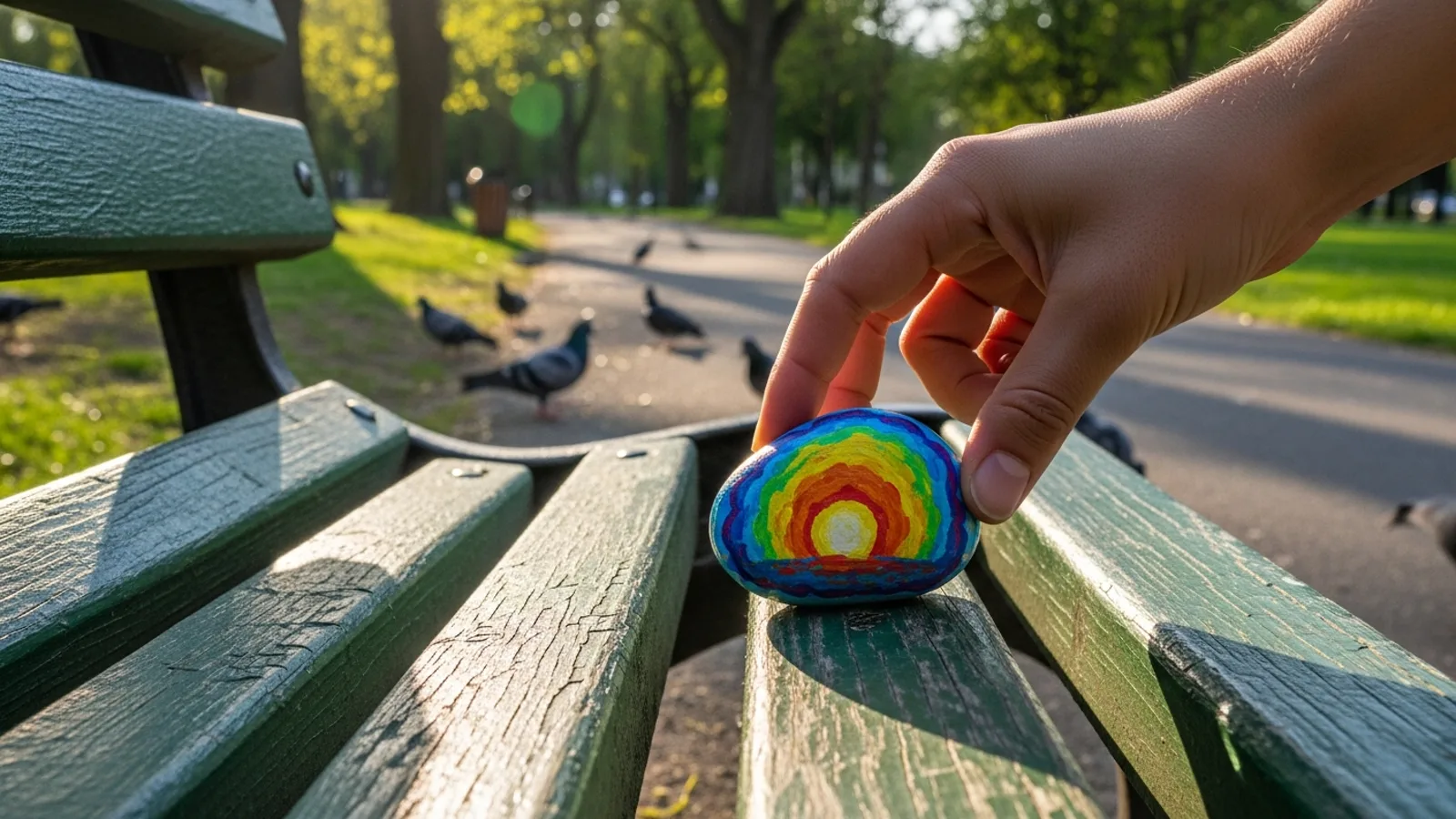
Eco-friendly rock painting ensures that our creative hobby does not come at the expense of the natural world. By choosing sustainable materials, sourcing stones responsibly, and hiding rocks with environmental awareness, we can enjoy painting while protecting nature. This guide covers everything you need to know about environmentally responsible rock painting.
Choosing Eco-Friendly Paints
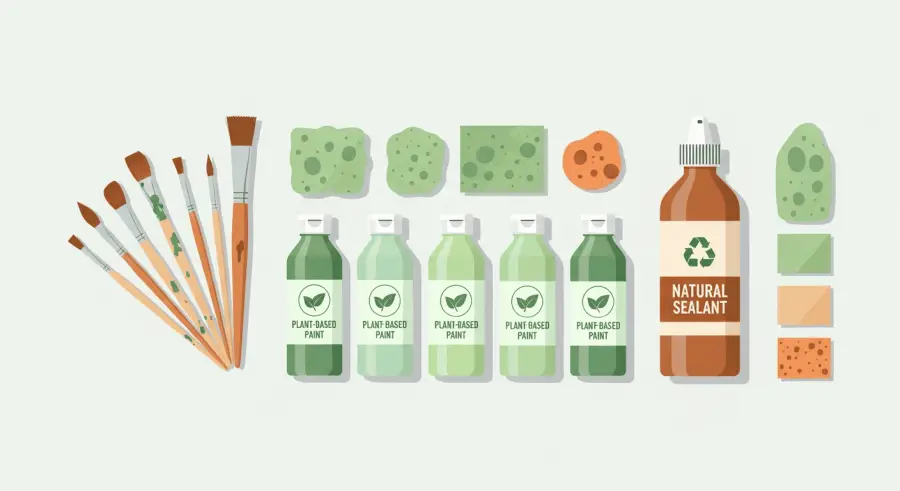
The paints you use on rocks end up outdoors, exposed to rain and weather. Choosing the right paints minimises environmental impact:
- Water-based acrylic paints - these are the industry standard for eco-friendly rock painting. They contain minimal volatile organic compounds (VOCs) and clean up with water instead of chemical solvents.
- Non-toxic formulations - look for paints labelled AP (Approved Product) by the Art & Creative Materials Institute. These have been tested and certified as safe for humans and the environment.
- Avoid oil-based paints - oil paints contain solvents and chemicals that can leach into soil and groundwater. They also require toxic solvents for cleanup.
- Skip spray paint - aerosol spray paints release VOCs into the air and create overspray that settles on surrounding vegetation and soil.
Sustainable Sealants
Sealants protect your artwork but must also be environmentally responsible:
- Choose water-based polyurethane sealants over solvent-based alternatives.
- Apply sealant in well-ventilated outdoor areas and let it cure completely before hiding rocks.
- Avoid sealants containing heavy metals or persistent organic pollutants.
- Test that your sealant creates a durable barrier so paint does not flake off into the environment.
Responsible Stone Sourcing
Where you get your stones matters as much as what you paint on them:
- Never take stones from riverbeds, streams, or natural formations where they serve ecological purposes like preventing erosion and providing wildlife habitat.
- Approved sources: purchase stones from garden centres, collect loose stones from beaches where they are abundant, or use construction aggregate with permission.
- Avoid protected areas: national parks, nature reserves, and designated wildlife areas prohibit removing any natural materials, including stones.

Decorating Without Plastics
Some rock painters add decorative elements like glitter, googly eyes, and stickers. While fun, these materials pose environmental risks:
- Glitter is microplastic - when exposed to weather, glitter breaks down into tiny plastic particles that enter waterways and soil. Use paint-based sparkle effects instead.
- Adhesive decorations detach outdoors and become litter. Stick to paint-only designs for rocks that will be hidden outside.
- Stickers and labels peel off in rain and UV exposure, creating waste and making the rock look neglected.
The Leave No Trace Principle
When hiding and seeking painted rocks outdoors, apply the Leave No Trace principle:
- Place rocks on existing surfaces - do not dig holes or disturb vegetation to hide a rock.
- Do not leave packaging, paint caps, or any other waste behind.
- Stay on established paths and trails to minimise impact on surrounding nature.
- If you find a damaged or deteriorating painted rock, remove it rather than leaving it as litter.
By following these eco-friendly practices, we ensure that painted rock painting remains a positive force for both communities and the natural environment. Learn more about responsible rock painting on our rules page.