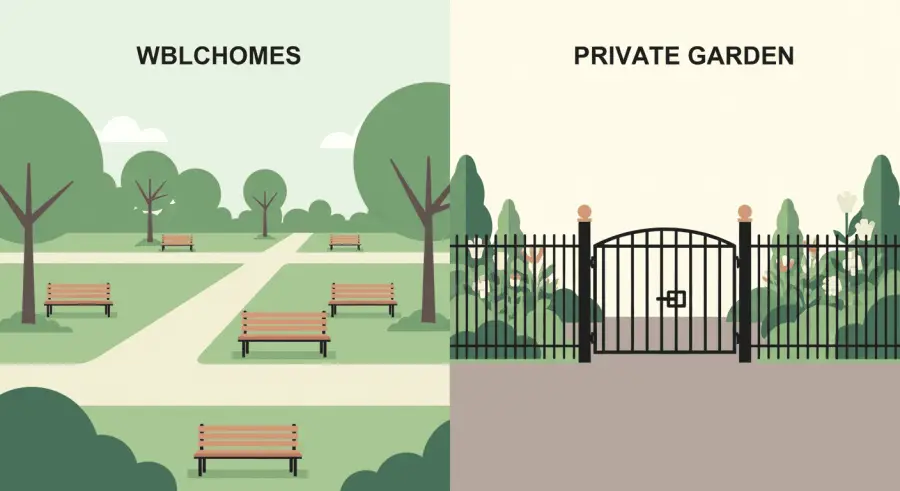
Understanding the difference between public and private land is crucial for responsible rock hiding. While painted rocks are meant to bring joy, placing them on the wrong type of property can lead to removal, complaints, or even legal consequences. This guide explains the rules and best practices for both.
Public Land: Generally Welcomed
Public land - owned by local, regional, or national government - is generally the safest place to hide painted rocks. This includes most municipal parks, public walking paths, town squares, public beaches, and community gardens. However, not all public land is equal:
Municipal Parks and Green Spaces
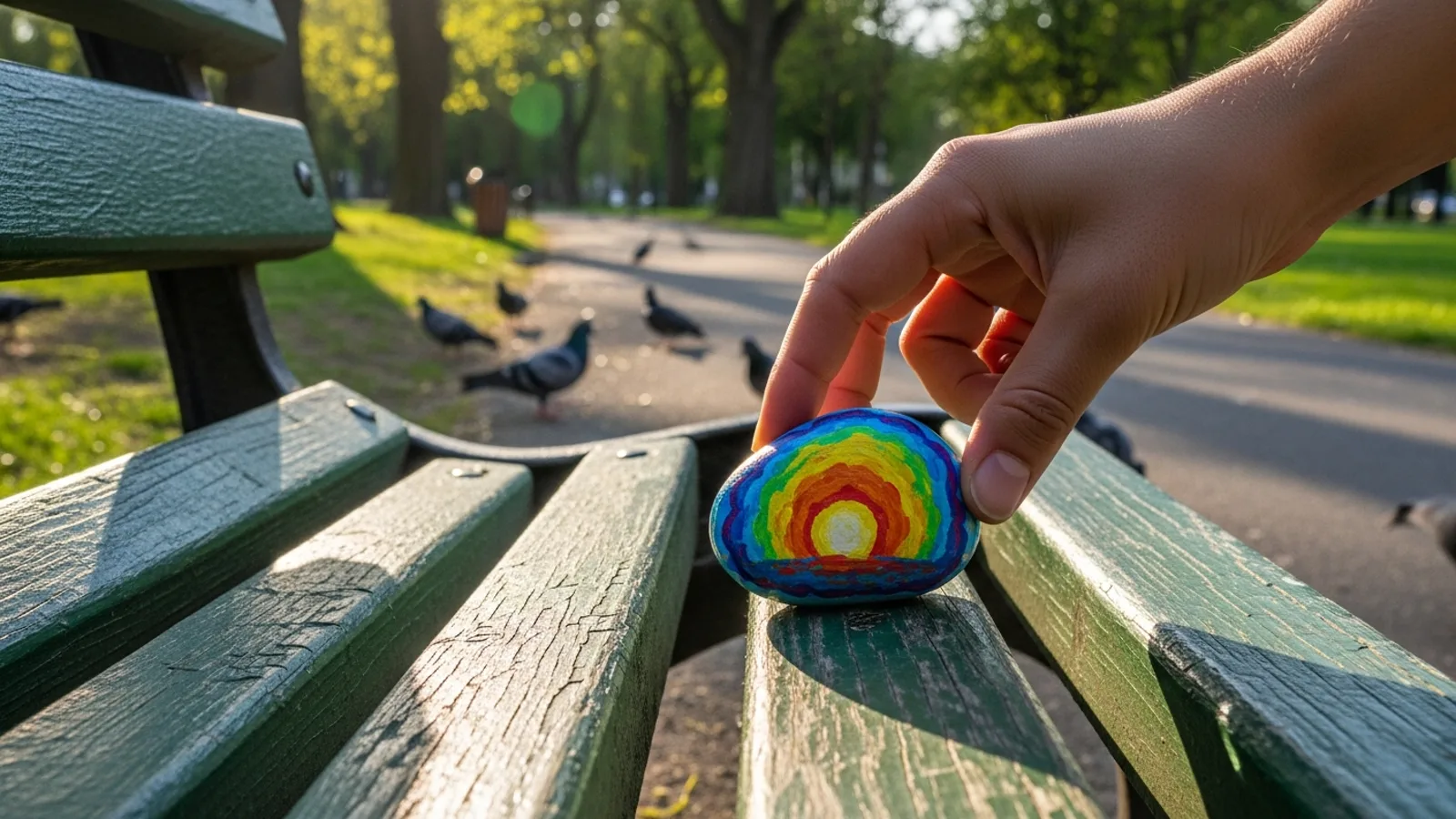
Most municipal parks welcome painted rocks placed on benches, pathway edges, and public features. They are managed by local councils who typically view painted rocks as community art. If unsure, contact your local parks department to ask about their policy.
National and State Parks
Many national parks prohibit leaving any objects, including painted rocks. Their mandate is to preserve natural environments in their original state. Always check the specific rules of any national or state park before hiding rocks there. Fines can apply for leaving items in protected areas.
Public Trails and Footpaths
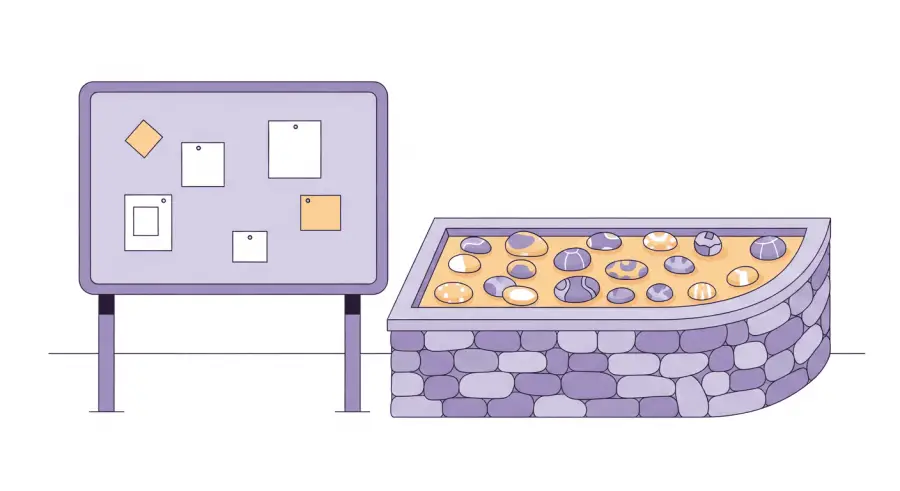
Public trails and footpaths generally allow painted rocks placed at trailheads, rest areas, and information boards. Avoid placing rocks on the trail surface where they could be a tripping hazard, and never place rocks off-trail in natural areas.
Private Land: Always Ask Permission
The fundamental rule for private land is simple: always get explicit permission from the property owner before hiding a rock on their property.
Residential Property
Never hide rocks in private gardens, on driveways, or in residential areas without the homeowner's knowledge. Even with good intentions, uninvited objects on private property can be perceived as littering or intrusion.
Commercial Property
Shops, restaurants, and businesses may welcome painted rocks - but ask first. Many businesses enjoy having painted rocks on their premises as conversation starters and customer attractions. Some coffee shops and bookstores actively invite rock painters to leave creations.
Common Areas in Residential Complexes
If you live in an apartment building or housing estate, you may have access to shared gardens and common areas. Check your residents' association rules before hiding rocks in these spaces. Some communities love the idea; others may have policies against it.
Grey Areas
Some locations fall between clear public and private categories:
- Church grounds: Technically private property belonging to the church. Ask permission from the parish office.
- University campuses: Often have mixed public access areas. Check with campus administration.
- Shopping centre exteriors: Managed by private companies but often publicly accessible. Ask management.
- Road verges and pavements: Usually public, maintained by local authorities. Generally acceptable for rock hiding.
Best Practices
- When uncertain, ask - a quick question to the property owner or manager prevents any issues.
- Stick to clearly public spaces for the safest rock hiding experience.
- Respect removal - if a property manager removes your rock, do not take it personally or replace it.
- Consider the finder - hide rocks where people expect to find pleasant surprises, not where they might be confused or alarmed.
For detailed guidelines on responsible rock hiding across all location types, visit our comprehensive rules page.