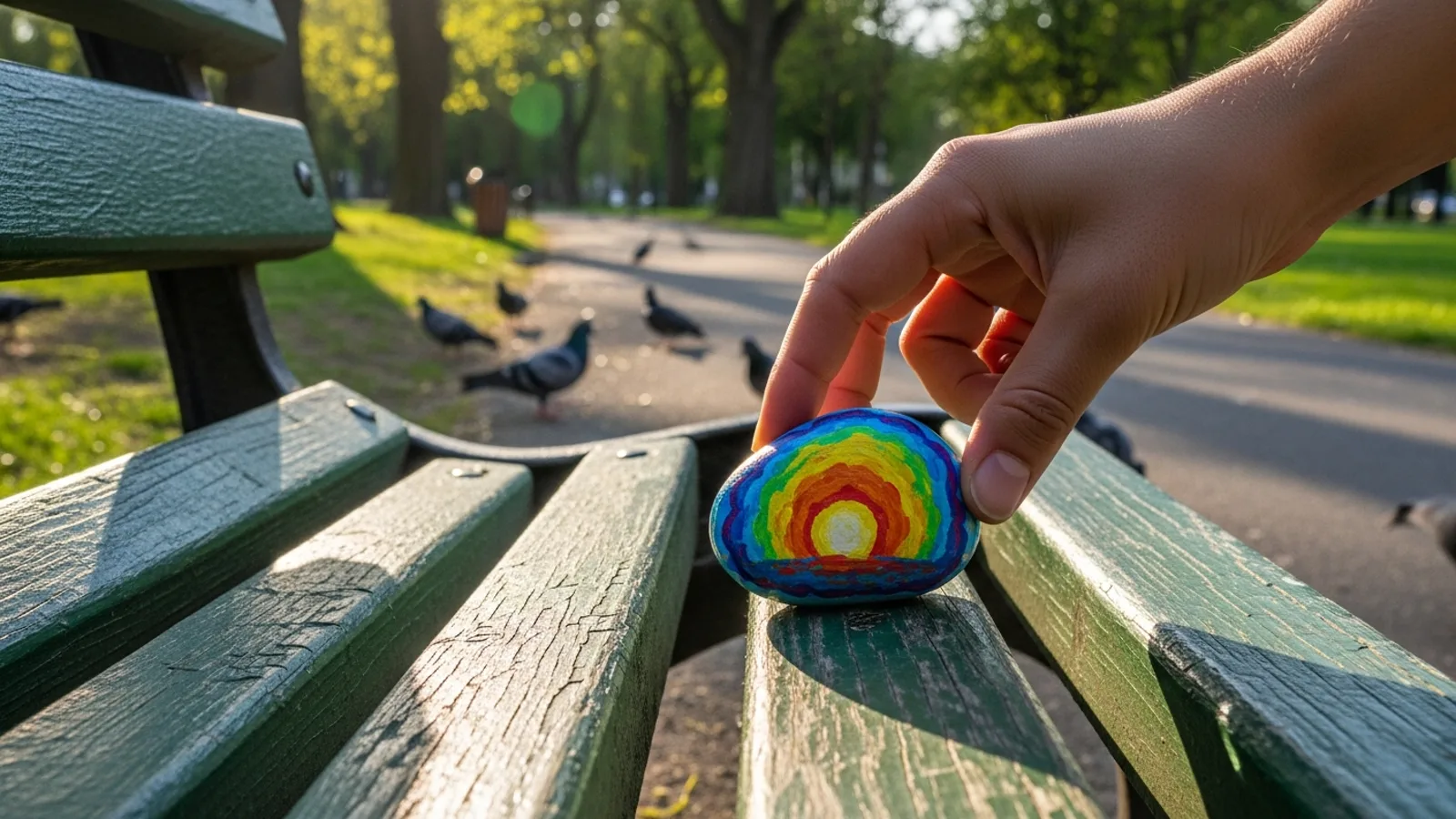
Rock painting safety is essential when children are involved. While rock painting is a wonderfully safe and creative activity, proper precautions ensure that everyone - especially young children - enjoys the experience without risk. This safety guide for families covers materials, supervision, age-appropriate practices, and outdoor safety.
Material Safety
Paints
Always use non-toxic, water-based acrylic paints when painting with children. Check for safety certifications:
- AP (Approved Product) - certified non-toxic by ACMI.
- CE marking - meets European safety standards for art materials.
- EN 71 - European standard for toy safety, applicable to children's craft materials.
Never use industrial paints, automotive paints, or any products not designed for arts and crafts use. If a paint has warning symbols for skin irritation or toxicity, it is not suitable for children.
Sealants
Apply sealants in well-ventilated areas only, ideally outdoors. Children should not apply spray sealants themselves - an adult should handle this step. Water-based brush-on sealants are safer alternatives for family use. Allow sealed rocks to cure completely before children handle them.
Brushes and Tools
Provide age-appropriate tools - younger children should use wider brushes with soft handles, while older children can handle fine detail brushes. Dotting tools and toothpicks should be used under supervision for children under 6 due to their pointed ends.
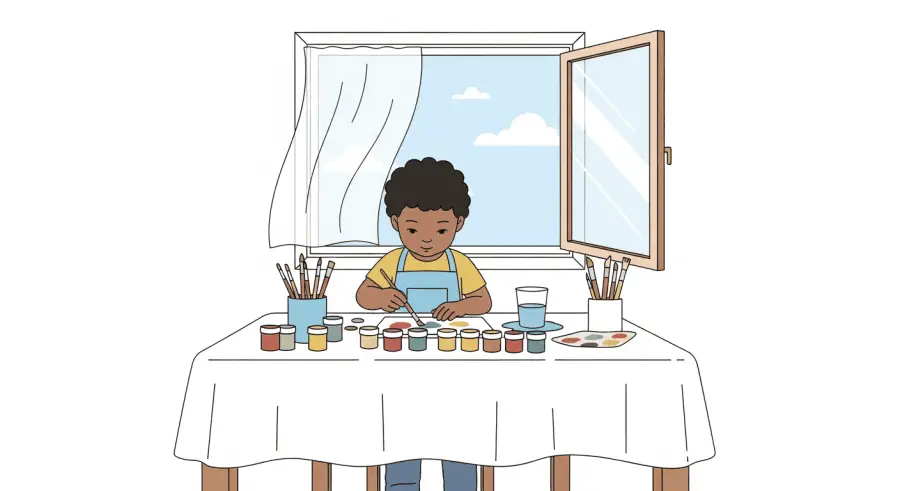
Age-Specific Safety Considerations
Toddlers (Ages 2–3)
- Choking hazard - small stones can be a choking risk. Use stones at least 5 cm in diameter and supervise constantly.
- Use finger paints designed for toddlers rather than regular acrylics.
- Keep water cups and paint containers out of reach when not actively painting.
- Expect messes - cover clothing and surfaces thoroughly.
Children (Ages 4–7)
- Teach proper brush handling and hand washing after painting.
- Use larger stones that are easy to hold and paint.
- Supervise use of paint pens and markers to prevent mouth contact.
- Explain that paint is for rocks and paper only - not skin or clothing.
Older Children (Ages 8–12)
- Can work more independently but still need supervision for sealant application.
- Teach them about proper ventilation when using any spray products.
- Introduce responsible rock hiding practices and community rules.
Outdoor Safety When Hiding and Finding Rocks
Rock painting extends beyond the craft table into outdoor activities. Keep these safety points in mind:
- Supervision - young children should always be accompanied by an adult when hiding or seeking rocks outdoors.
- Hygiene - found rocks have been outdoors and may be dirty. Wash hands after handling found rocks and before eating.
- Location awareness - teach children to stay on paths, avoid busy roads, and be aware of their surroundings.
- Sun and weather protection - if rock hunting takes you outdoors for extended periods, ensure children have sunscreen, water, and weather-appropriate clothing.
- Stranger awareness - while the rock community is positive, standard safety rules about interacting with strangers still apply for children.

Digital Safety on RoxGeo
RoxGeo is designed with child safety in mind. The platform uses emoji-only communication to keep interactions positive and age-appropriate. However, parents should still supervise children's use of the app, review privacy settings, and discuss online safety basics. Visit our FAQ page for more details on RoxGeo's safety features.
With proper precautions, rock painting is one of the safest, most rewarding family activities available. Enjoy creating, hiding, and tracking rocks together as a family!