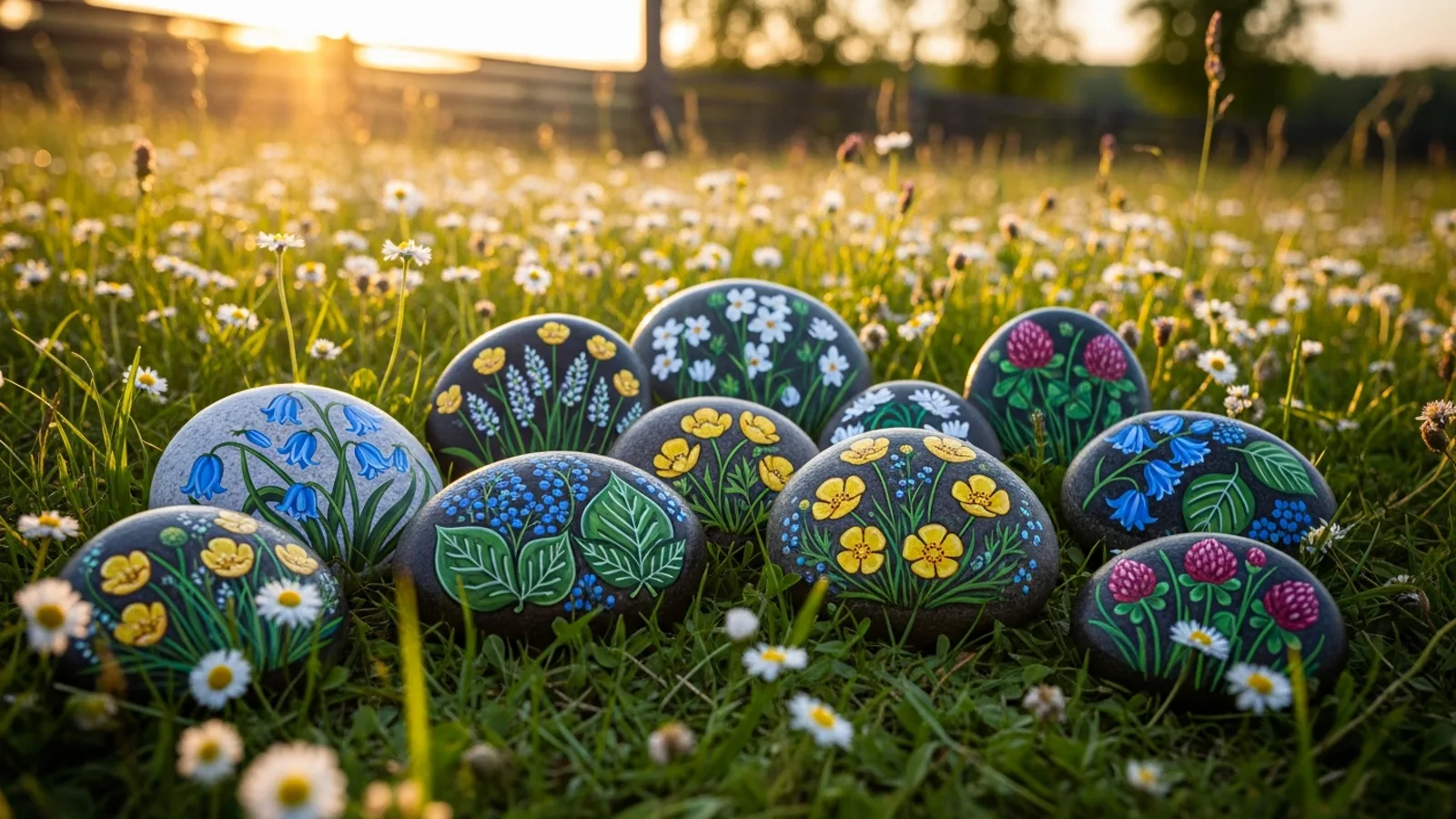
Midsummer — known as Midsommar in Sweden, Juhannus in Finland, and Sankthans in Norway — is the most magical night of the Nordic year. Long daylight, wildflower wreaths, dancing around the maypole, and the smell of midsummer bonfires define the season. Midsummer rock painting is a natural extension of this tradition of decorating with nature's gifts. This guide explores the most beautiful Nordic designs and how to connect with the Scandinavian rock painting community.
The Nordic Tradition of Nature Decoration
Scandinavian midsummer traditions are rooted in a deep reverence for the natural world at its most abundant moment. Homes and maypoles are decorated with fresh birch branches and wildflowers. Crowns of flowers are woven and worn. In this spirit, Nordic rock painting borrows from this floral, organic aesthetic — using smooth stones found in the region's abundant rivers and forests as the canvas. Registering your midsummer rock with RoxGeo and hiding it in a meadow or park creates a wonderful Scandinavian treasure hunt for the solstice season.
Key Nordic Midsummer Designs
These designs capture the spirit of Scandinavian midsummer perfectly:
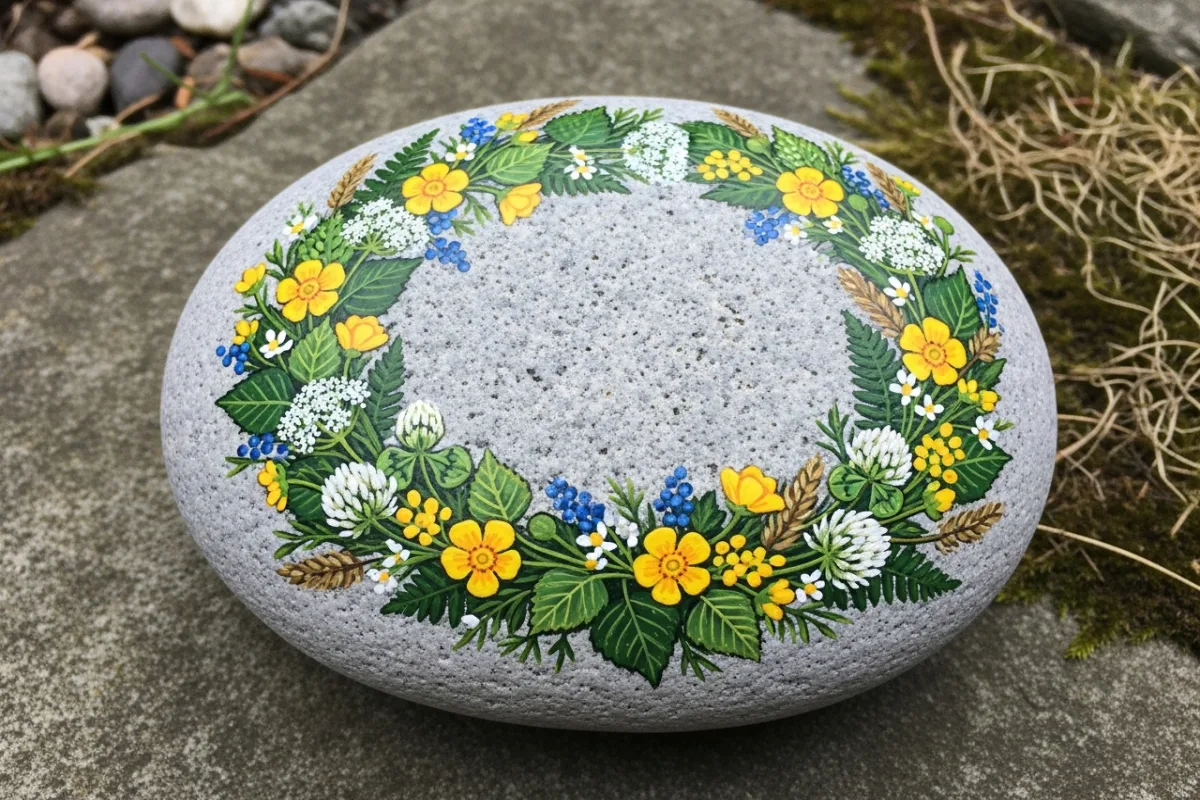
- Flower crown — A wreath of painted wildflowers encircling the top of a round stone. Use whites, yellows, greens, and soft pinks. The most iconic midsummer motif.
- Dala horse — The Swedish Dala horse (Dalahäst) is a universal Scandinavian folk symbol. Paint a silhouette in the traditional deep red with white floral folk-art decoration.
- Birch branches — Green birch leaves and silver-white birch branches on a pale stone background. Understated, elegant, and unmistakably Nordic.
- Midnight sun — A golden sun in a pale blue sky, horizon low on the stone, representing the Scandinavian phenomenon of the sun that never fully sets at midsummer.
- Wildflower meadow — Swedish meadow flowers: ox-eye daisies, blue cornflowers, red clover, and yellow buttercups. Paint in a loose, impressionistic style.
Swedish and Norwegian Folk Art Patterns
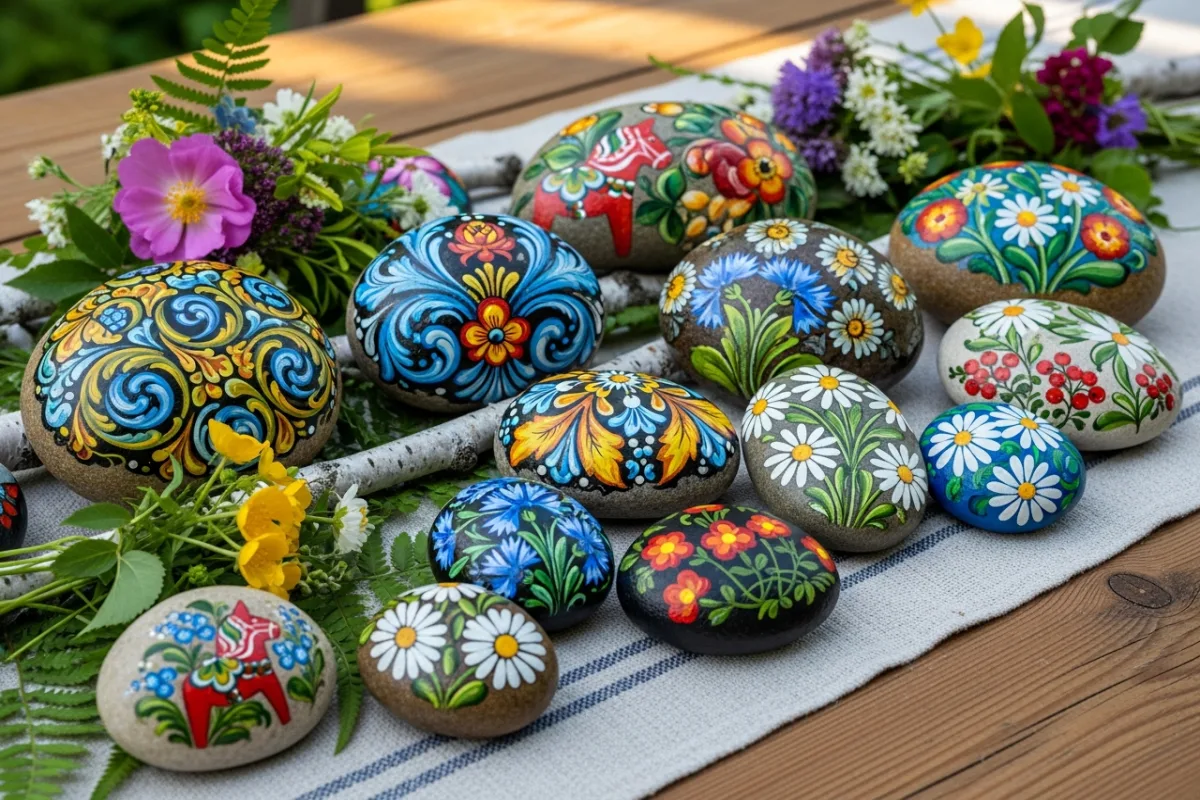
Scandinavian folk art traditions — Rosemaling from Norway, Kurbits painting from Sweden — are rich with scrolling floral motifs, symmetrical compositions, and characteristic colour palettes. Bringing these traditions to rock painting produces stunning results:
- Rosemaling — Fluid, curving leaf and flower shapes in deep red, blue, and green on a black or dark blue background. Traditionally used to decorate furniture and walls in Norwegian homes.
- Kurbits flowers — Stylised, fantastical plants native to Swedish Dala tradition. Bold, colourful, and highly stylised — perfect for painting on small stones.
- Sámi geometric patterns — Clean, angular geometric designs in the red, yellow, and blue of Sámi tradition. Create powerful abstract rocks with a deep cultural heritage.
For step-by-step guidance on creating folk art patterns, see our rock painting patterns guide.
Colour Palettes for Nordic Midsummer Rocks
Nordic summer colour palettes are gentle and nature-derived:
- Meadow palette: soft white, pale yellow, sky blue, leafy green, and blush pink — the colours of a Scandinavian midsummer meadow.
- Folk art palette: deep cobalt blue, Dalarna red, ochre yellow, forest green, and off-white — the traditional colours of Nordic decorative arts.
- Midnight sun palette: pale gold, warm peach, dusty rose, and soft lilac — the colours of the Nordic sky at midnight in summer.
Connecting with the Nordic Rock Painting Community
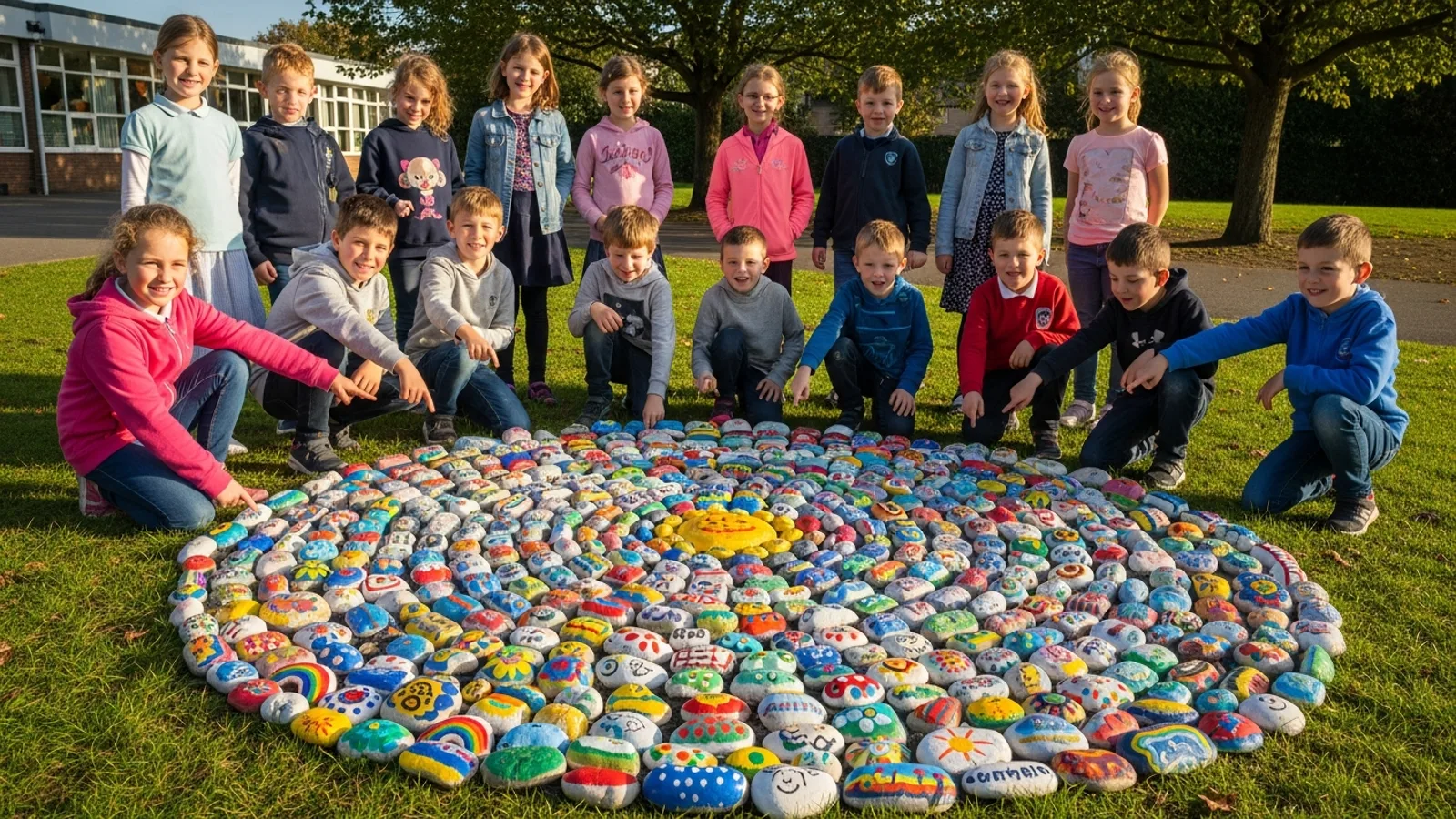
Sweden, Norway, Finland, and Denmark all have active rock painting communities with their own regional groups on social media. Searching for "målade stenar" (Swedish), "malte steiner" (Norwegian), or "maalattuja kiviä" (Finnish) on Facebook or Instagram will connect you with thousands of passionate Scandinavian rock painters. These communities often organise midsummer rock events and seasonal themes. See our international community guide for more on global rock painting groups.
Hiding Midsummer Rocks in Nordic Settings
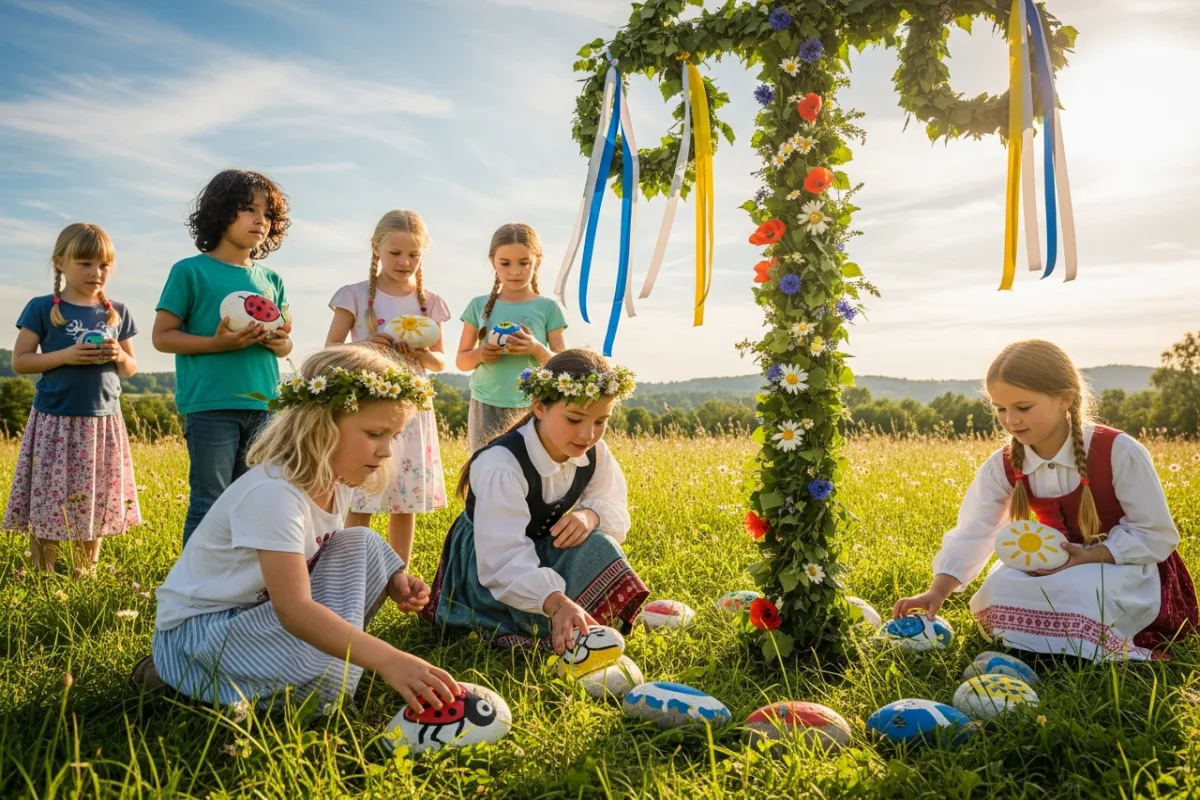
The traditional midsummer celebration takes place outdoors — on islands, in meadows, by lakes, and in forests. These same natural settings make beautiful hiding spots for midsummer rocks. Place your rocks near midsummer celebration venues, along forest walks, or in wildflower meadows. Always follow local guidelines for placing objects in natural areas. See our guide on hiding rocks responsibly.
Frequently Asked Questions
What is the best flower design for a midsummer painted rock?
The flower crown — a ring of painted wildflowers encircling a round stone — is the quintessential midsummer design. It perfectly represents the tradition of weaving and wearing flower crowns during Nordic midsummer celebrations. Use ox-eye daisies, clover, cornflowers, and butter cups in soft natural colours.
Are there rock painting communities specifically in Scandinavia?
Yes, all Nordic countries have active and enthusiastic rock painting communities. Search for "Målade Stenar" groups in Sweden, "Malte Steiner" in Norway, and similar groups in Danish and Finnish. The communities often organise seasonal events around midsummer, Christmas, and Easter.
Where is the best place to hide a midsummer rock in Scandinavia?
Traditional midsummer celebration grounds — meadows, lakeside picnic spots, and forest clearings — make the most fitting places. Urban parks and public gardens are also excellent choices and ensure maximum discovery by the public. Always place rocks where they will not be mistaken for litter or cause any damage to natural environments.