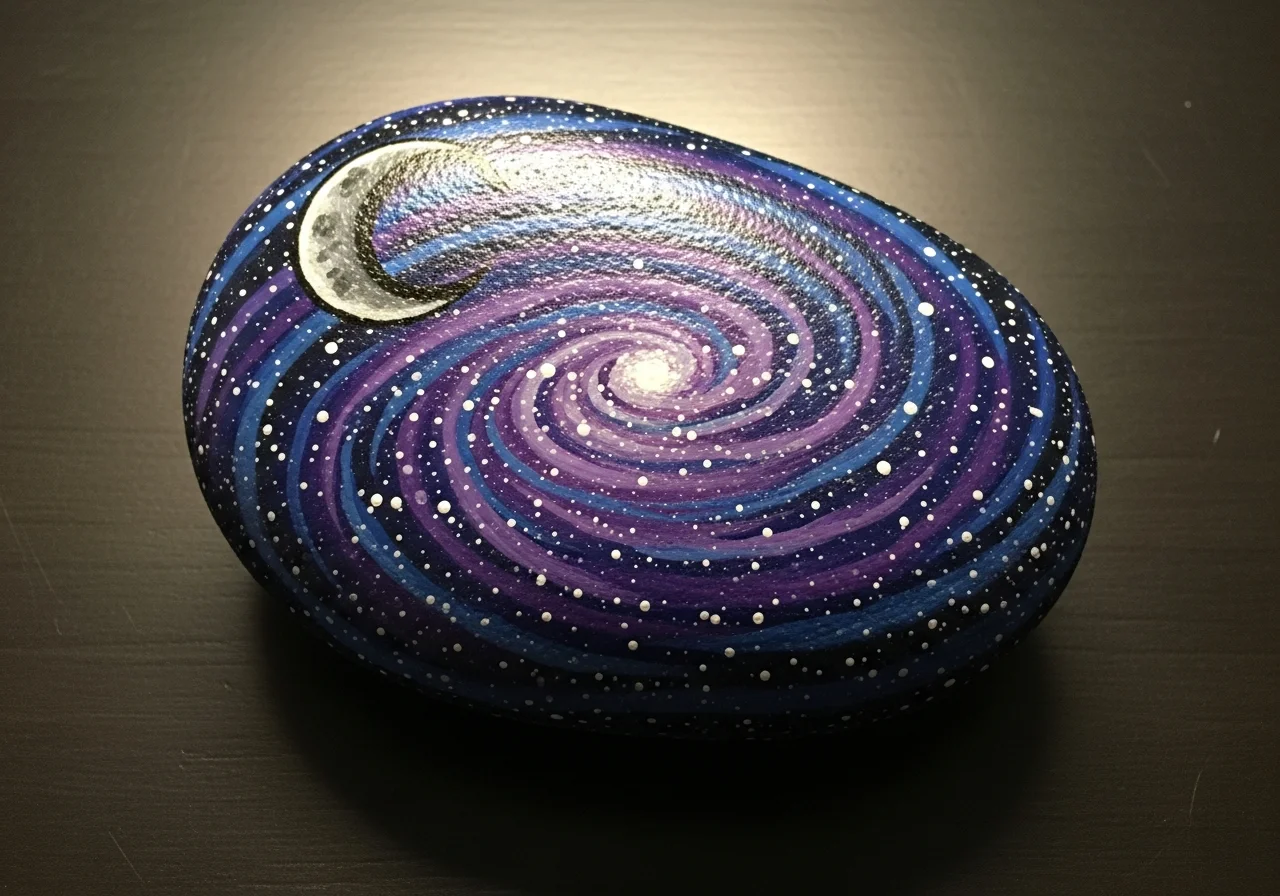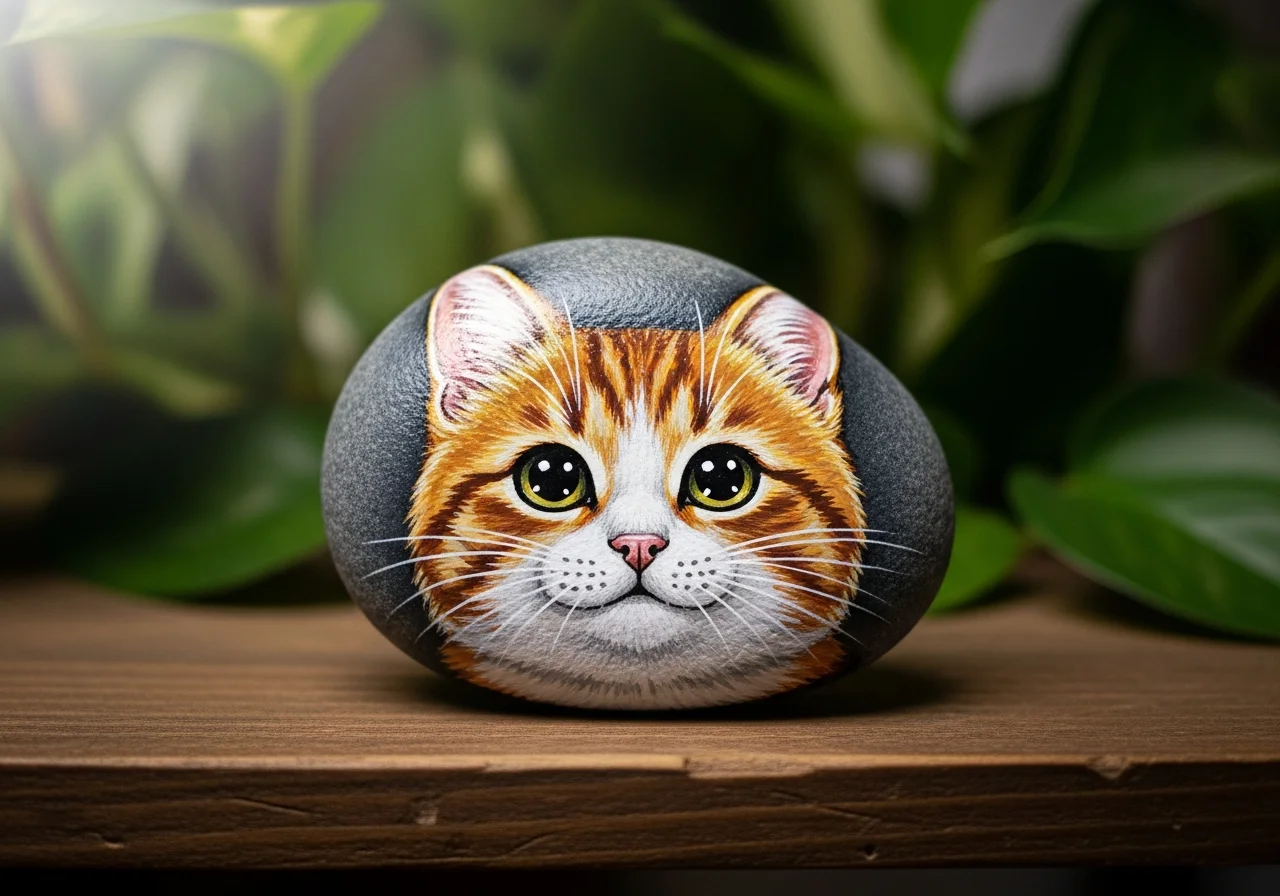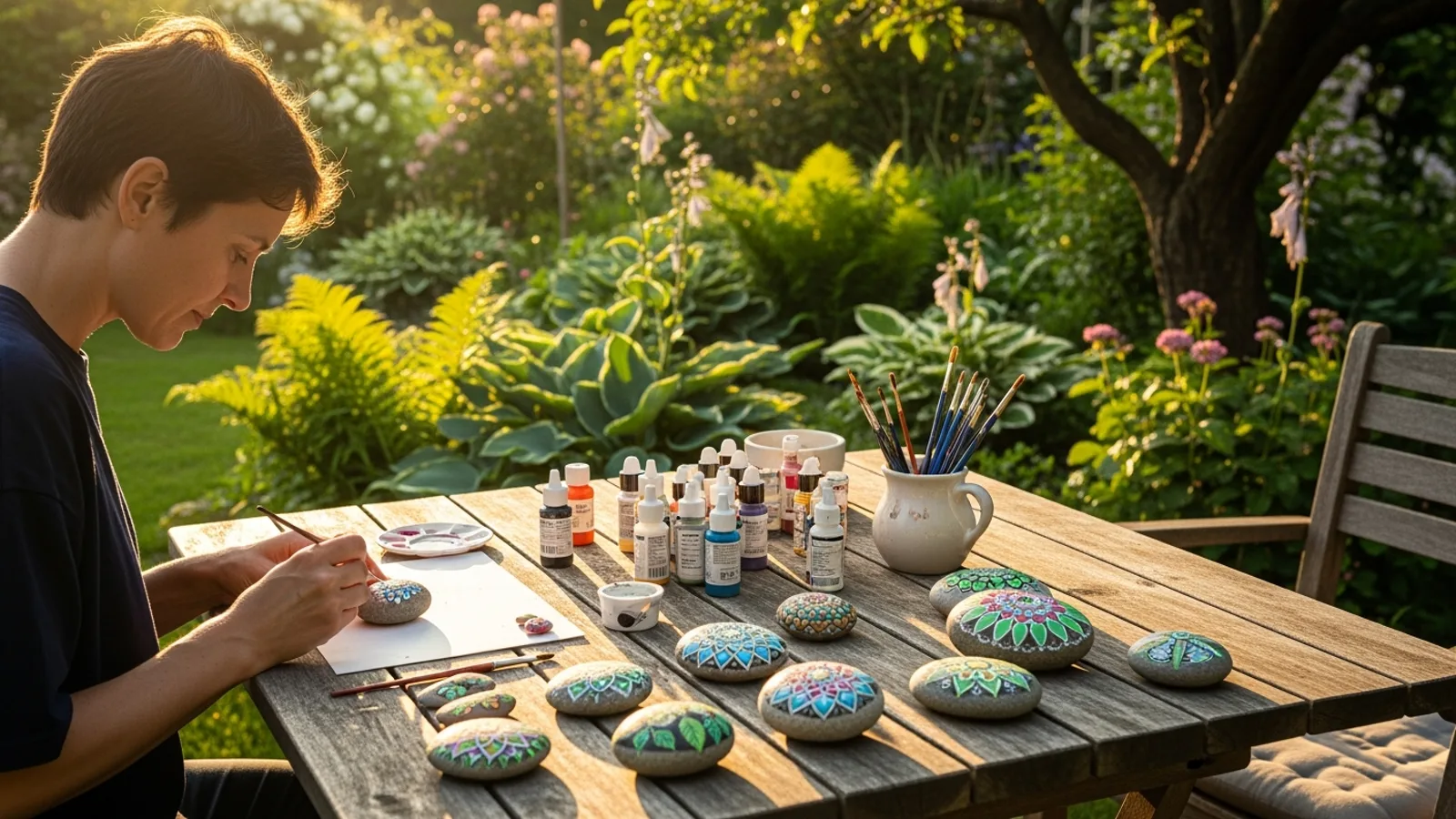
Rock painting wellness benefits are drawing increasing attention from mental health professionals, occupational therapists, and wellness researchers. What began as a simple community hobby has been documented to produce measurable improvements in stress levels, fine motor skills, creative confidence, and social connection. This guide summarises the evidence and explains why painting rocks has become a recommended therapeutic activity in several clinical and community health settings.
Stress Reduction: The Primary Benefit
The most consistently reported wellness benefit of rock painting is significant stress reduction. Focused creative activity - particularly repetitive tasks like mandala dotting - activates the parasympathetic nervous system, the body's "rest and digest" mode. Cortisol levels, the primary stress hormone, have been shown in multiple art therapy studies to drop meaningfully during and after creative sessions lasting 30+ minutes. Rock painting's particular advantage is that the stone canvas is a finite, manageable surface - unlike a blank canvas, which can feel intimidating. The physical boundaries of the stone make the creative task feel achievable, reducing the performance anxiety that stops many adults from trying art. See our mindfulness rock painting guide for specific meditative techniques.
Fine Motor Skills and Cognitive Benefits
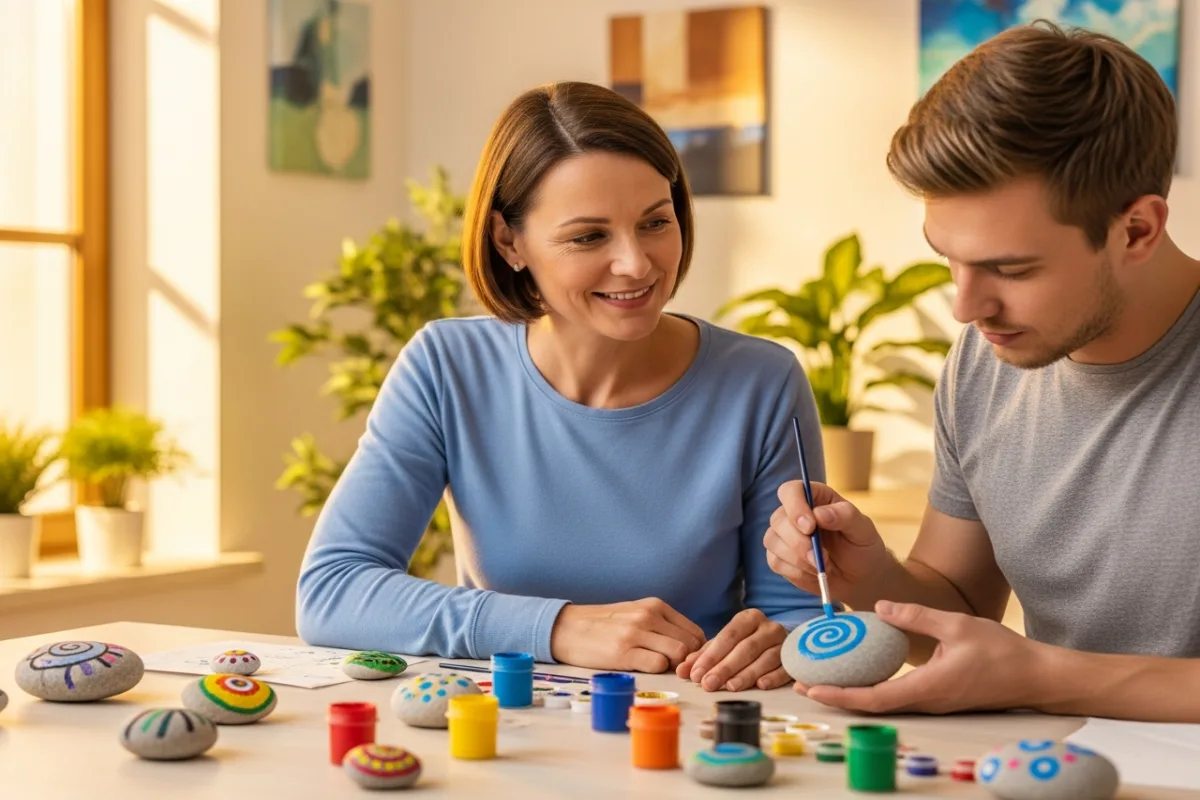
Rock painting involves precise, controlled hand movements: loading a small brush, applying steady pressure for clean lines, and manipulating a small round object that rolls. This combination of fine motor tasks is beneficial across the lifespan:
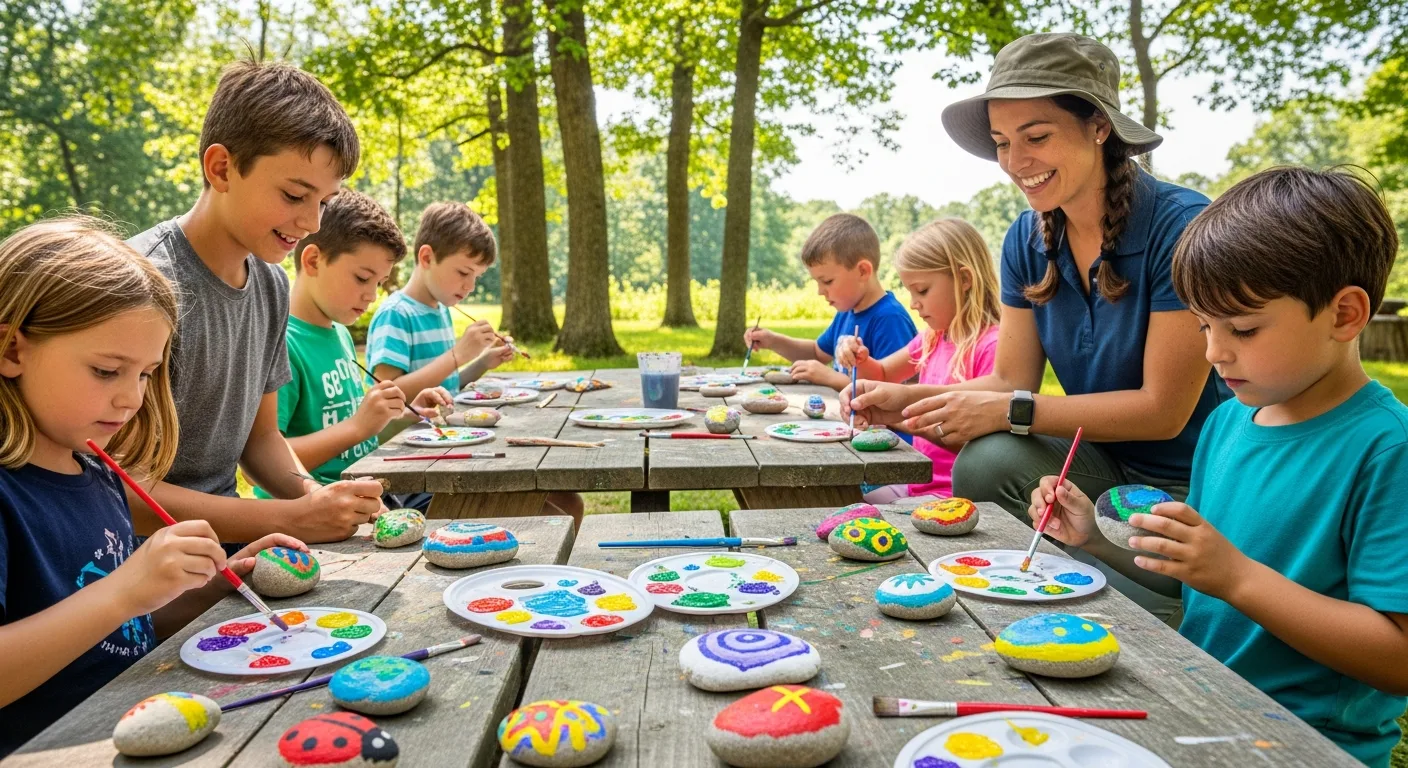
- Children: Rock painting develops the same fine motor skills - tripod grip, controlled pressure, visual-motor coordination - that underpin handwriting and instrument-playing ability.
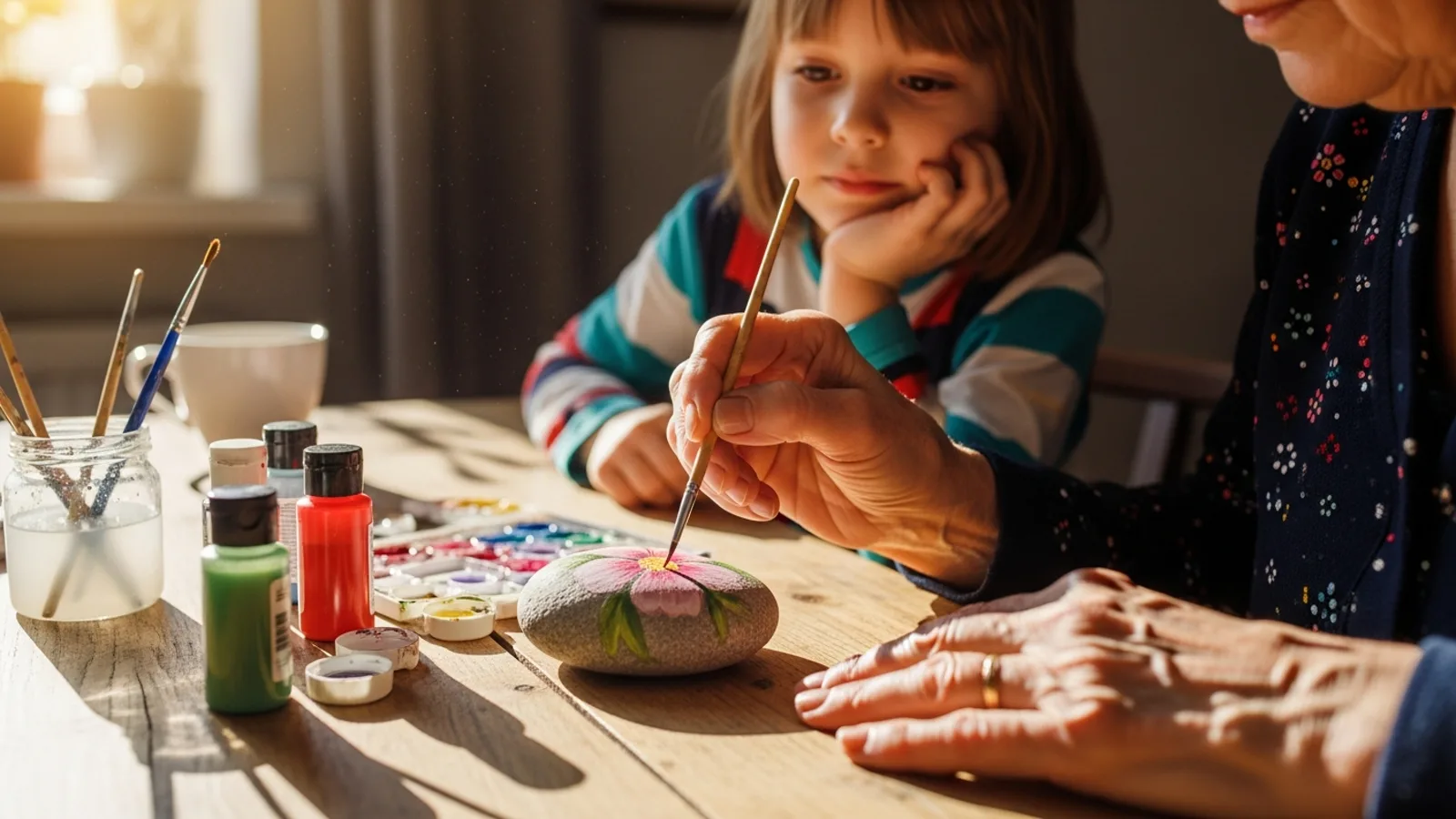
- Adults and older adults: Maintaining fine motor precision is important for preserving dexterity as we age. Rock painting provides enjoyable, purposeful practice that occupational therapists increasingly recommend.
- Stroke and injury recovery: The controlled brushwork and object manipulation involved in rock painting make it a natural rehabilitation activity for recovering hand function. Always consult a healthcare professional before incorporating any activity into a rehabilitation programme.
For age-specific activities, see our rock painting with seniors guide and our children's rock painting guide.
Community Connection and Belonging
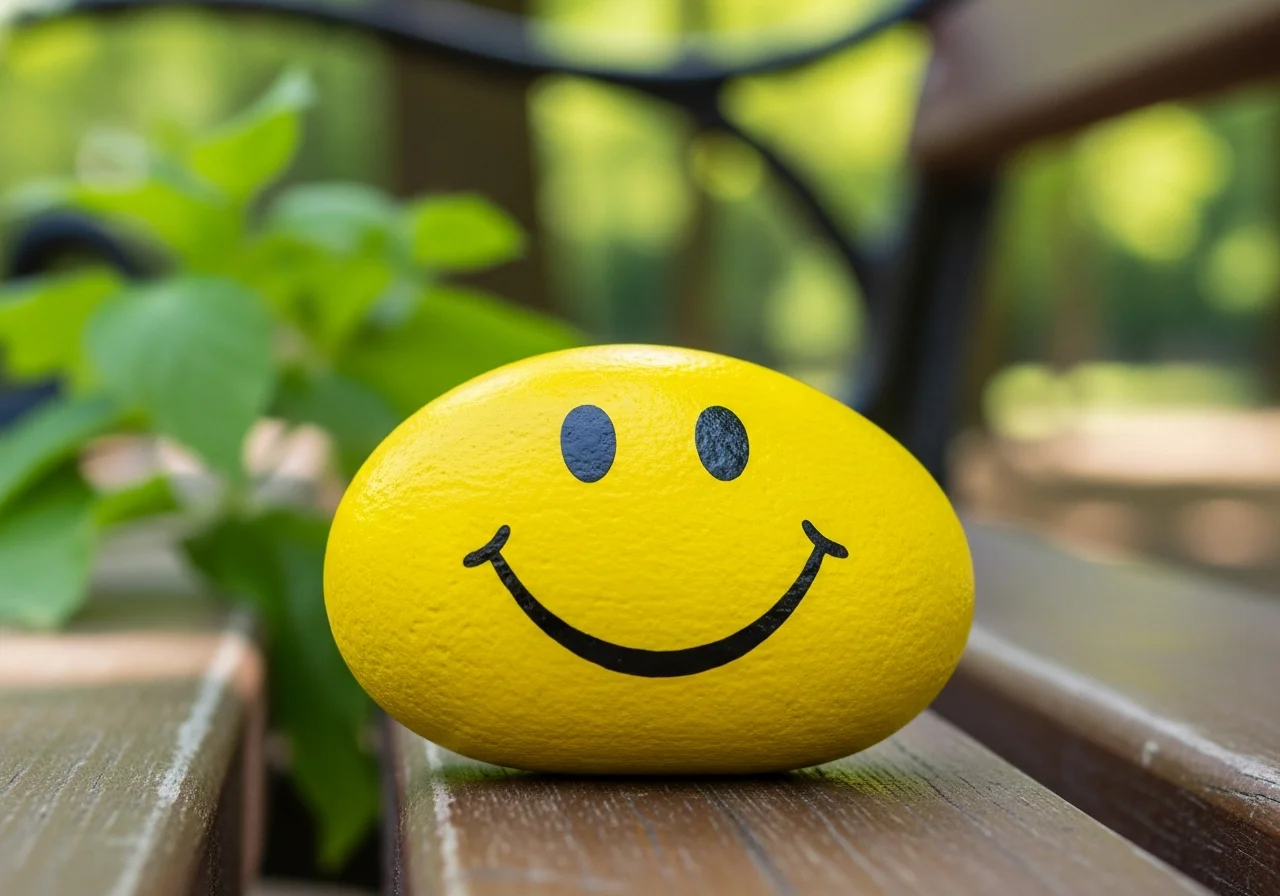
Rock painting's defining feature - the act of hiding a creation for a stranger to discover - creates a unique form of community connection that few other art forms can replicate. This connection operates on multiple levels:
- Empathy practice: Imagining who will find your rock, what will make them smile, and how a stranger will feel shifts focus from self to other in a healthy, positive way.
- Anonymous kindness: Research on acts of kindness consistently shows that the giver benefits as much as the receiver. Hiding rocks is a form of anonymous altruism that produces genuine wellbeing benefits.
- Community membership: Joining local and online rock painting groups connects individuals to a community of shared values and creative interest. Social isolation is a major mental health risk factor - rock painting communities actively counter it.
Creative Confidence and Self-Esteem
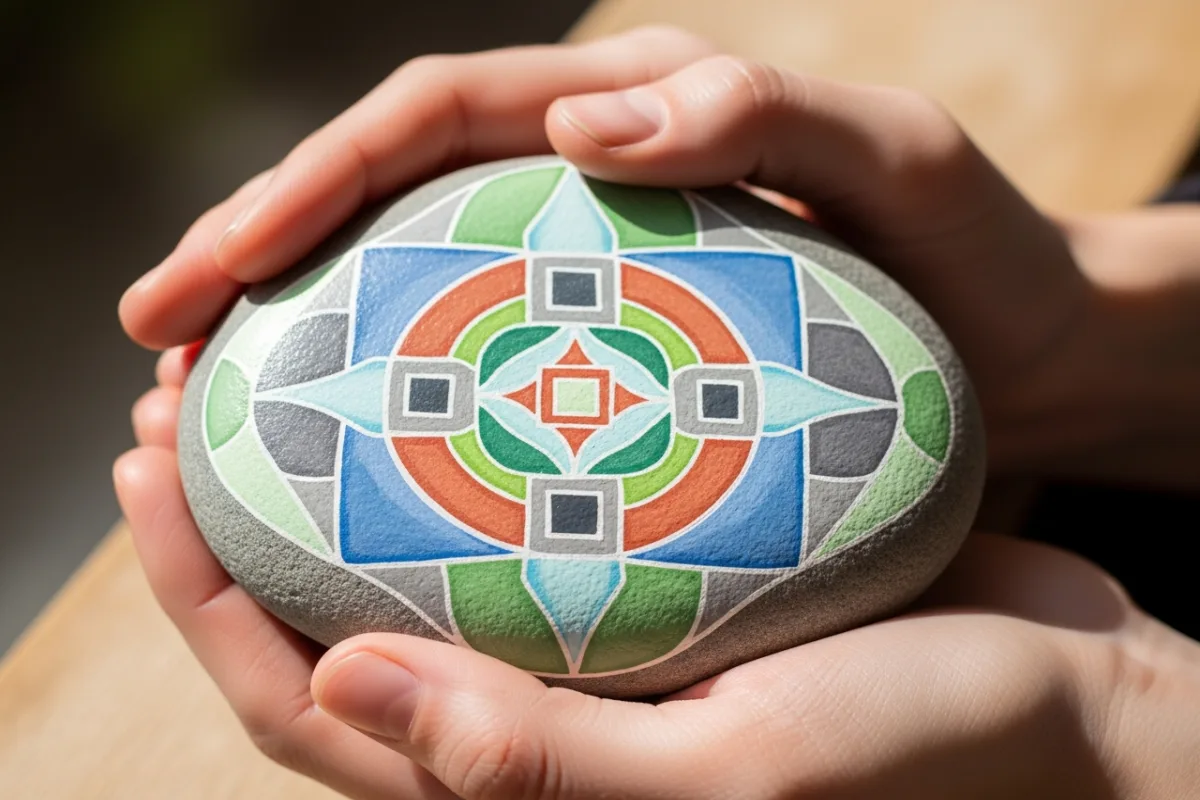
Many adults describe themselves as "not creative" because they had negative experiences with art in school. Rock painting is uniquely accessible because:
- A small, smooth stone is a non-intimidating canvas - you cannot "ruin" something that was just a pebble.
- Even simple designs look effective and satisfying on stone.
- There is no grading, no comparison, and no "right answer" - only the satisfaction of the creative process.
Regular creative activity, regardless of technical skill level, has been shown to increase general self-efficacy - the belief in one's own ability to accomplish tasks. This confidence can generalise beyond rock painting into other areas of life.
Getting Outside: The Physical Wellness Component
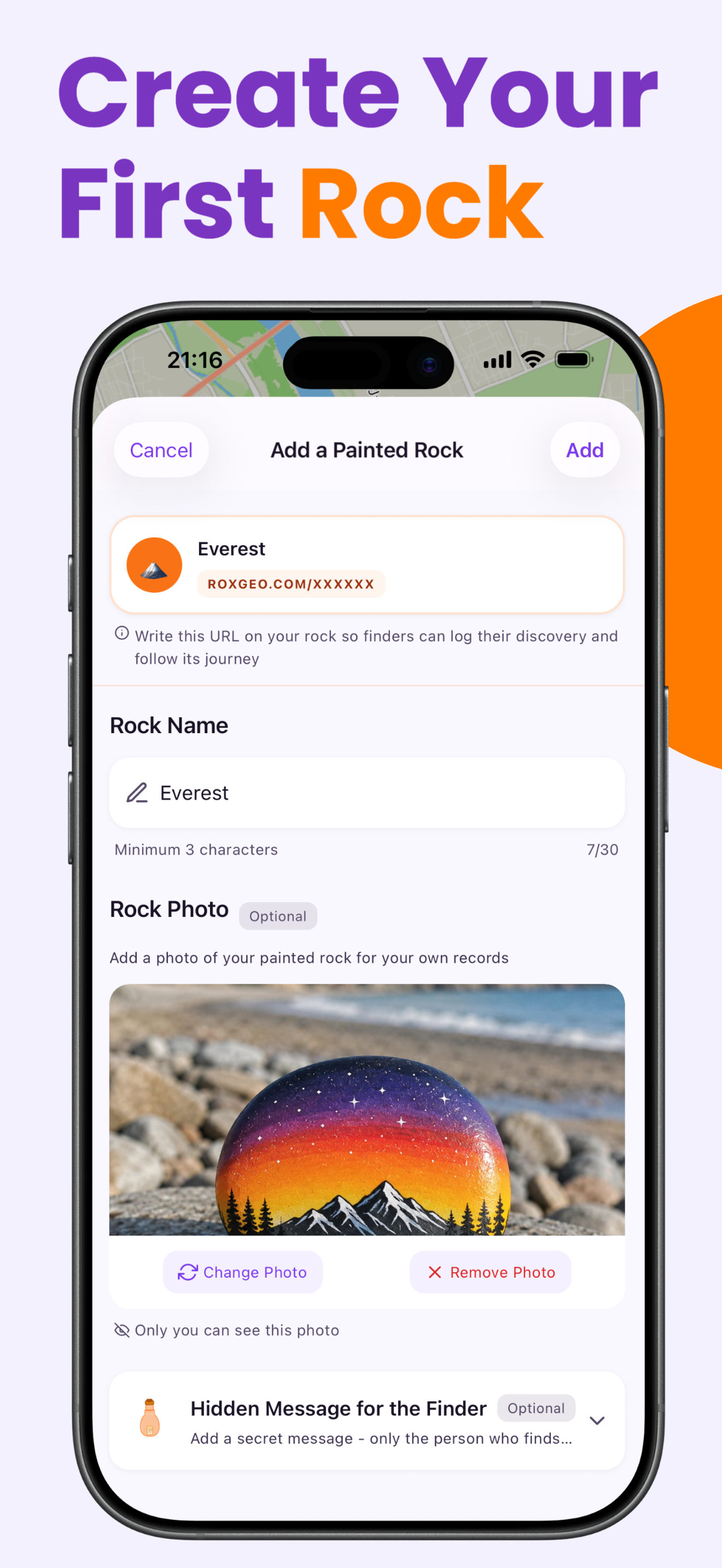
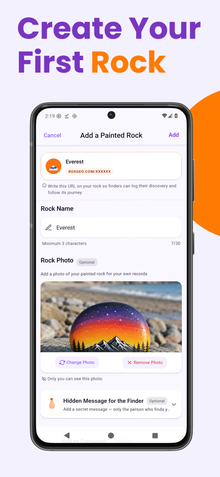
The rock-hiding element of the hobby adds a physical wellness dimension. Sourcing rocks from rivers or beaches, walking to hiding spots, and getting outside in natural environments all contribute to physical activity and nature exposure - both of which are independently linked to improved mental health. Register your rocks with RoxGeo and make the walk to hide your rock part of the wellness experience.
Frequently Asked Questions
Is rock painting recommended by therapists?
An increasing number of art therapists, occupational therapists, and mental health professionals are incorporating rock painting into their practice - particularly for stress management groups, children's therapy, and older adult programmes. While it is not a medical treatment, it is widely recognised as a valuable complementary wellness activity.
How often should I paint rocks to get wellness benefits?
Research on art and wellbeing generally suggests that regular, moderate-duration sessions (20–45 minutes, 2–3 times per week) produce the greatest sustained benefit. Occasional long sessions are enjoyable but less effective for ongoing stress management than regular shorter practice. Think of it like exercise: consistency matters more than intensity.
Can rock painting benefit children with learning difficulties or ADHD?
Yes. The focused, short-cycle nature of rock painting - paint a section, wait for it to dry, continue - suits children with attention challenges particularly well. The tactile element of holding the stone and the immediate visual feedback of painting are both engaging for children who struggle to sustain attention on traditional school tasks. Always work with a child's educational or therapeutic support team for specific recommendations.