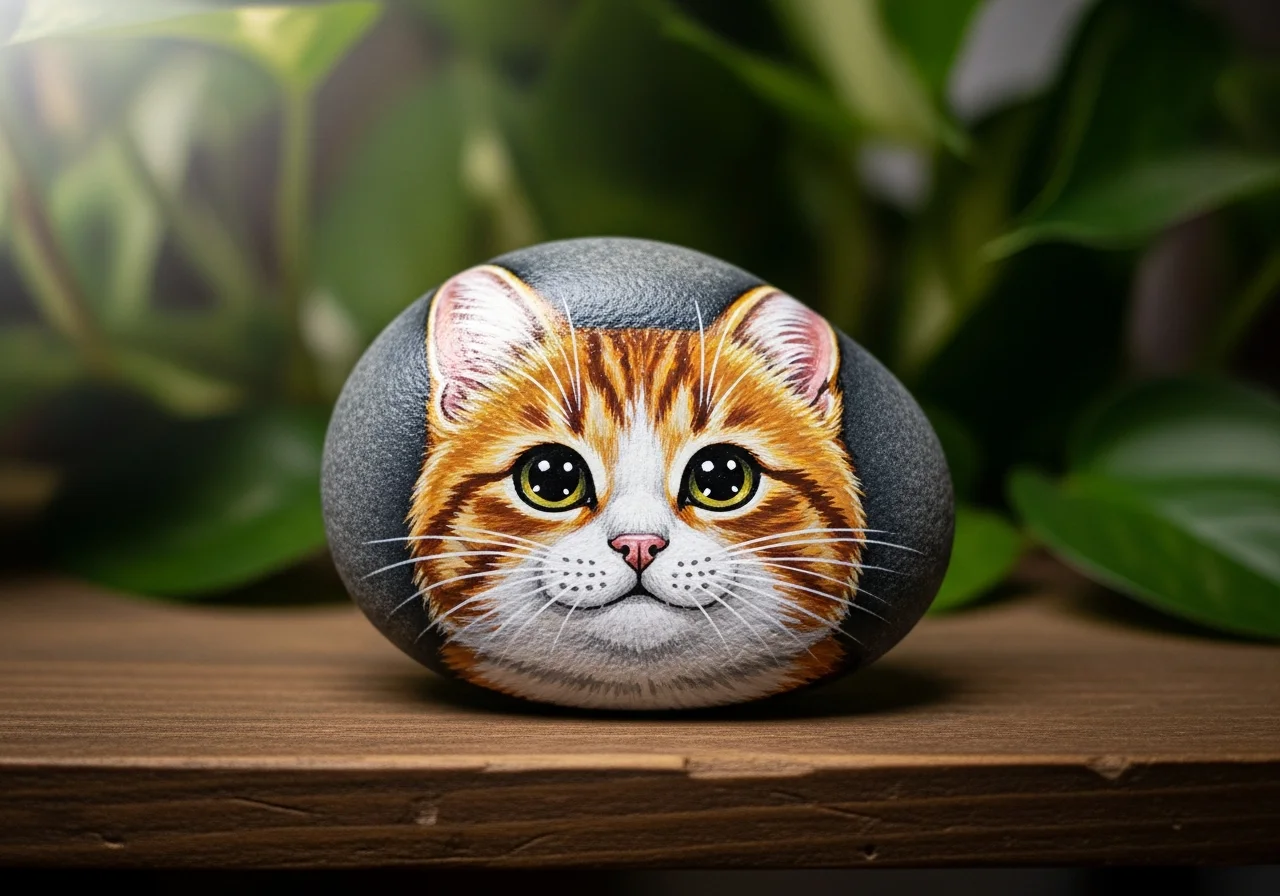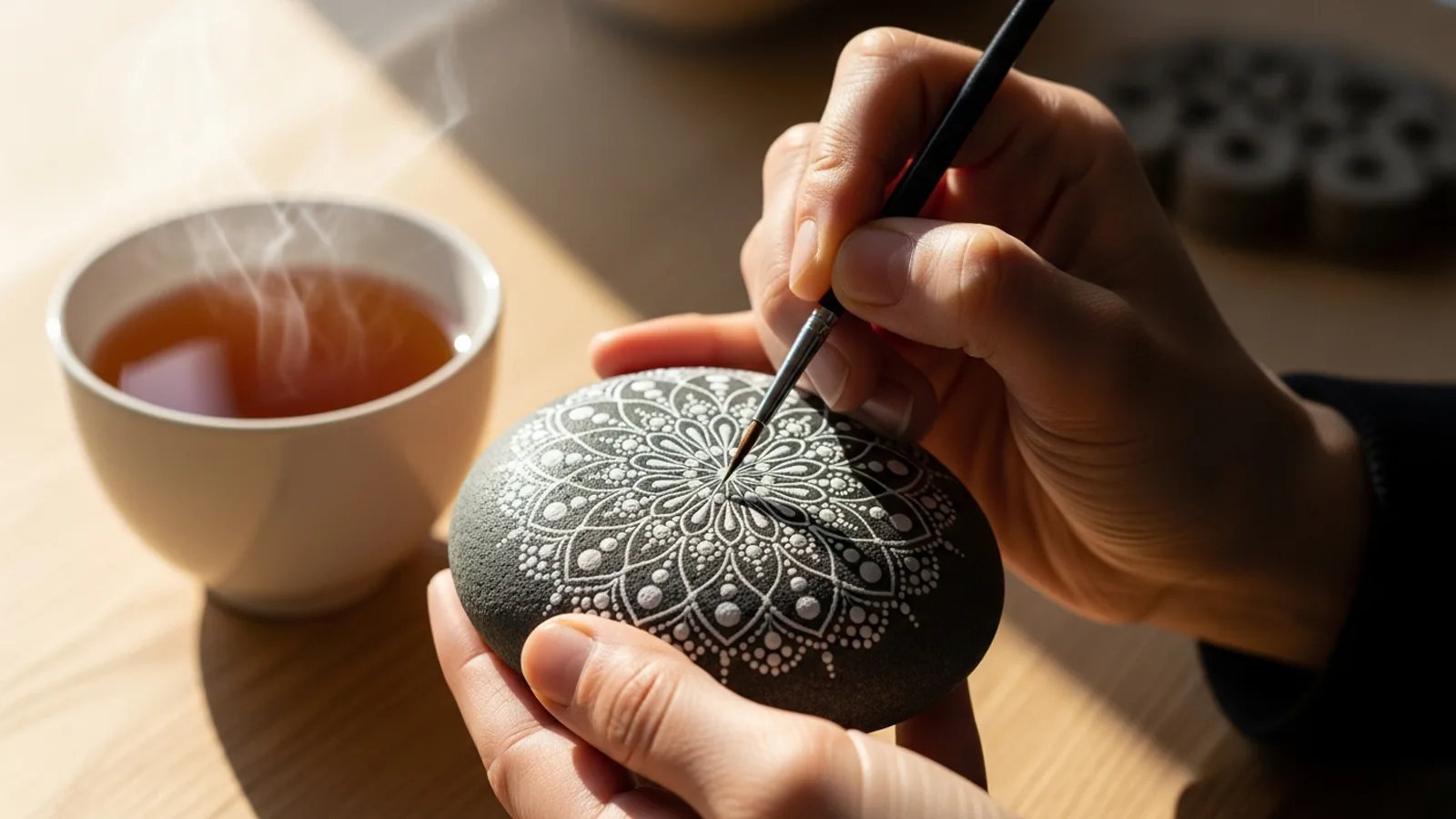
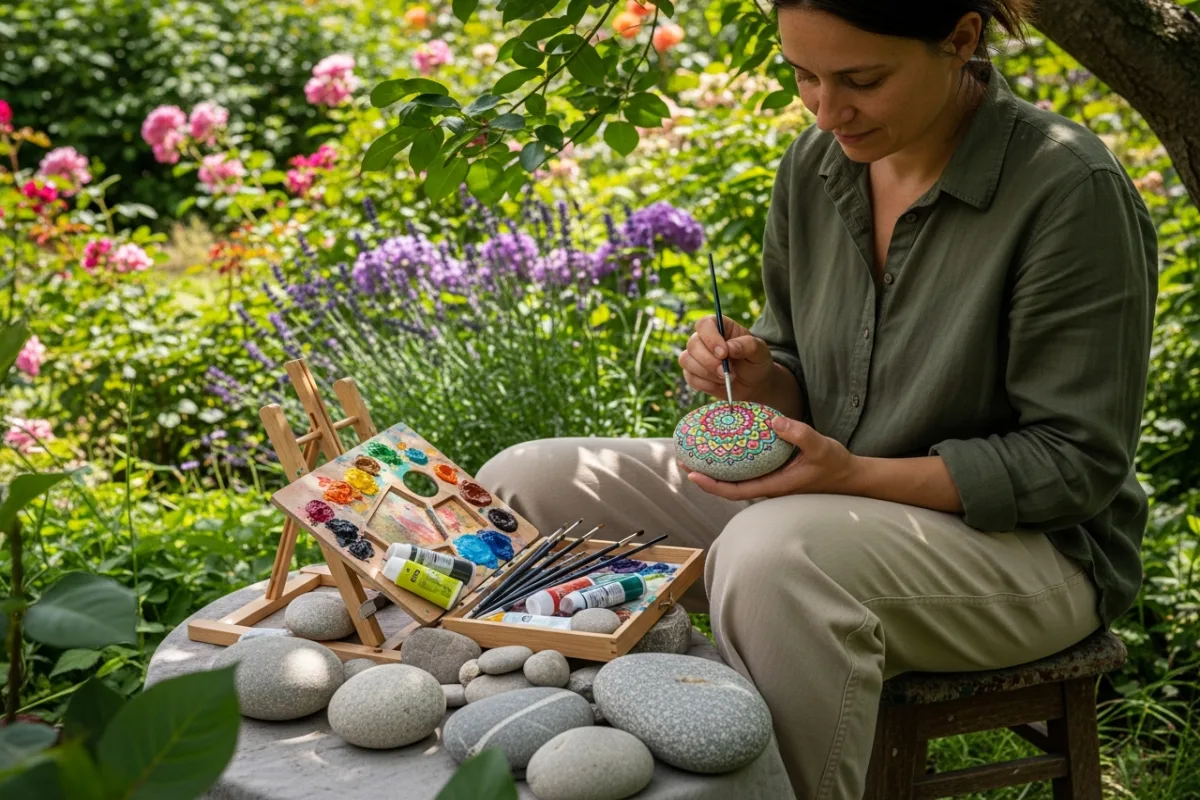
Rock painting as mindfulness is gaining recognition from therapists, wellness coaches, and psychologists as a legitimate tool for managing stress, anxiety, and overthinking. Unlike many hobbies, painting rocks has a uniquely grounding quality: the physical weight and texture of stone, the repetitive motion of the brush, and the meditative concentration required to paint fine patterns all combine to produce a state that closely resembles the therapeutic effects of mindfulness meditation. This guide shows you how to build a meaningful mindfulness practice around rock painting.
The Science Behind Rock Painting and Mindfulness
Mindfulness is defined as intentional, non-judgemental attention to the present moment. Rock painting demands exactly this. When you are focused on painting a precise dot or a flowing line, there is no mental bandwidth for rumination about past regrets or future worries. Research into art therapy and expressive arts consistently shows that sustained creative activity lowers cortisol levels, reduces self-reported anxiety, and produces measurable improvements in mood. The physical act of holding a smooth, cool stone also provides gentle sensory grounding — the same therapeutic principle as fidget tools and stress balls, but with a creative output.
The Most Meditative Rock Painting Techniques
Not all rock painting is equally meditative. These techniques are particularly conducive to a mindful state:
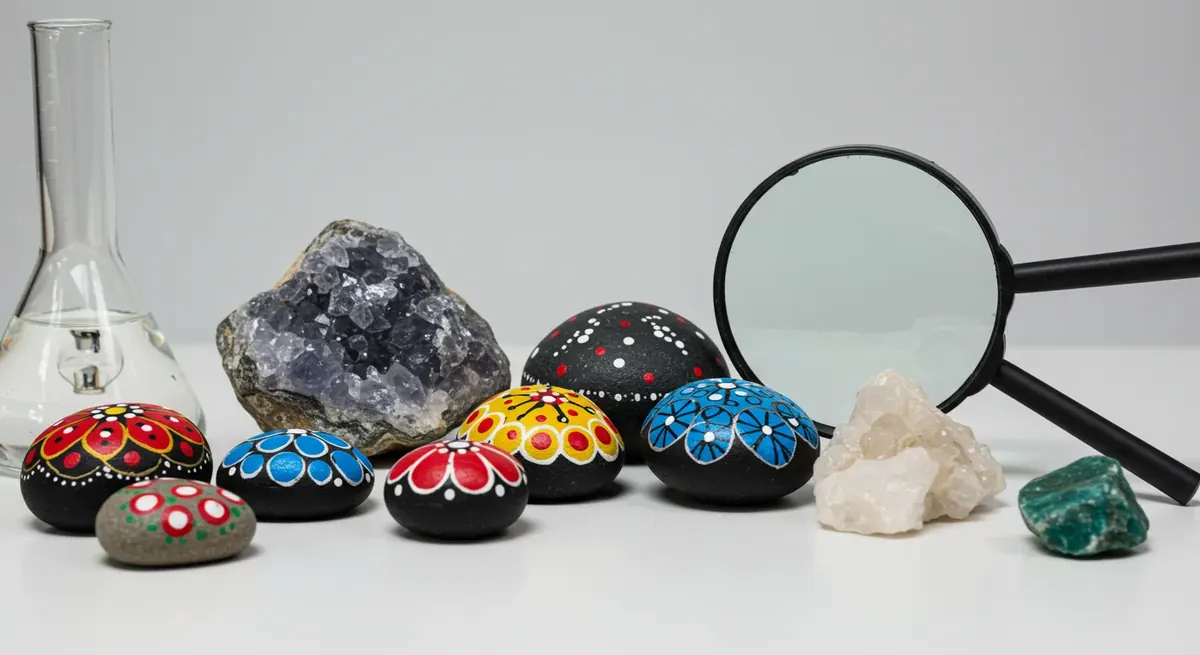
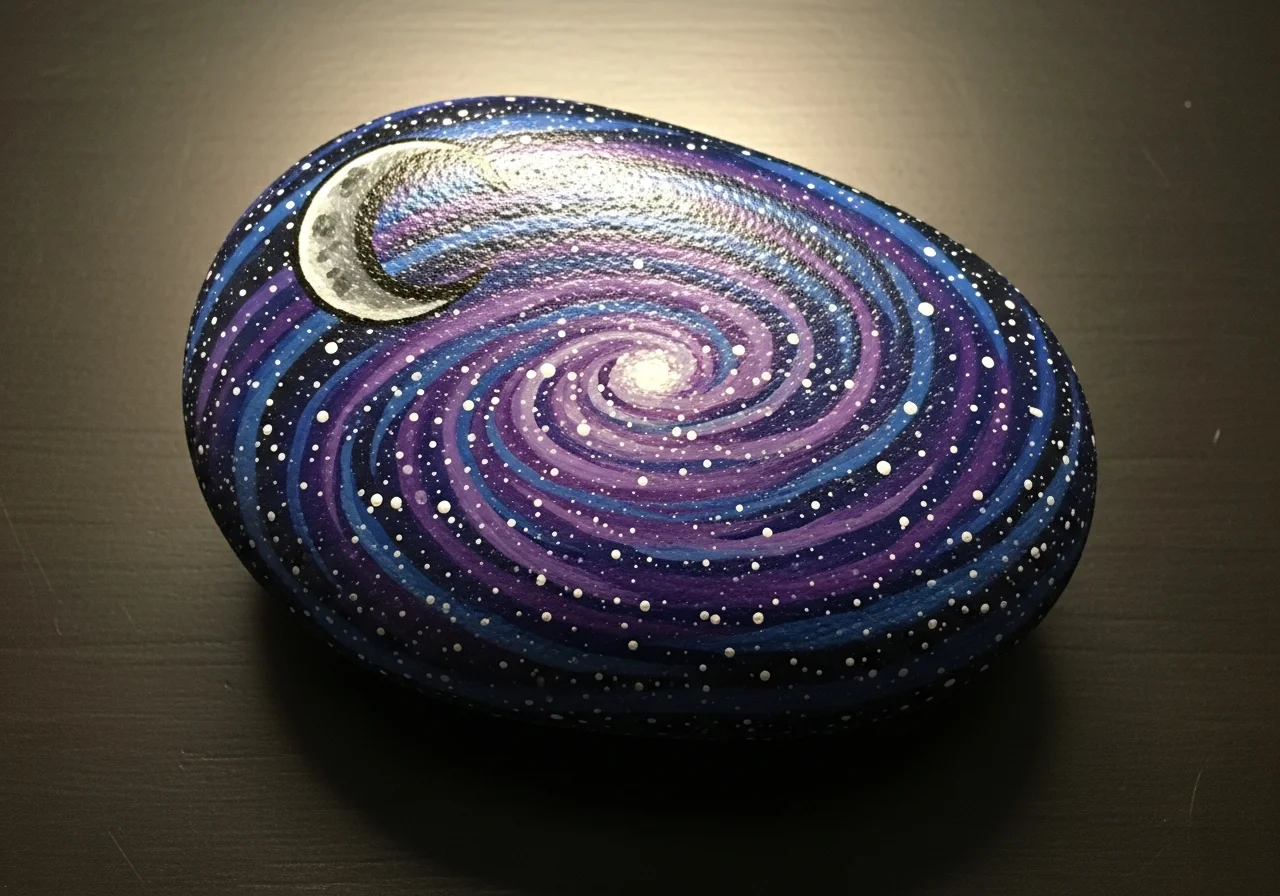
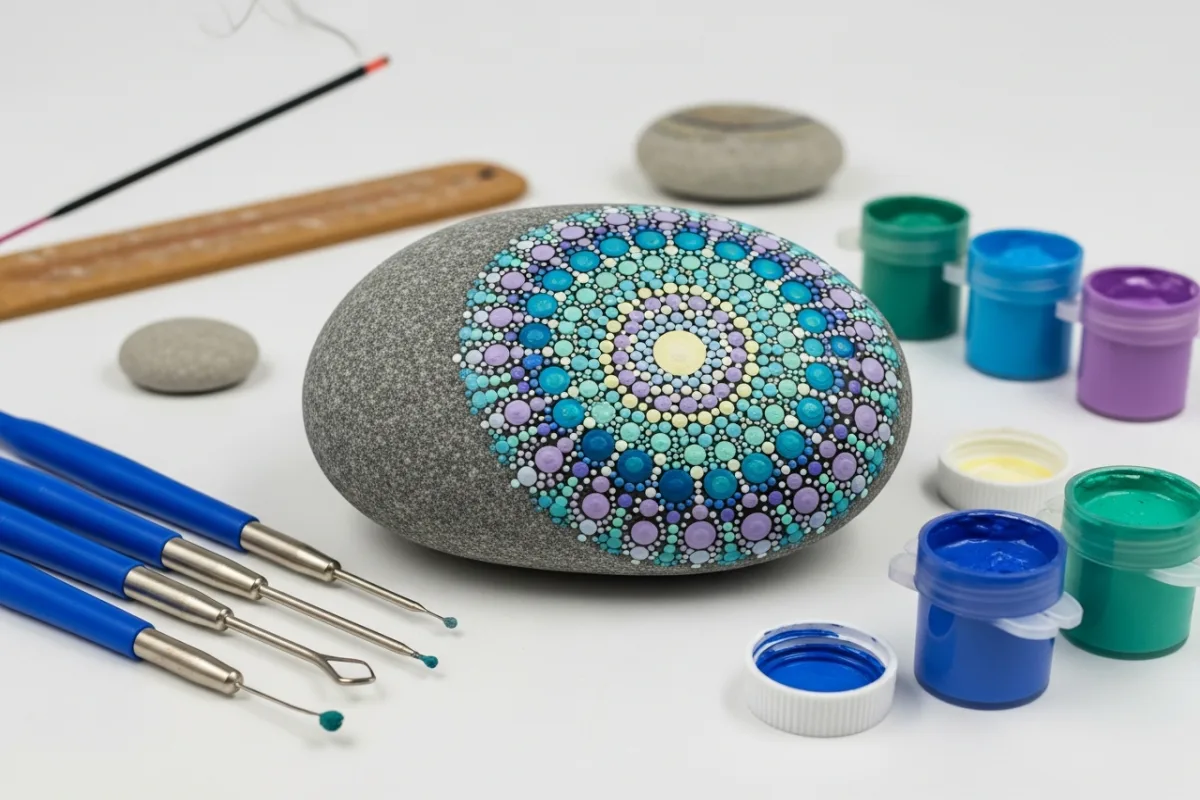
- Mandala dotting — The most popular mindfulness rock painting technique. Using a dotting tool (or a toothpick, pencil, or stylus tip), you create concentric rings of dots in perfectly spaced patterns. The repetitive, methodical nature of dotting — place dot, lift, move, place dot — is almost hypnotic.
- Zentangle patterns — Small, structured abstract patterns that fill a defined space. Drawing Zentangle-inspired patterns on a rock section by section produces deep focus and a quieting of mental noise.
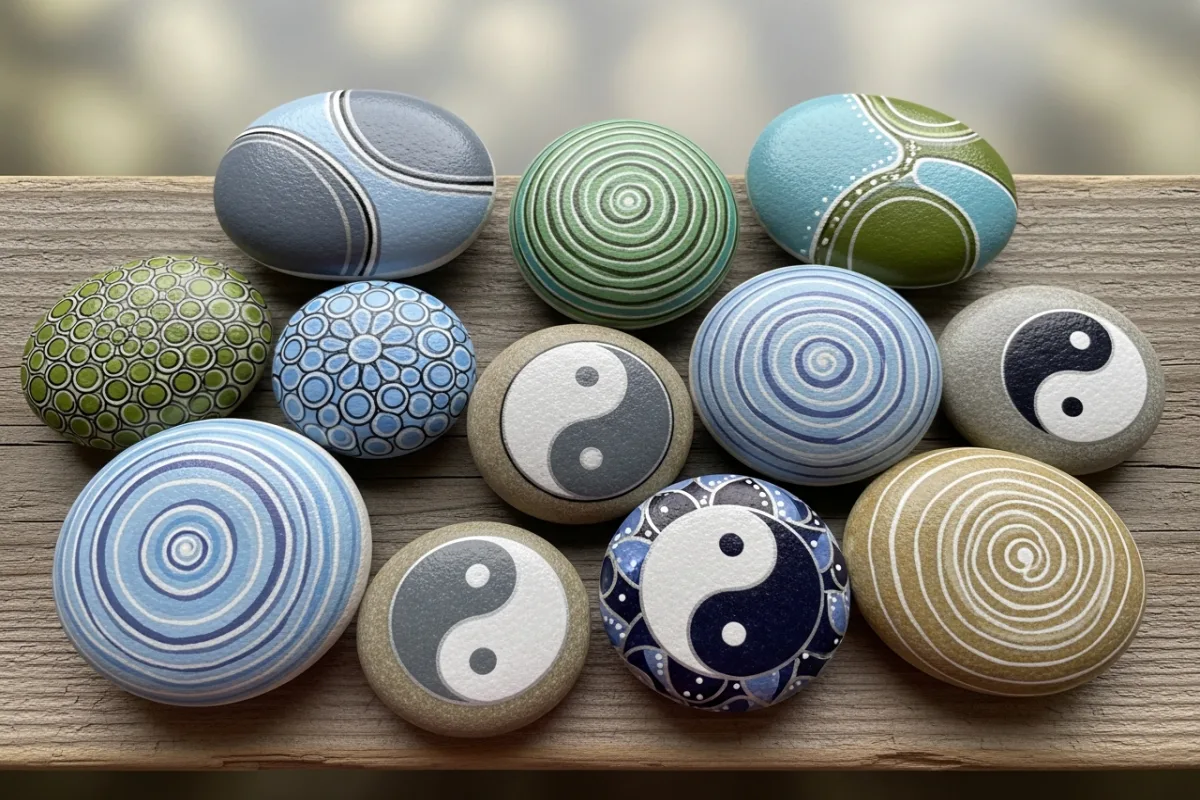
- Concentric line patterns — Following the outline of the rock's shape with increasingly smaller concentric lines, in harmonious colours. Meditative in its simplicity and very forgiving of technical imperfection.
- Free-flowing brush painting — Without any pre-plan, allow the brush to move where it wants with a single colour on a contrasting background. This is the rock painting equivalent of automatic writing and can be surprisingly revealing.
Setting Up a Mindful Rock Painting Space
Environment matters enormously for mindfulness practice:
- Choose a quiet time — early morning or late evening when the house is still.
- Clear the workspace physically and mentally — a tidy surface encourages a tidy mind.
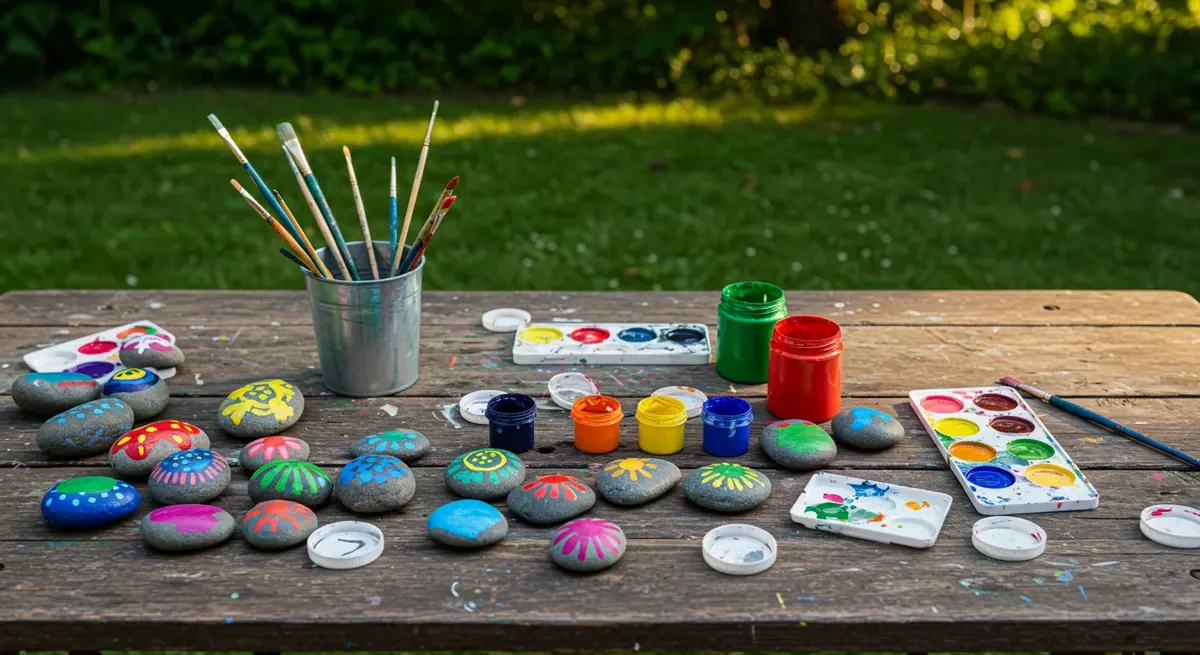
- Set out all materials before you begin so there are no interruptions to break focus.
- Consider soft background music or nature sounds. Many rock painters find low, instrumental music or rain sounds enhance their meditative state.
- Avoid checking your phone. If you paint for 30 minutes without looking at a screen, this session itself becomes a form of digital detox.
For guidance on which paints and supplies to use, see our acrylic paint guide.
Mindfulness Rock Painting Patterns Step by Step
To start a mandala dotting session:
- Prime the rock with black acrylic paint. Allow to dry.
- Mark the centre of the rock lightly with a pencil.
- Using a large dotting tool, place 6–8 evenly spaced dots in the first ring around the centre.
- Switch to a smaller tool and add a second ring of smaller dots between and around the first ring.
- Continue outward, varying dot size and colour with each new ring.
- Breathe slowly and deliberately as you work. There is no right or wrong pattern — only process.
For more detailed pattern tutorials, read our rock painting patterns guide.
The Additional Benefits: Sharing Your Mindfulness
Unlike private meditation, painted rocks can be hidden for others to discover. Knowing that a stranger will find your mindfulness creation — that a person having a difficult day will pick up a rock you painted in a state of calm and peace — adds a layer of meaning that private meditation cannot provide. Register your rocks with RoxGeo and imagine the chain of positive energy that begins when someone finds your rock. For wellness studies on rock painting, see our guide on rock painting wellness benefits.
Frequently Asked Questions
How long should a mindfulness rock painting session be?
Even 20–30 minutes of focused rock painting produces measurable stress relief. Longer sessions of 45–60 minutes allow deeper creative engagement. The key is regularity — 20 minutes three times a week is more beneficial for stress management than one occasional 2-hour session. Treat it like any other wellbeing practice: consistent and scheduled.
Do I need to be artistic for mindfulness rock painting?
No artistic skill is required. Mandala dotting, in particular, is purely about repetitive geometric placement, not artistic talent. The therapeutic benefit comes from the process, not the product. Many people who consider themselves "not artistic" find mandala dotting to be their most enjoyable and calming creative activity precisely because it has a simple structure that anyone can follow.
Can rock painting help with anxiety or depression?
Many people report that regular rock painting sessions significantly reduce their anxiety symptoms. Creative activities that require sustained focus are particularly effective for interrupting anxious thought loops. If you are experiencing clinical anxiety or depression, rock painting is a helpful complementary activity but should be used alongside, not instead of, professional mental health support.