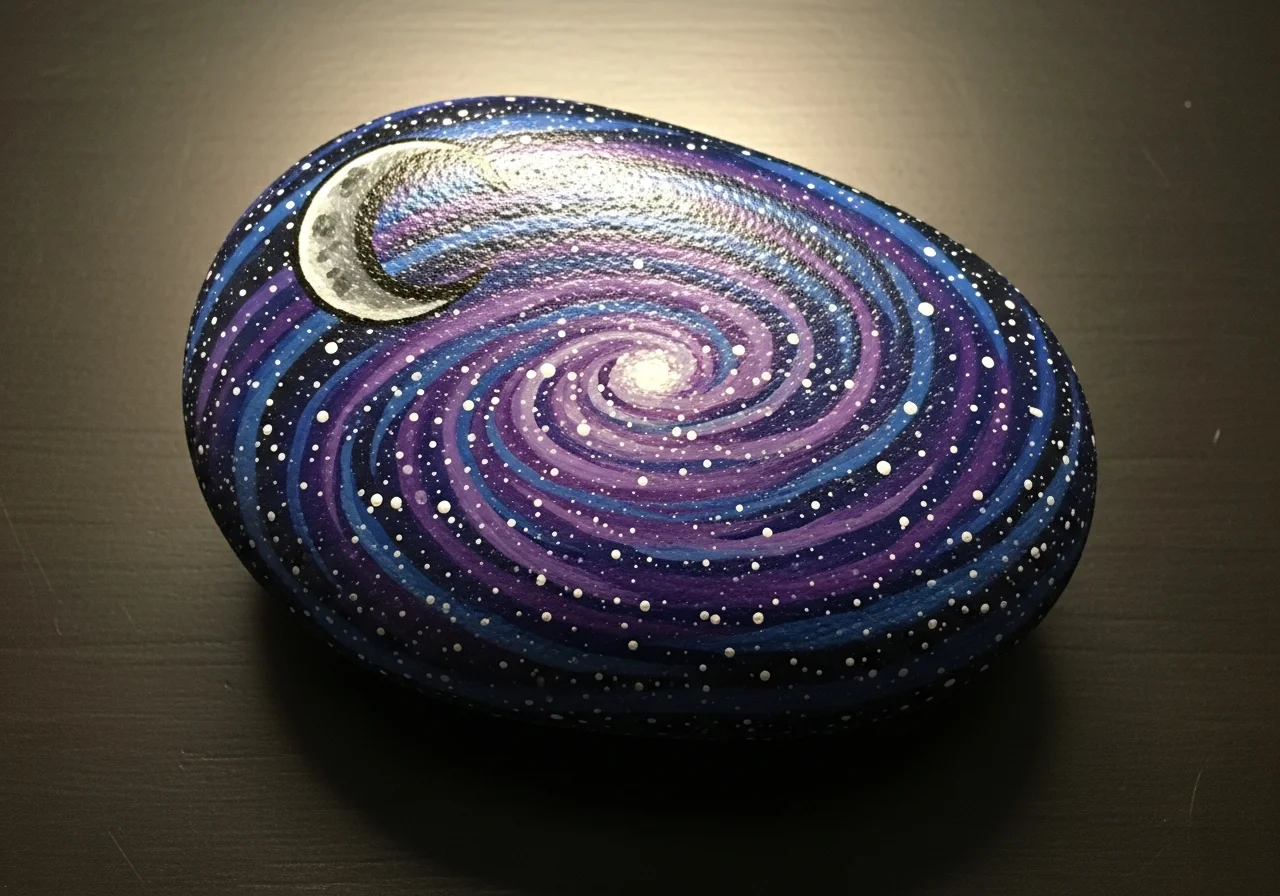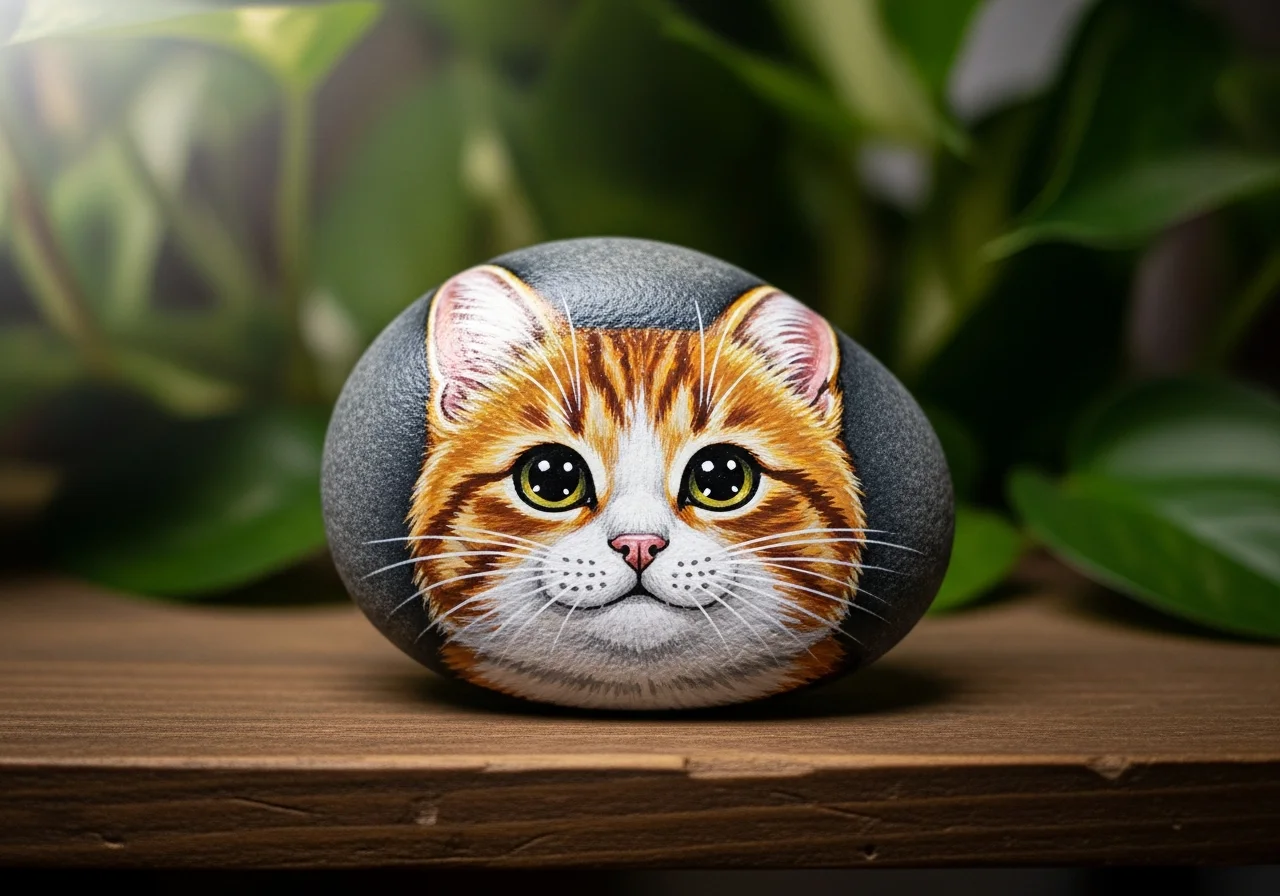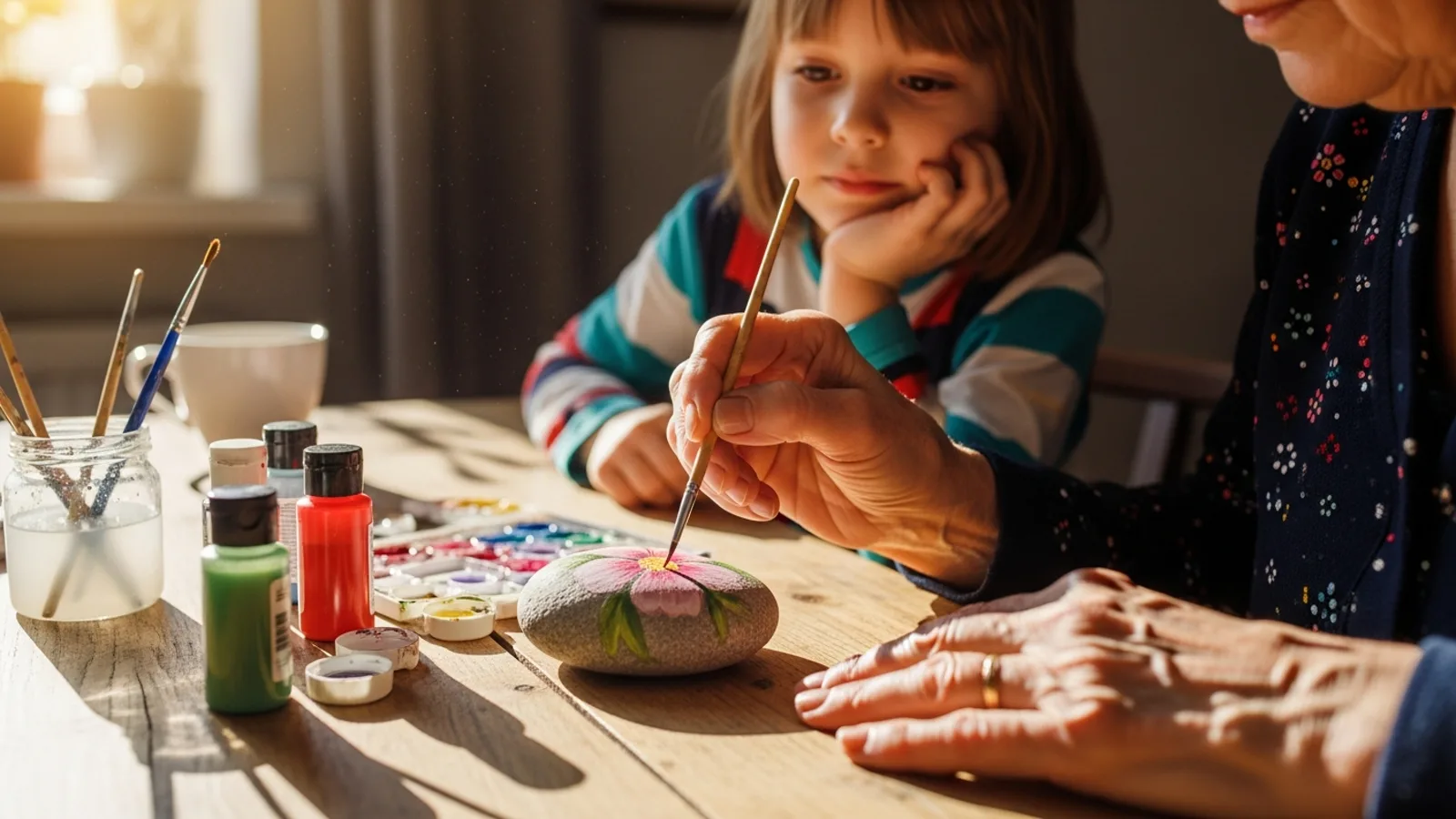
Rock painting with seniors is gaining recognition as one of the most beneficial and accessible creative activities for older adults. Unlike many crafts, it requires minimal setup, produces beautiful results regardless of technical skill, and offers multiple dimensions of benefit — from physical fine motor practice to social engagement and emotional fulfilment. This guide is for care home activity coordinators, occupational therapists, and families looking to introduce rock painting to older adults in their lives.
Why Rock Painting Is Ideal for Older Adults
Several qualities make rock painting particularly well-suited to seniors:
- Tangible, physical canvas — The weight and texture of a smooth stone provides rich sensory input, which is particularly valuable for older adults with sensory processing changes. Holding a stone is naturally calming and grounding.
- Scalable complexity — A simple wash of colour on a stone is as valid as a detailed mandala. Rock painting never sets a minimum standard that could exclude a participant.
- Immediate results — Unlike knitting or woodworking, even a 30-minute session produces a complete, satisfying object. This immediacy of completion is psychologically reinforcing for participants who may have limited energy or attention span.
- Social sharing — Painted rocks can be given as gifts to grandchildren, fellow residents, or family — creating meaningful social connections through creative output.
For the broader wellness evidence behind creative activity for older adults, see our rock painting wellness guide.
Adapting Rock Painting for Different Needs
Activity coordinators should adapt materials and techniques to suit participants' individual needs:
- For limited grip or hand tremor: Use larger rocks (12–15 cm) that are easier to hold. Thick-handled brushes with foam grips. Sponge applicators instead of fine brushes. Weighted wrist supports if appropriate. Secure the rock with a non-slip mat.
- For limited vision: Use high-contrast colours (black on white, or white on black). Large, broad designs rather than fine detail. Good overhead lighting. Magnifying glasses if needed.
- For cognitive impairment: Simple, one-step instructions. Focus on the sensory experience of the paint and the stone rather than the end product. Sponge printing and finger painting remove the need for brush control. Celebrate the process, not the result.
- For limited mobility: Bring all materials to the participant. Ensure the table is at an accessible height. Allow longer time without pressure.
Running a Group Rock Painting Session
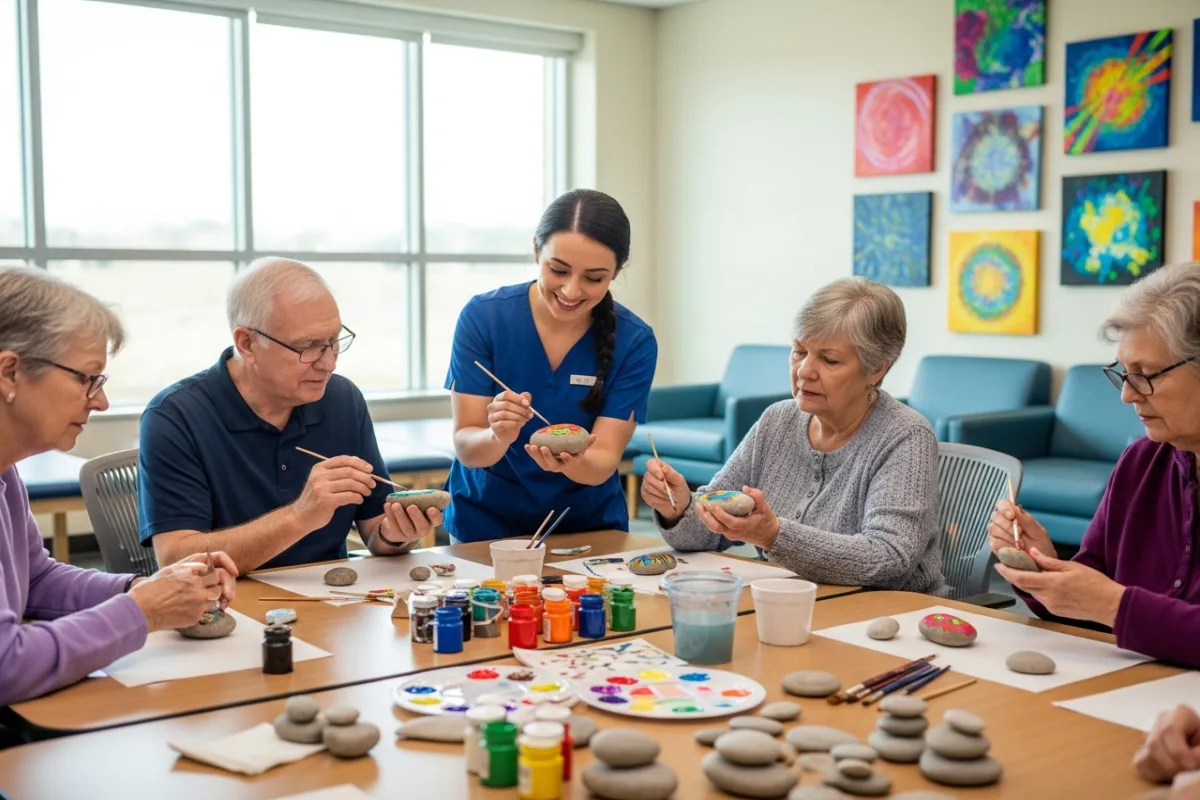
A successful group session for older adults follows this structure:
- Preparation (30 min before) — Cover tables, pre-wash and dry all rocks, set up individual paint plates with 4–6 colours each, prepare a brush rinsing jar of water per person.
- Introduction (5 min) — Show examples of finished rocks. Explain that there are no mistakes and any mark on the stone is beautiful.
- Priming (10 min) — Apply white base coat together. This is an accessible first step anyone can do and builds confidence.
- Painting (30–40 min) — Allow free creative time with guidance available on request. Play gentle background music.
- Show and tell (10 min) — Each participant shares their rock and says one thing they enjoyed about the session.
- Sealing (coordinator only) — Apply varnish after the session, away from participants.
For materials guidance, see our beginner's supply guide.
Intergenerational Projects: Seniors and Children Together
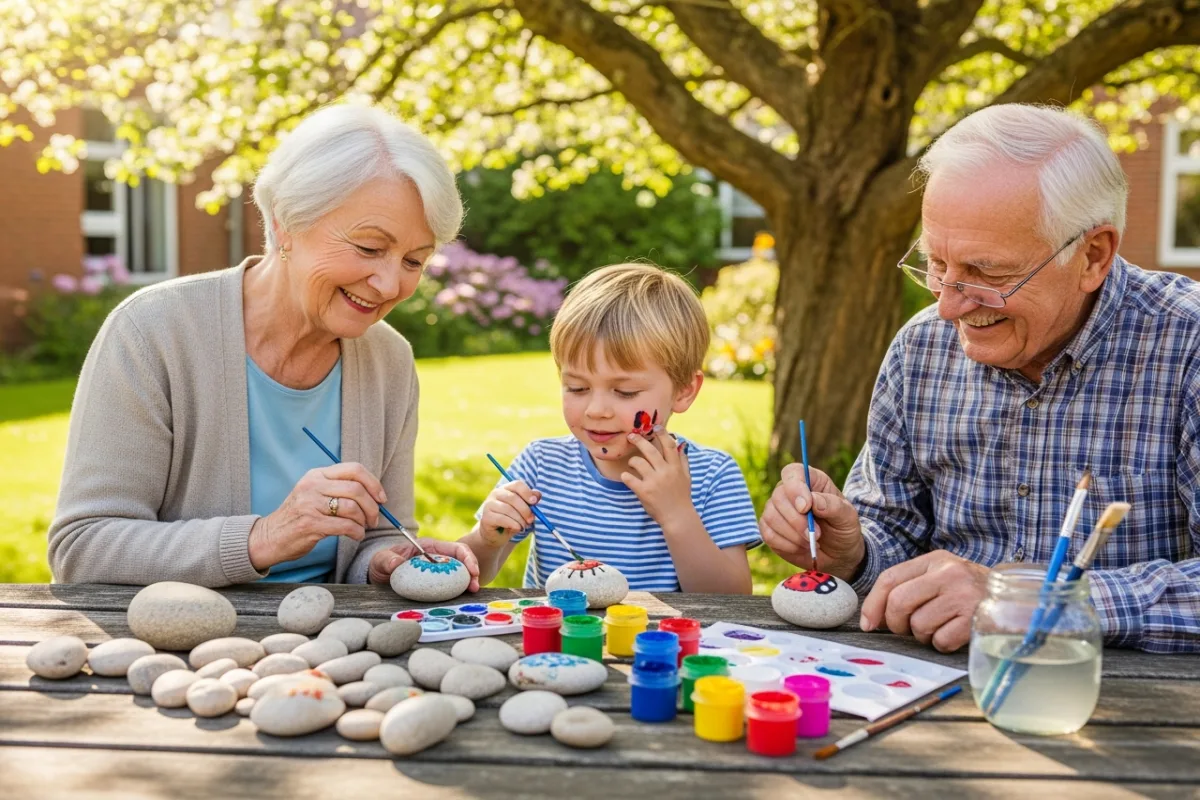
Some of the most meaningful rock painting sessions happen when seniors and young people paint together. Grandparents and grandchildren naturally teach each other: grandparents bring patience and life experience; children bring energy and less inhibition. An intergenerational rock painting project — where each pair creates one rock each and hides them together in a local park, then registers them with RoxGeo — creates a shared experience and memories that outlast the session. For children's adaptation, see our kids rock painting guide.
Using Finished Rocks Meaningfully
Giving participants agency over their finished rocks increases the sense of meaning and achievement:
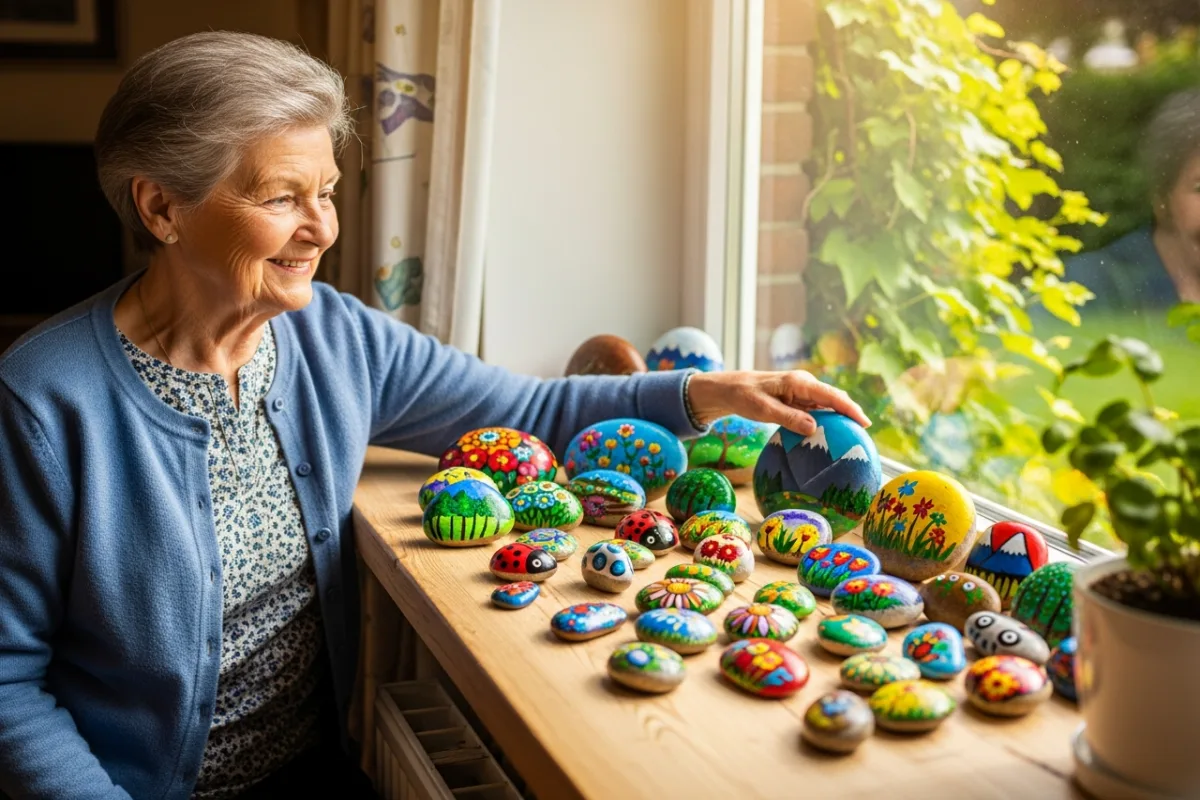
- Personal display — Arrange rocks on a windowsill or garden as permanent decoration.
- Gift giving — A painted rock given to a family member is a genuine act of love and creativity.
- Community hiding — For mobile participants, hiding a rock in a local park and imagining who will find it creates a powerful sense of community contribution.
- Care home display — A collection of painted rocks displayed communally creates a colourful, conversation-starting feature for the space.
Frequently Asked Questions
Is rock painting safe for people with dementia?
Yes. Rock painting is widely used in dementia-friendly activity programmes. The key adaptations are: use non-toxic paints only, supervise closely, choose simple techniques like sponging or finger painting, focus on the sensory experience rather than a finished product, and ensure no participant ingests paint (always use AP non-toxic paints). Consult with care professionals for specific guidance on individual participants.
What is the minimum physical capability needed to rock paint?
Very little. As long as a person can hold a sponge or make contact with a surface with at least one hand, they can produce a painted rock. Adaptive tools, weighted brushes, and large stones make the activity accessible to people with very significant physical limitations. The activity can also be adapted so a participant directs another person's painting verbally, maintaining creative agency without physical demand.
How do I persuade a reluctant senior to try rock painting?
Start with the concrete outcome rather than the process — show them a beautiful finished rock and say "you could make something like this." Many older adults were taught that art is only for talented people; rock painting's forgiving nature quickly challenges that belief once they try. Having a peer or family member paint alongside them in the first session removes the fear of being alone in an unfamiliar activity.