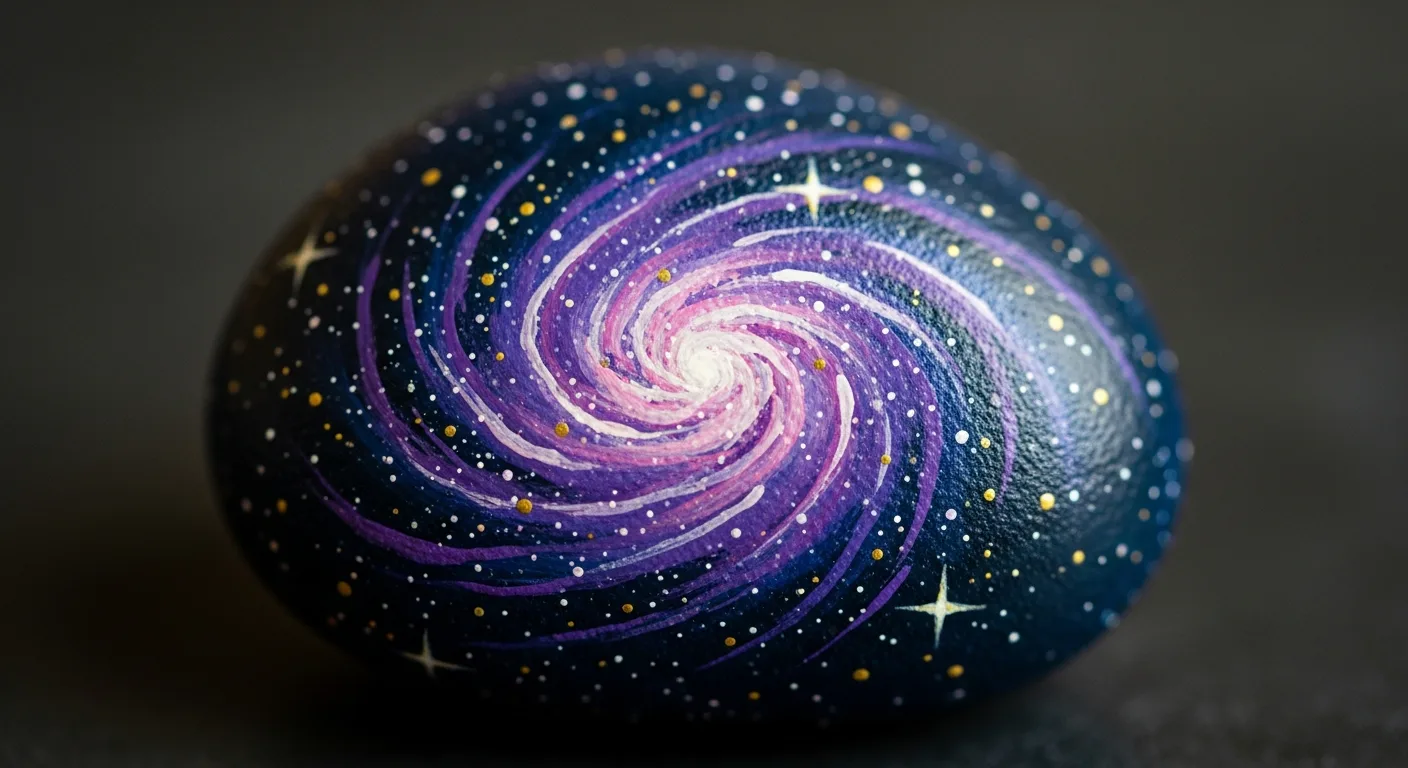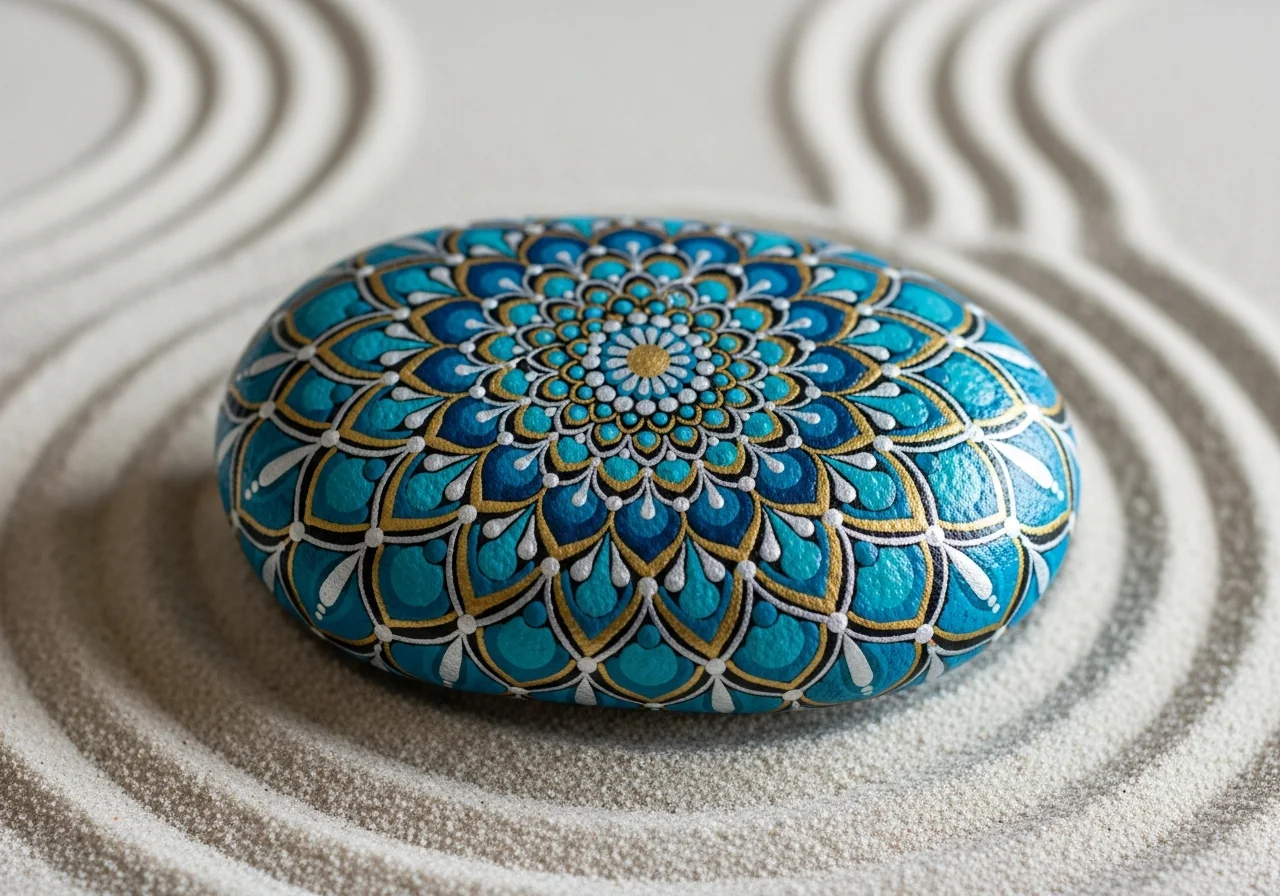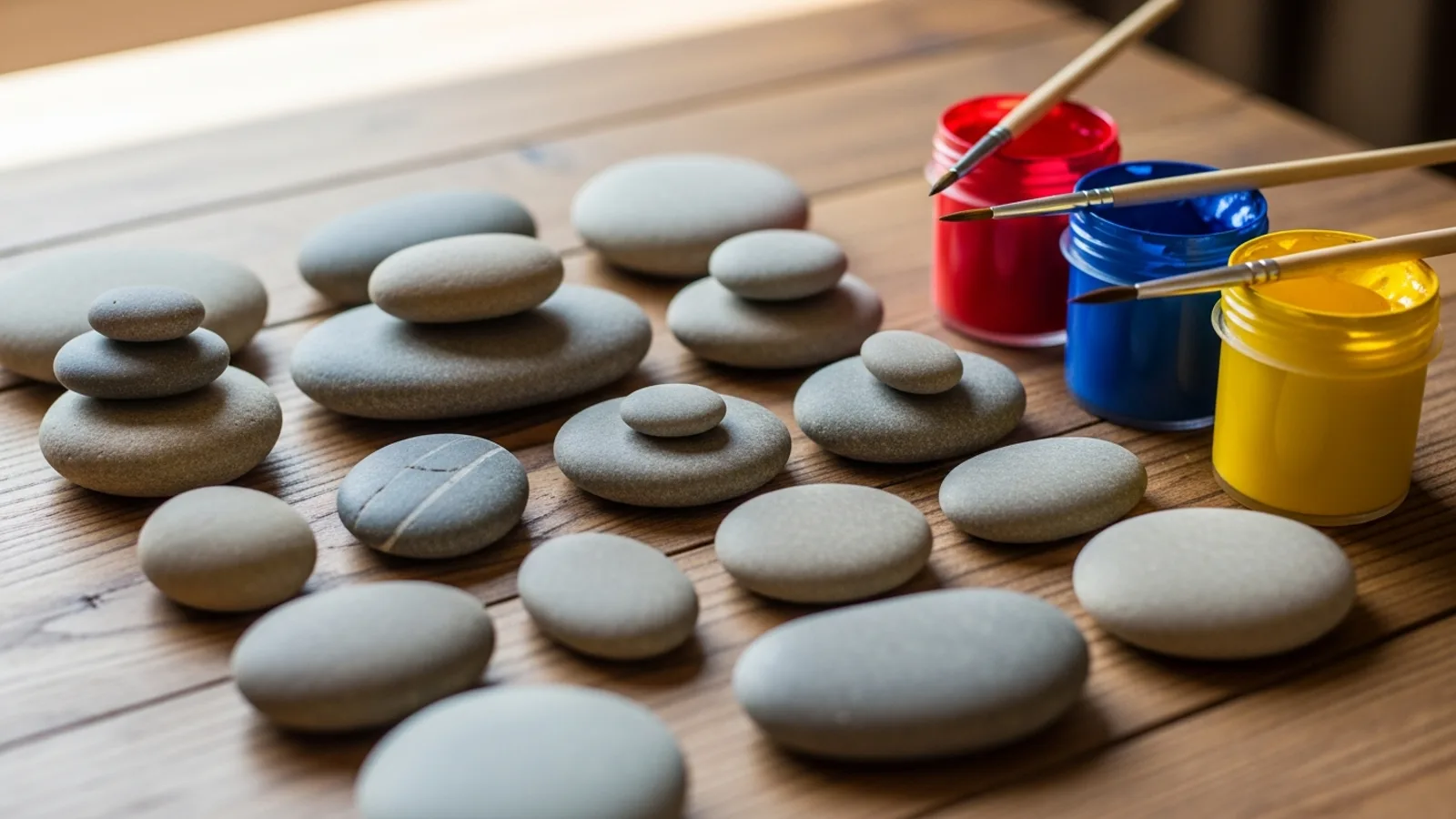
Rock painting for beginners has never been more accessible. All you need is a smooth stone, a few brushes, some acrylic paint, and the enthusiasm to create something beautiful. Whether you want to spread joy by hiding painted rocks for strangers to find or simply enjoy a relaxing creative hobby, this guide covers everything you need to start painting rocks today.
Why Rock Painting Is Perfect for Any Age
Rock painting combines the meditative satisfaction of repetitive mark-making with the excitement of a real-world treasure hunt. Unlike many art forms, it requires very little investment to get started and produces results you can share with your community. Children as young as three can participate, and adults find the process genuinely calming. Once you register your rock with RoxGeo, you can watch it travel the world as strangers find and re-hide it.
Choosing Your First Rock
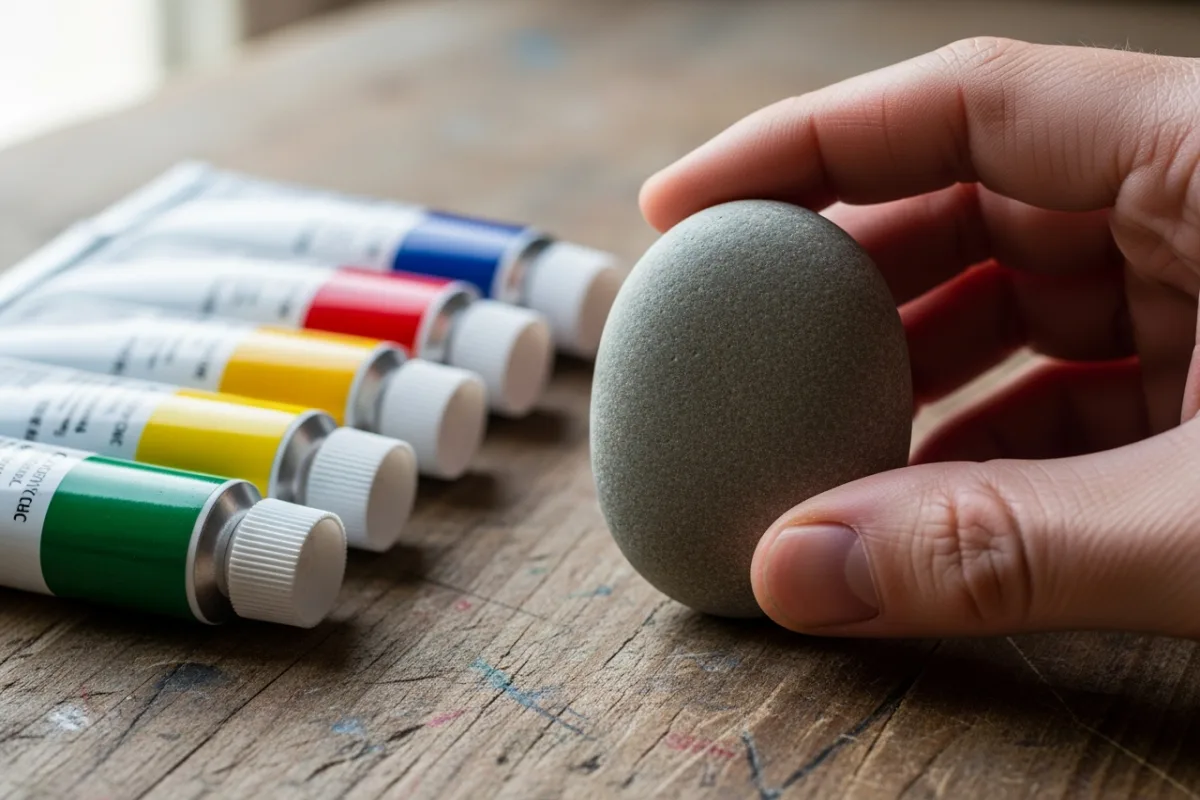
The best rocks for painting are smooth, flat, and palm-sized. River pebbles and beach stones are ideal because water has polished their surfaces over time. Look for rocks without cracks, with a consistent colour (lighter stones show paint better), and without a powdery surface. If you cannot find good rocks outdoors, garden centres and craft stores sell bags of smooth river pebbles at very low cost. See our full guide on where to find rocks for painting legally.
Essential Supplies (and What You Can Skip)
You need surprisingly little to start:
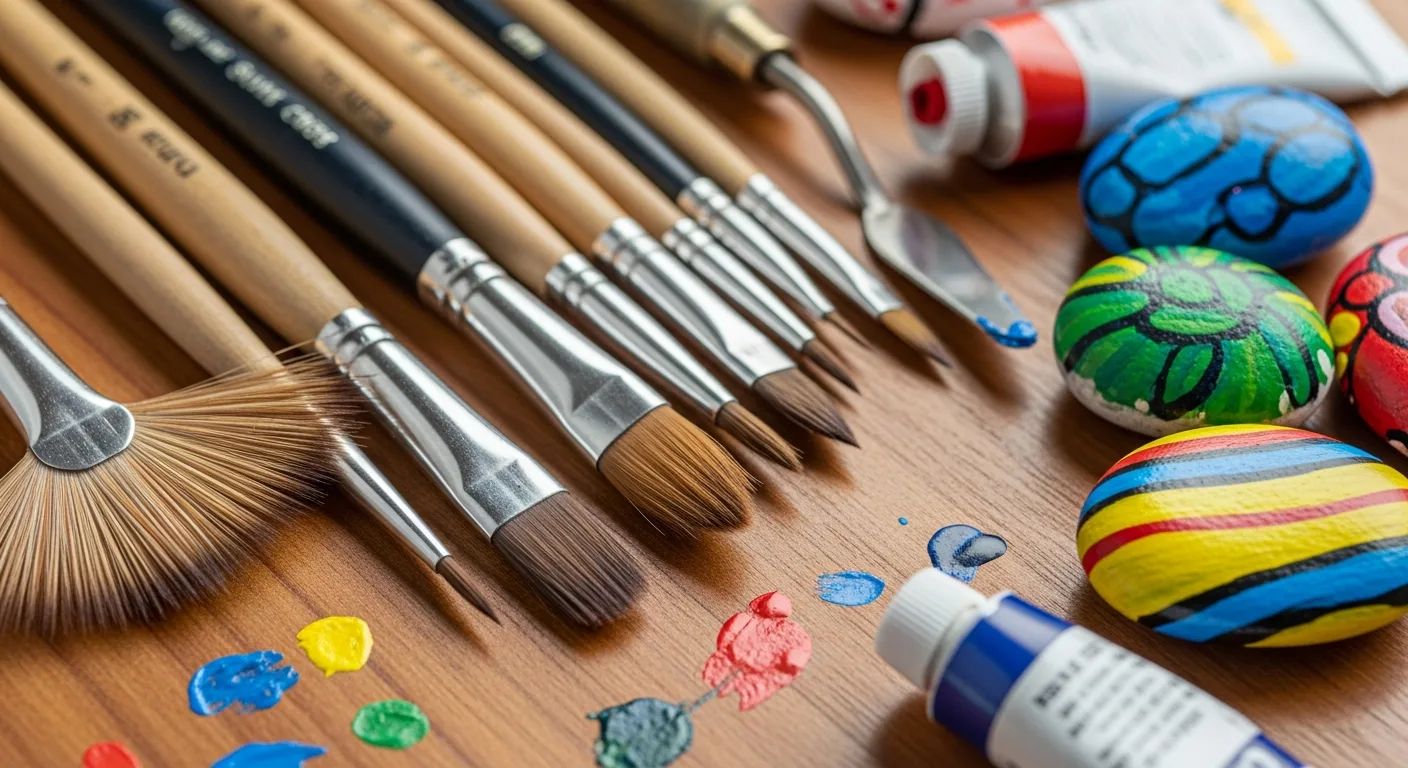
- Acrylic paints - craft-grade acrylics from any art shop work perfectly for beginners. A basic set of 12 colours is more than enough.
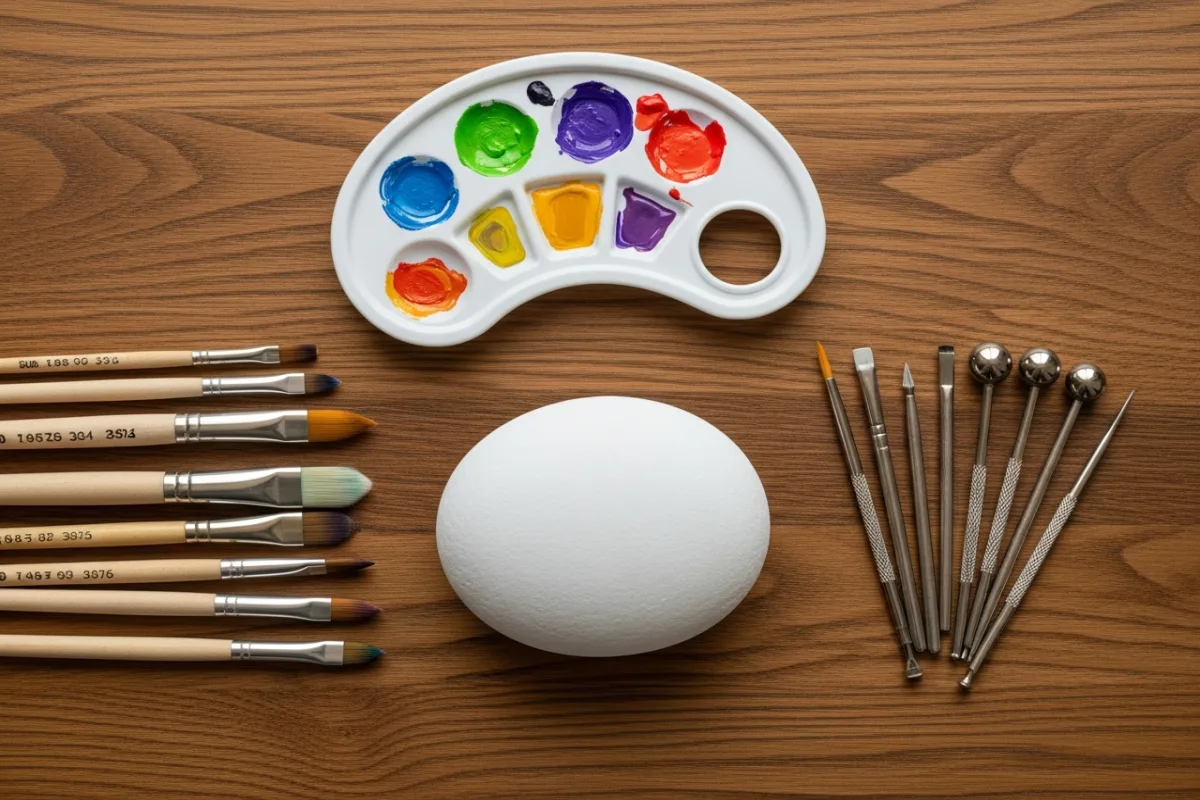
- Brushes - a flat brush for base coats, a round brush for details, and a fine liner for outlines.
- White gesso or chalk paint - for priming your rock (see next section).
- Clear varnish or sealant - essential for outdoor durability.
- A palette - even a plastic plate works fine.
You do not need expensive brushes, artist-grade paints, or specialist dotting tools to begin. Start simple and upgrade as your skills grow. Read more in our complete acrylic paint guide.
Priming Your Rock: The Step Most Beginners Miss
Applying a white base coat (primer) transforms how your colours look. On a dark unpainted rock, even bright colours appear dull. A single coat of white acrylic or gesso makes every colour vibrant and reduces the number of layers you need. Allow the primer to dry completely - around 20 minutes - before applying your design colours.
Your First 3 Easy Designs
Start with these three beginner-friendly ideas:
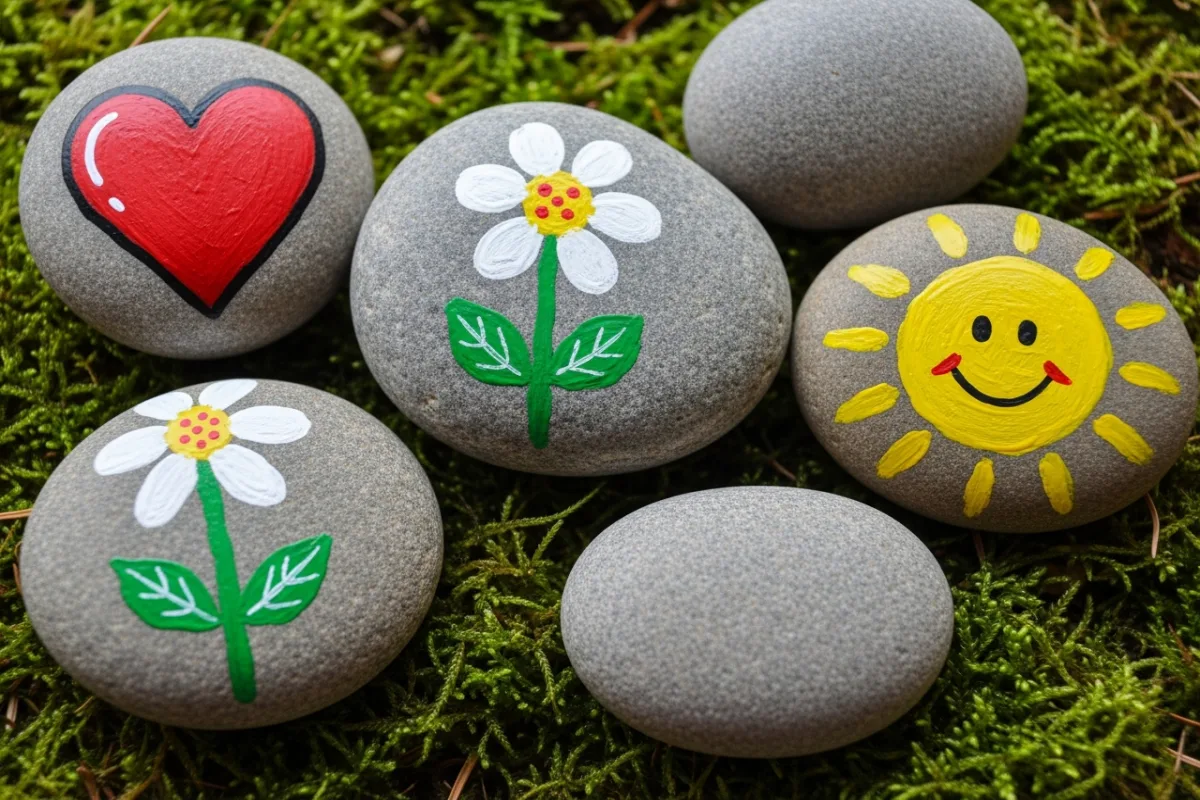
- Solid colour with dots - Paint the rock one colour, let it dry, then add polka dots in a contrasting colour using the tip of a pencil or toothpick. Quick, satisfying, and foolproof.
- Simple heart - Sketch a heart shape lightly in pencil first, fill with red or pink, then outline with black. The pencil disappears once sealed.
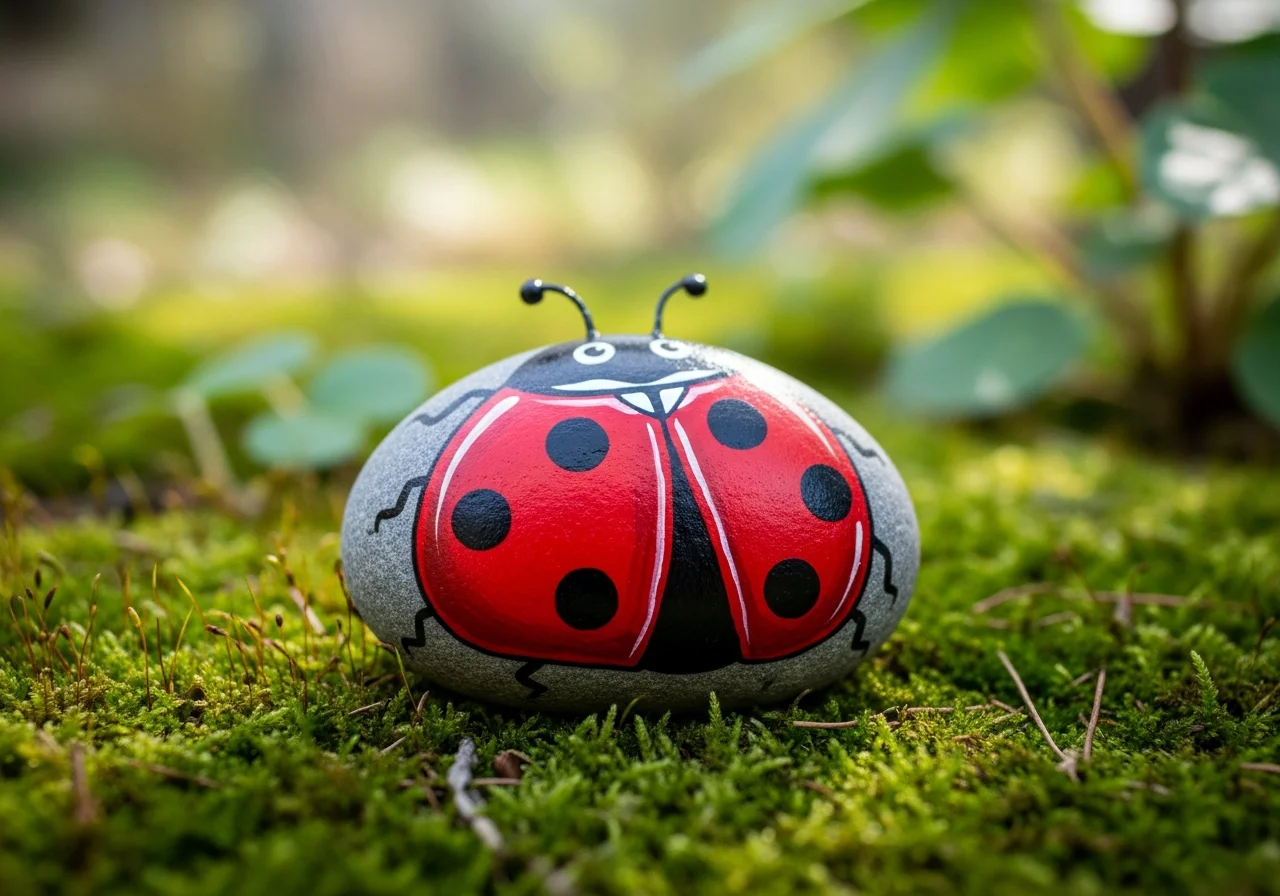
- Ladybug - Paint the top red, add a black head and dividing line, dot on spots. One of the most loved beginner designs.
For more design inspiration, explore our collection of animal rock painting ideas.
Sealing and Hiding Your Rock
Once your painted rock is dry (wait at least one hour), apply 2–3 thin coats of clear varnish or outdoor sealant, allowing each coat to dry before the next. This protects your artwork from rain, UV light, and general wear. See our complete guide to rock sealers for product recommendations. Write your RoxGeo code and ROXGEO.COM on the back before sealing, then choose a great spot to hide it. Learn where to place your rocks in our rock hiding guide.
Frequently Asked Questions
What paint is best for painting rocks as a beginner?
Craft-grade acrylic paint is the best choice for beginners. It dries quickly, comes in a wide range of colours, adheres well to stone, and is affordable. Brands like Apple Barrel, FolkArt, or DecoArt all work well.
Do I need to seal my painted rocks?
Yes, if you plan to leave your rocks outdoors. Without sealing, rain and UV light will quickly fade and peel the paint. Use a spray or brush-on varnish rated for outdoor use. Apply 2–3 coats for best protection.
Can I paint rocks without priming them first?
You can, but colours will be less vibrant and you will need more layers. A quick coat of white acrylic or gesso makes a huge difference, especially on dark stones. It is one of the most valuable beginner tips.