Having the right rock painting supplies makes all the difference between frustration and fun. Whether you are just starting or upgrading your kit, this complete beginner's guide covers every essential supply you need to create beautiful, durable painted rocks ready for hiding and tracking.
We have tested dozens of products and compiled the best recommendations for paints, brushes, stones, sealants, and accessories that rock painters love.
Stones: Your Canvas
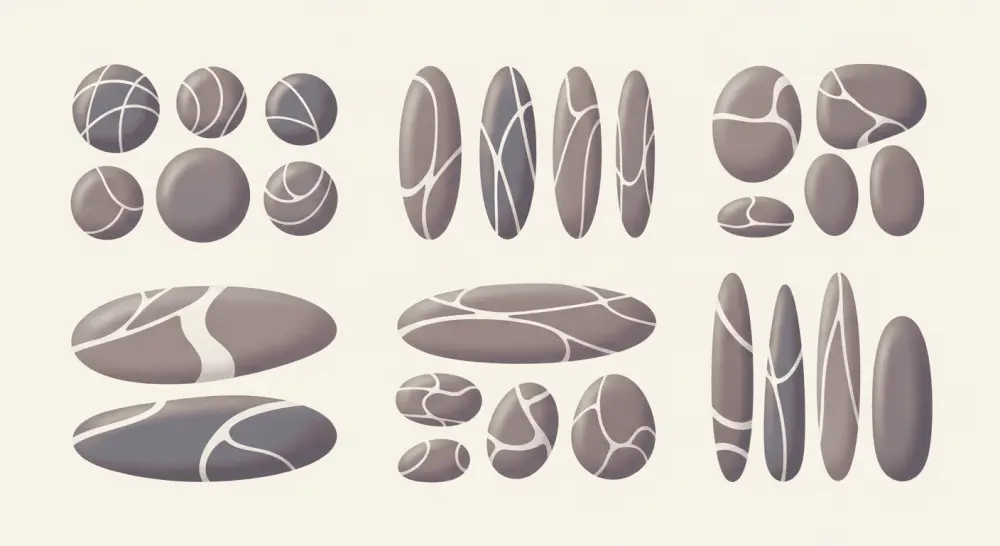
The foundation of every painted rock is the stone itself. Look for these qualities:
- Smooth surface - river stones and beach pebbles with a naturally polished surface are ideal. Rough stones make painting difficult.
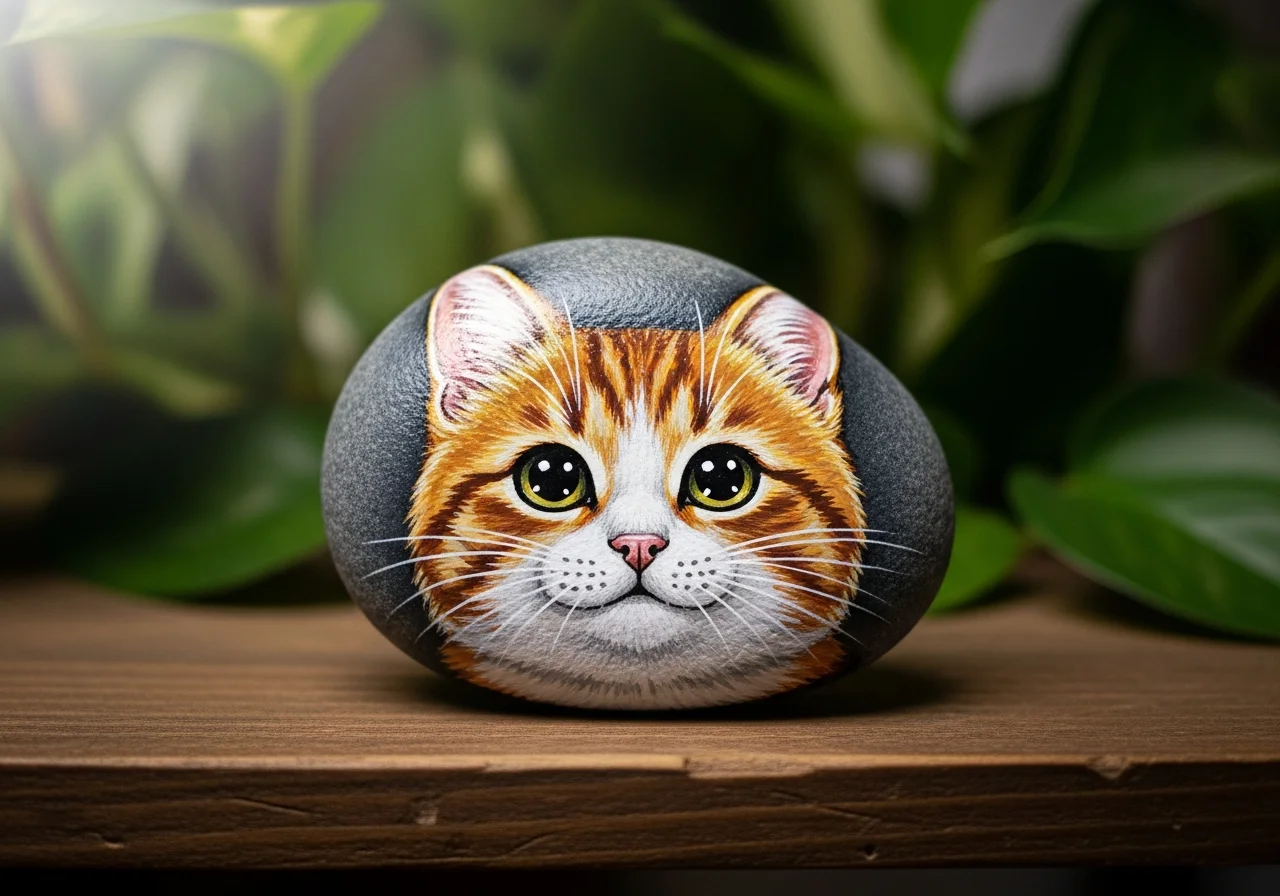
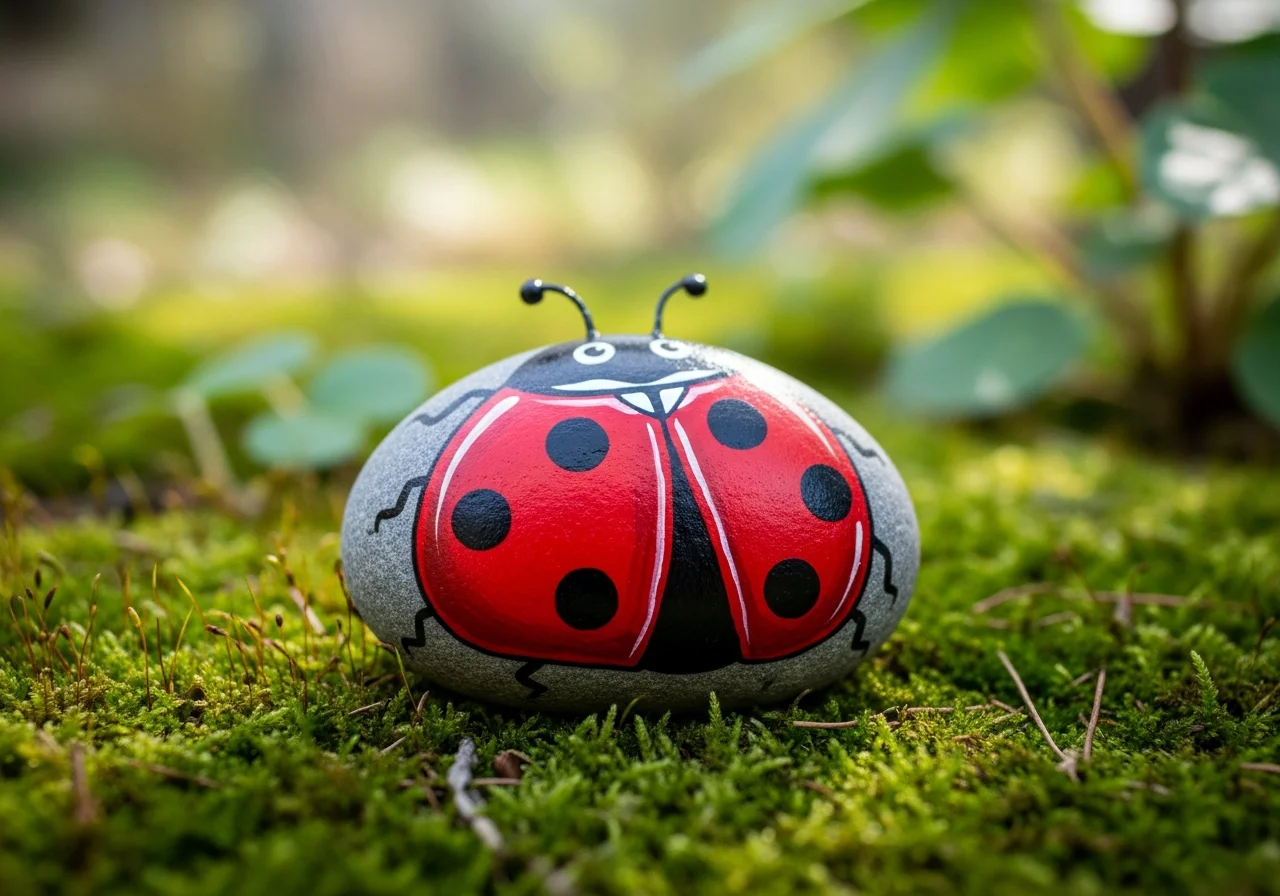
- Flat or gently rounded - flat stones are easiest for beginners. Round stones work well for 3D designs like animals.
- Size - aim for stones between 5–15 cm. Small enough to carry, large enough to paint comfortably.
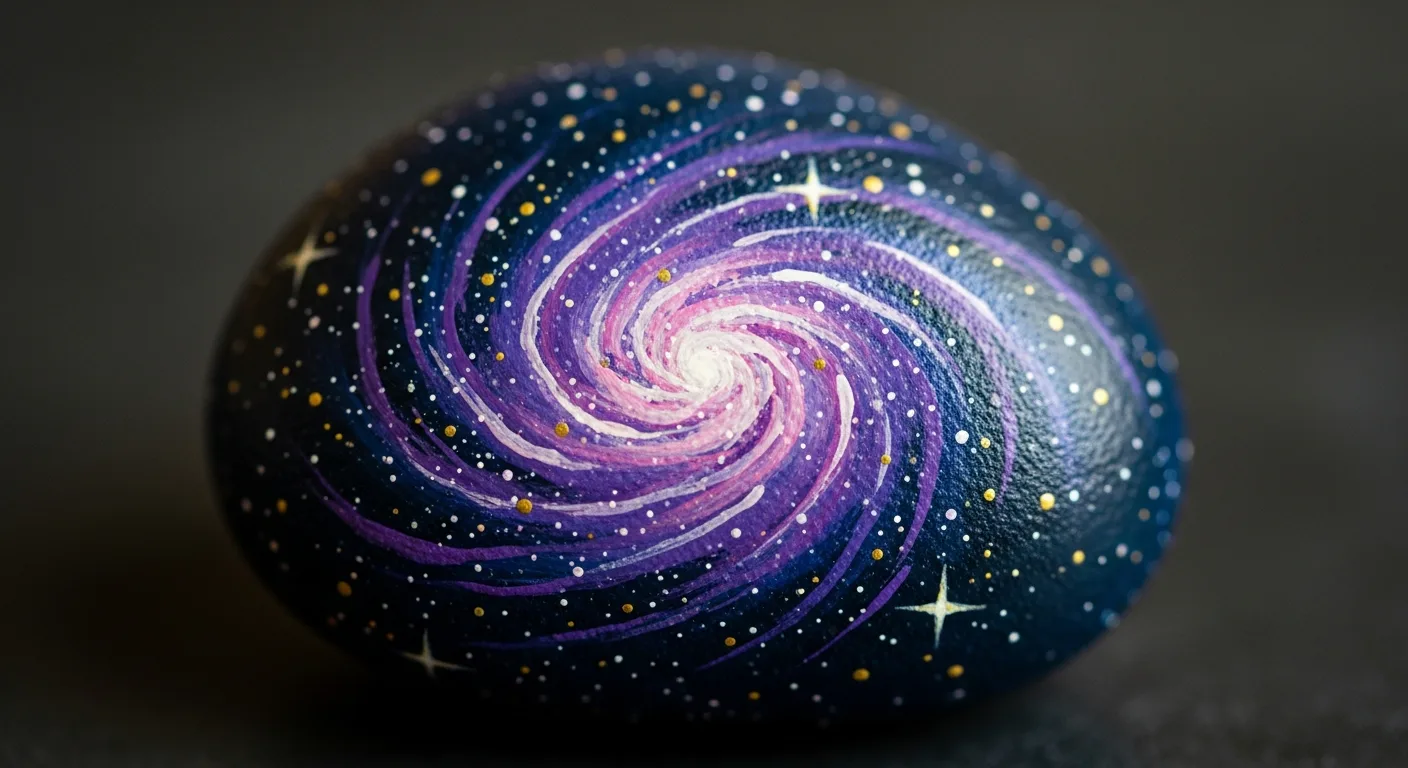
- Light colour - pale stones need less base coat. But dark stones create dramatic effects with bright paints.
You can find stones at beaches, riverbanks, garden centres, or craft supply shops. Never take stones from protected natural areas - check our rules page for responsible sourcing guidelines.
Paints: Colour Your Creations
Acrylic paint is the gold standard for rock painting. It adheres well to stone, dries quickly, and produces vibrant colours. Here is what to look for:
- Quality - artist-grade acrylics have more pigment and better coverage than craft acrylics, but craft acrylics work fine for beginners.
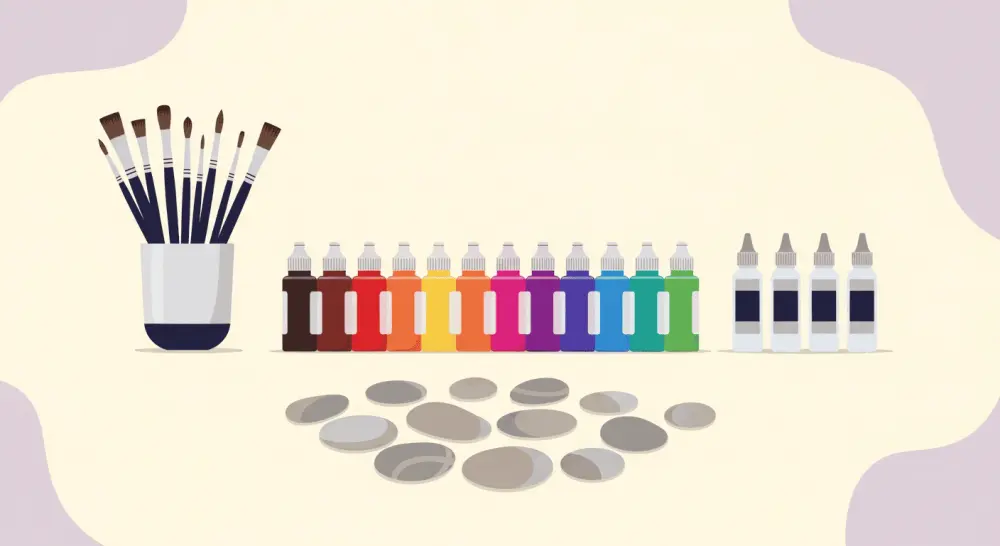
- Colours - start with a basic set of 12–16 colours including primary colours, white, and black. You can mix to create any shade you need.
- Paint pens - acrylic paint pens are excellent for fine details, outlines, and writing text. They combine the permanence of acrylic with the precision of a pen.
- Non-toxic - always choose non-toxic paints, especially if painting with children. Look for AP (Approved Product) or CE safety marks.
Brushes: Precision Tools
A good set of brushes transforms your painting quality:
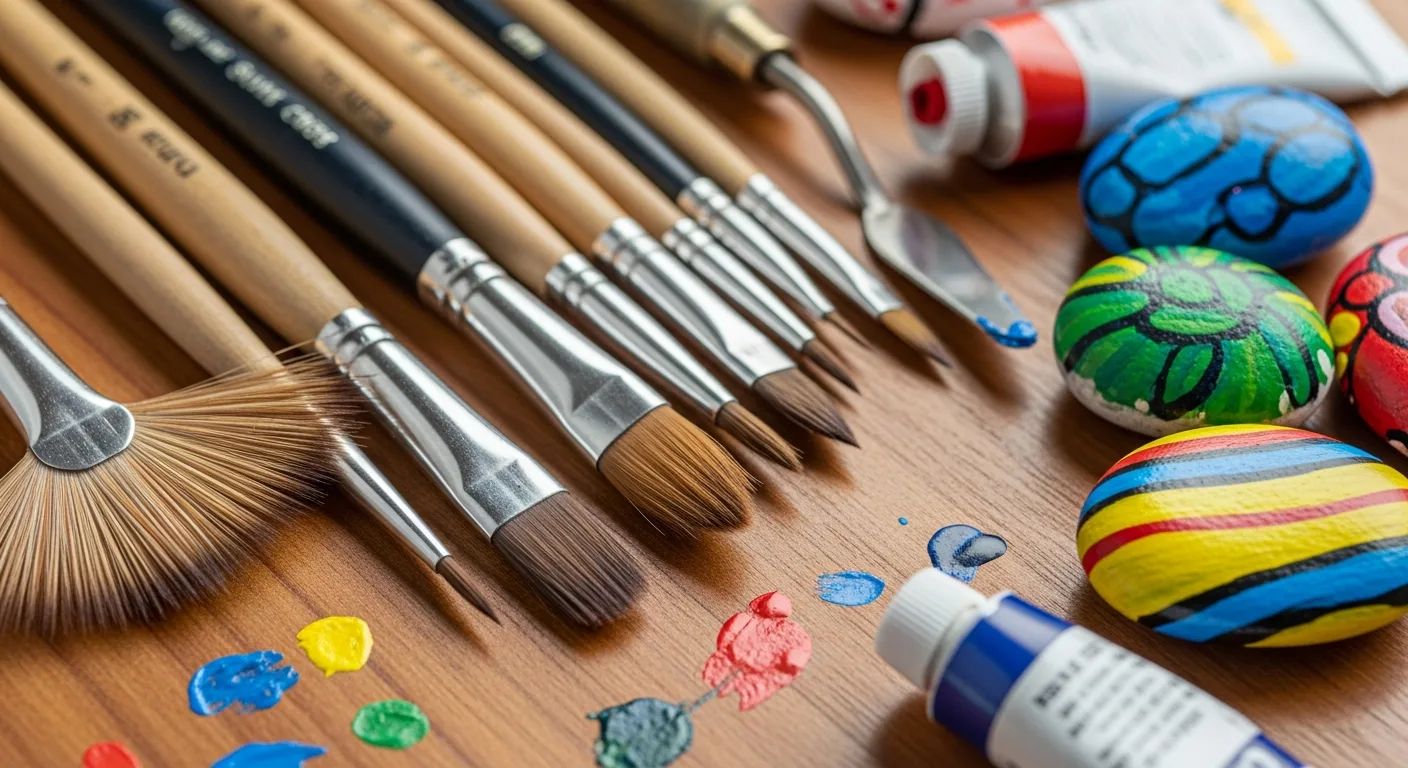
- Fine detail brushes (sizes 0, 1, 2) - essential for eyes, outlines, patterns, and text.
- Flat brushes (sizes 6, 10) - perfect for base coats and filling large areas.
- Round brushes (sizes 4, 6) - versatile all-purpose brushes for general painting.
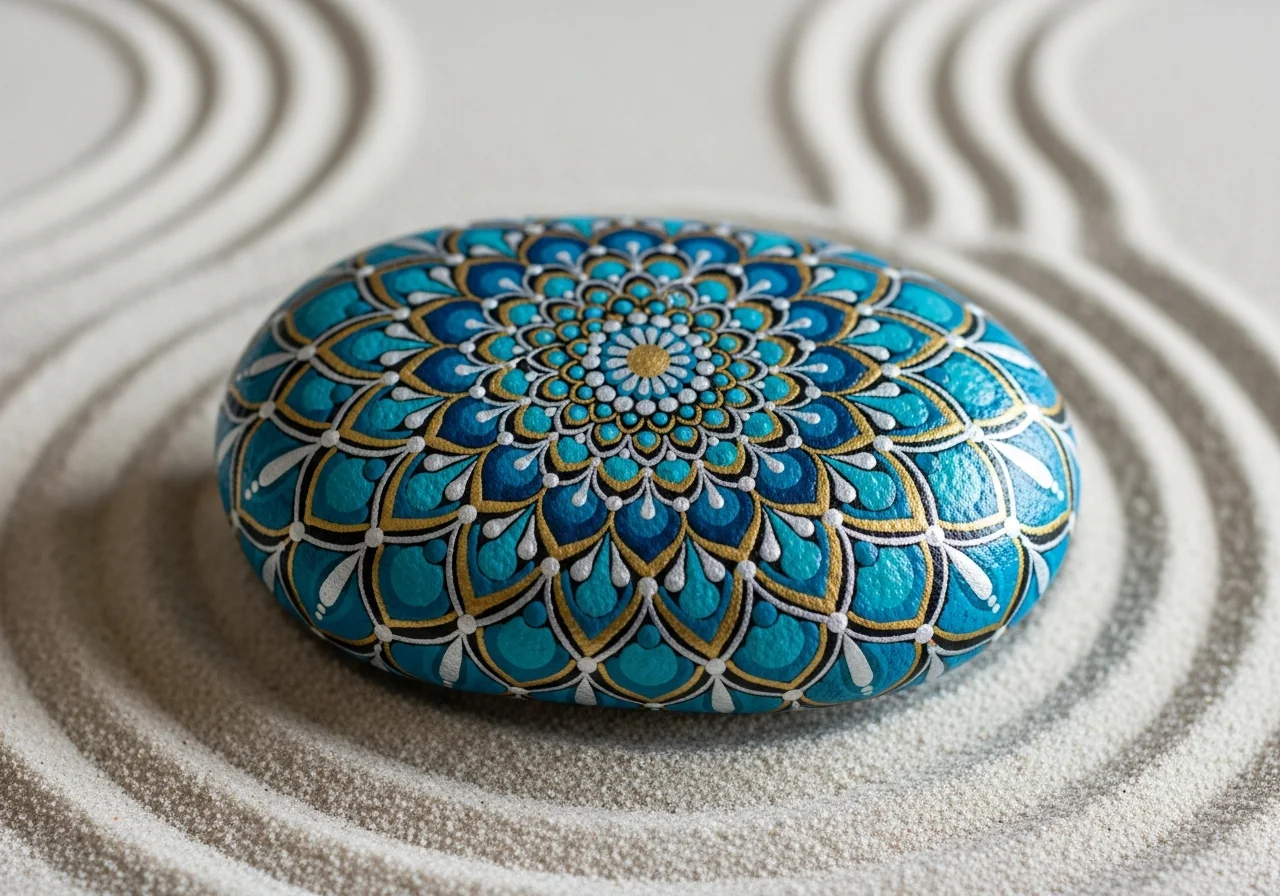
- Dotting tools - specialised tools for mandala dots and uniform dot patterns. A set with multiple sizes is invaluable.
Synthetic brushes work best with acrylic paints. Clean them immediately after use to extend their lifespan.
Sealants: Protect Your Art
Sealing your painted rocks is essential for outdoor durability. Without a sealant, rain, sun, and handling will quickly wear away your artwork.
- Spray sealant - clear acrylic spray gives an even, smooth finish. Apply 2–3 thin coats for best protection.
- Brush-on sealant - polyurethane or Mod Podge applied with a brush. Gives thicker protection but can show brush marks.
- Finish options - glossy finish makes colours pop; matte finish gives a natural look; satin is a balanced middle ground.
Always seal in a well-ventilated area and allow 24 hours of drying time before hiding your rock outdoors.
Accessories Worth Having
- Pencil - sketch your design on the stone before painting.
- Palette - a ceramic plate or plastic palette for mixing colours.
- Water cup - for rinsing brushes between colours.
- Paper towels - for blotting brushes and cleaning up spills.
- White base coat primer - a white gesso or thick white acrylic for preparing dark stones.
Building Your Starter Kit
For a complete beginner kit, you need: 5–10 smooth stones, a 12-colour acrylic paint set, 3–4 brushes in different sizes, a set of dotting tools, a clear spray sealant, and a pencil. This kit costs under $30 and provides everything you need to start creating and sharing painted rocks with the RoxGeo community.
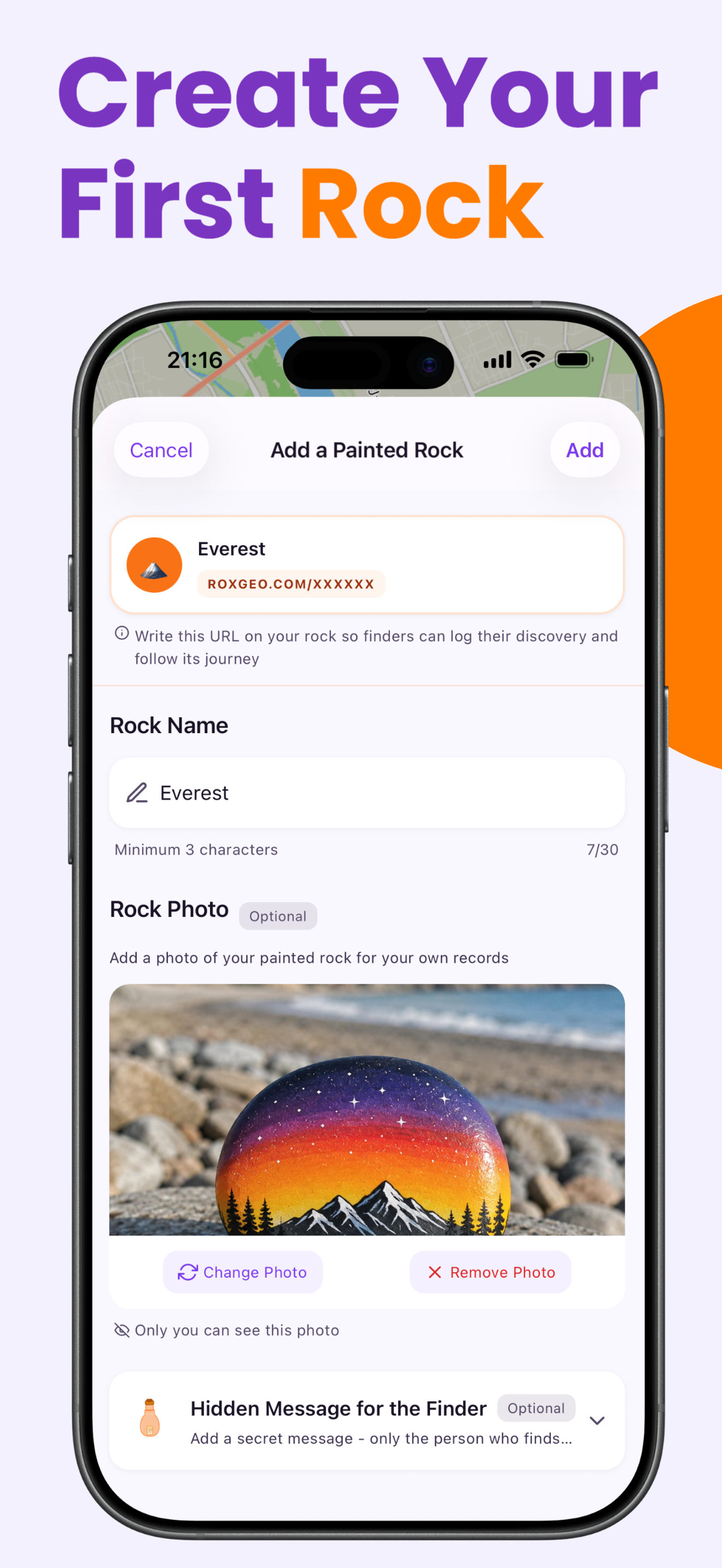
Ready to start painting? Register your first rock on RoxGeo and watch it travel the world!