Note: RoxGeo officially uses only written alphanumeric codes. QR codes are discussed here purely as an industry comparison - the RoxGeo app does not include a QR scanner.
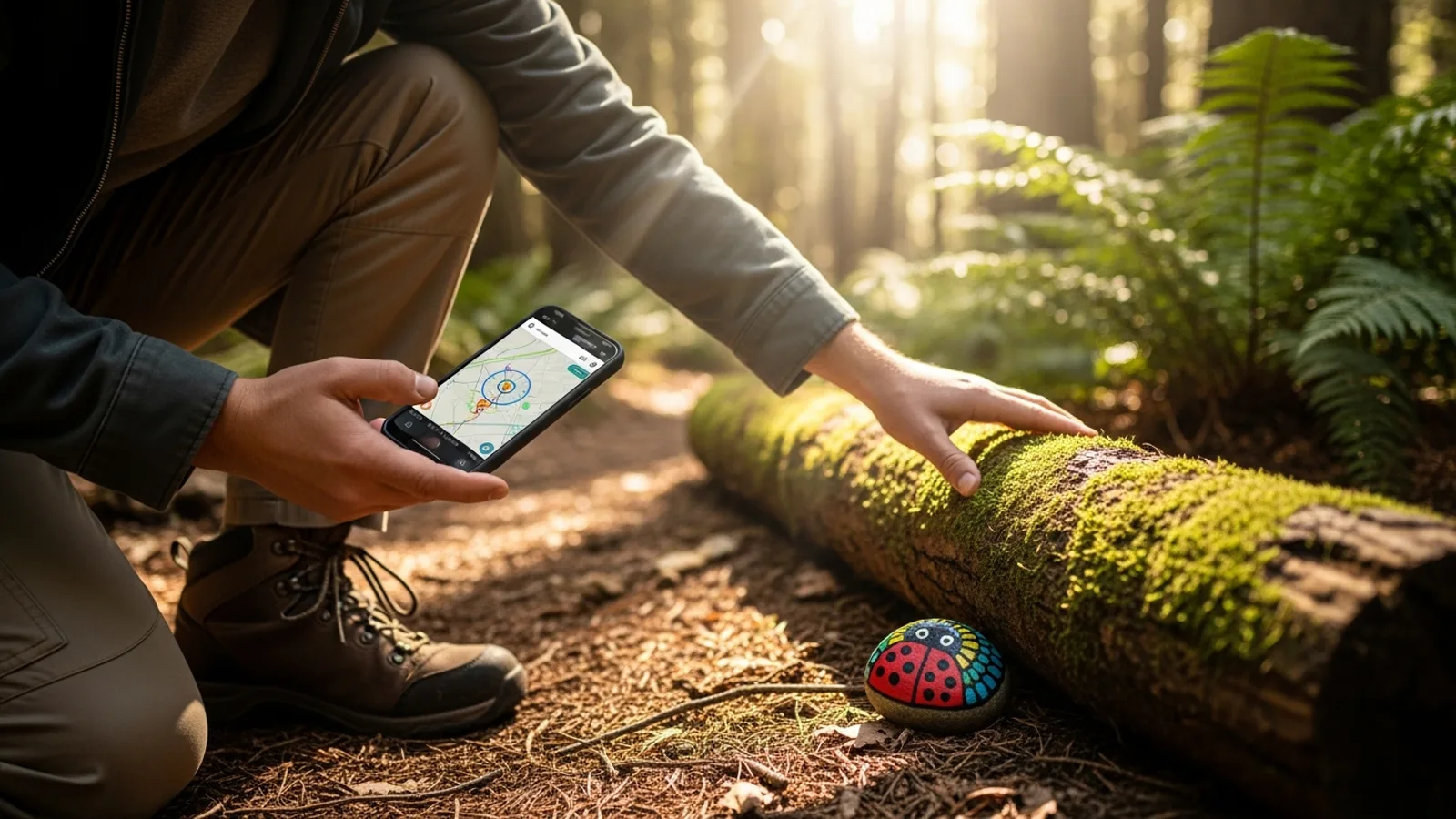
When you register a painted rock for tracking, you need a way for finders to identify it and log their discovery. The two main options are QR codes and written alphanumeric codes. Each approach has distinct advantages and drawbacks for rock tracking. Which one should you use?
In this article, we compare both methods and explain why RoxGeo uses written codes as its primary identification system - while also supporting QR code alternatives.

Written Codes: The RoxGeo Standard
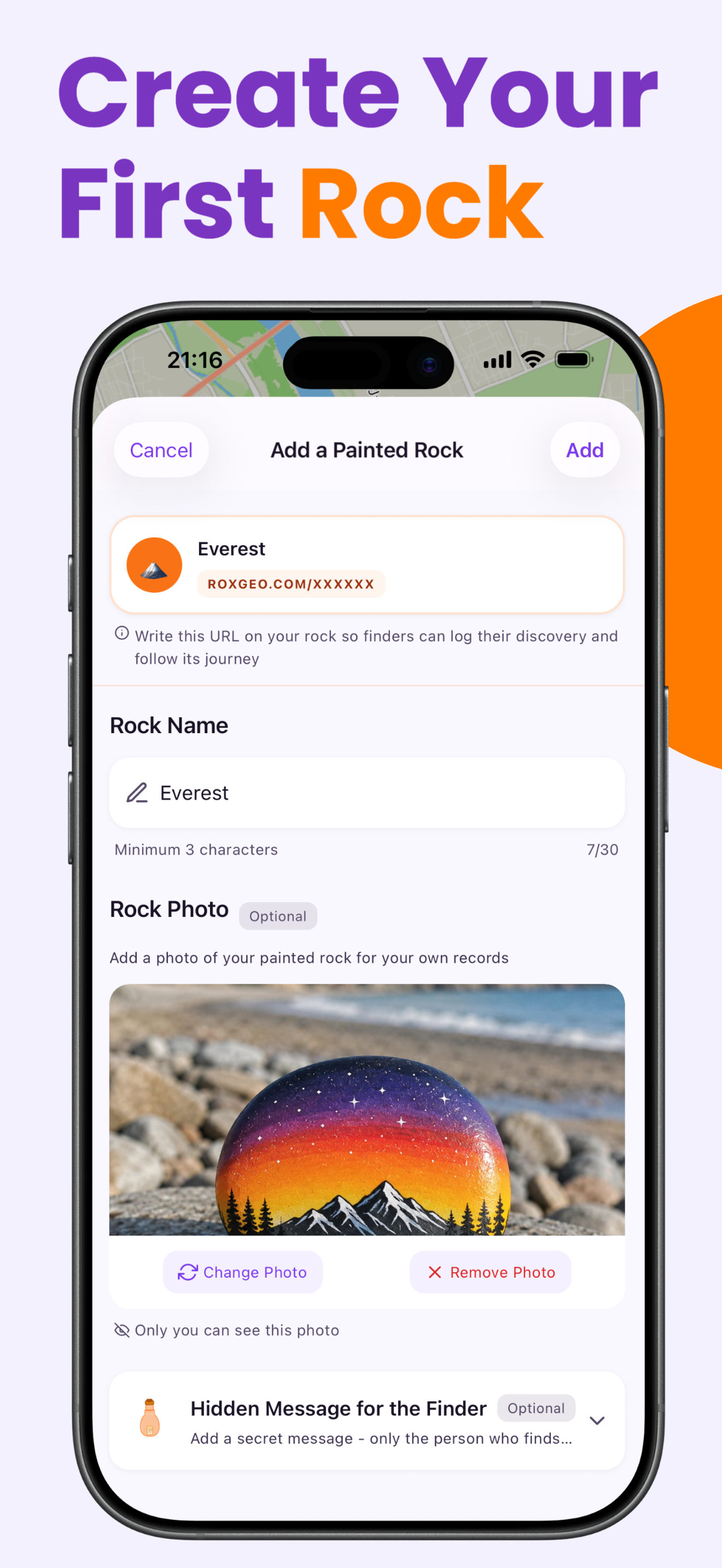
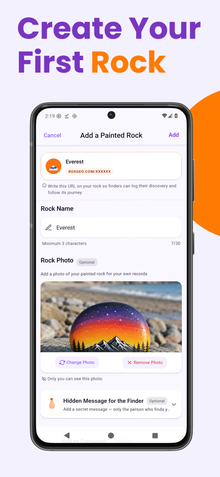
RoxGeo assigns each rock a unique 6-character alphanumeric code like ABC123. Creators write this code on the back of the rock along with ROXGEO.COM. Here are the advantages:
- Durability - written codes protected with sealant survive years of weather exposure. They remain legible even after significant wear.
- Simplicity - anyone can read and type a short code, even without a smartphone camera. Finders can visit ROXGEO.COM on any device and enter the code manually.
- Aesthetics - a neatly written code blends into the rock's design better than a printed QR code square.
- No technology required - even children or people without smartphones can read the code and look it up later on a computer.
- Memorable - short codes are easy to remember if you spot a rock but cannot check in immediately.
QR Codes: The Digital Alternative
QR codes encode a URL that links directly to the rock's profile page when scanned with a smartphone camera. Their advantages include:
- One-step scanning - point your camera at the QR code and you are taken directly to the rock's page. No typing required.
- Error-free - eliminates the possibility of misreading characters like O/0 or I/1.
- More data - a QR code can encode a full URL with additional parameters.
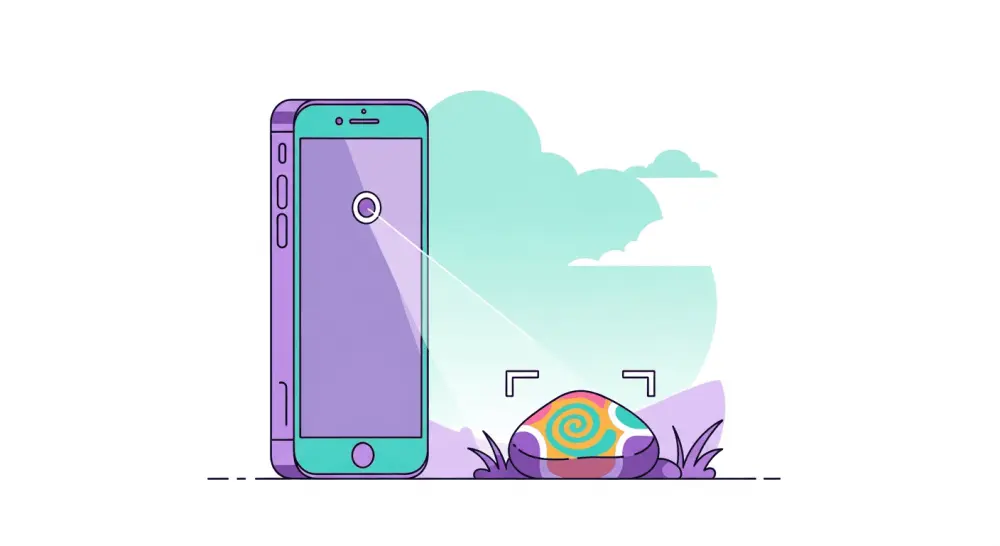
QR Code Challenges on Rocks
Despite their convenience, QR codes present several practical challenges for painted rock tracking:
- Durability issues - QR codes must be perfectly printed or painted. Even minor damage, scratches, or paint wear can make them unscannable.
- Size constraints - QR codes need to be at least 2 cm square to scan reliably. On small rocks, this takes up valuable painting space.
- Aesthetic impact - a black-and-white QR code square can detract from a beautiful painted design.
- Environmental exposure - outdoor conditions degrade QR codes faster than simple text. Rain, UV light, and handling quickly reduce scannability.
- Technology dependency - requires a smartphone with a camera and QR scanner. Written codes work for anyone with any internet-connected device.
RoxGeo's Recommendation
Based on extensive real-world testing, RoxGeo recommends written codes as the primary identification method for painted rocks. Written codes are more durable, more accessible, and work reliably in all conditions. Here are our best practices:
- Write the code in permanent marker or paint pen on the back of the rock.
- Include ROXGEO.COM so finders know where to go.
- Apply clear sealant over the code to protect it from weather.
- Use contrasting colours - dark text on a light background or vice versa.
- Keep the text large and legible - at least 5mm character height.
If you still want to use a QR code, consider adding it as a secondary identification alongside the written code - never as the only method. This gives finders two ways to check in, improving the chances of tracking success.
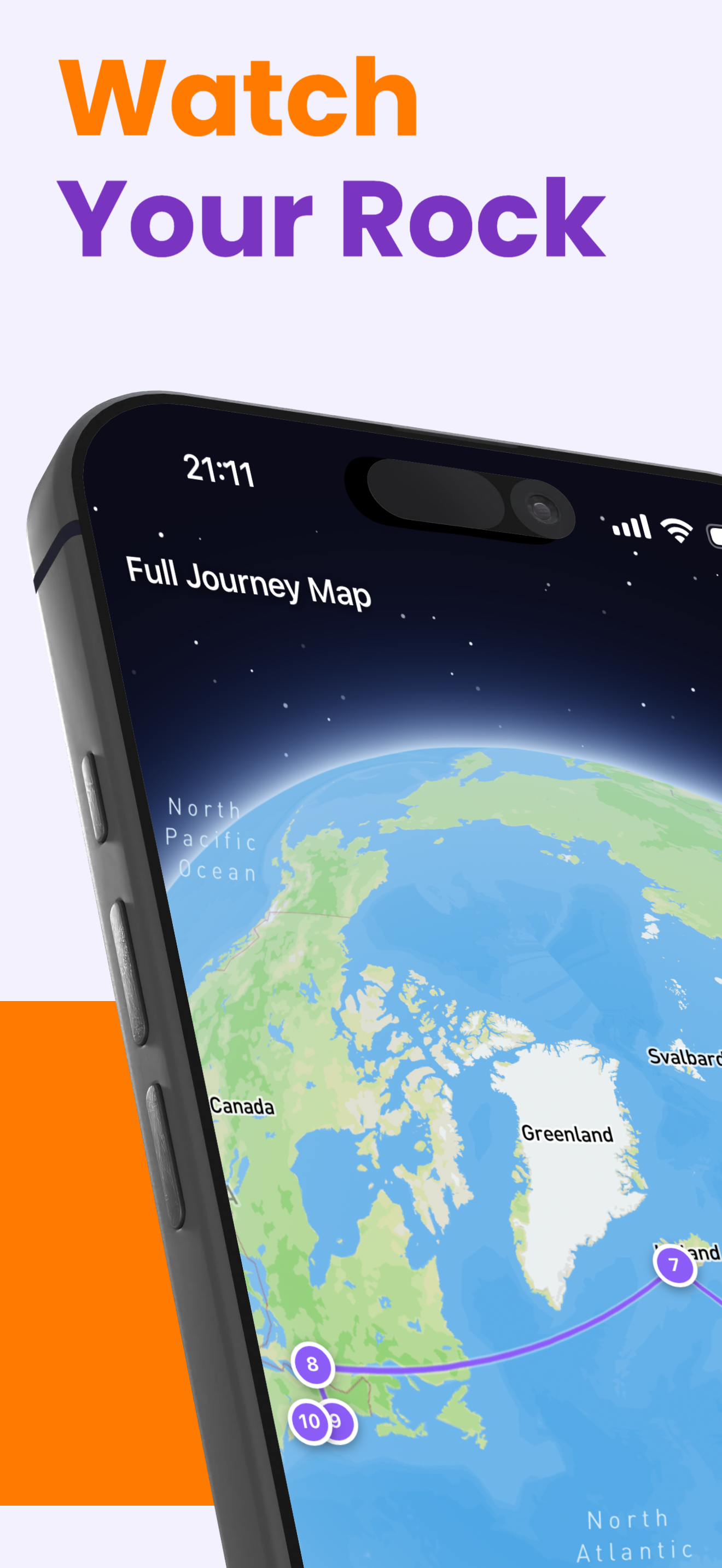
Learn more about registering rocks and tracking journeys on our tracking page, and visit the FAQ for answers to common questions about rock codes.