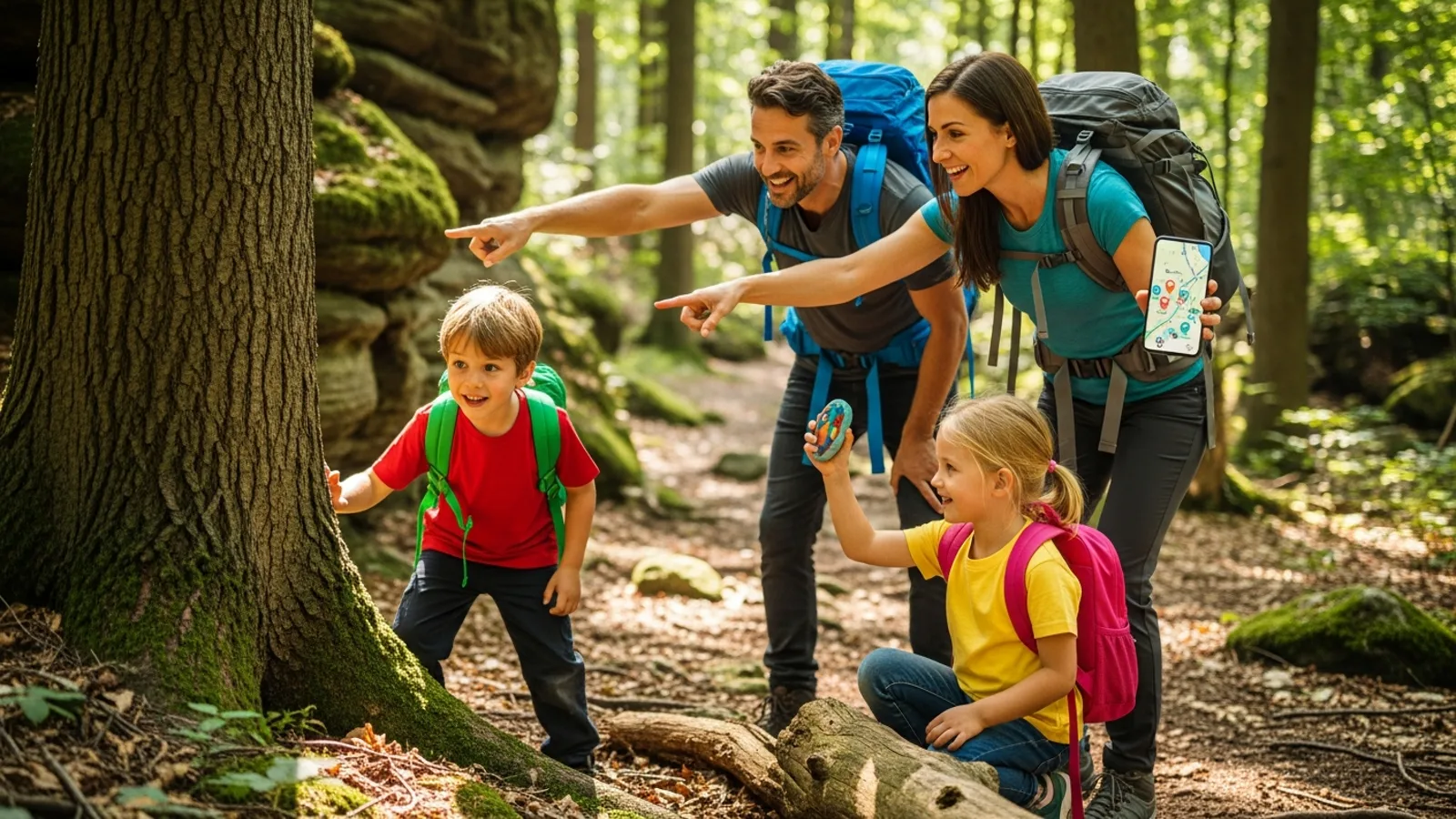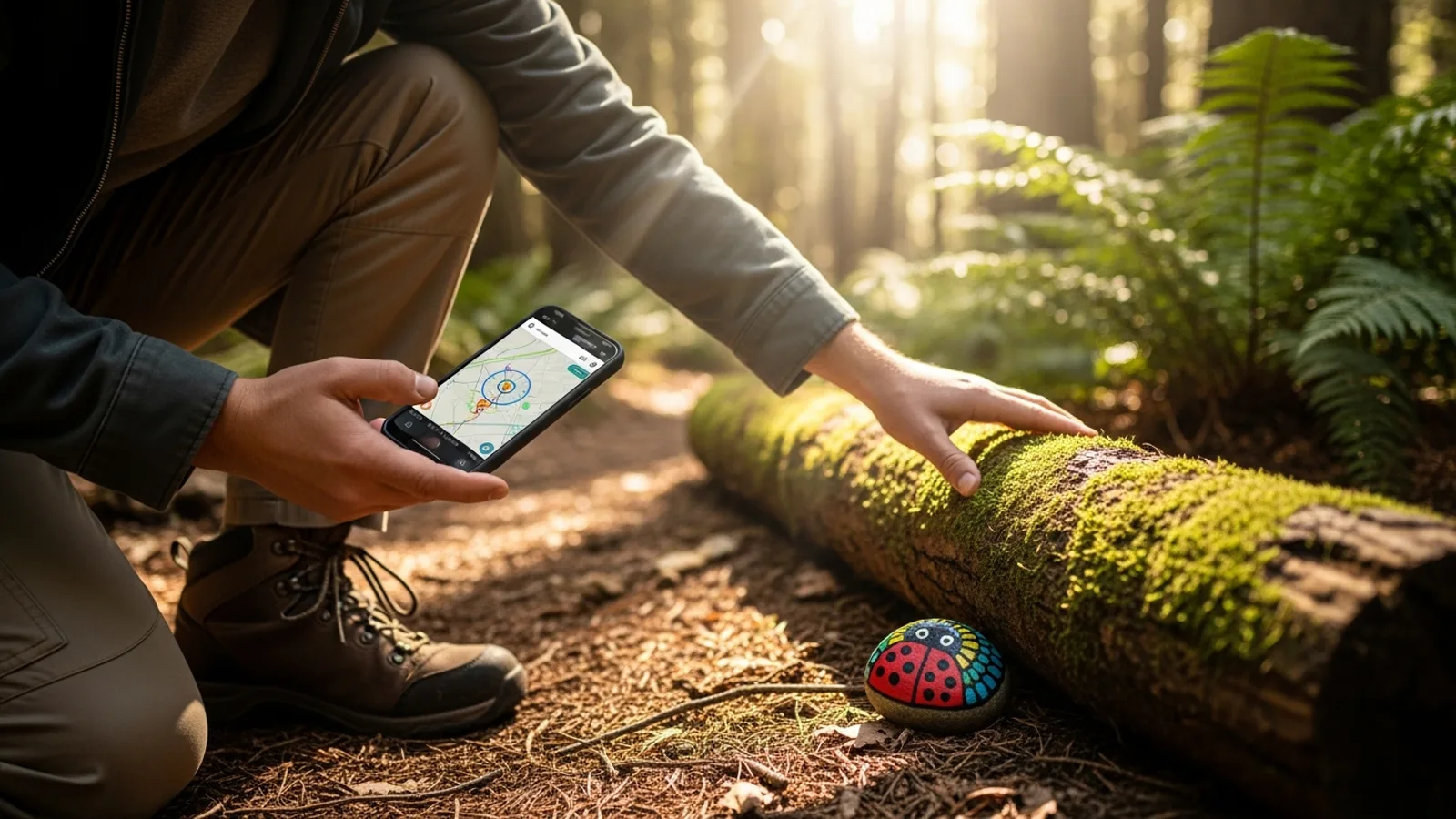
Both geocaching and rock painting share a core appeal: the thrill of hiding and finding objects in the real world, the community formed around shared adventures, and the joy of getting outside. But they differ fundamentally in accessibility, creative expression, and community spirit. This article compares the two pastimes in detail and explains how RoxGeo brings the best of both worlds together.
What Is Geocaching?
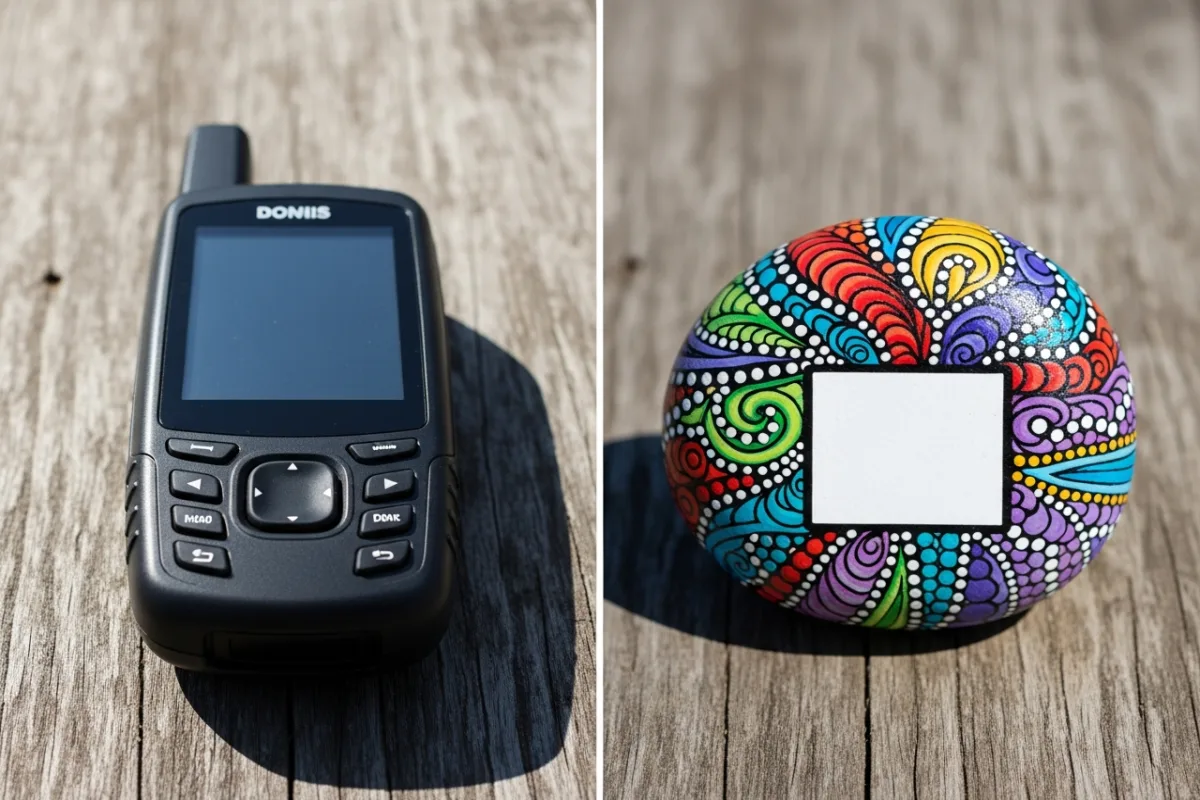
Geocaching is a GPS-based outdoor recreation where participants use a smartphone or GPS device to navigate to specific coordinates and find a hidden container (the "cache"). Caches range from tiny magnetic capsules to large containers holding trinkets. The activity has been active since 2000 and has a highly organised global community with over 3 million caches hidden worldwide. It requires a GPS-enabled device and usually an account with geocaching.com.
What Is Rock Painting (and RoxGeo)?
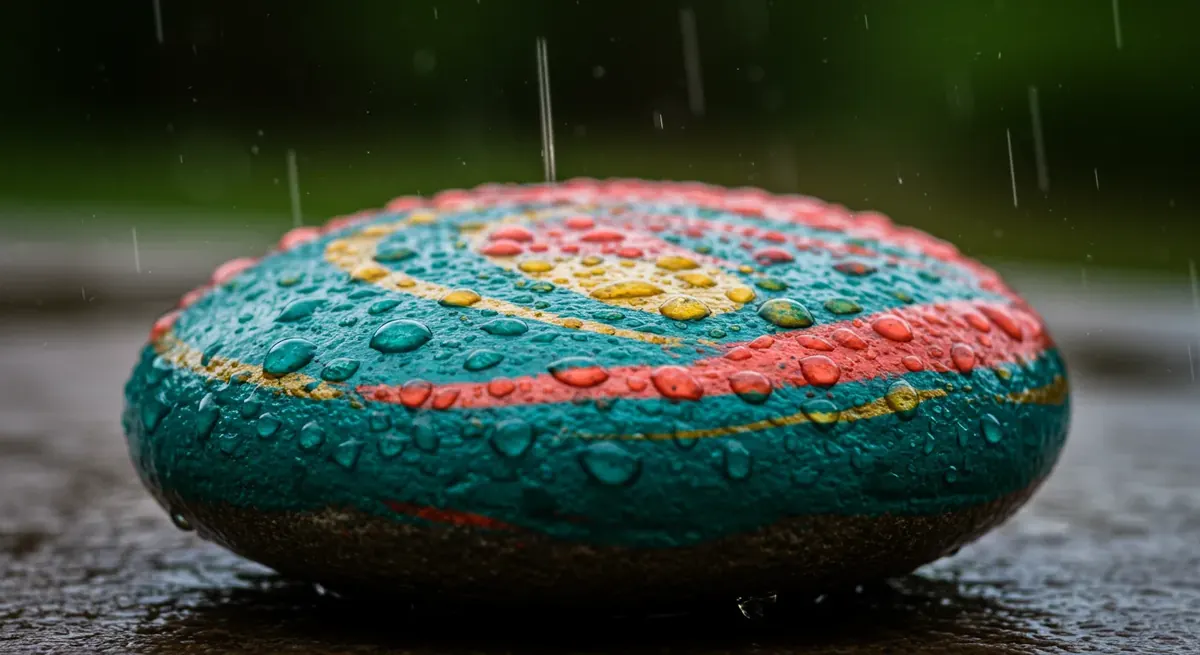
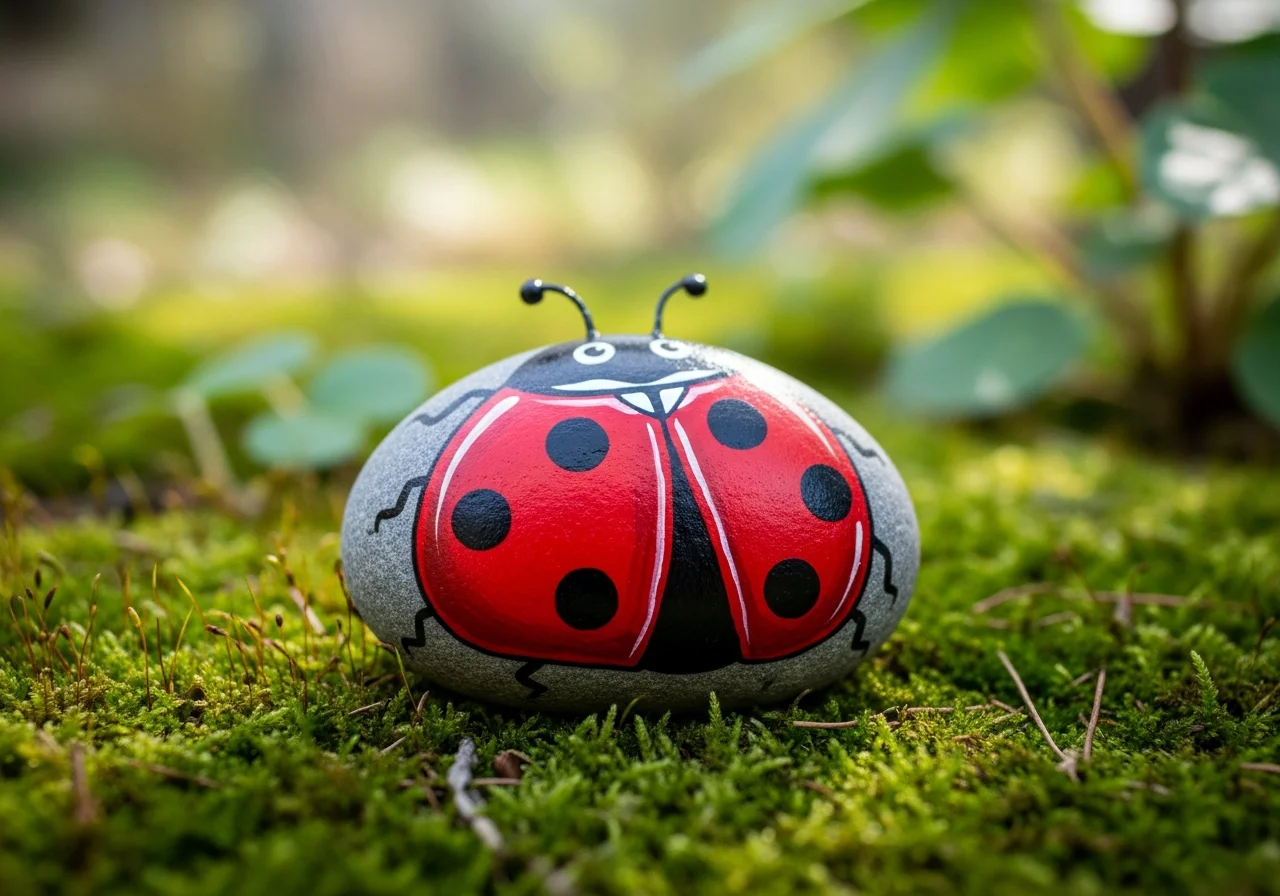
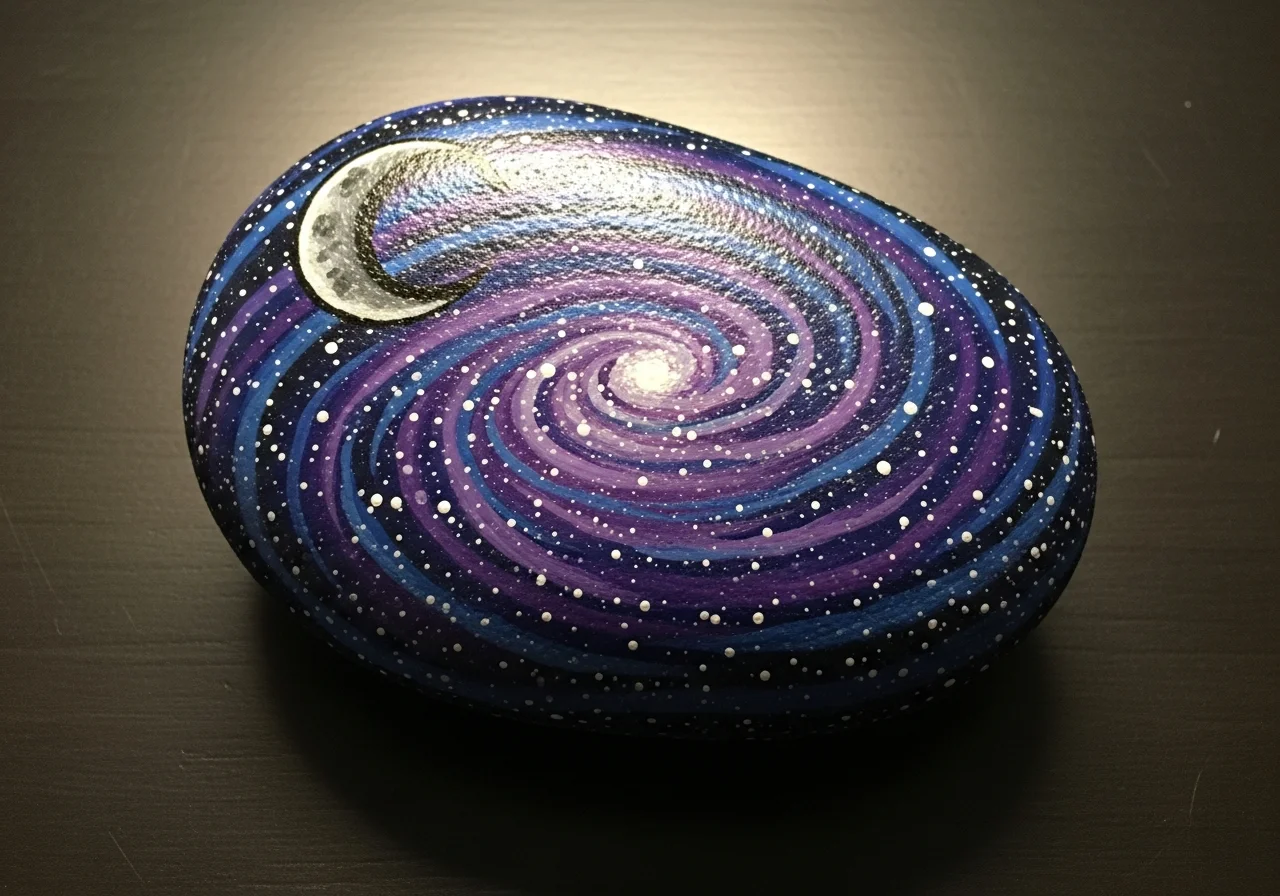
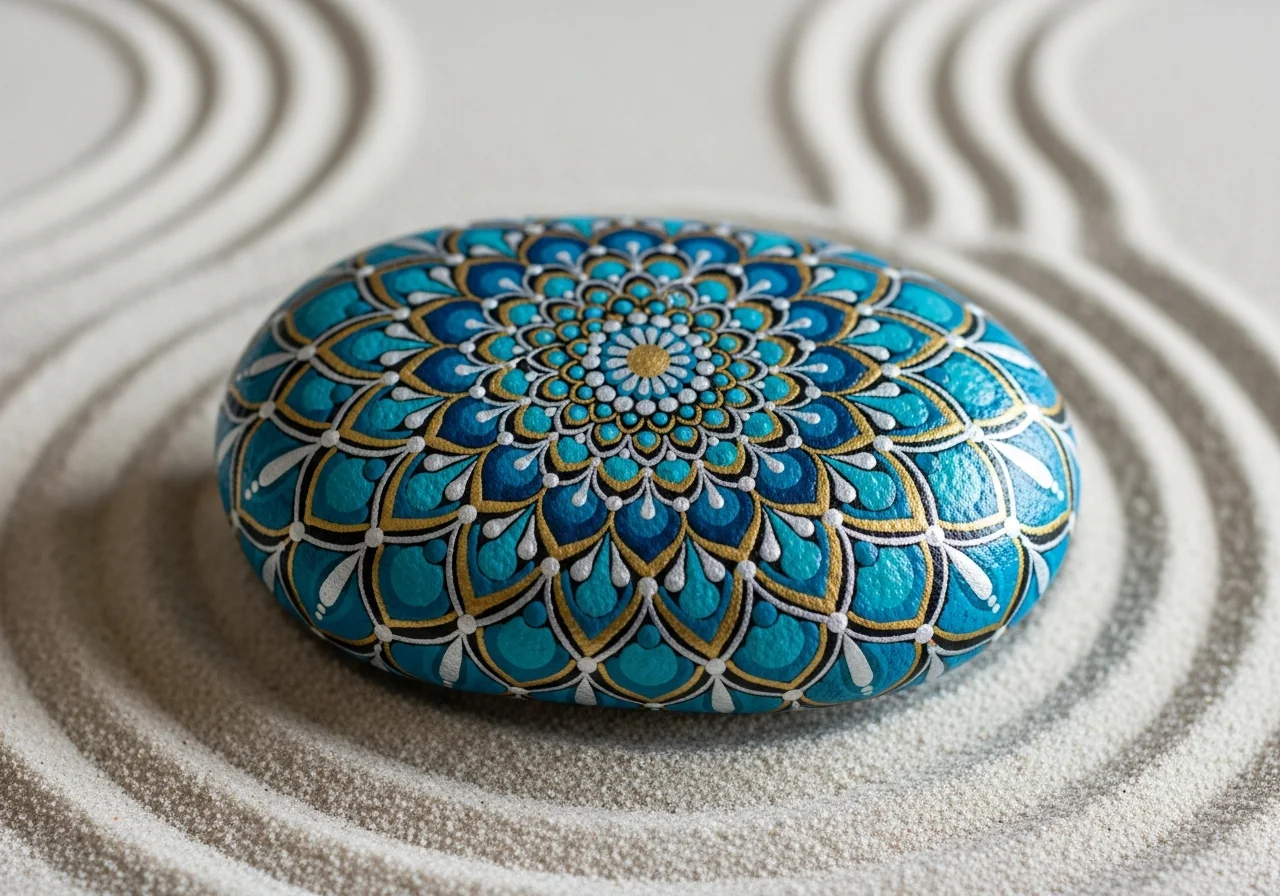
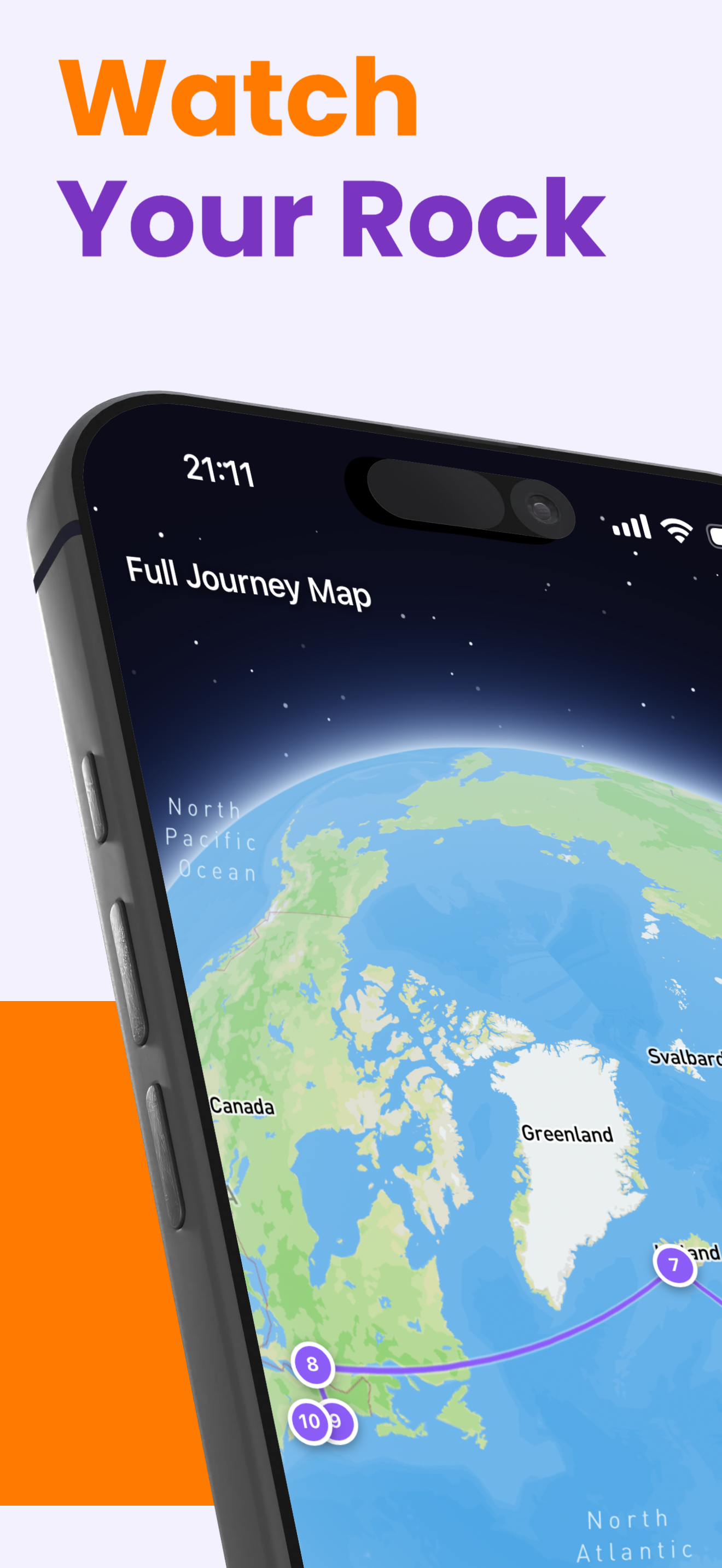
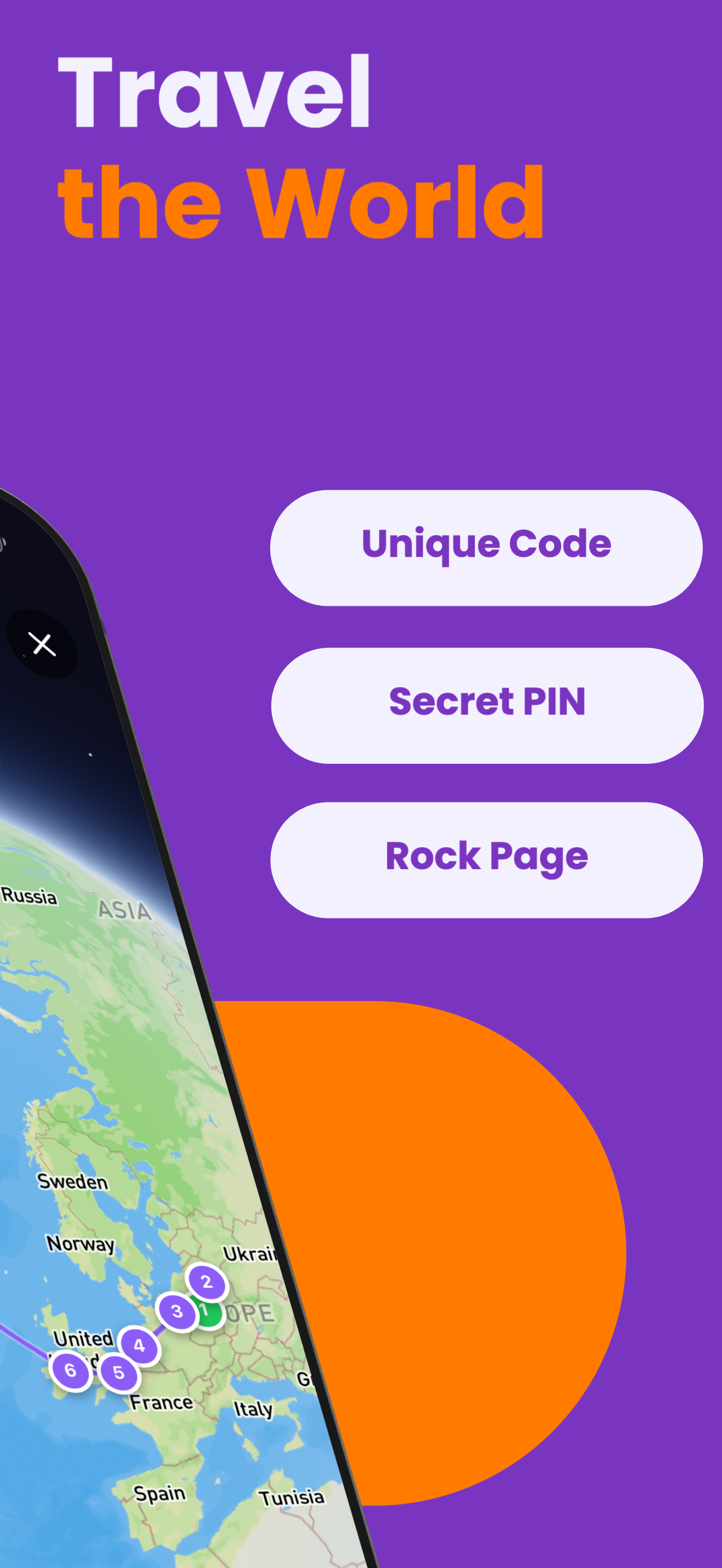
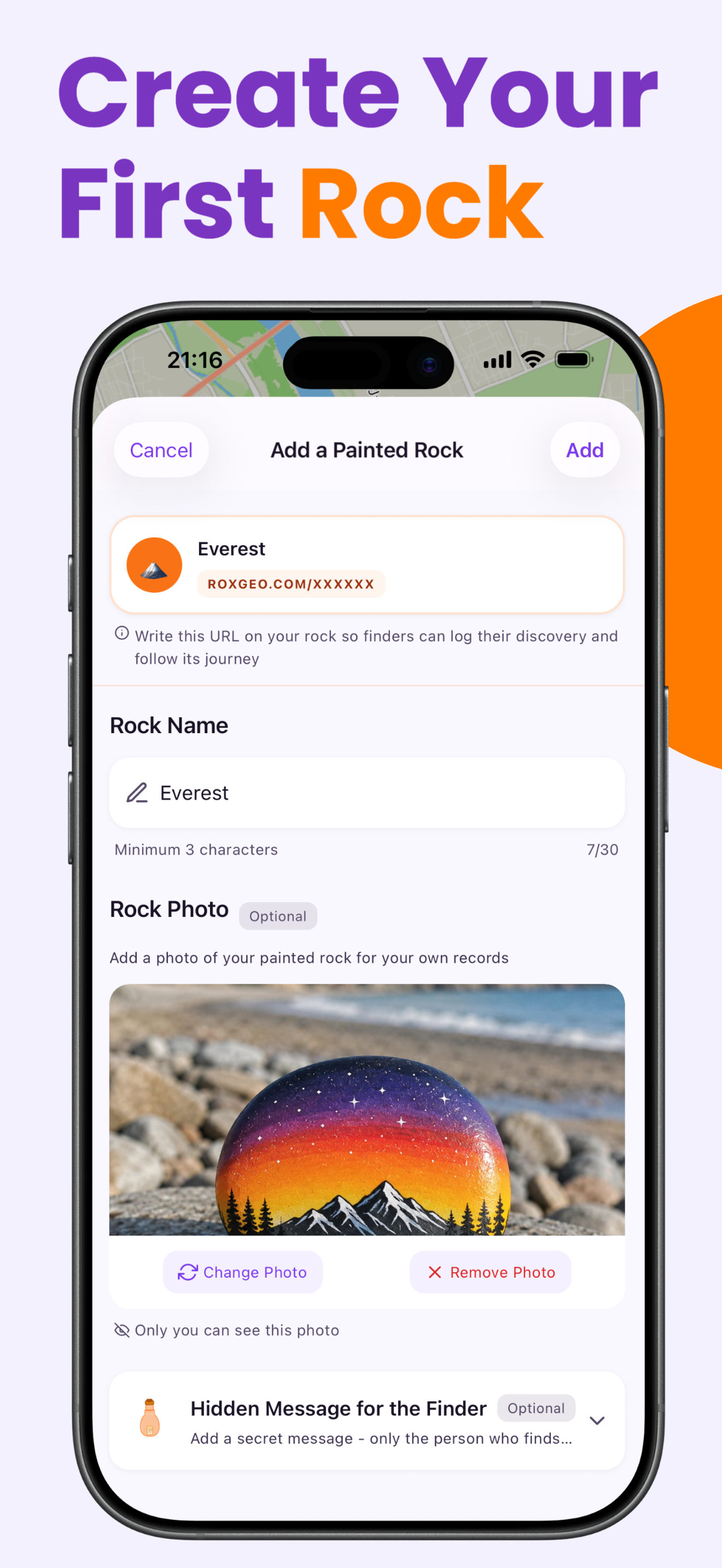
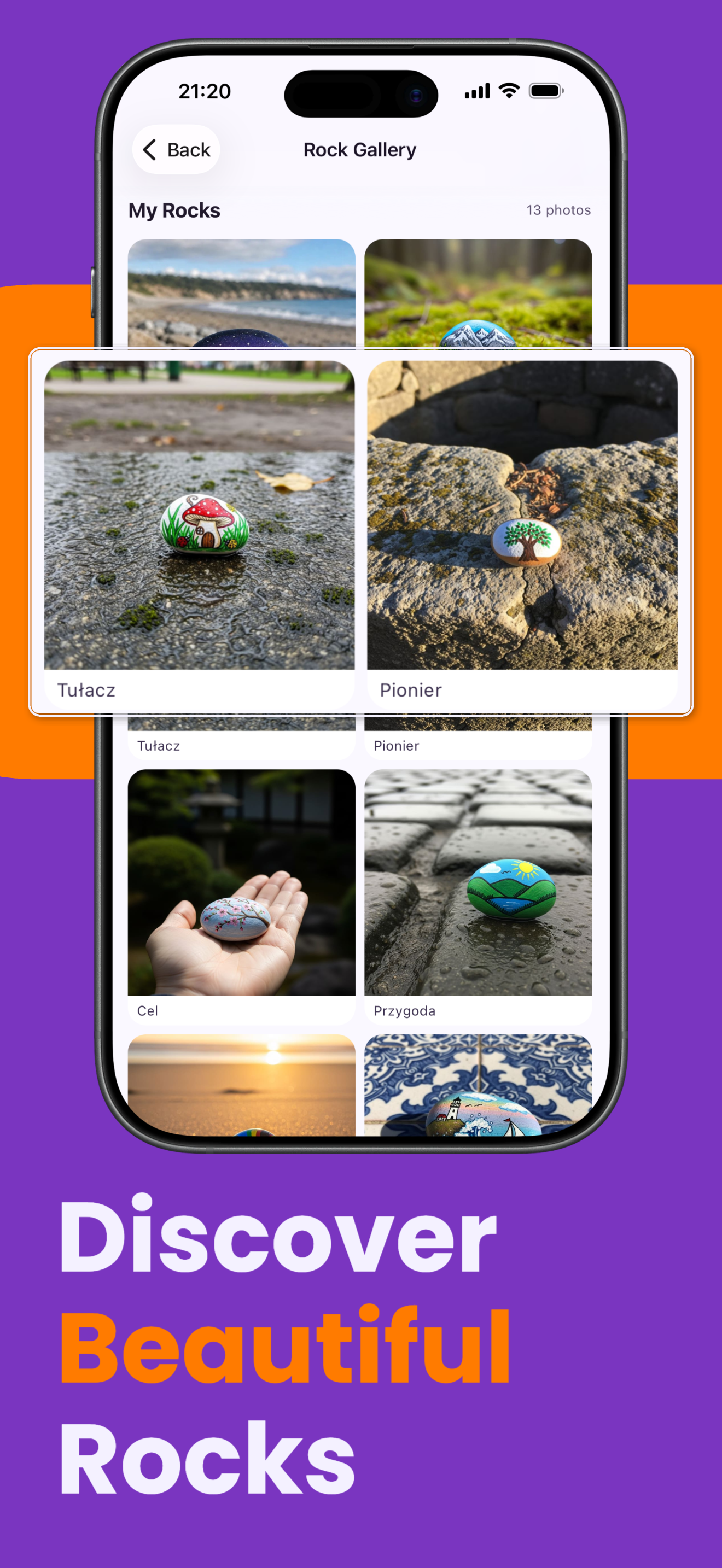
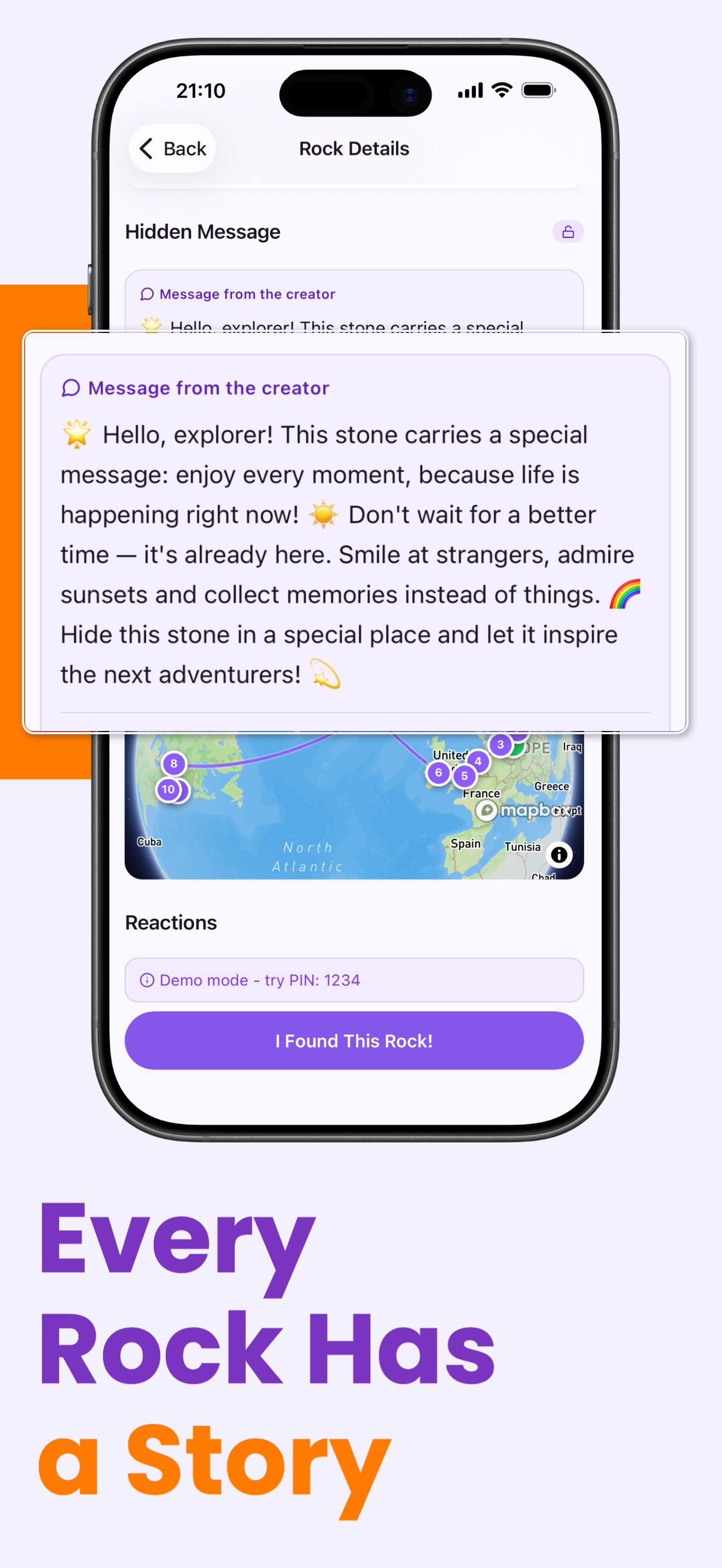
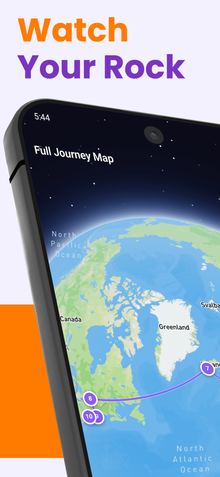
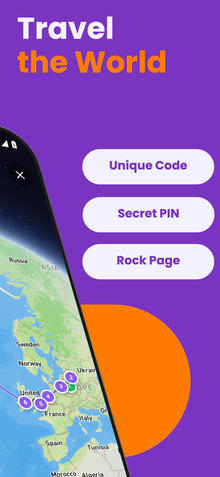
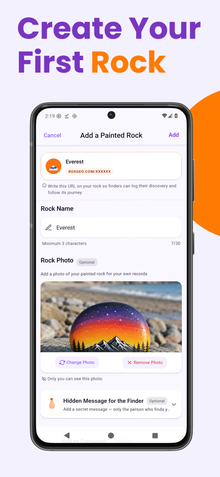
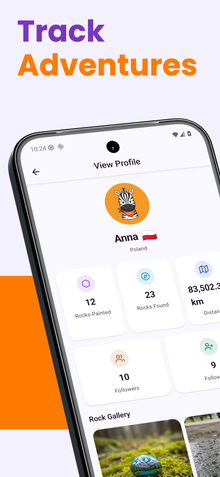
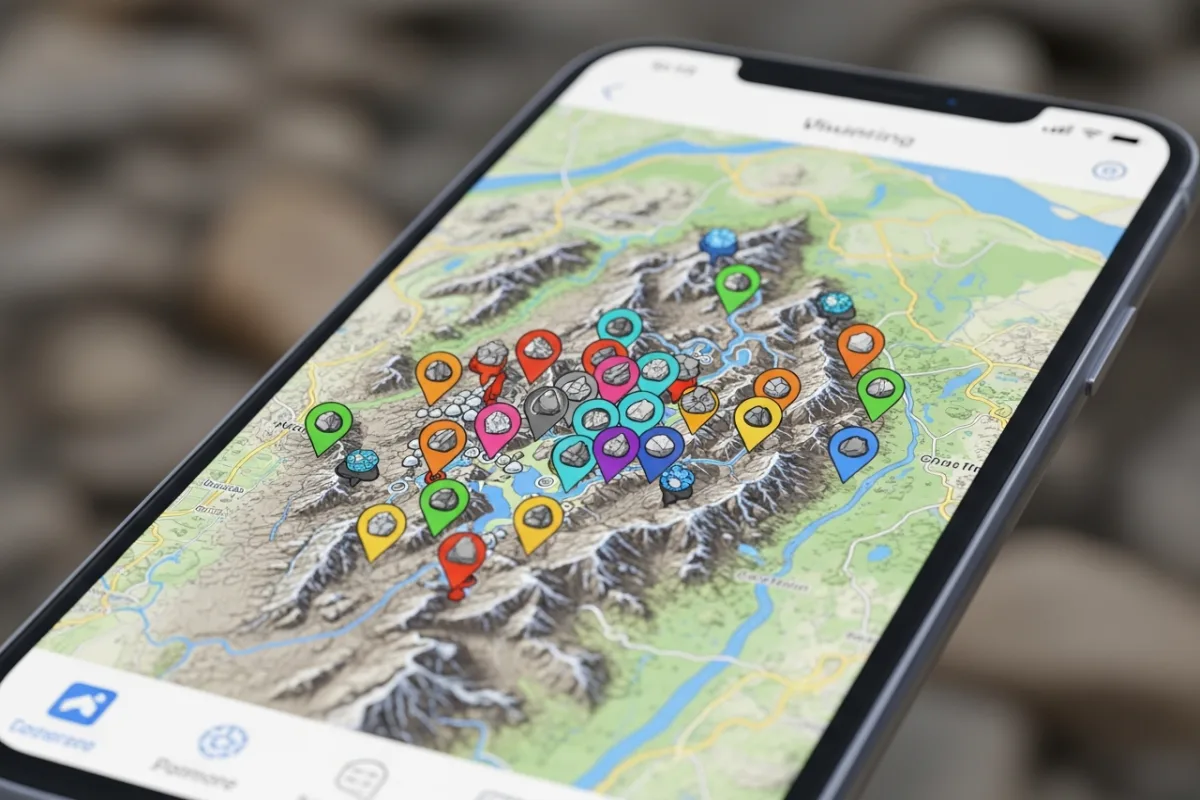
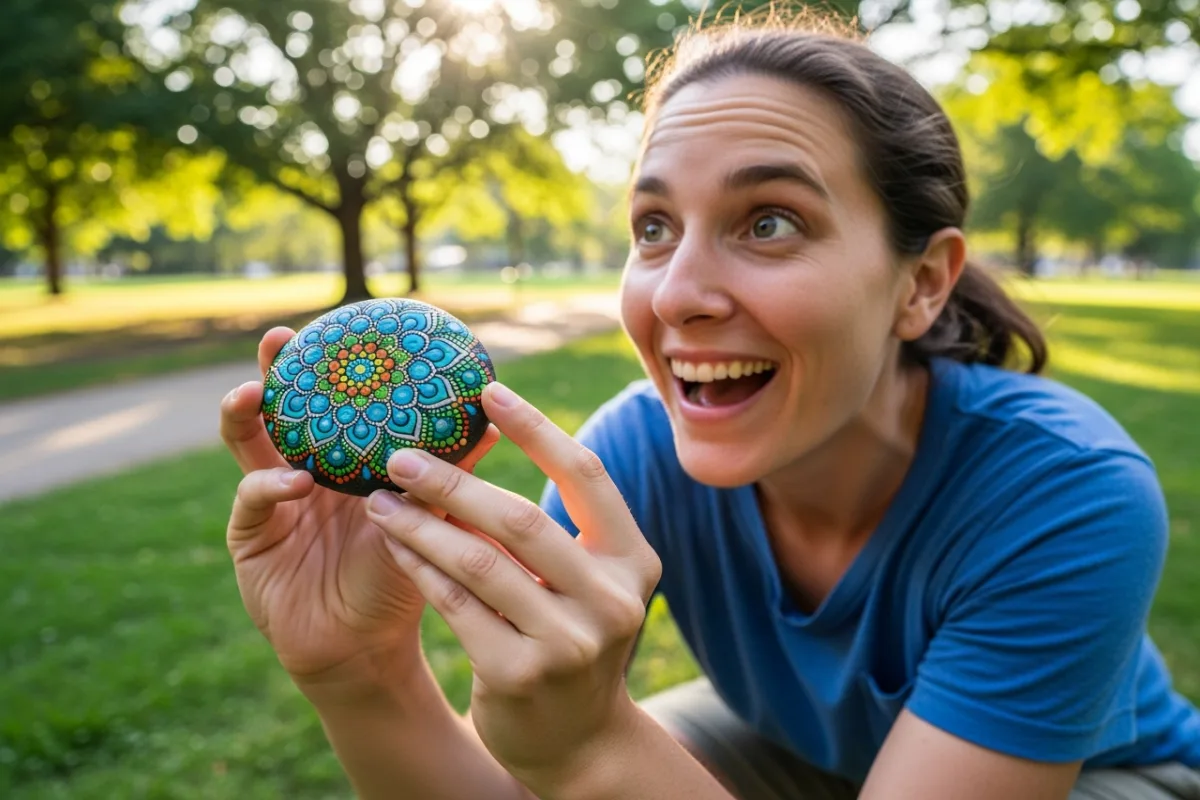
Rock painting is the practice of decorating smooth stones with acrylic paint and hiding them in public spaces for strangers to find. RoxGeo adds a tracking layer: every rock is registered with a unique code, and when found, the finder logs the discovery on the RoxGeo platform. This creates a live map of each rock's journey - similar to geocaching, but without GPS coordinates, without containers, and with the added creative element of painted art. See how it works at RoxGeo tracking.
Key Similarities
Geocaching and rock painting share several fundamental qualities:
- Community spirit - Both are driven by a global community of enthusiasts who share finds, celebrate milestones, and support each other through online groups and forums.
- Getting outdoors - Both activities take participants outside, encouraging exploration of parks, forests, coastlines, and urban spaces they might not otherwise visit.
- The joy of the find - The moment of discovery - spotting a cache, finding a painted rock - produces a genuine rush of delight that both communities celebrate.
- Pay-it-forward ethics - Geocachers who find a trinket leave a replacement; rock painters are encouraged to re-hide rocks rather than keep them permanently.
Key Differences
| Geocaching | Rock Painting (with RoxGeo) |
|---|---|
| GPS coordinates required | No GPS - rocks hidden by visual selection |
| Finds logged on geocaching.com | Finds logged on ROXGEO.COM |
| Containers vary | Canvas is always a natural stone |
| Focuses on location challenge | Focuses on creative art and kindness |
| Usually no creative element | Creative painting is central to the activity |
| Requires GPS device | Only requires a smartphone (optional) |
| Fees for premium features | Free at point of use |
Who Does Each Activity Appeal To?
Geocaching appeals most to those who enjoy navigation challenges, technology, and the satisfaction of completing an organised puzzle. Rock painting appeals most to those motivated by creative expression, random kindness, and the unpredictable nature of a painted rock's journey. Many people do both - and the crossover community is significant. Rock painters who discover geocaching often adopt the tracking discipline; geocachers who discover rock painting find that the creative element adds a dimension their usual activity lacks.
Can You Combine Both Hobbies?
Yes, and many enthusiasts do. Some geocachers include painted rocks in their larger caches as a bonus surprise. Some rock painters use their local knowledge of geocaching hotspots to choose optimal hiding locations for rocks. RoxGeo's tracking system is compatible with any hiding strategy - the rock finds its way regardless of whether it was placed by a geocacher or a rock painter.
For tips on choosing the best hiding spots, read our rock hiding guide. For tracking adventures, see our summer geocaching rock adventure article.
Frequently Asked Questions
Is RoxGeo the same as geocaching?
No. RoxGeo is a painted rock tracking platform - it allows you to register painted rocks with a unique code and track them as finders log their discoveries. Unlike geocaching, rocks are not hidden at specific GPS coordinates. The finder-to-hider feedback loop and live travel map are similar in concept, but the mechanics and community ethos are different.
Can a painted rock be a geocache?
A painted rock alone is not a geocache (it lacks a container with a logbook and GPS coordinates). However, a painted rock can be placed inside or alongside a geocache as a bonus item. Some geocachers specifically curate their caches with painted rocks for finders to take, re-hide, or keep - a hybrid approach that both communities enjoy.
Which is better for families: geocaching or rock painting?
Both work excellently for families. Rock painting has a slight edge for very young children (under 6) because it involves a tangible creative craft that children can genuinely participate in. Geocaching requires GPS navigation which engages older children better. Many families do both: paint rocks for younger children's involvement, then geocache with older children for the navigation challenge.