Back to Templates
Volcano Rock Painting
Materials Needed
- Triangular or cone-shaped rock
- Brown acrylic paint
- Dark brown or gray acrylic paint
- Red acrylic paint
- Orange acrylic paint
- Yellow acrylic paint
- Black acrylic paint
- Medium flat brush
- Fine detail brush
- Clear sealant spray
Step-by-Step Instructions
1
Step 1: Prepare and sketch
Wash and dry your rock. A triangular or cone-shaped rock works best for a volcano. Use a pencil to divide the rock into sections: the mountain base (bottom two-thirds) and the eruption area (top third).
2
Step 2: Paint the mountain
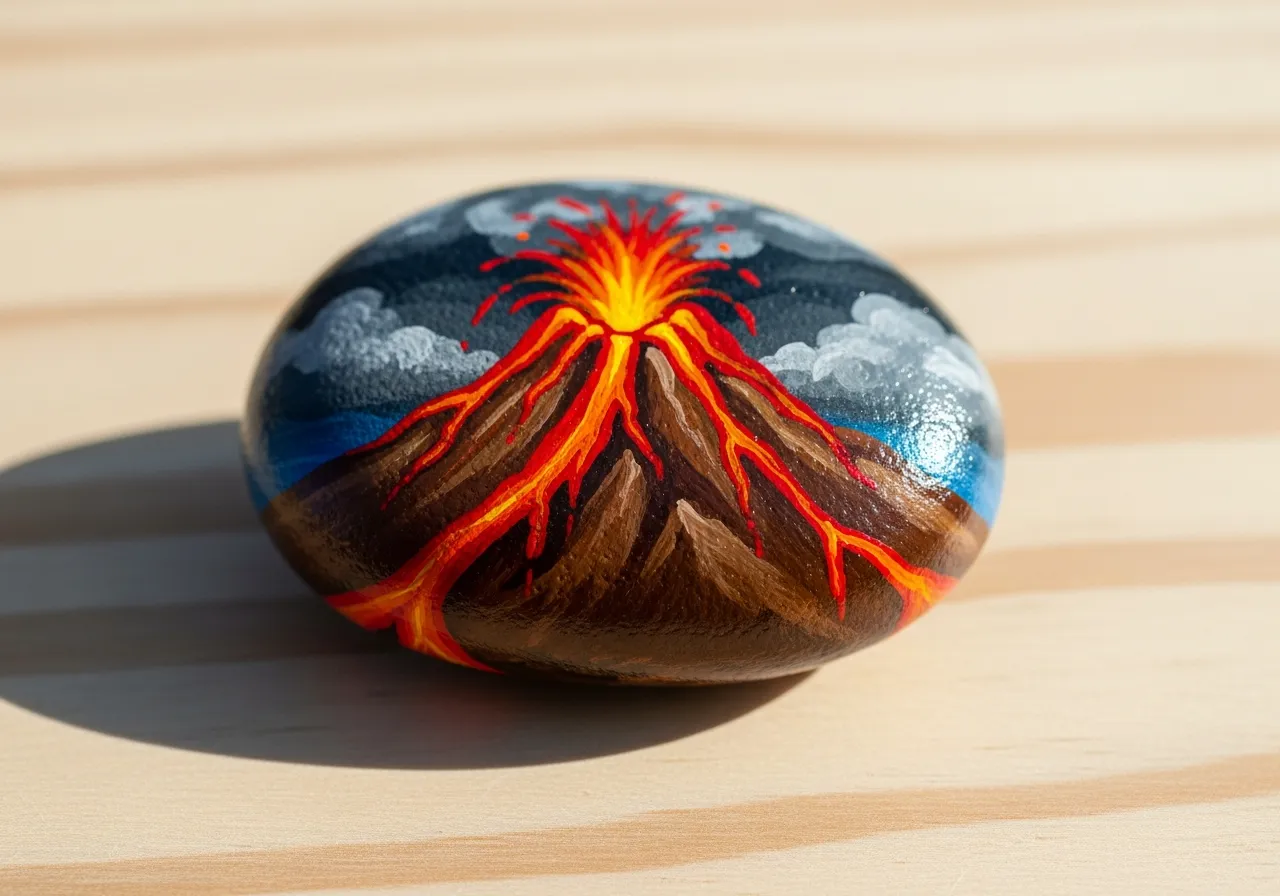
Paint the lower portion of the rock with brown paint. Add darker brown or gray streaks along the sides to create depth and rocky texture. Blend the colors slightly where they meet for a natural look.
3
Step 3: Create the lava flow
Starting from the top of the rock, paint streams of red and orange flowing down the sides. Make the lava thicker at the top and thinner as it flows down. Add yellow highlights in the center of the lava streams for a glowing effect.
4
Step 4: Paint the eruption
At the very top, paint a bright explosion of yellow and orange bursting upward. Add small red and orange dots flying outward from the crater to represent volcanic debris. Use black to outline the crater opening.
5
Step 5: Add details and seal
Add smoke wisps with light gray paint above the eruption. Paint a few small rocks or boulders at the base using dark gray. Once fully dry, apply clear sealant to preserve your erupting volcano.
Step 6: Add RoxGeo Code
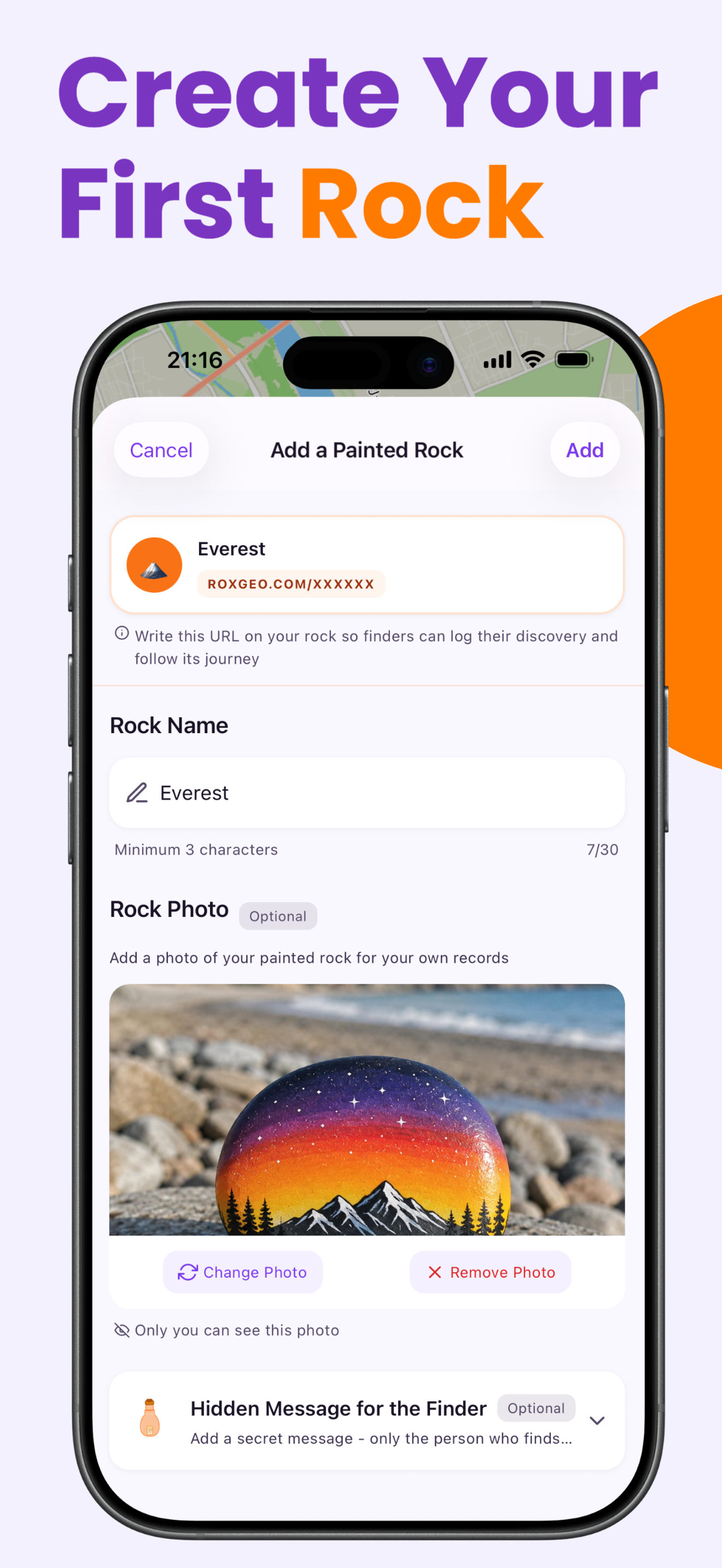
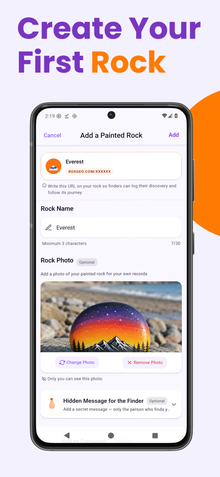
On the bottom or back of your rock, write ROXGEO.COM followed by a slash and your rock’s unique code (e.g. ROXGEO.COM/ABC123). This lets the finder go directly to your rock’s profile page and log their discovery. If the rock is too small for the full address, write #ROX followed by the code without spaces (e.g. #ROXABC123) — it’s short, easy to search on Google, and leads straight to your rock’s journey page. Use a fine-tip permanent marker or acrylic paint pen, and seal it with clear varnish so the code stays readable through rain, sun, and adventure.
Helpful Tips
- A triangular rock is ideal - it already has the volcano shape built in.
- Layer red, orange, and yellow for realistic lava that looks like it is glowing.
- Use the tip of a toothpick to flick tiny dots of orange for flying sparks.
- Add texture to the mountain by dabbing paint with a sponge instead of a brush.
- Paint the bottom of the rock green to represent the landscape around the volcano.
- For the RoxGeo code on the bottom, use a waterproof permanent marker (like Sharpie) or an acrylic paint pen. Apply 2–3 coats of clear sealant over the code — this keeps it readable through rain, sun, and handling for months.
- Writing #ROXCODE (e.g. #ROXABC123) on your rock makes it easy to find via Google search. We actively optimize for this hashtag, so anyone who searches for it will find your rock’s profile page quickly.
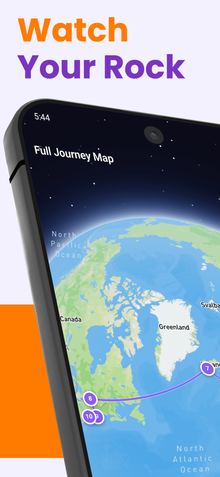
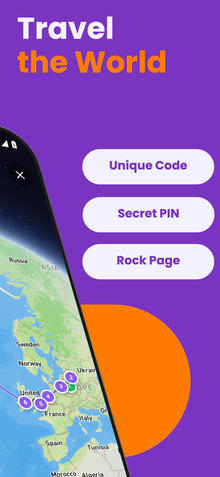
- The full address ROXGEO.COM/CODE takes the finder directly to your rock’s card, where they can see its full travel history, previous finders, and photos from every stop on its journey.
Paint this rock and track its journey with RoxGeo!
Download RoxGeo Free