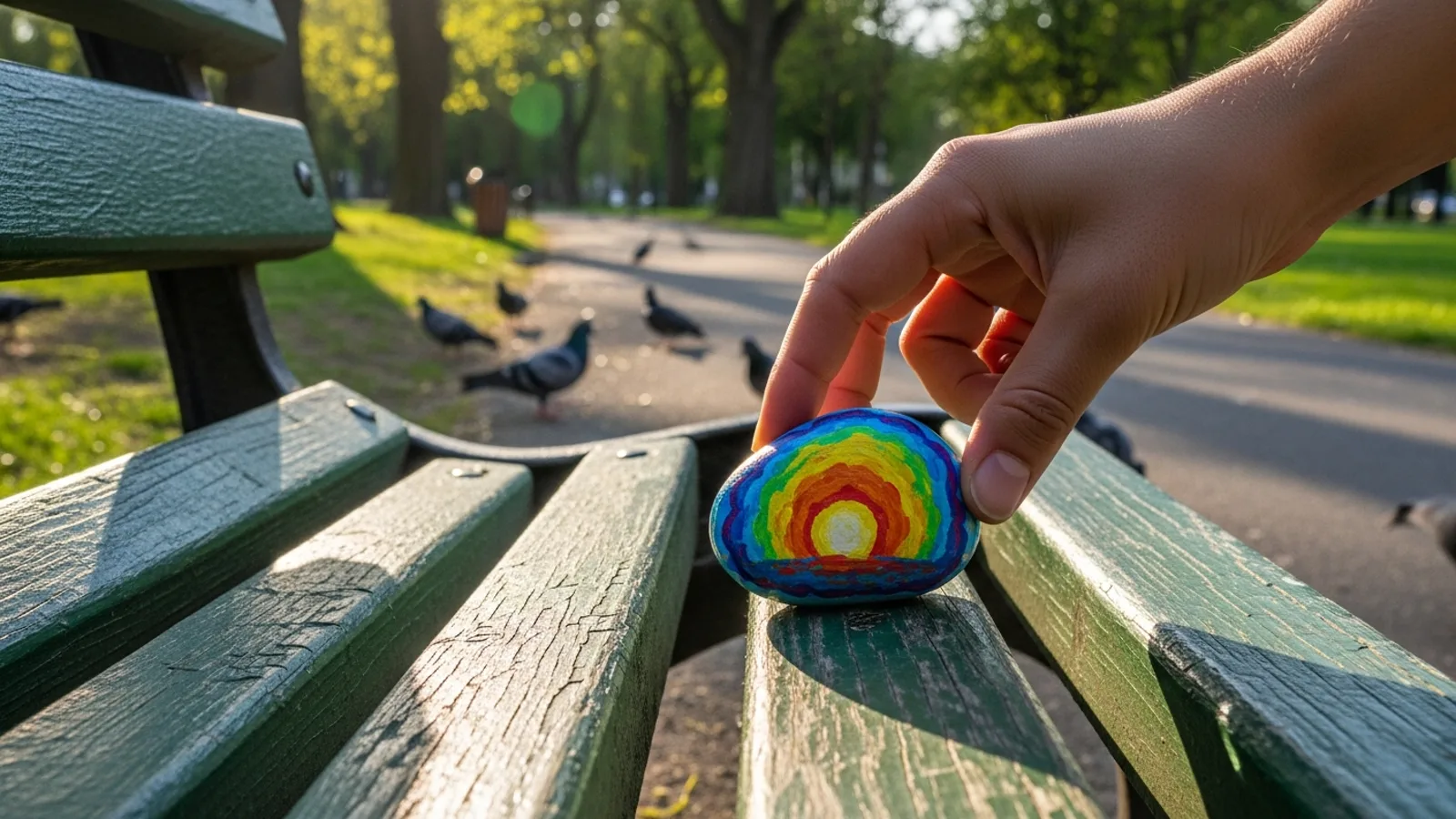
Knowing how to hide painted rocks responsibly is as important as the painting itself. A well-placed rock creates excitement and joy for the finder. A poorly placed rock can create confusion, damage natural environments, or even alarm the public. This guide covers the best practices for hiding rocks in parks, trails, and public spaces - so every rock you release into the world has the best possible impact.
The Golden Rules of Rock Hiding
Before you choose a hiding spot, commit to these principles:
- Seal your rock properly - An unsealed rock will damage the surface it sits on as colours leach out. Always seal with 2–3 coats of outdoor varnish before hiding. See our sealer guide.
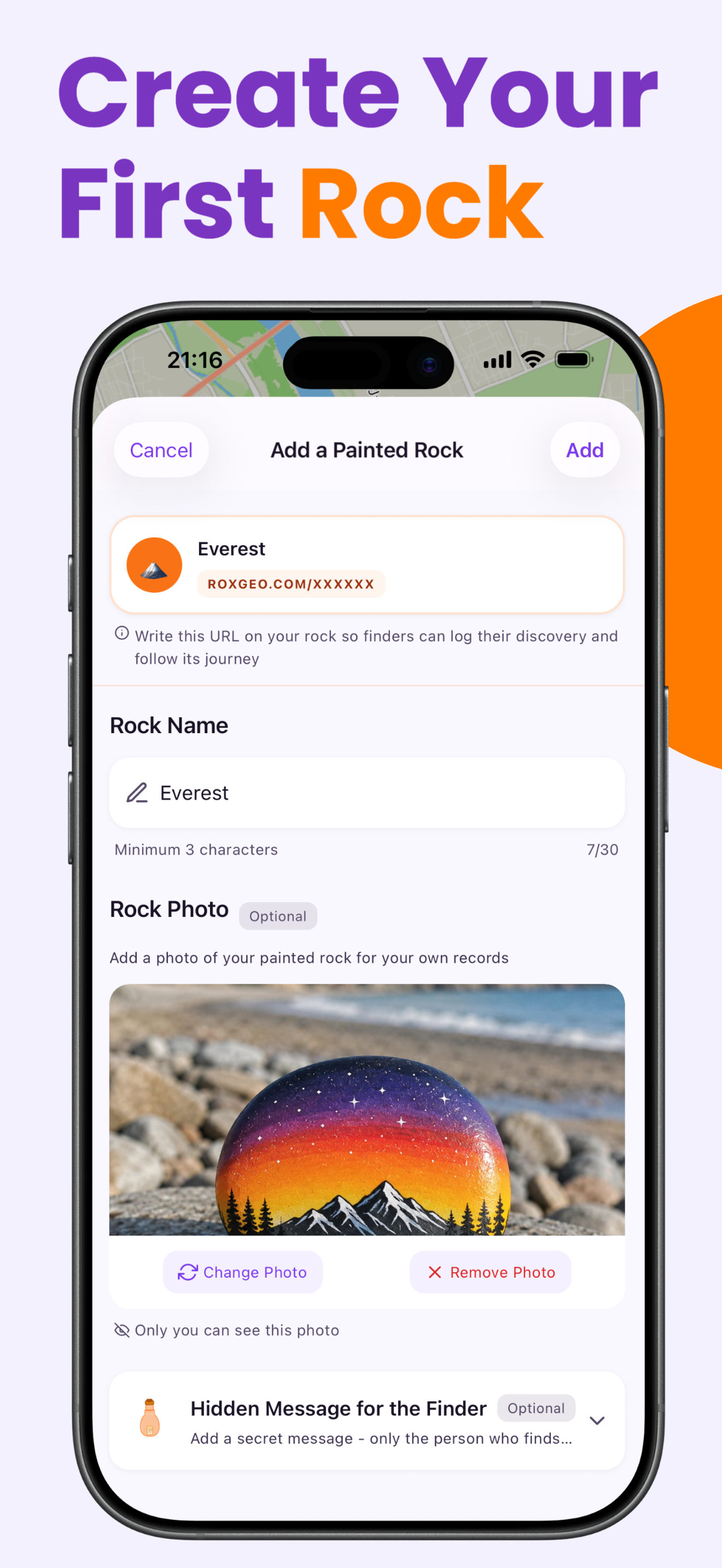
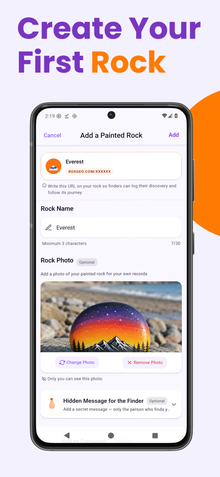
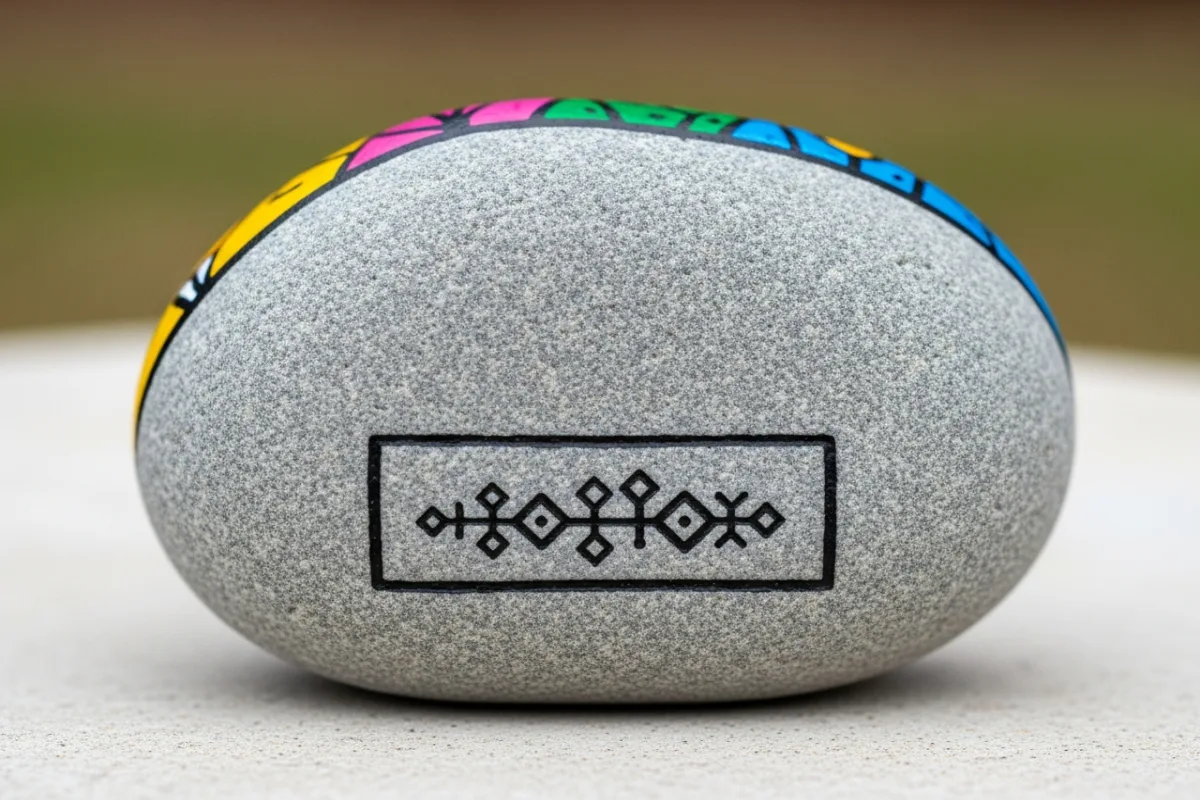
- Write your RoxGeo code on the back - Every rock should be registered with RoxGeo before hiding. This allows finders to log their find and you to track the rock's journey.
- Never place rocks in a way that could alarm people - A painted rock left in the middle of a path looks suspicious. Place rocks in natural, expected positions that look like they belong.
- Do not damage the environment to hide a rock - Never dig into soil, move natural debris, or disturb wildlife habitats. Simply place the rock where it fits naturally.
- Avoid private property - Only hide rocks in public spaces where you have every right to be.
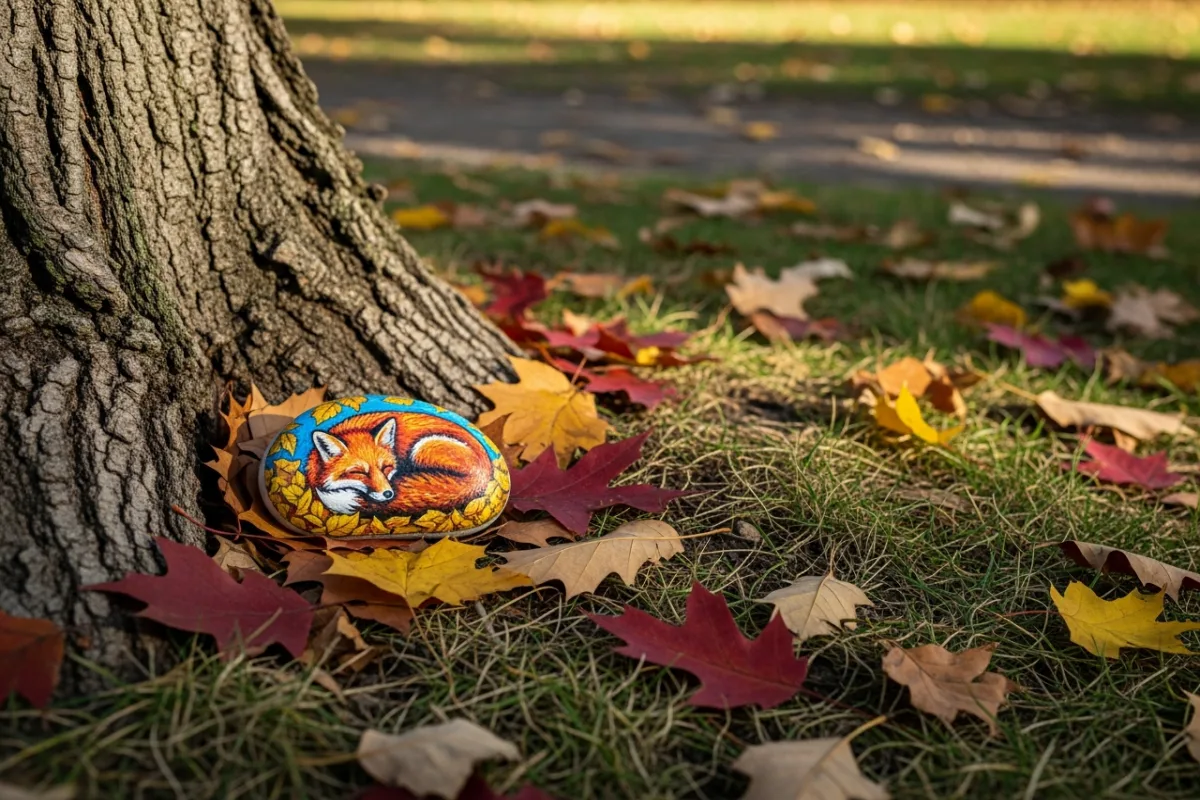
Best Hiding Spots in Parks and Public Spaces
These locations consistently produce the most delighted finders:
- Under park benches - Slightly tucked but visible from a low angle. A classic hiding spot that children and dog-walkers find regularly.
- At the base of a distinctive tree - Among the roots or resting against the bark. Natural and fitting.
- Along a walking path - Beside the path edge, face-up and visible. Catches walkers' attention naturally.
- Near a community garden entrance - These areas attract people who appreciate beauty and nature.
- By a fountain or water feature - Visually appealing locations where people often pause and look.
- In a window ledge or public shelf - Some communities have Little Free Libraries or similar public shelves where rocks can be placed.
Where NOT to Hide Rocks
These locations are problematic and should be avoided:
- National parks and nature reserves - Most explicitly prohibit placing foreign objects, including painted rocks. Stick to urban parks and public gardens.
- On or near roads and railway lines - Safety risk. Never.
- In children's play equipment - A painted rock inside a slide or climbing frame is a hazard.
- Private gardens - Even if the intention is kind, this is trespassing.
- On gravestones or war memorials - Disrespectful, regardless of intent.
- In any body of water - Painted rocks should not be submerged. The paint and varnish may affect aquatic life.
For more on the legal aspects of hiding rocks in different countries, see our guide on rock collecting and legal considerations.
Making the Find Exciting: Staging Your Hide
The best hiding spots make the discovery itself an experience:
- Partially visible - The rock should be findable but not obvious. A splash of bright colour just visible under a leaf or beside a stone wall is the sweet spot.
- Face-up - The painted side should be visible once found, not face-down. The moment of turning over a dull stone to reveal a painting is magical - but only if the rock is positioned to be found first.
- At human eye-level low - Children, dog-walkers, and people who look down naturally are the most frequent finders. Place at a height a child could spot it.
Posting Your Hide: Social Media Tips
Many rock painters share their hides on social media with a vague clue - "hidden somewhere in [town name] today, hint: near the river" - to encourage local finders without giving away the exact location. This approach creates community excitement and drives discovery. For more on photographing and sharing your rocks, see our social media guide.

Frequently Asked Questions
Is hiding painted rocks in parks legal?
In most public parks and urban green spaces, hiding painted rocks is completely legal and widely practised. The key requirements are not damaging any property or natural environment, not blocking pathways, and not alarming the public. In national parks and protected nature reserves, it is generally not permitted. Always use common sense and check local authority guidelines if in doubt.
What should I write on the back of a painted rock before hiding it?
Write your RoxGeo code (4–6 characters assigned when you register the rock), the website ROXGEO.COM, and optionally the words "Please re-hide me" to encourage the finder to continue the rock's journey. This information transforms a random painted stone into an interactive community experience.
What if someone takes my painted rock home instead of re-hiding it?
This is completely fine. Many finders keep rocks that speak to them particularly strongly. The rock has still completed its primary mission - it brought joy to the finder. Some rocks travel thousands of kilometres over years; others find their permanent home on a windowsill after one find. Both outcomes are wonderful.