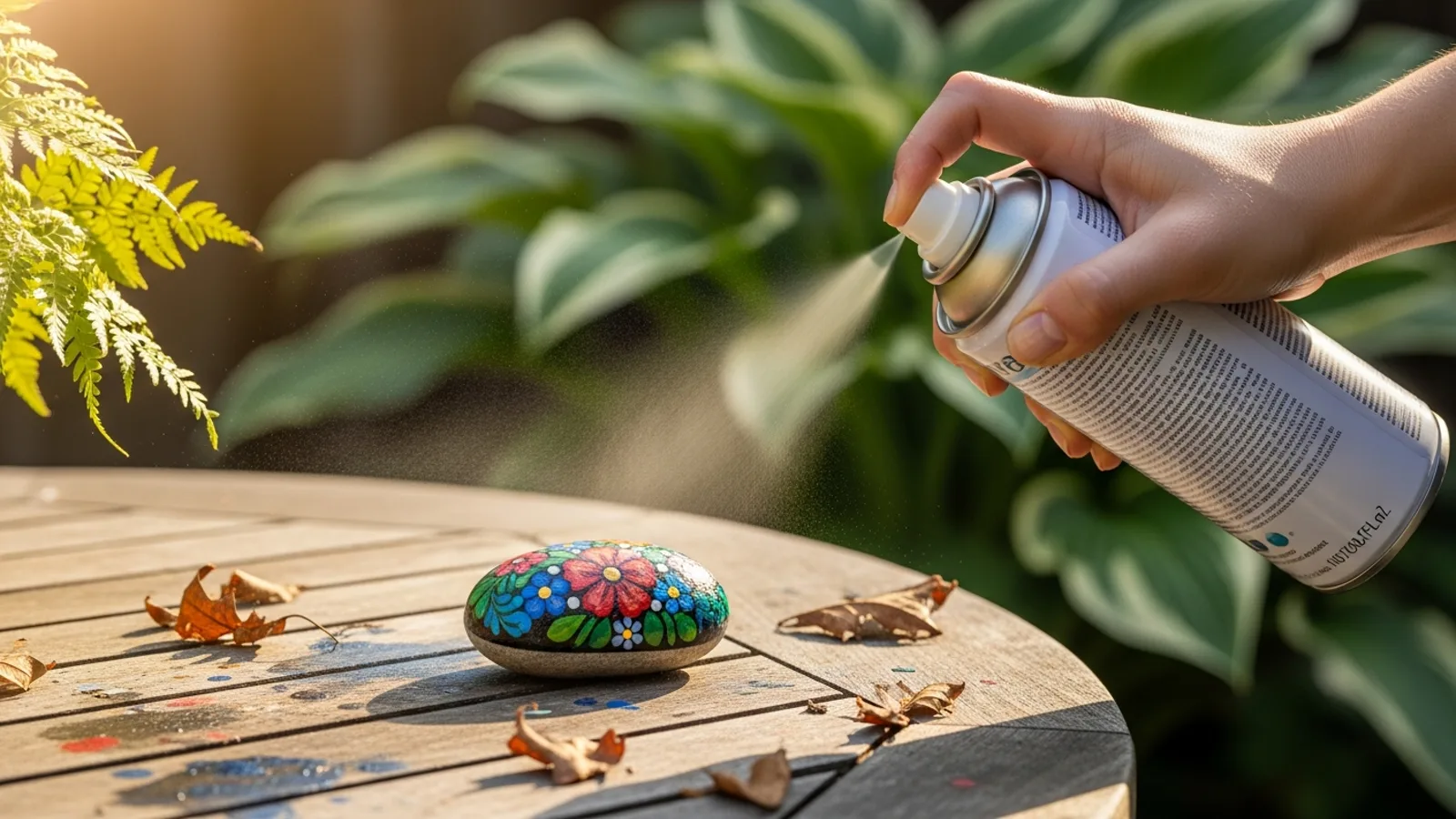
Sealing is the step that transforms a pretty painted rock into one that can survive rain, sun, frost, and years of outdoor life. Without a proper sealer for painted rocks, even the most beautiful artwork will chip, fade, and peel within weeks. This complete guide covers every type of rock painting varnish — spray, brush-on, matte, gloss — so you can choose the right protection for your stones.
Why Sealing Is Non-Negotiable
Acrylic paint, while water-resistant once dry, is not waterproof. Rain and morning dew gradually soften and lift paint from stone surfaces. UV light fades colours, particularly reds, yellows, and pinks. Frost can cause paint to crack if water is trapped beneath it. A quality sealer creates a protective barrier that keeps your colours vivid and your rock looking freshly painted for years. Before you hide any rock, sealing it protects both your artwork and the finder's experience. Always write your RoxGeo code on the back before sealing.
Spray Sealers: Pros, Cons and Best Picks
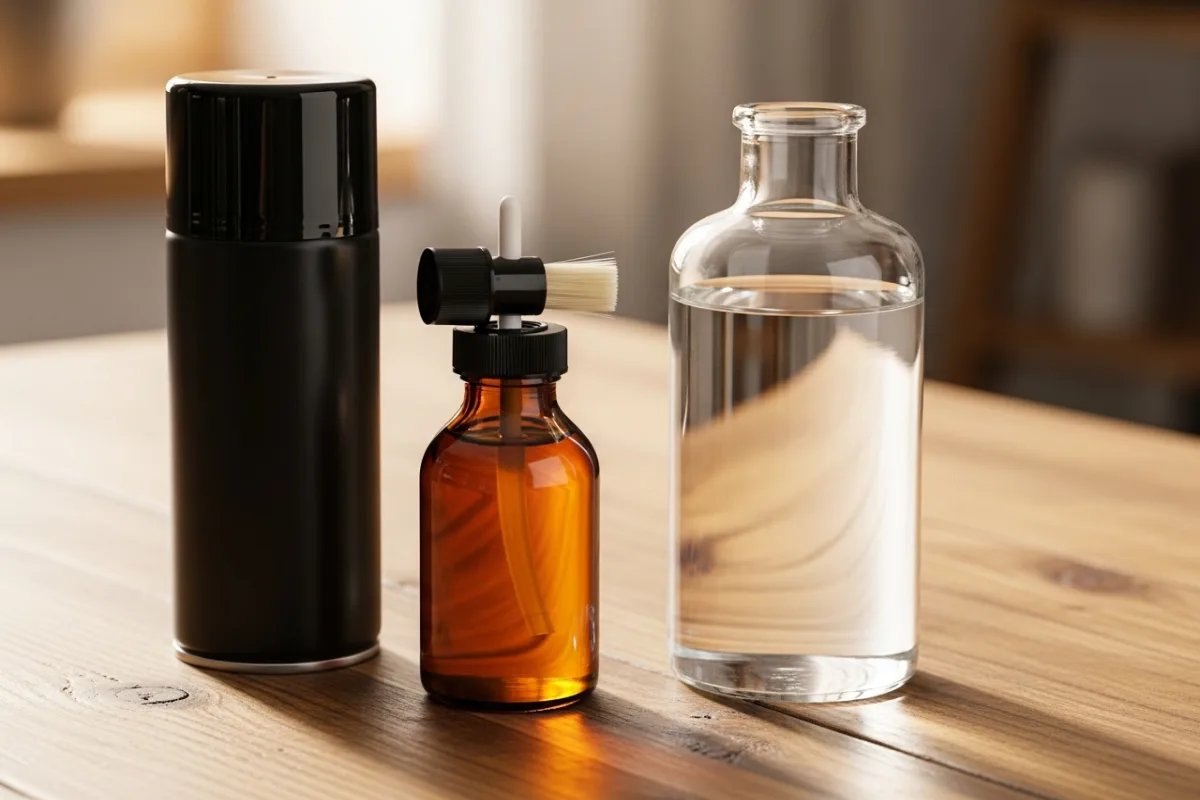
Spray varnishes are the most popular choice among rock painters because they apply in thin, even coats without brushstrokes. The key advantages are speed, ease, and a finish that does not disturb underlying paint. Best picks for rock painting include:
- Krylon Crystal Clear — extremely popular in the rock painting community. Fast drying, available in gloss and matte, does not yellow.
- Rust-Oleum Crystal Clear Enamel — very durable and water-resistant. Good for rocks that will be in wet environments.
- Plaid Mod Podge Spray Acrylic Sealer — easy to find, affordable, available in both matte and gloss.
Spray in a well-ventilated area, hold the can 30 cm away, and use multiple thin coats rather than one heavy coat. Allow each coat to dry for 20–30 minutes before applying the next.
Brush-On Sealers: When and Why
Brush-on sealers give you more control over coverage and are more economical per rock, especially for large batches. The downside is that brushstrokes can be visible if the sealer is applied too thickly or the paint is still slightly wet. Best brush-on options include:
- Liquitex Gloss Medium and Varnish — professional quality, permanent, excellent UV resistance.
- DecoArt Triple Thick Gloss Glaze — extremely thick and durable. Adds a glass-like finish to painted rocks.
- FolkArt Waterbase Varnish — available in matte, satin, and gloss. Easy to apply and recoat.

Mod Podge: Is It Good Enough?
Mod Podge is a craft favourite, but for outdoor rock sealing it is not the best choice unless you use the Outdoor formula specifically. Regular Mod Podge is water-soluble and will turn white or sticky if your rock gets wet. Mod Podge Outdoor holds up significantly better, but it still benefits from a spray varnish topcoat for maximum durability in very wet climates.
UV-Resistant Options for Sunny Climates
If your rocks will be in direct sunlight for extended periods — on a windowsill, in a garden, or hidden on a sunny trail — choose a UV-resistant sealant. Products specifically marketed with UV protection include Liquitex UV Varnish and Golden Archival Varnish. These are more expensive but dramatically extend colour life. For the eco-friendly options, see our guide on sustainable rock painting.
How Many Coats Do You Need?
For indoor display: 2 coats of any spray or brush-on varnish is sufficient. For outdoor rocks left in parks, trails, or gardens: apply 3–4 thin coats, allowing full drying between each. For rocks that will be near water (fountains, ponds, beaches): apply 4+ coats of a waterproof outdoor sealant or Rust-Oleum Enamel. The extra time is worth it — your rock could be re-hidden dozens of times and needs to last. Learn how to choose the best hiding spots in our rock hiding guide.

Frequently Asked Questions
What is the difference between matte and gloss sealer for rocks?
Gloss sealer gives your rock a shiny, wet look that makes colours appear deeper and more saturated. Matte sealer gives a natural, flat finish that looks less artificial outdoors. Satin is a middle ground. Many rock painters use a gloss base coat for protection and a matte topcoat for a natural look.
Can I use hairspray to seal painted rocks?
Hairspray is sometimes used as a quick fix but is not recommended. It is not waterproof, it yellows over time, and it can react with acrylic paint to cause tackiness or peeling. Always use a proper varnish or sealant designed for craft or art projects.
How long do I need to wait before sealing a painted rock?
Acrylic paint is touch-dry within 20–30 minutes but fully cured in 24 hours. For best results, wait at least 1–2 hours after your final paint layer before sealing. If you seal too early, the paint may bubble or remain tacky beneath the varnish.