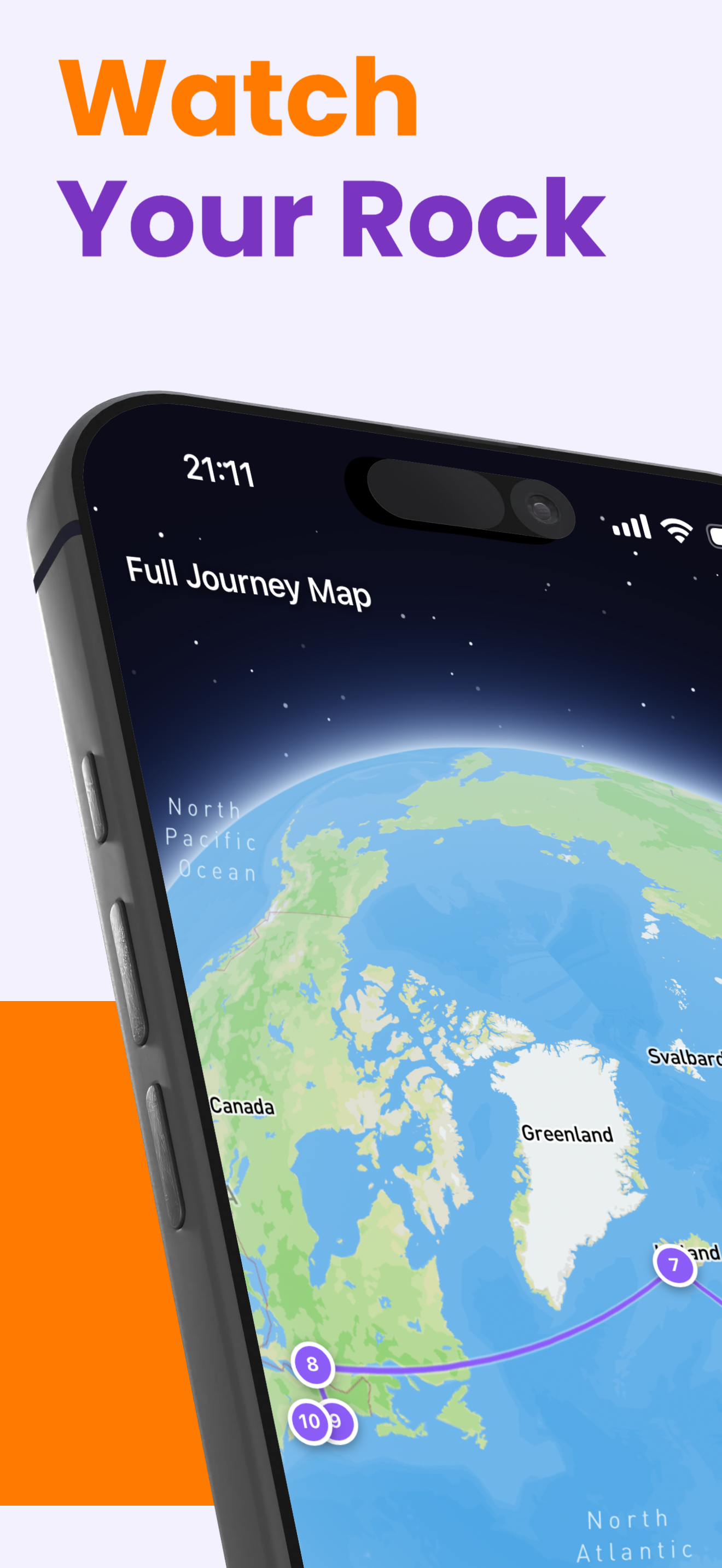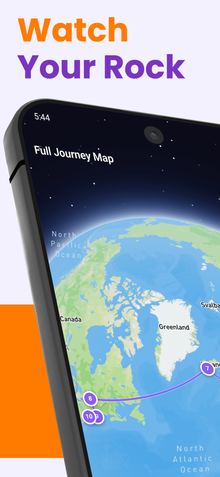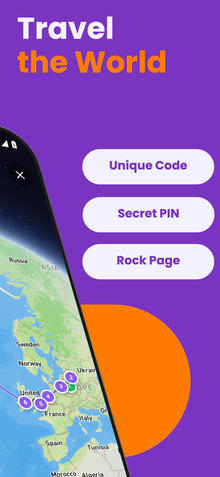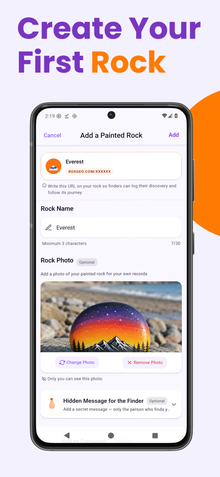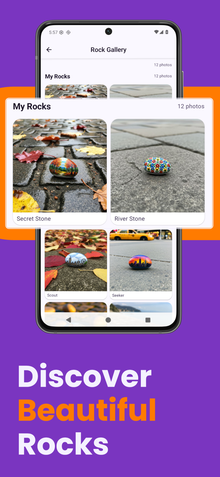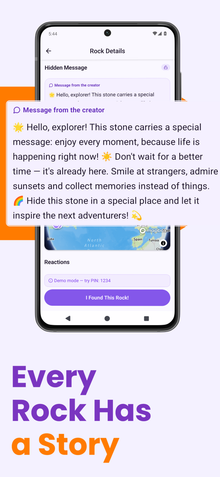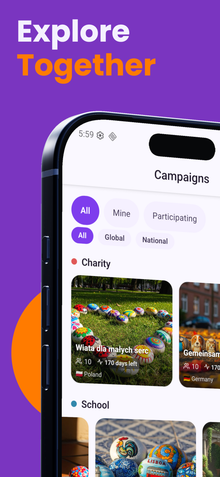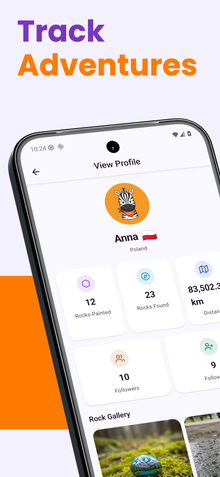
When you use a rock tracking app to follow your painted stones across the world, you naturally share some location data. Understanding how that data is handled is important - especially when children are involved. This guide explains the privacy principles behind responsible painted rock tracking and what protections good apps provide.
What Data Does Rock Tracking Use?
When you hide or find a painted rock using a tracking app, the following data is typically involved:
- GPS coordinates - the approximate location where the rock was hidden or found
- Timestamp - when the action occurred
- User identifier - a pseudonymous account ID (not your real name)
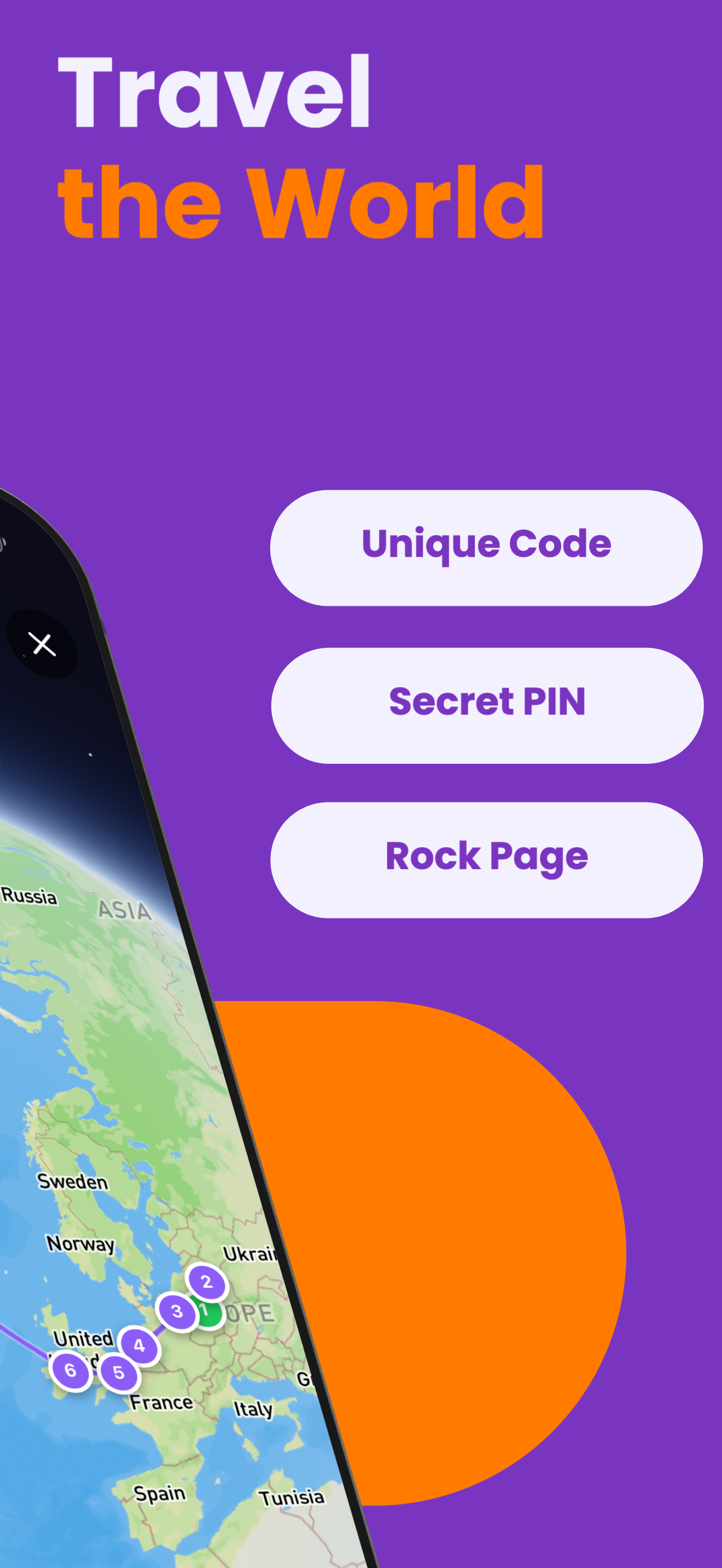
- Rock identifier - the unique code that links to the physical rock
Privacy-First Design Principles
Responsible rock tracking apps follow privacy-by-design principles. Here is what that looks like in practice:
Location approximation
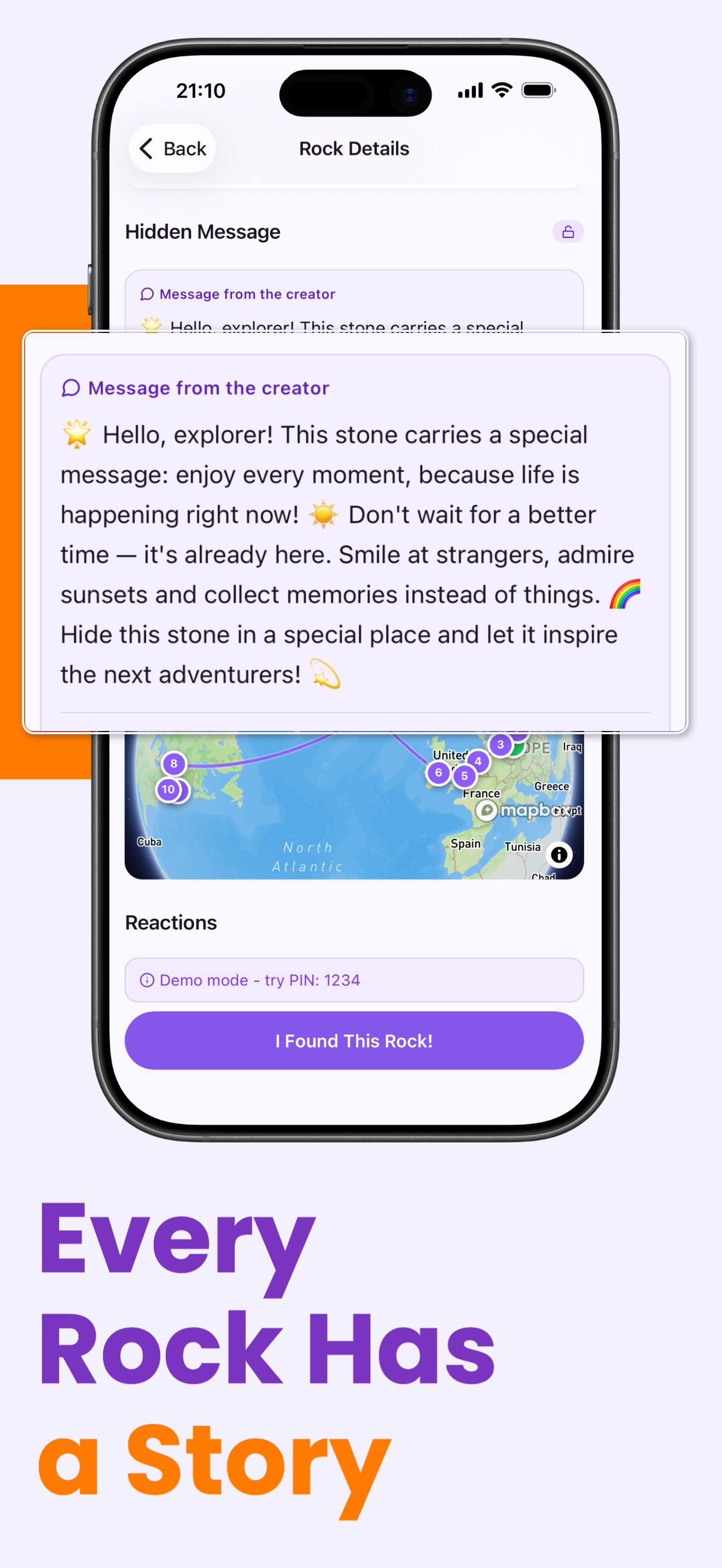
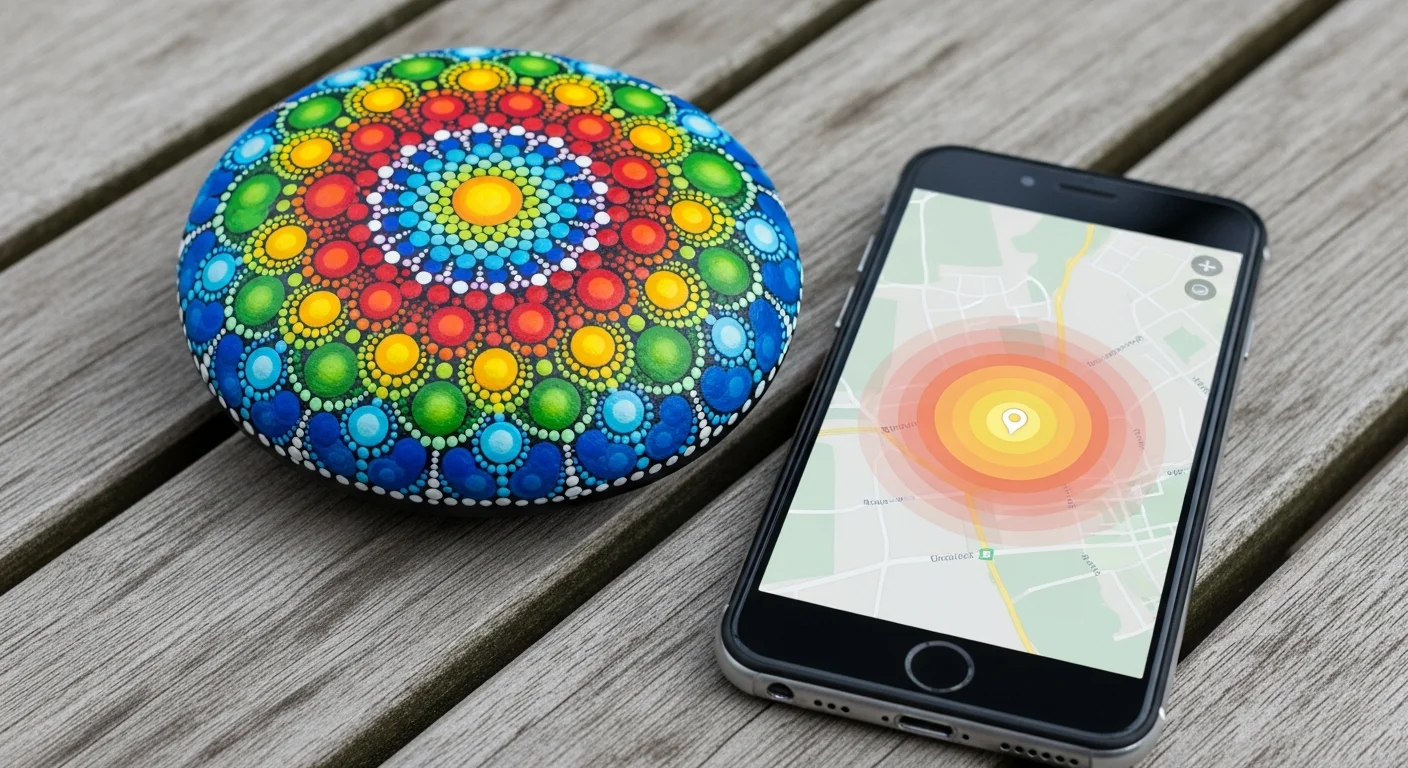
Rather than storing exact GPS coordinates, good apps round locations to a neighbourhood level. This means nobody can identify your precise address from a rock hide or find location. On RoxGeo, public map markers show approximate areas, not exact pinpoints.
Data minimization
Only the minimum necessary data is collected. A rock tracking app does not need your contacts, browsing history, or precise home address to function. If an app asks for permissions beyond camera and approximate location, question why.
Pseudonymous profiles
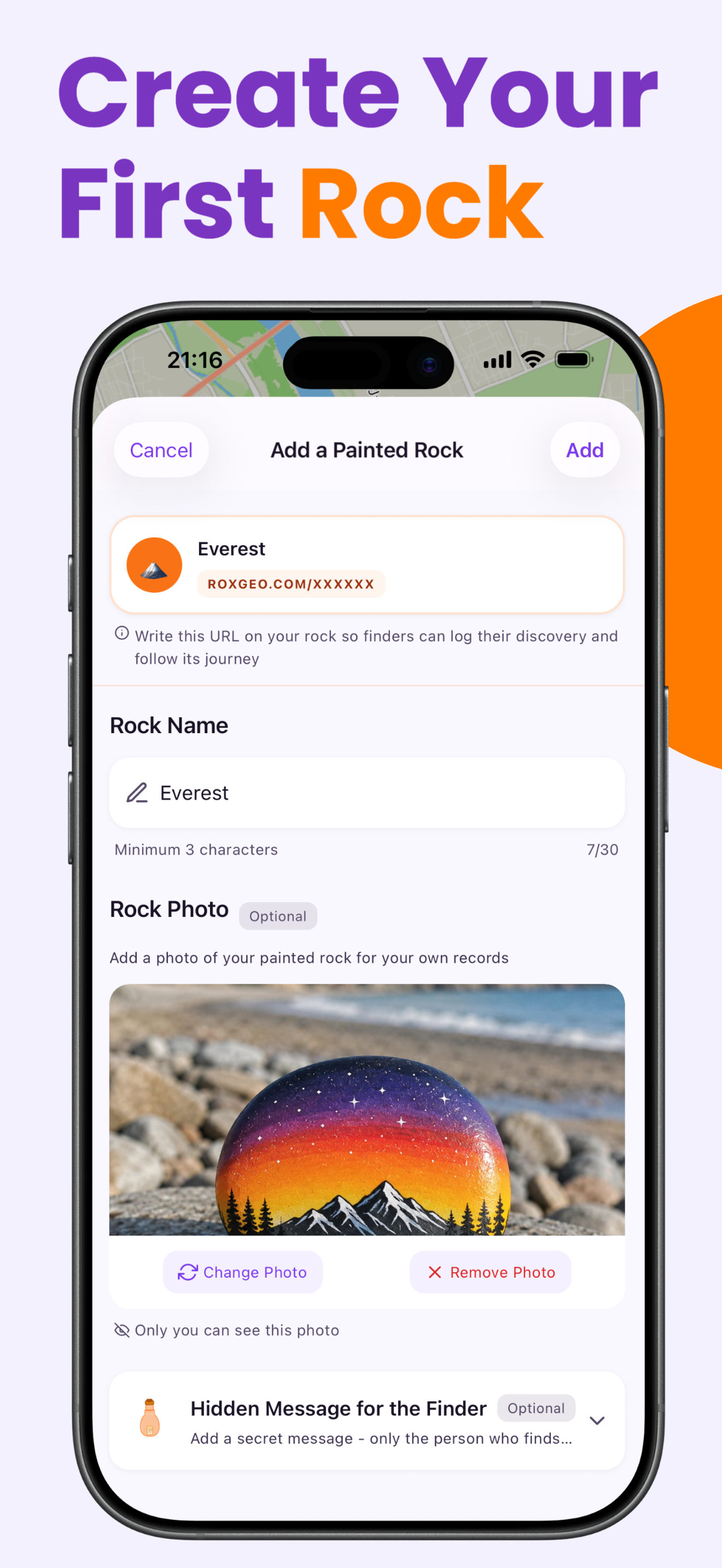
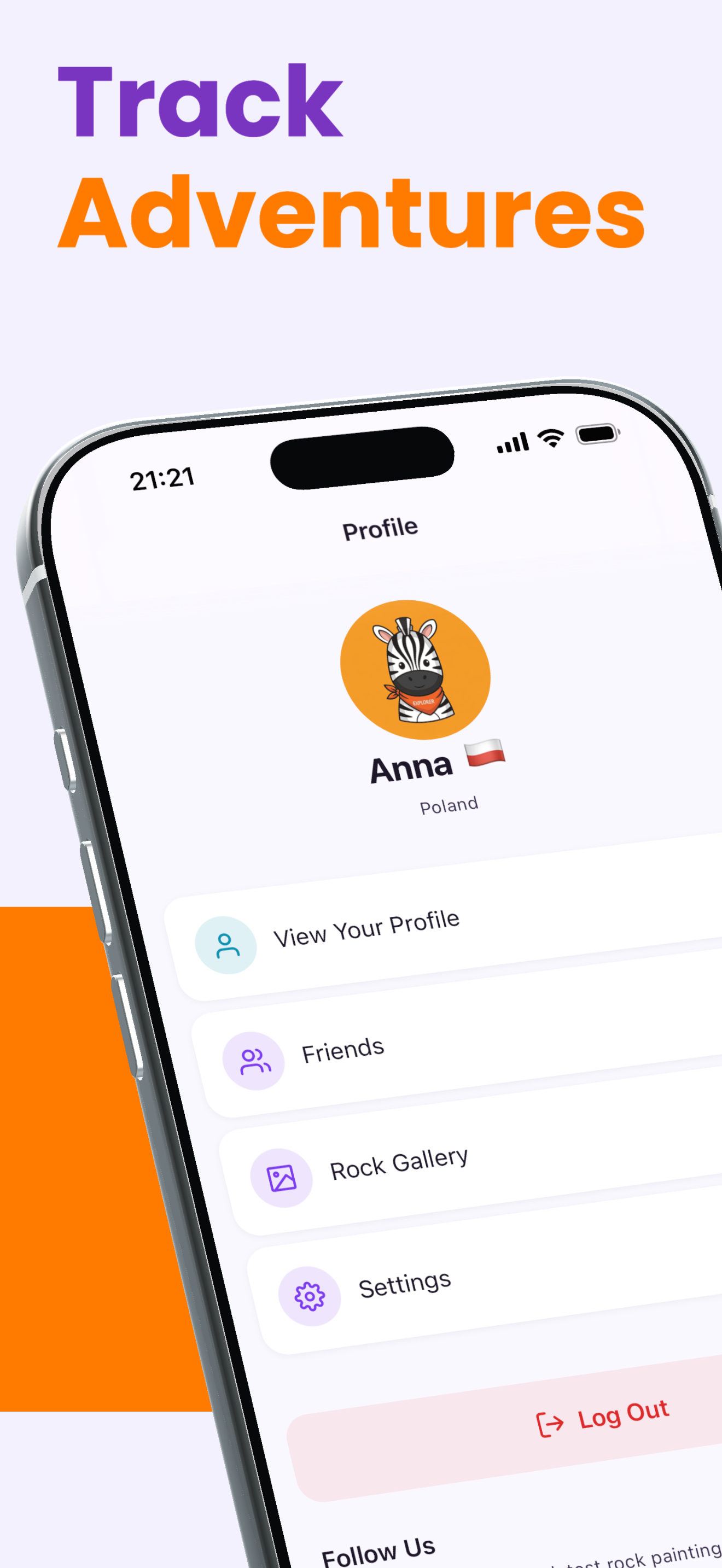
Good tracking apps use display names or pseudonyms rather than requiring real names. This is especially important for apps used by children. RoxGeo uses emoji-only communication to further protect young users.

GPS Verification Explained
Some apps use GPS verification to confirm that a user is physically near a rock before allowing them to pick it up. This prevents remote "cheating" but raises a valid question: does the app track my movements?
The answer in well-designed apps is no. GPS verification happens at the moment of the action and the data is used only to confirm proximity. Your location is not continuously tracked or stored in a movement history. Learn more about how this works in our GPS verification guide.
Children's Privacy Protections
Apps designed for use by children should comply with:
- COPPA (Children's Online Privacy Protection Act) in the United States
- GDPR Article 8 (General Data Protection Regulation) in the European Union
- Age-appropriate design codes in the UK and other jurisdictions
These regulations require parental consent for data collection from children under 13 (or 16 in some EU countries), limit data collection to what is strictly necessary, and prohibit profiling or targeted advertising to minors.
Your Rights as a User
Under GDPR and similar regulations, you have the right to:
- Access - request a copy of all data held about you
- Rectification - correct inaccurate data
- Erasure - request deletion of your data
- Portability - receive your data in a machine-readable format
- Objection - object to certain types of data processing
Frequently Asked Questions
Can someone track my home address through rock painting?
Not if you use an app with location approximation. Never hide rocks directly in front of your home or share exact coordinates. Apps like RoxGeo only show approximate areas on the map.
Is it safe for my child to use a rock tracking app?
Yes, when the app is designed with child safety in mind. Look for apps that use pseudonymous profiles, limit communication features, require age verification, and do not show advertising. Read more about rock painting safety for children.