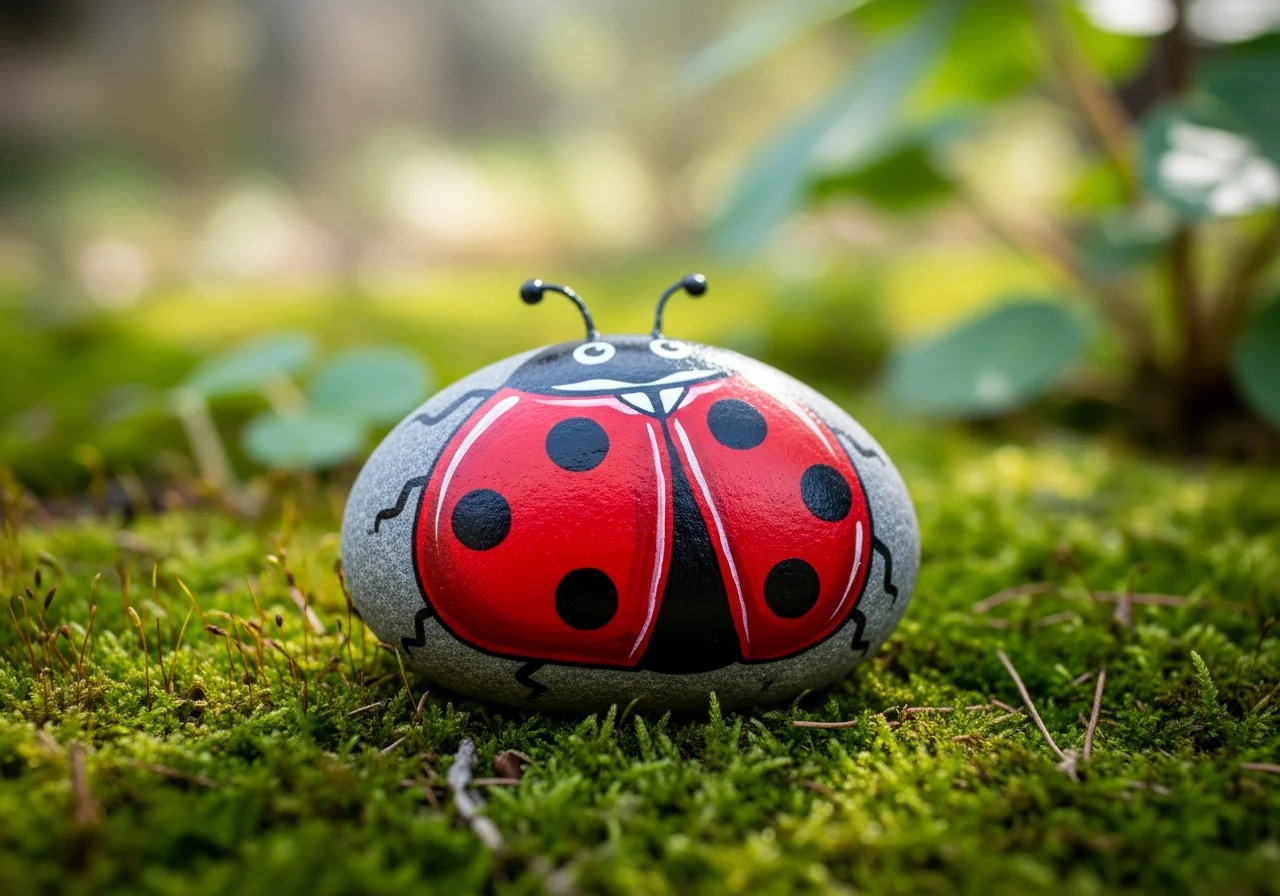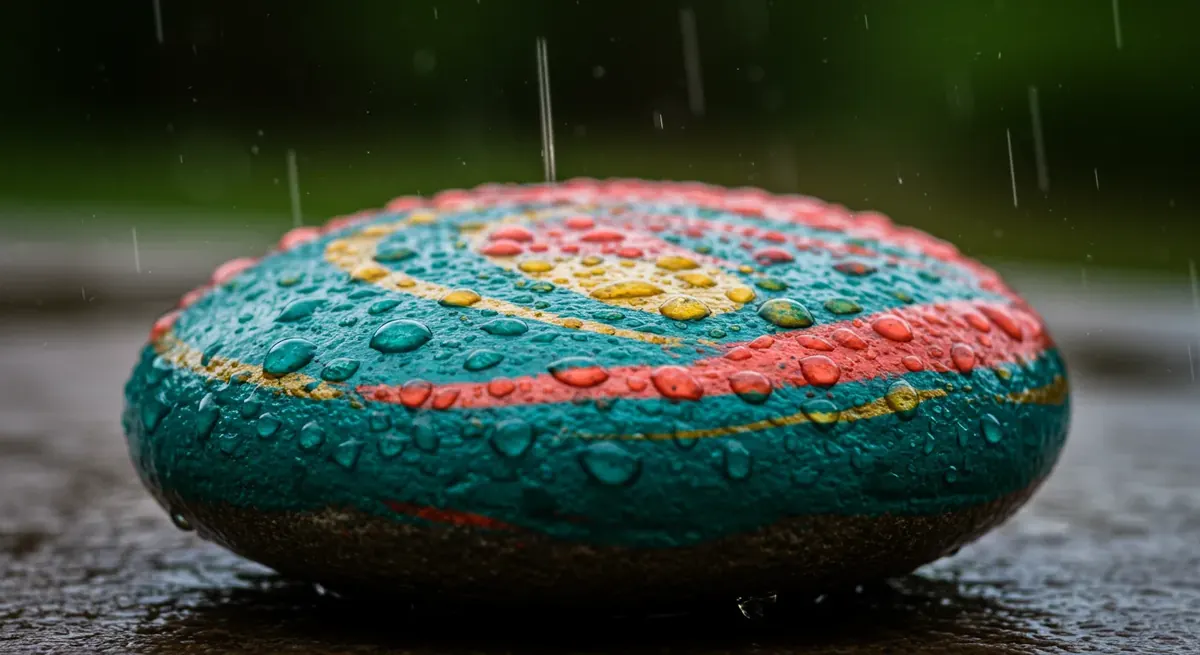
You have spent time creating a beautiful painted rock, but will it survive a week hidden outdoors? Weatherproofing your rock art is essential for any stone you plan to hide and track with RoxGeo. Rain, UV sunlight, frost, and physical handling all degrade unprotected paint. This guide covers the best techniques for making painted rocks last in outdoor conditions.
Why Weatherproofing Matters for Tracked Rocks
A rock registered on RoxGeo might travel for months or years between finds. It will be exposed to rain, sunlight, temperature changes, and repeated handling. Without proper protection, your beautiful design can fade, chip, or wash away — and the tracking code may become unreadable. Good weatherproofing ensures your rock's art and code survive the journey.
Step 1: Start with the Right Base
Weatherproofing begins before you even paint:
- Clean the stone thoroughly — wash with soap and water, scrub with a brush to remove dirt, and let dry completely (at least 24 hours)
- Apply a base coat — a thin layer of white or light grey acrylic seals the stone's pores and provides a smooth surface
- Let the base cure — wait at least 2 hours before adding your design
Step 2: Use Quality Paint
Not all paints survive outdoor conditions equally:
- Best: Outdoor acrylic paint — formulated for UV resistance and moisture. Brands labelled "patio paint" or "multi-surface outdoor" are ideal
- Good: Artist-grade acrylic — higher pigment concentration means better colour retention. More expensive but worth it for special designs
- Adequate: Craft acrylic — works well when properly sealed, though colours may fade faster in direct sunlight
- Avoid: Tempera, watercolour, and poster paint — these are water-soluble and will wash away with the first rain
Step 3: Apply the Right Sealant
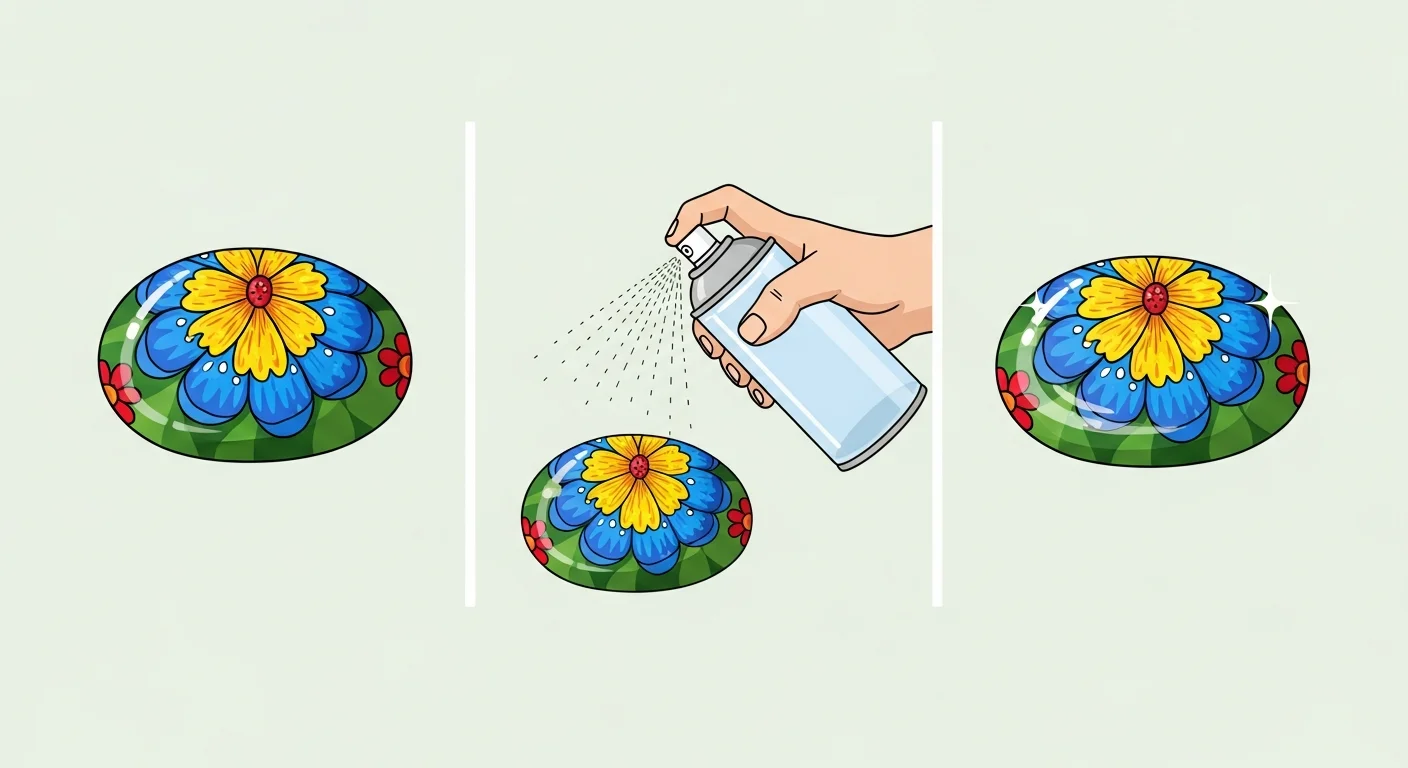
The sealant is the most critical weatherproofing step:
Water-based polyurethane (recommended)
Available in spray and brush-on forms. Apply 3 thin coats with 2 hours drying time between each. This creates a hard, clear shell that resists water, UV light, and physical abrasion. Both matte and gloss finishes work well — gloss makes colours pop; matte looks more natural.
Marine-grade varnish
For rocks that will face severe weather — coastal locations, areas with heavy rainfall, or extreme temperature swings — marine varnish provides the strongest protection. It is more expensive and has a stronger odour during application but creates an exceptionally durable finish.
Mod Podge Outdoor
A popular budget option in the rock painting community. It provides decent protection for moderate climates but is less durable than polyurethane in harsh conditions. Apply 3-4 coats for best results.
Step 4: Protect the Tracking Code
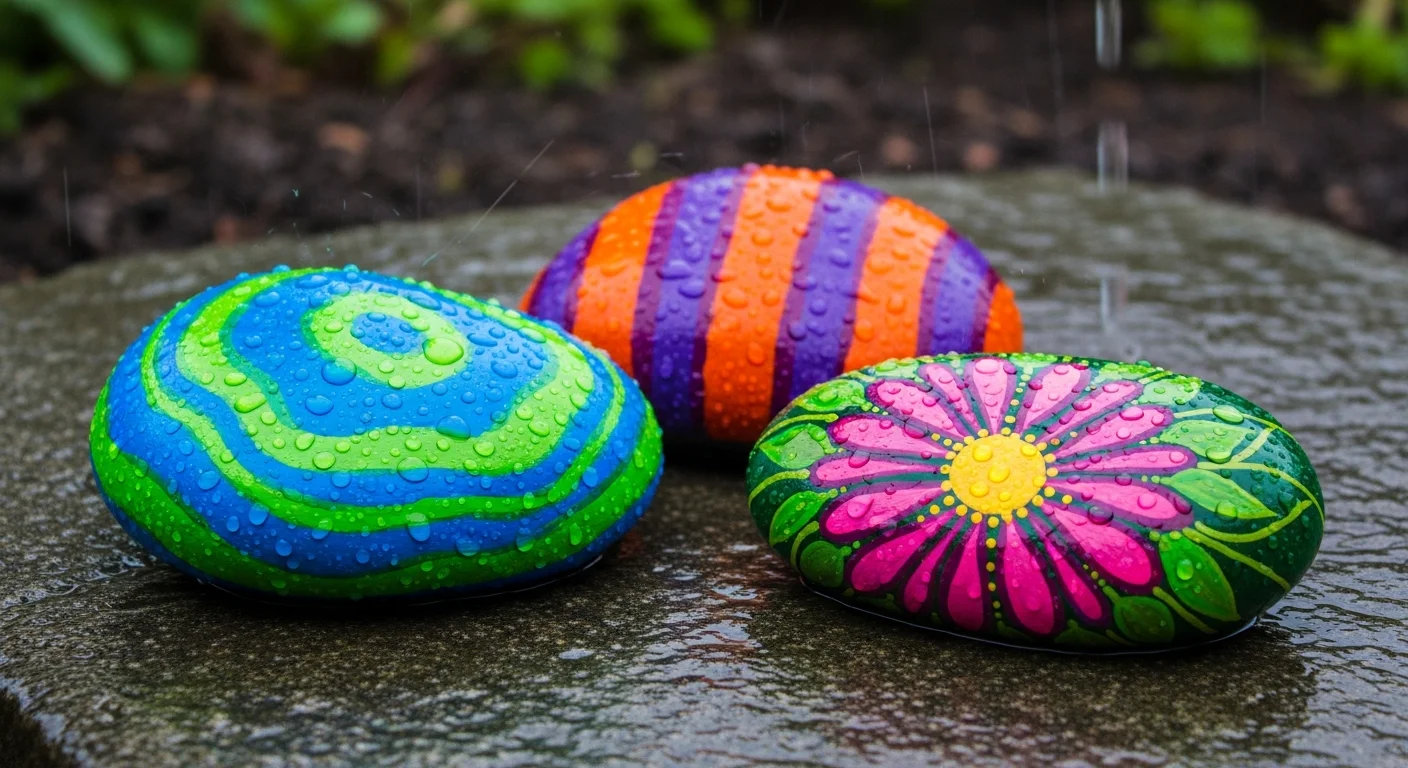
The RoxGeo tracking code on your rock must remain legible for finders. Apply extra sealant over the code area. Consider writing the code with a permanent paint pen rather than a brush — paint pens create sharper, more durable lettering. Apply sealant over the code after the ink has fully dried.
Common Mistakes to Avoid
- Applying sealant too thick — thick coats crack and peel. Use thin, even layers
- Not waiting between coats — each coat must be fully dry before the next
- Sealing in humidity — apply sealant on dry days with low humidity for best adhesion
- Skipping the bottom — seal the entire rock, including the bottom, to prevent moisture from wicking up through the stone
- Using incompatible products — oil-based sealant over water-based paint can cause cracking. Stay within the same product family
Frequently Asked Questions
How long will a properly sealed rock last outdoors?
A well-prepared rock with 3 coats of polyurethane sealant can last 1–3 years outdoors depending on climate conditions. In mild climates with moderate shade, rocks can look good for even longer. For more about sealant safety, see our non-toxic paints and sealants guide.
Can I re-seal a rock that is starting to fade?
Yes. Gently clean the rock with warm soapy water, let it dry completely, and apply 2 new coats of sealant. If the paint underneath is still intact, this will renew the protection for another season.