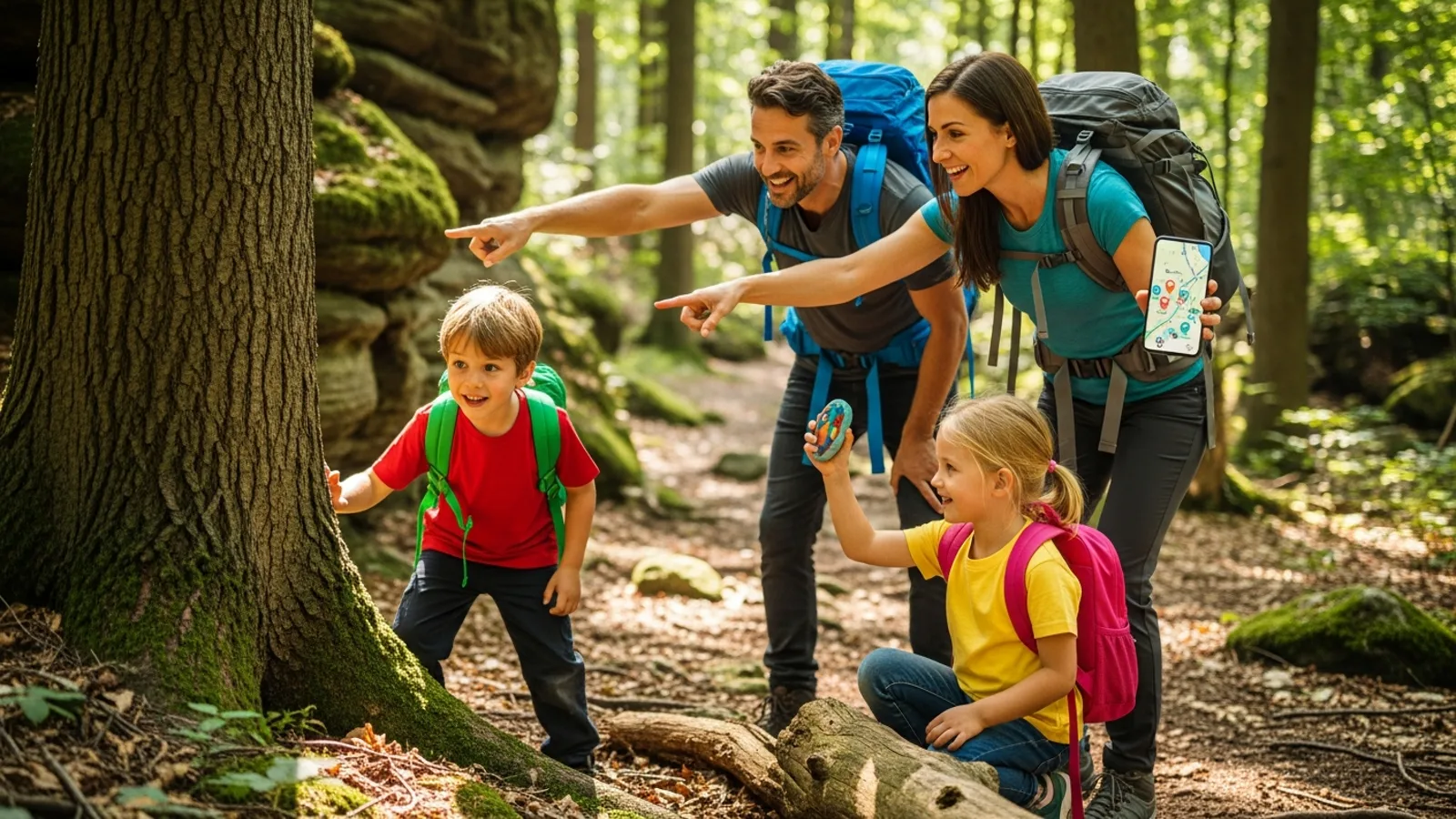
A summer rock painting adventure combines the creativity of art-making with the excitement of an outdoor treasure hunt — the perfect family activity for long summer days. Whether you plan a single-day family outing or an ongoing summer-long rock trail project, this guide shows you exactly how to set it up, make it memorable, and use RoxGeo tracking to add a genuine adventure dimension to your painted rocks.
What Is a Rock Painting Adventure?
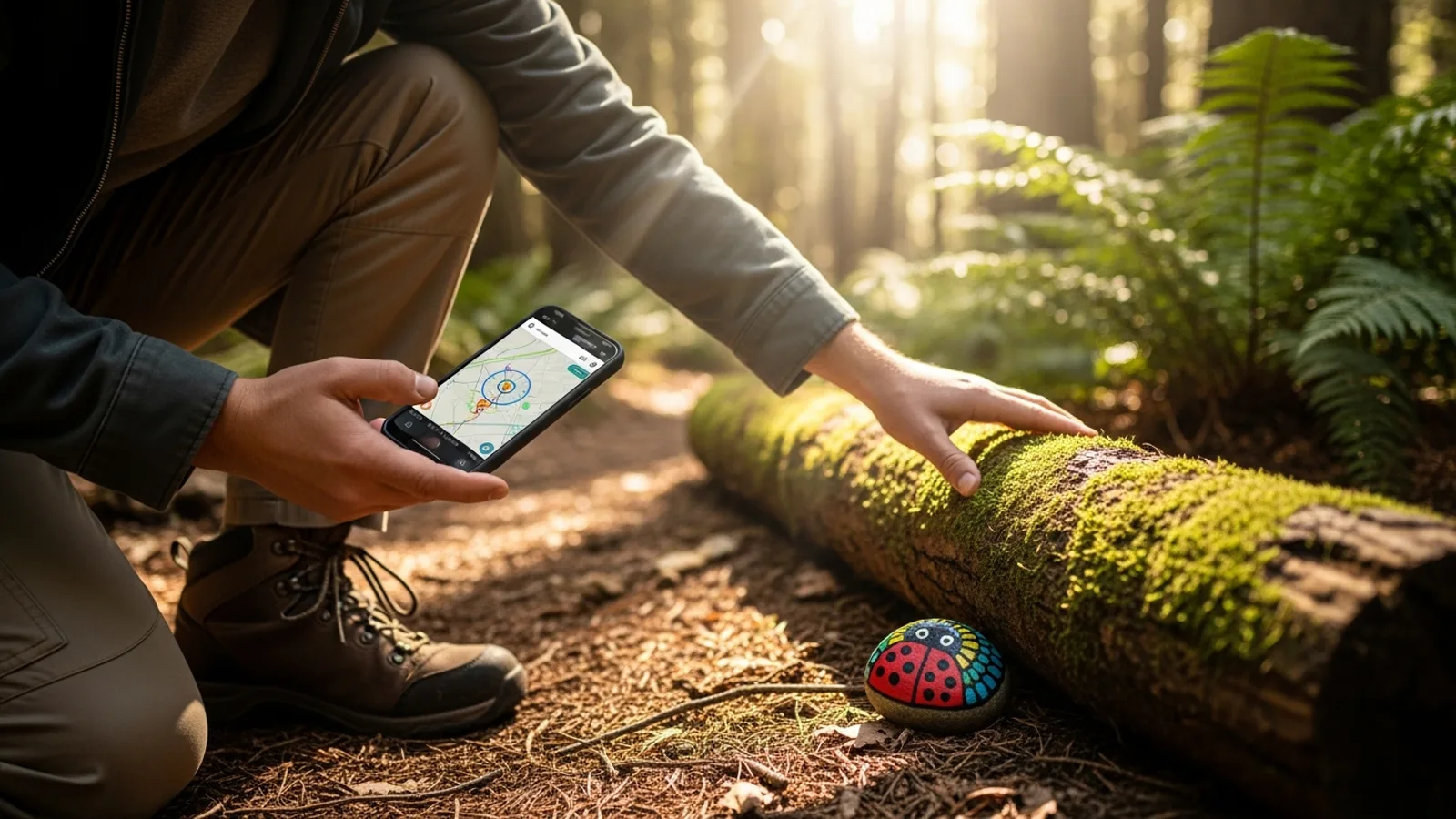
A rock painting adventure is a structured outdoor experience where participants first paint rocks, register them with RoxGeo, then hide them in interesting locations and challenge others (family, friends, or the wider public) to find them. When rocks are found, finders log the discovery, updating the live map. Hiders can watch their rocks' journey unfold in real time. The adventure element comes from choosing creative hiding spots, crafting discovery clues, and the unpredictability of when and where the rock will be found next. For an introduction to how tracking works, see our geocaching vs rock painting guide.
Planning Your Summer Rock Trail
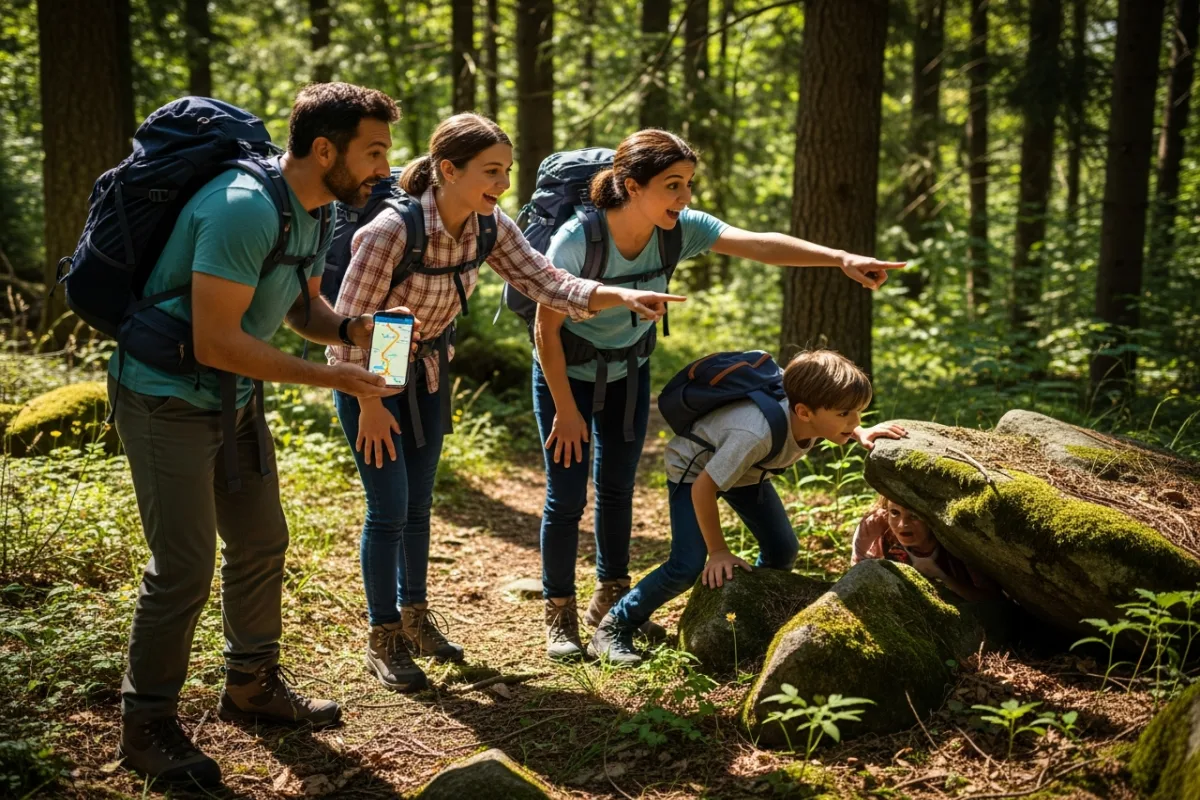
The most memorable rock adventures are planned with intention. Here is a step-by-step approach:
- Choose your theme — A summer rock trail is most engaging when it has a unifying theme: ocean animals, forest creatures, summer flowers, or a favourite book/film character set. Children are especially motivated by themed hunts.
- Paint the rocks in advance — Prepare your rocks at least 2 days before the adventure to allow full drying and proper sealing. Aim for 8–12 rocks for a family trail. See our beginner painting guide for supplies.
- Register on RoxGeo — Register each rock on RoxGeo before hiding. Write the code on the back of each rock.
- Plan your hiding locations — Choose a specific trail, park, or neighbourhood. Map out 8–12 varied hiding spots of different difficulty levels.
- Create discovery cards — Small laminated cards with RoxGeo code, a message of kindness, and instructions to re-hide or keep. Attach with a small rubber band or leave loose beside the rock.
- Post a clue trail online — Share a vague clue on social media (if hiding publicly) or send directly to your family's group chat (for a private family hunt).
Best Summer Hiding Locations
Summer provides unique seasonal hiding opportunities:
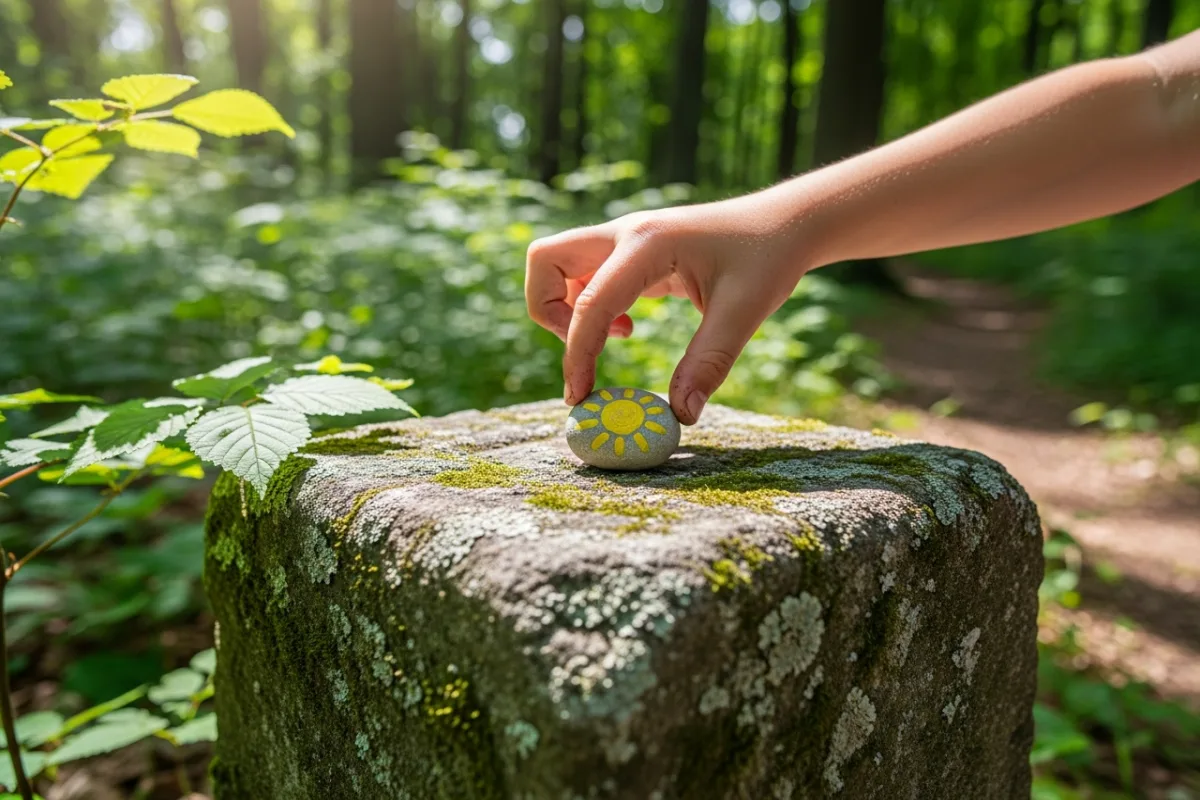
- Forest trails — Partial shade, beautiful surroundings, and a sense of wilderness discovery. Position rocks at eye level among tree roots or on flat stones.
- Beach and coastal areas — Sea walls, rocky outcroppings, and beach café terraces. Always hide above the high tide line. See our beach rock guide.
- Campsite picnic areas — Summer campsites attract families who are especially receptive to finding something magical.
- Wildflower meadows — A brightly painted rock among wild grasses and flowers creates a particularly joyful discovery moment.
- Tourism viewpoints — The pauses at scenic viewpoints are perfect moments for people to notice something small and beautiful.
Making It Educational for Children
A summer rock adventure can be structured as an educational outdoor classroom:
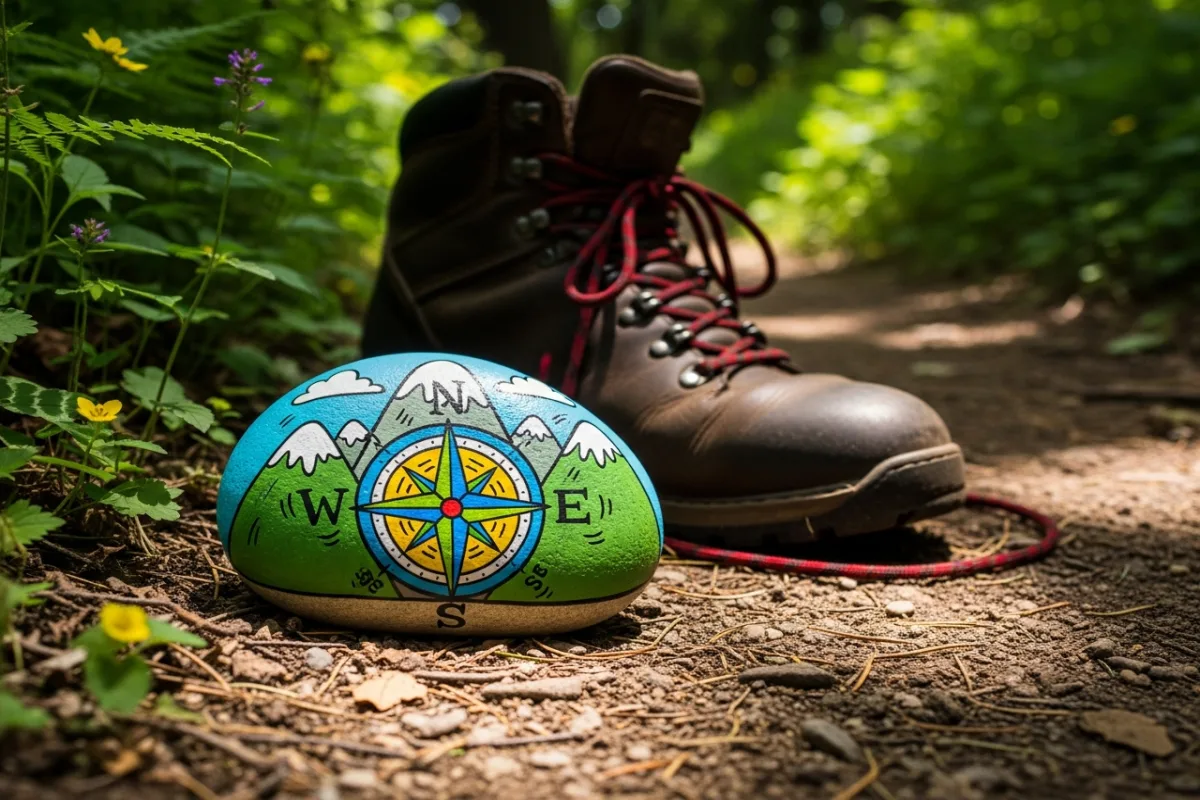
- Map reading — Use an OS or park trail map to plan the route and mark hiding spots. Let children navigate.
- Natural history — Paint rocks featuring the wildlife you might encounter on the trail: the birds, insects, and plants of the specific region.
- Photography — Encourage children to photograph each hiding spot before and after placing the rock, and each discovery on a family hunt.
- Journaling — Keep a summer rock adventure journal: drawings of each rock, maps of hiding spots, descriptions of the journey.
See also our kids rock painting guide for design ideas.
Tracking and Following Your Adventure
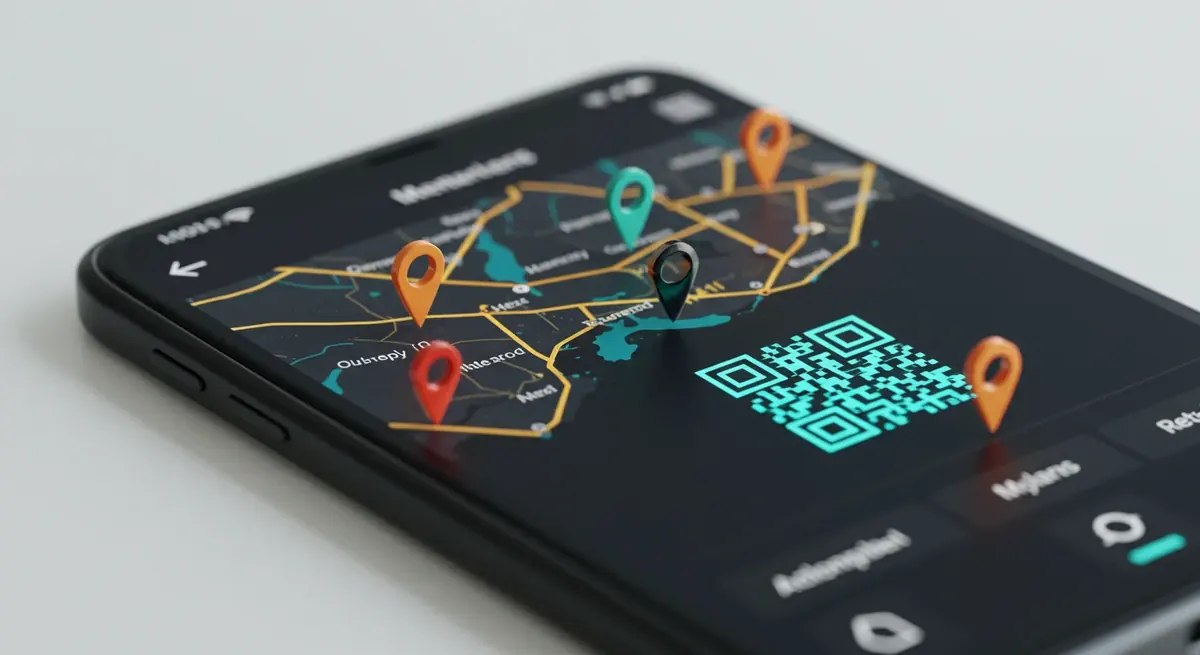
The RoxGeo platform transforms a one-day adventure into an ongoing story. After hiding your rocks, watch the live tracking map for signs of discovery. Some rocks are found within hours; others wait weeks for their first finder. Each discovery log from a finder — with their location, date, and optional message — adds a new chapter to your rock's adventure story. Share the tracking updates with children: it teaches geography, empathy, and the joy of connection with strangers across a shared experience.
Frequently Asked Questions
How many rocks should I prepare for a family summer adventure?
For a half-day family trail, 6–8 rocks is a good number. For a full-day adventure with multiple locations, 10–15 rocks creates sustained excitement without becoming overwhelming. If you plan a summer-long project, paint a batch of 5–10 rocks each weekend and build a living map of your summer adventures.
What happens if nobody finds my hidden rocks?
Sometimes rocks wait days or weeks before being found — and this is part of the adventure. If you are concerned about a specific rock, you can re-hide it in a higher-traffic location. On RoxGeo, you can see the last known location of each rock and decide whether to move it. Many rocks with slow starts eventually travel great distances once first found.
Can I set up a rock trail as a gift for another family?
Yes — a rock trail makes a wonderful, entirely unique gift. Paint themed rocks related to the recipient family's interests, pre-register them all on RoxGeo, and give the family the clue trail as their gift. They can then go on the hunt and follow the rocks' future journeys on the tracking map. A summer to remember.