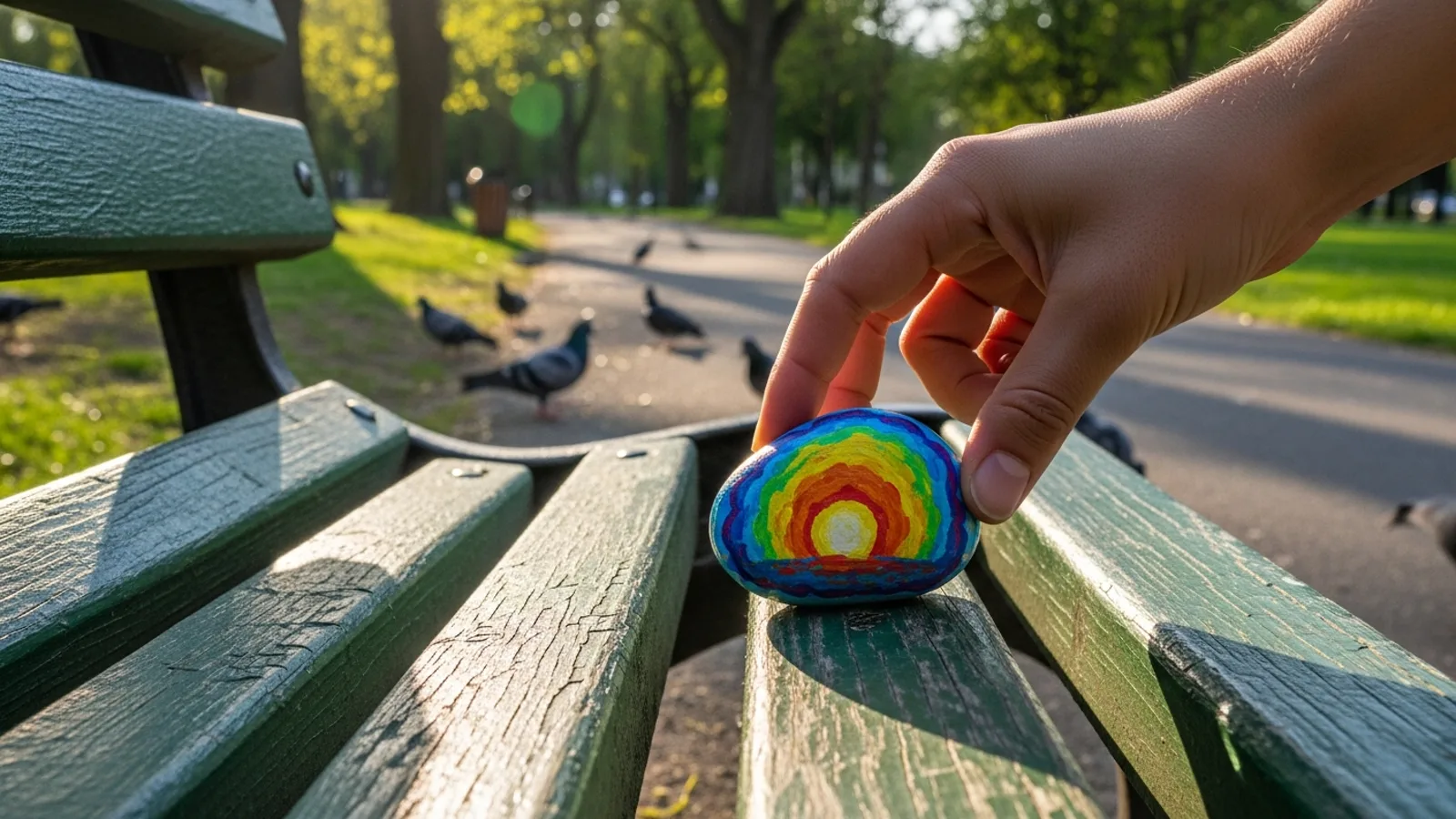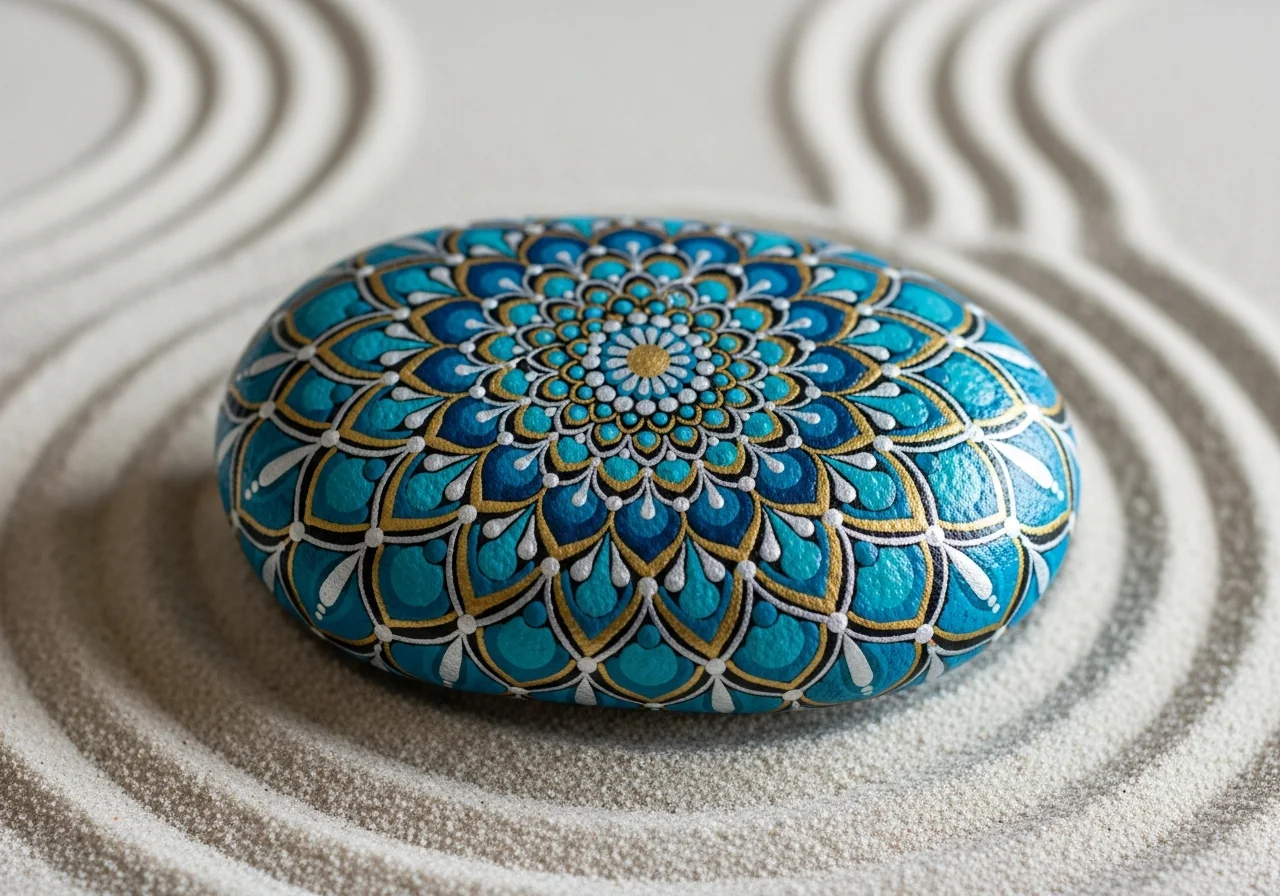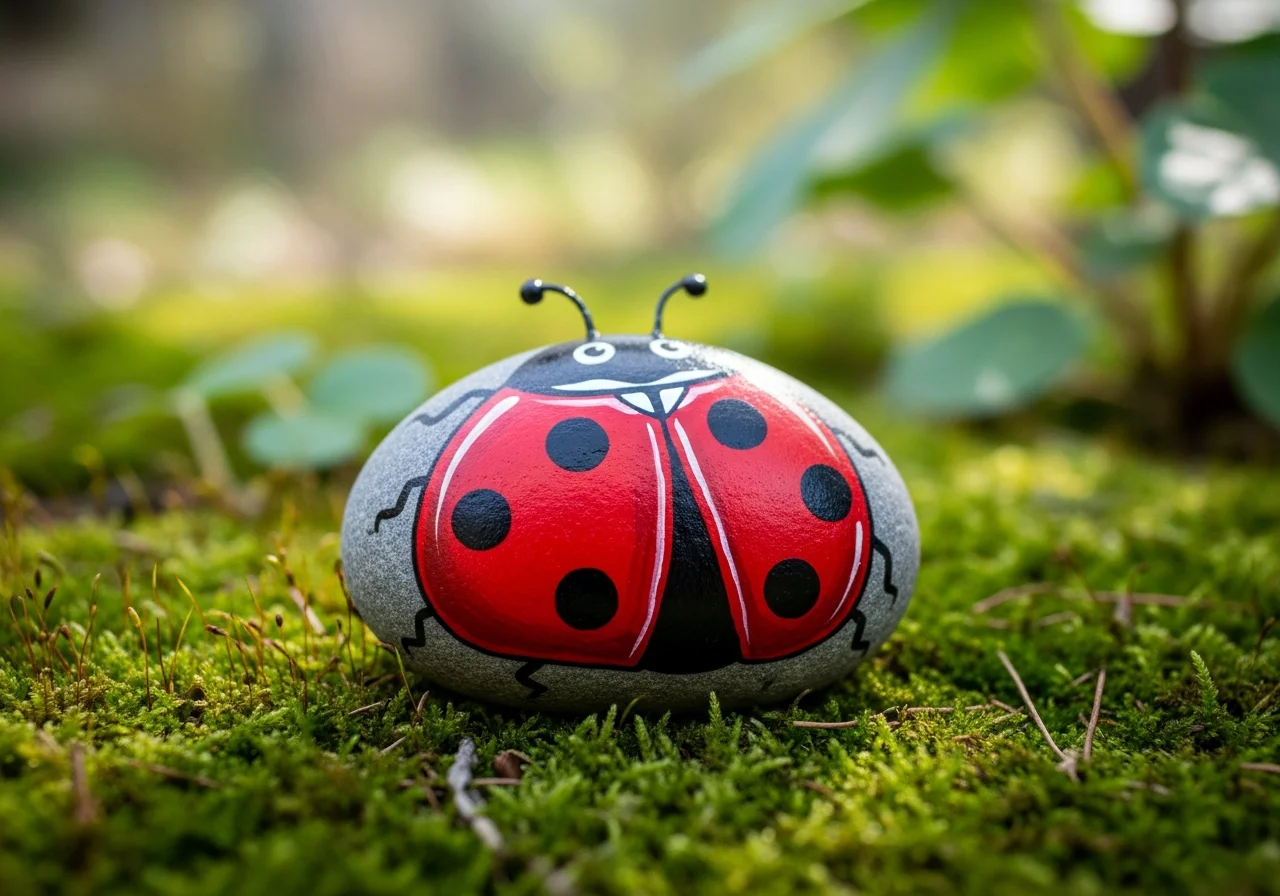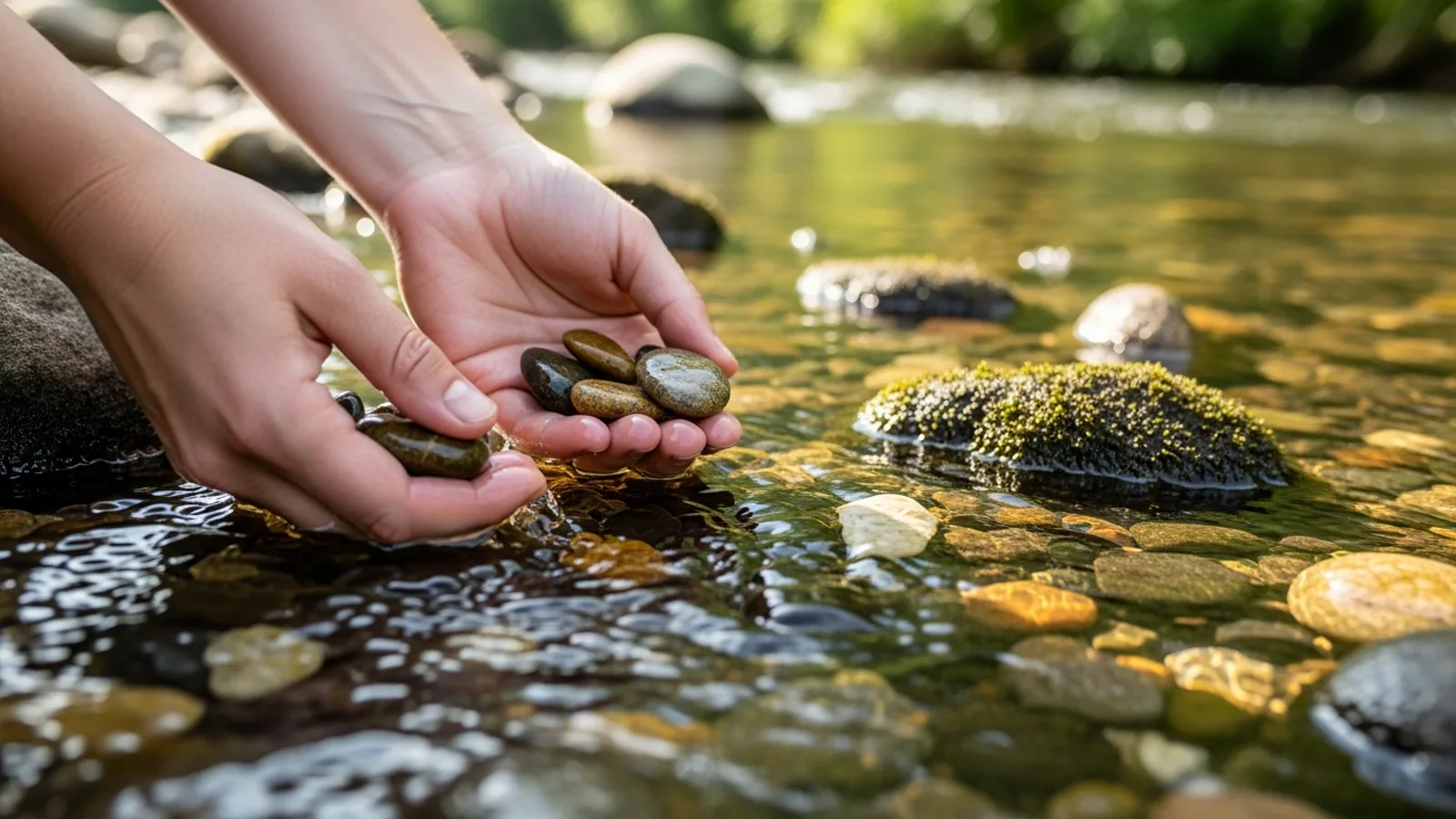
Finding the right rocks is the first step in any successful rock painting project. The best rocks for painting are smooth, flat, and free from cracks - but knowing where to collect stones for rock painting legally is just as important as knowing what to look for. This guide covers every source from riverbeds to online suppliers, along with the rules you need to know to stay within the law.
What Makes a Great Painting Rock?
Before you head out to collect, know what you are looking for. The ideal painting stone has:
- Smooth surface - water-polished surfaces hold paint much better than rough, angular ones.
- Flat or slightly domed shape - easier to paint, to display, and to carry home.
- Palm-sized - roughly 5–12 cm is the sweet spot. Too small and detail is difficult; too large and the rock looks out of place when hidden.
- No cracks - cracks trap paint unevenly and weaken the rock.
- Light base colour - grey, beige, or white rocks show paint much better than dark ones, though you can always prime with white gesso.
Rivers and Beaches: Rules and Realities
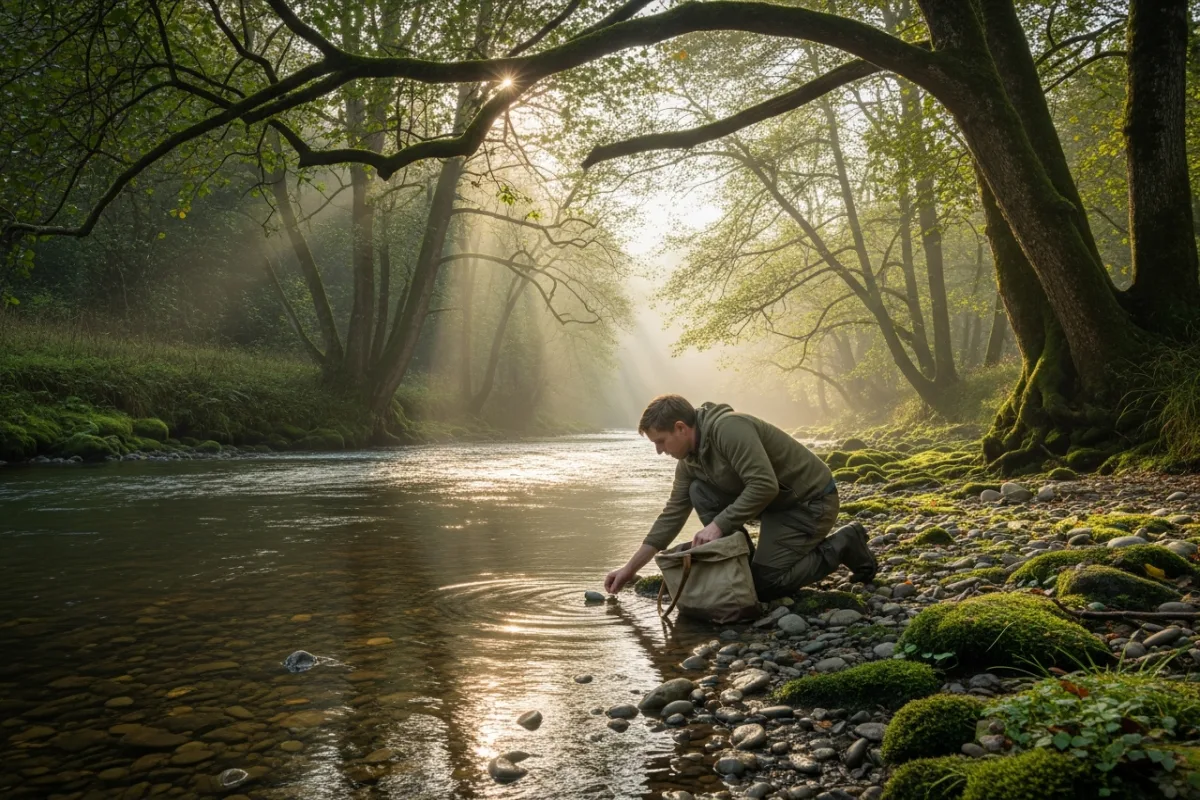
Riverbeds and gravel beaches produce the most beautiful, naturally smooth pebbles. However, the rules around collecting rocks from natural areas vary by country and region:
- In the UK, removing pebbles from beaches is technically illegal under the Coastal Protection Act 1949. However, collecting a handful of pebbles from a gravel beach for personal use is generally tolerated and rarely enforced. Avoid national nature reserves and protected areas.
- In the USA, collecting rocks from National Parks or protected federal land is explicitly illegal. On state or local land, rules vary by jurisdiction. Private land always requires permission.
- In Poland, collecting rocks from national parks (e.g. Tatry, Pieniny) is prohibited. Riverside areas and Baltic coast beaches generally allow small-scale personal collection.
- The safest rule everywhere: take only a small number (under 10), leave no trace of your visit, and never collect from protected natural areas.
For more on the legal aspects of rock painting activities, see our guide on public vs private land rules.
Garden Centres and Craft Stores
For a stress-free and fully legal source, garden centres sell decorative river pebbles by the bag or kilogram. These stones are already cleaned, often presorted by size, and are exactly the smooth oval shapes ideal for painting. Look for bags labelled "decorative pebbles," "river stones," or "polished gravel." Expect to pay £3–8 for enough stones for 10–20 paintings.
Craft and hobby stores (such as Hobbycraft, Michaels, or local equivalents) sometimes stock smooth stones in the painting and art supply section. These are slightly more expensive per stone but are guaranteed to be clean and in excellent condition.
Online Sources for Smooth Pebbles
Amazon, Etsy, and art supply websites all sell bags of smooth painting rocks, often marketed specifically to rock painters. Buying online gives you access to specific sizes, shapes, and even pre-sorted colours. Search for "smooth river rocks for painting" or "flat painting stones." Prices vary but expect to pay around £10–20 for 100 pebbles of a consistent size.
Some RoxGeo community members share their preferred suppliers in our community resources.
Rocks to Avoid
Not all rocks paint well. Avoid:
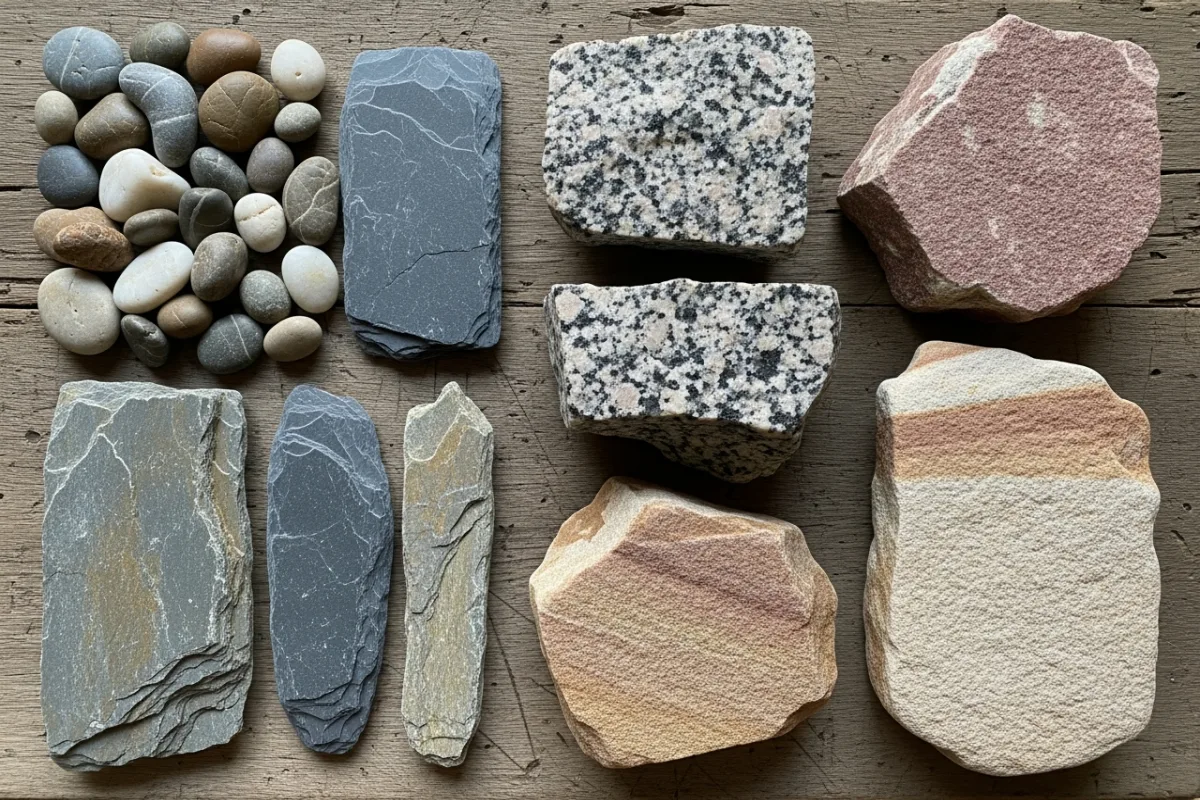
- Limestone - very porous and chalky surface absorbs paint unevenly.
- Sandstone - crumbles easily and the grainy surface is difficult to paint smoothly.
- Very rough granite - the coarse texture makes fine detail work nearly impossible.
- Rocks with organic matter - moss, lichen, or soil must be fully cleaned off before painting or the paint will not adhere.
Cleaning and Preparing Your Rocks
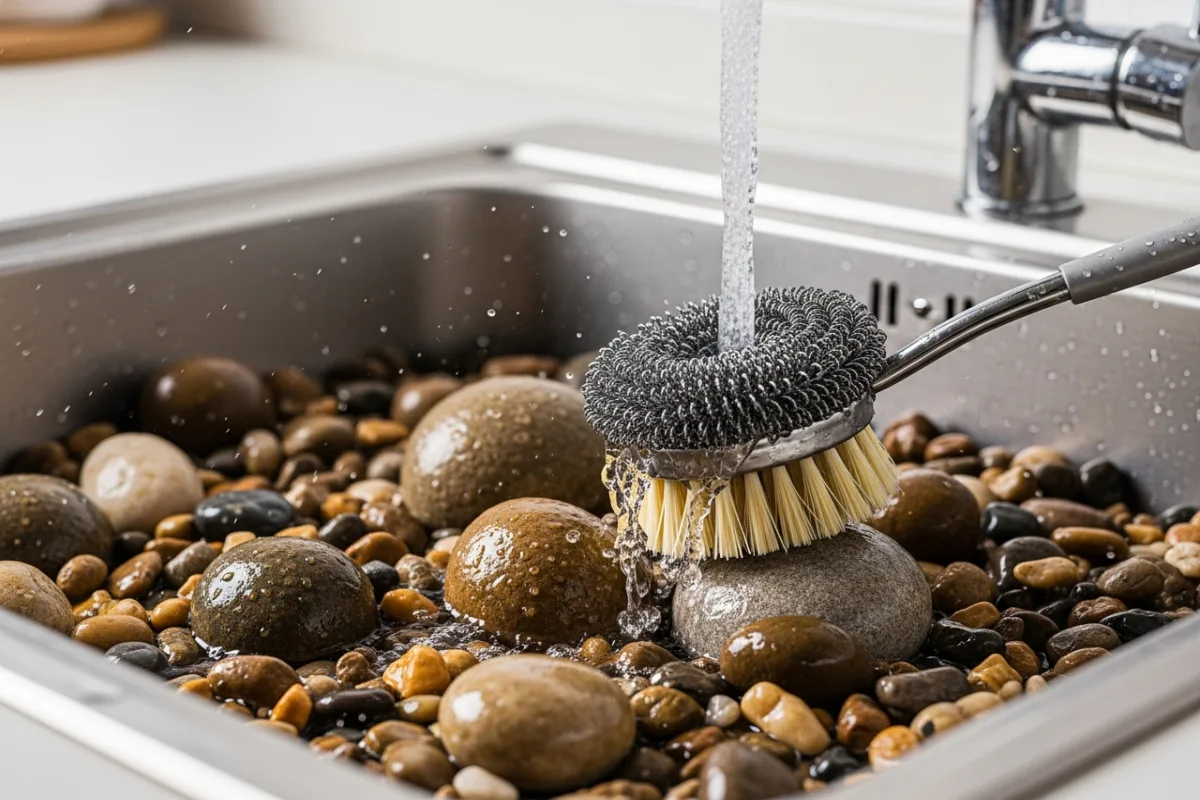
Always clean rocks before painting. Wash them under running water with a scrubbing brush or old toothbrush to remove all dirt, clay, and loose debris. Allow them to dry completely - at least 24 hours is ideal - before painting. Any remaining moisture beneath the primer will cause adhesion problems. Once clean, you are ready to prime and paint. Follow up with our complete beginner guide for the next steps.
Frequently Asked Questions
Is it illegal to take pebbles from a beach?
It depends on the country and the specific beach. In the UK, taking pebbles from beaches is technically restricted but personal small-scale collection is rarely enforced. In national parks and nature reserves worldwide, rock collection is almost always prohibited. Always check local regulations and take only what you genuinely need for your art.
What is the best size of rock for painting?
Most rock painters prefer stones between 7–12 cm in their longest dimension. This size is large enough to paint meaningful designs but small enough to carry comfortably and hide in interesting spots. Palm-sized rocks are the community favourite.
Can I use rocks from my garden for painting?
Yes, garden rocks are perfectly fine to use - you own them. However, garden rocks are often rough and irregular. Give them a good clean, check for cracks, and apply a gesso primer to create a smooth painting surface before you start.