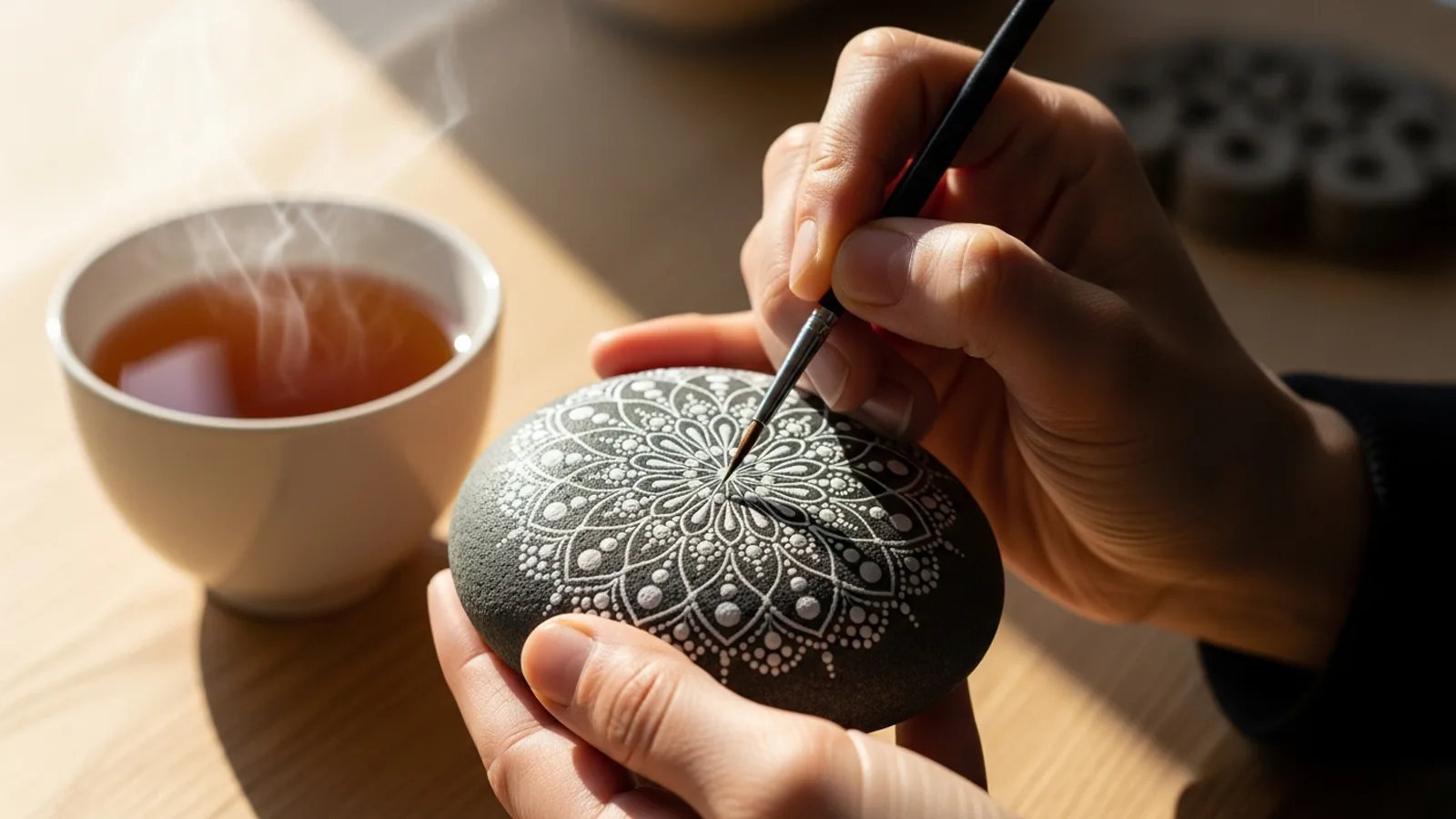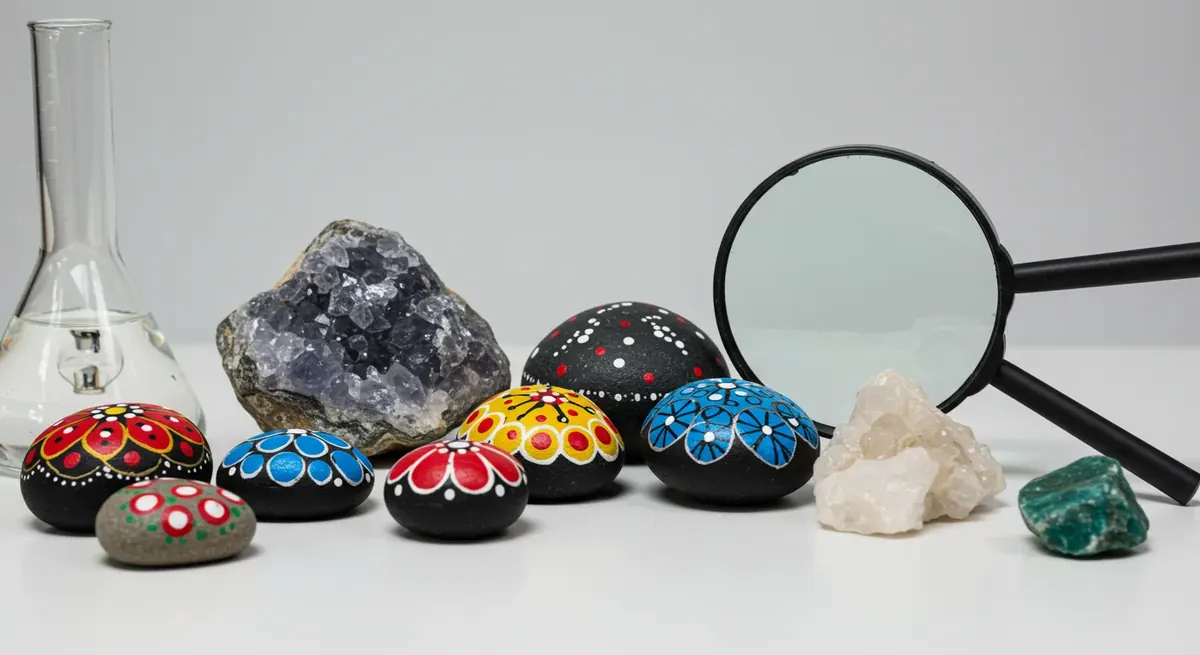
Rock painting with kids is one of the best rainy day activities for families. It is creative, educational, calming for some children and exciting for others, and produces a tangible result that kids can be proud of. Best of all, a painted rock can then be hidden in your local park for strangers to discover — giving children a real sense of contributing to their community. Here are 10 fantastic ideas to try today.
Setting Up a Kid-Friendly Rock Painting Station
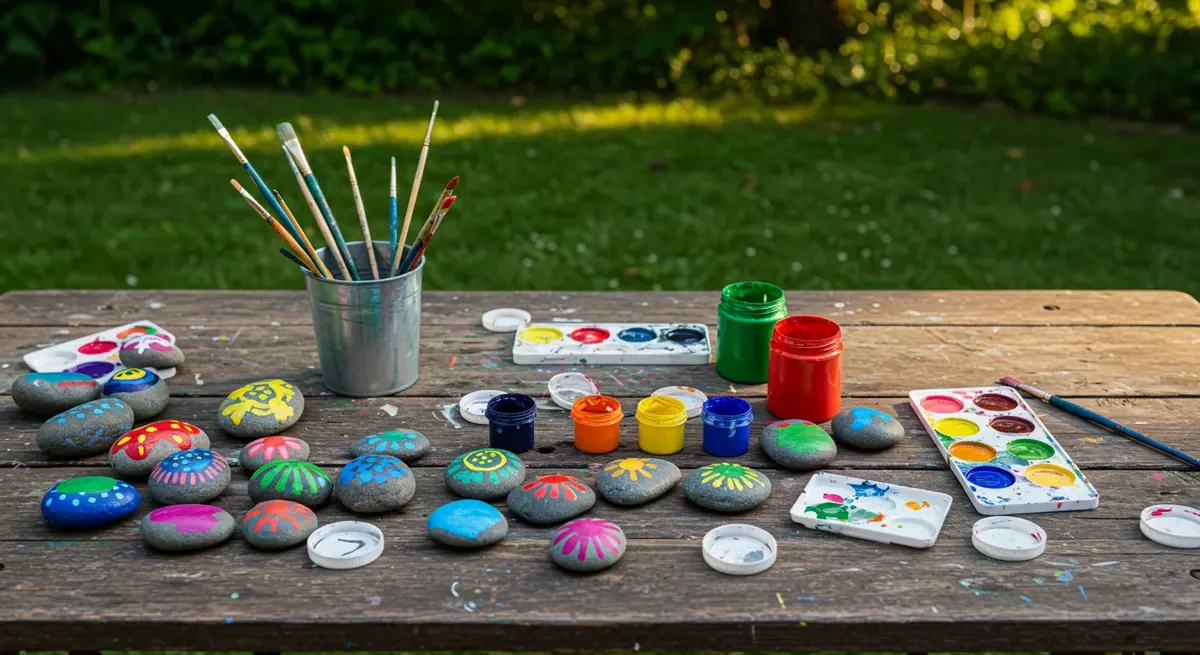
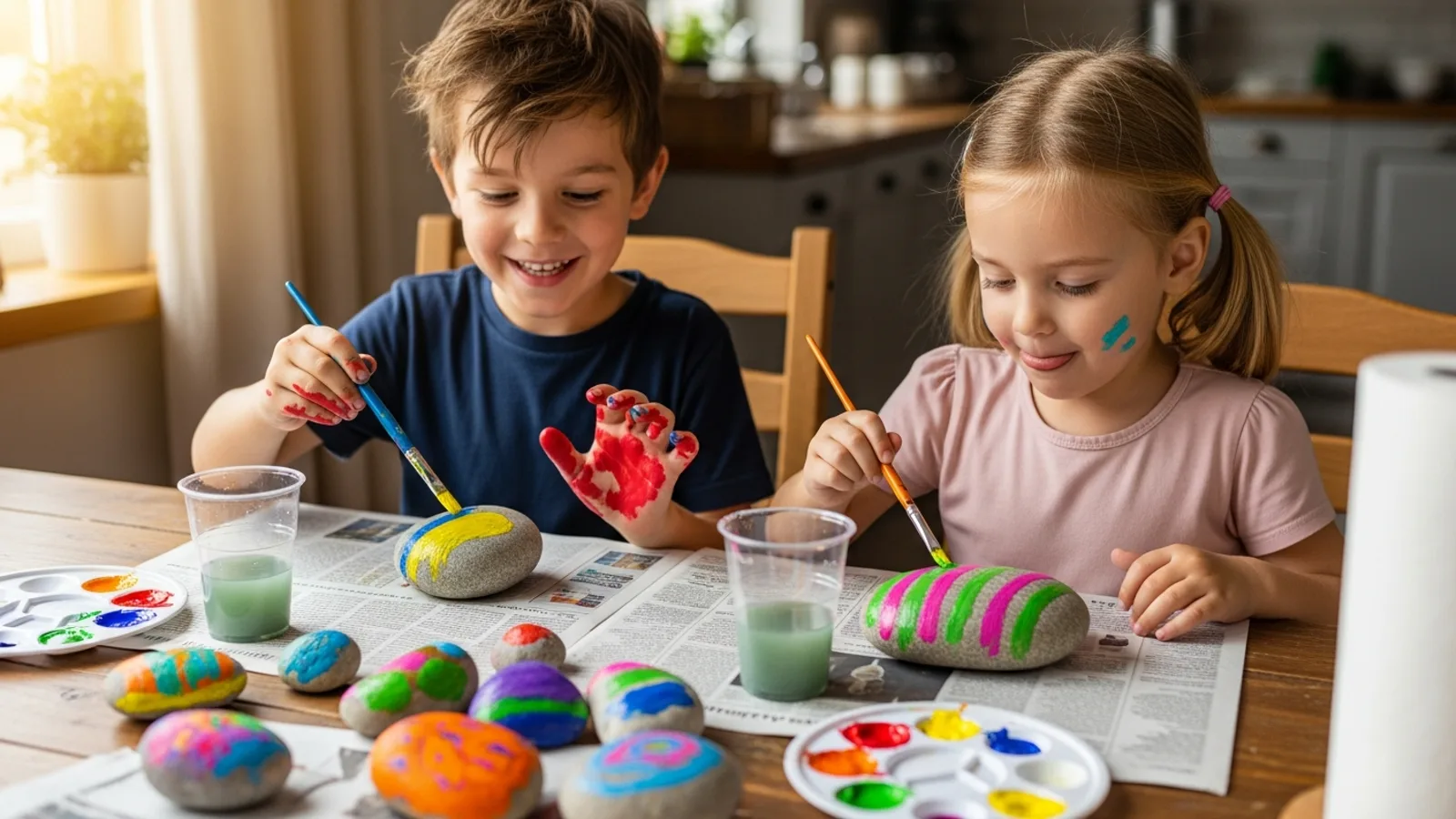
Before you begin, a little setup goes a long way to avoiding mess and frustration. Lay old newspapers or a vinyl tablecloth on the workspace. Set out acrylic paint in small dollops on a plastic plate palette — avoid putting out too many colours to start, as overwhelm leads to muddy mixed paint. Have cups of water and paper towels within reach. Use child-safe acrylic paints labelled non-toxic. For younger children (under 5), consider washable paints that clean up even more easily. Small, smooth rocks from a garden centre work best — collect and clean them in advance. See our guide on where to find rocks for painting for ideas on sourcing stones.
Age-Appropriate Designs (Ages 3–12)
Match the design complexity to your child's age and motor development:
- Ages 3–5: Finger painting, simple dots, and single solid colours. A whole hand print in one colour is incredibly fun. Let them explore freely.
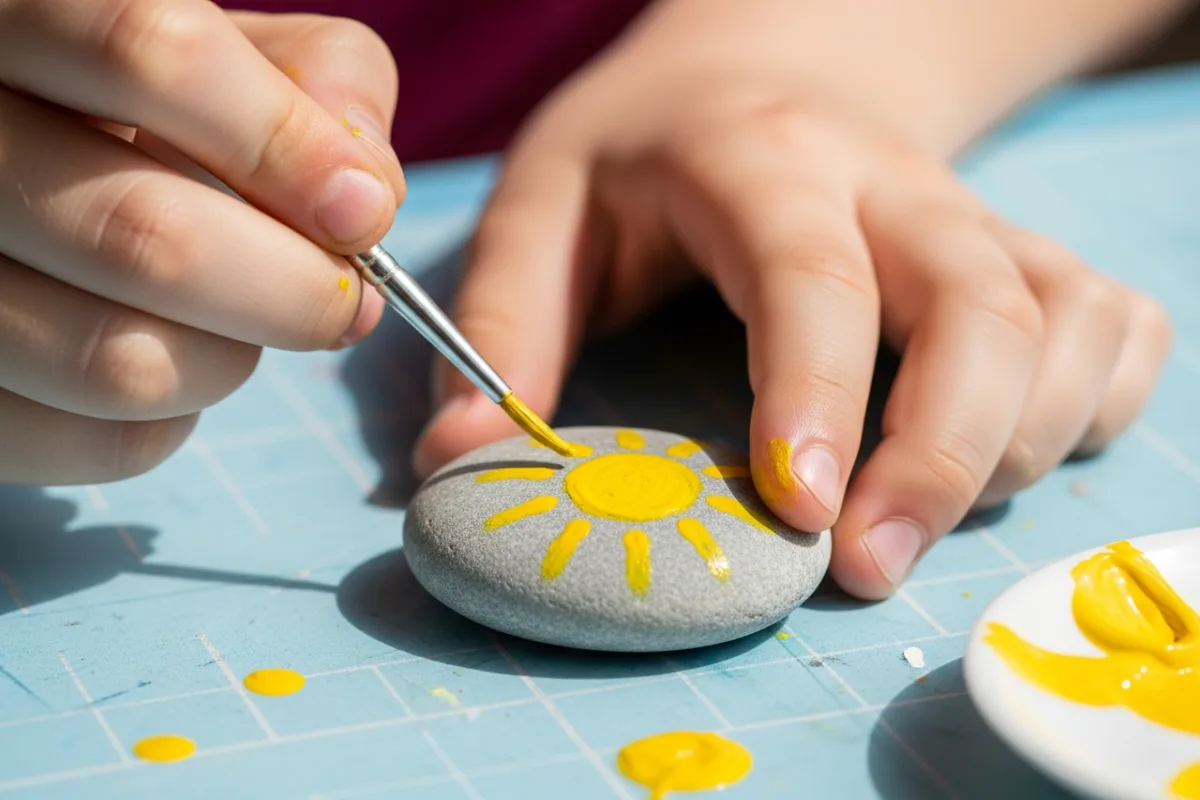
- Ages 6–8: Simple shapes — hearts, stars, suns, rainbows. These children can handle a round brush and enjoy creating something recognisable.
- Ages 9–12: More complex designs — animals, patterns, lettering. Children this age often want to follow specific tutorials and achieve a polished result.
10 Easy Rock Painting Ideas for Kids
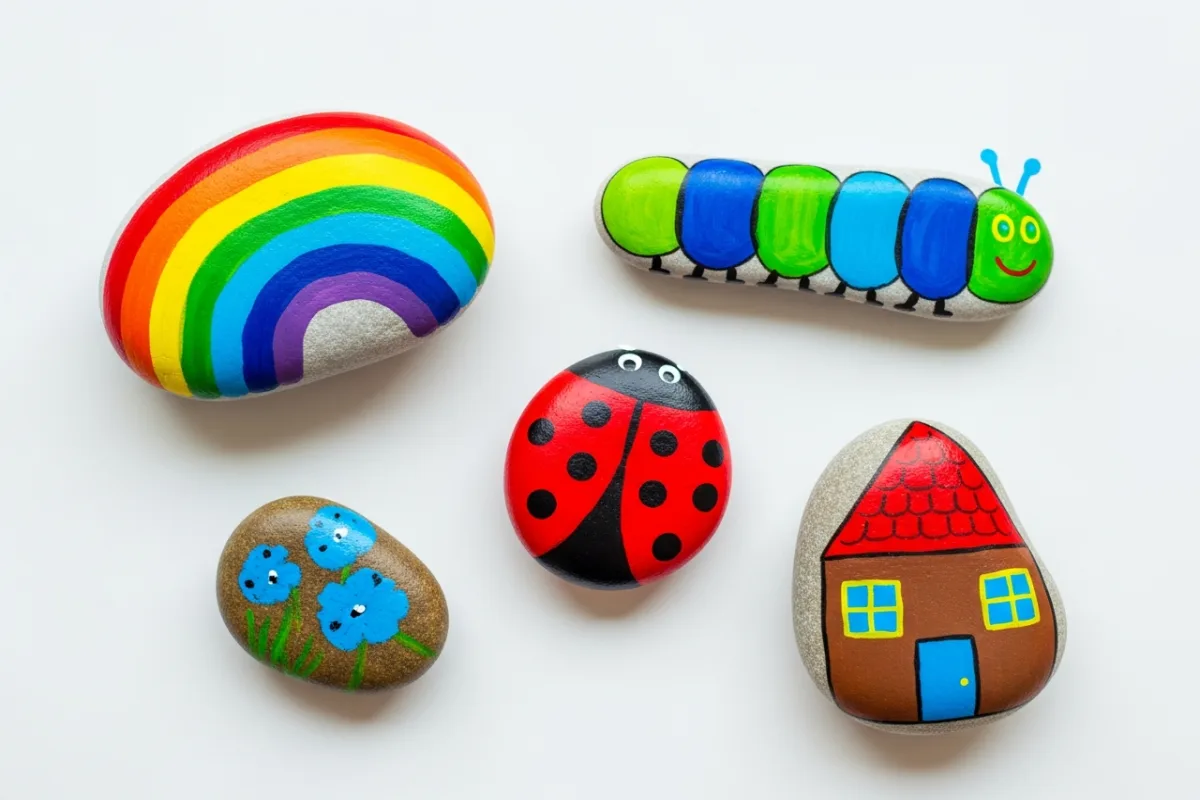
- Rainbow rock — Paint a rainbow arch in red, orange, yellow, green, blue, and purple across the stone. Add white clouds at each end.
- Happy caterpillar — A line of colourful dots across the rock with a face at one end. Toothpick dots are perfect for this.
- Sun face — Yellow base, orange rays around the edge, a simple face in the centre.
- Polka dot rock — One bright base colour with many dots of various contrasting colours. Hard to get wrong.
- Ladybug — Red top half, black bottom, dividing line, and dots. The children's classic.
- Emoji face — Yellow with a simple expression — happy, surprised, silly.
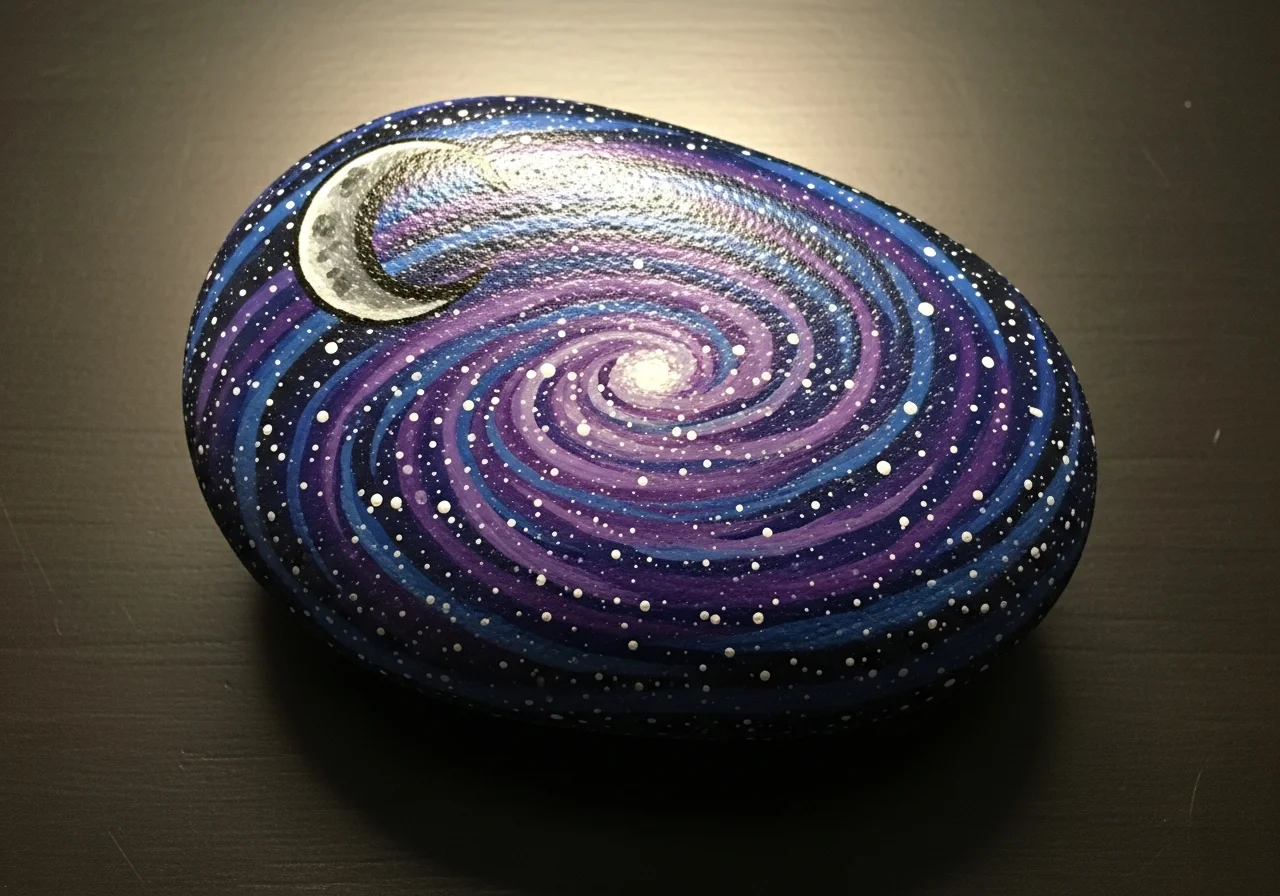
- Night sky — Dark blue or black base with white dot stars and a crescent moon.
- Superhero shield — Let children invent their own superhero symbol.
- Flower power — Simple petal shapes around a round centre in bright colours.
- Favourite animal — Let them pick their favourite and figure it out together.
Safety Tips for Painting with Children
Keep these points in mind for a safe session:
- Always use non-toxic, child-safe acrylics. Look for the AP non-toxic label.
- Supervise closely with children under 5 who may put paint-covered hands in their mouths.
- Have hand-washing breaks regularly.
- If sealing, use a water-based varnish and apply it yourself — spray sealers should never be used around children.
- Paint stains fabric, so old clothes or an art apron are essential.
For more safety guidance, see our rock painting safety for children article.
Making It Educational: Add Learning to the Fun
Rock painting naturally connects to several areas of learning. Use it as an opportunity to teach:
- Colour theory — What happens when you mix yellow and blue? Why do some colours look brighter next to others?
- Nature — Paint something from the natural world and talk about the real animal or plant.
- Maths — Count the dots on a ladybug. Measure the rock. Create symmetrical patterns.
- Empathy — Talk about how a stranger will feel when they find the rock your child painted.
Displaying and Sharing Finished Rocks
Once sealed, children can choose to keep their rock as a display piece, give it as a gift to a grandparent or friend, or hide it for a stranger to find. Hiding rocks and registering them with RoxGeo is particularly exciting for older children, who can then track where their rock travels on the live map. This often inspires them to paint more. See our toddler rock painting guide for more age-specific activities.

Frequently Asked Questions
What age can children start rock painting?
Children as young as 2–3 years old can enjoy finger painting on rocks with supervision. By age 4–5, most children can use a brush and paint simple shapes. The activity scales beautifully all the way to teenagers and adults, simply by increasing design complexity.
How do I prevent paint from getting everywhere?
Set up your workspace before you bring the children to it. Use a plastic tablecloth or old newspapers, put paint in a muffin tin or on a palletted plate, and have a roll of kitchen paper ready. Old clothes or an art apron prevent clothing disasters. Accept that some mess is part of the fun.
Is acrylic paint safe for children?
Most acrylic paints sold for craft use carry an AP non-toxic certification, meaning they are safe if accidentally ingested in small amounts. They are not edible, so close supervision of very young children is important. Avoid paints without a safety certification and always check the label.